
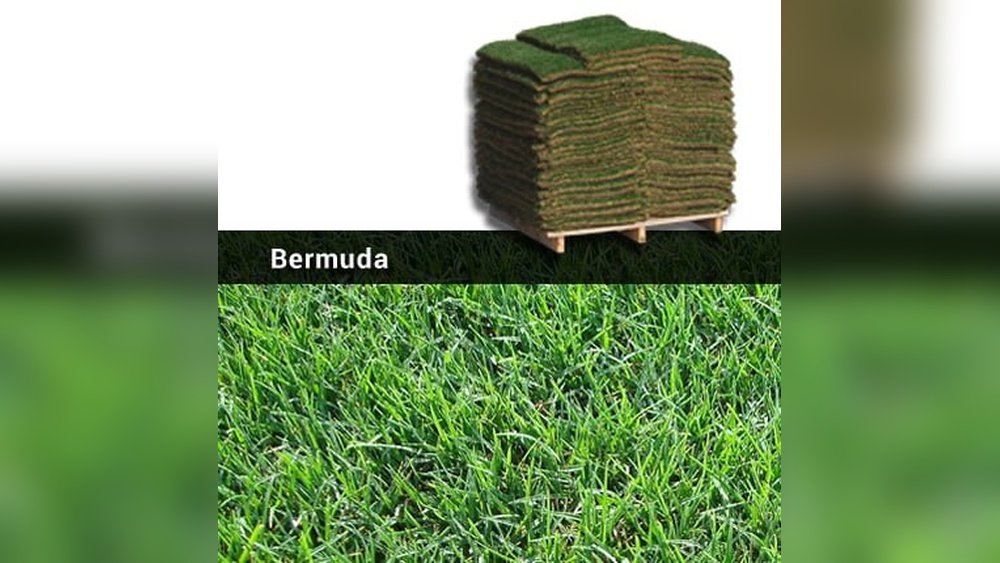
Are you thinking about adding Bermuda grass to your lawn but wondering how much it will cost? Knowing the price upfront can help you plan your budget and avoid surprises.
Whether you want a lush, green yard for your home or need durable grass for a sports field, understanding the cost of Bermuda grass is key. You’ll discover the factors that affect the price and get clear answers to help you make the best choice for your space and wallet.
Keep reading, and you’ll be ready to transform your lawn without breaking the bank.
Types Of Bermuda Grass
Bermuda grass comes in several types. Each type has unique features and prices. Choosing the right type affects your lawn’s look and care needs. Here are the main types of Bermuda grass you should know about.
Common Bermuda
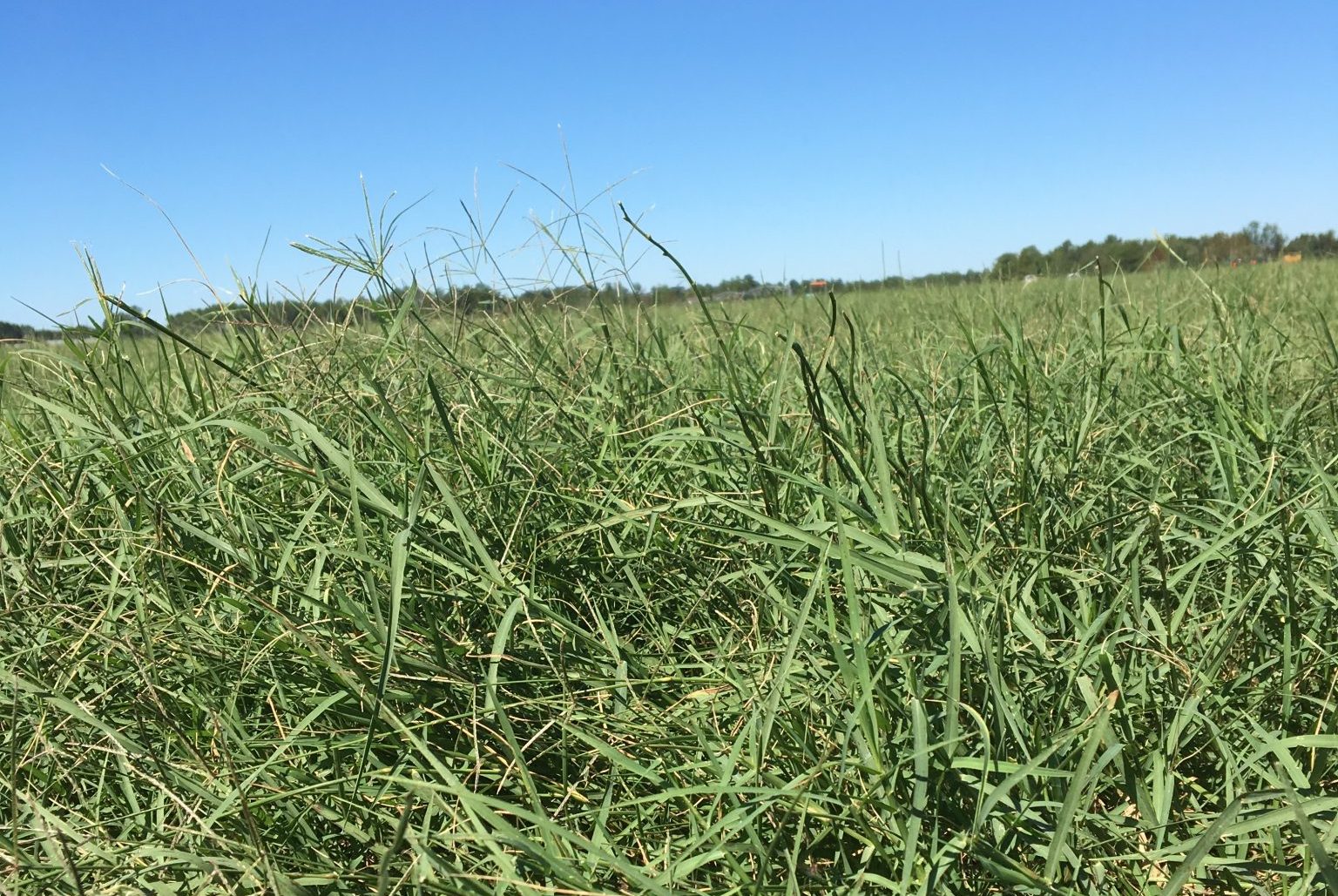
Common Bermuda is the most basic and affordable type. It grows well in warm climates and full sun. This grass is tough and recovers quickly from damage. It needs regular mowing to stay neat. Common Bermuda works well for large yards and sports fields.
Hybrid Bermuda
Hybrid Bermuda is a mix made to improve color and texture. It has finer blades than common Bermuda. This type stays green longer and is more drought-tolerant. Hybrid Bermuda costs more but offers a smoother, softer lawn. It suits homes and golf courses that need a polished look.
Tifway Bermuda
Tifway Bermuda is a popular hybrid variety. It is dense and dark green with a soft feel. This grass resists weeds and recovers fast from wear. Tifway needs good sunlight and water to thrive. It is often used on golf greens and high-end lawns.
Factors Affecting Bermuda Grass Price
The price of Bermuda grass varies due to several key factors. These factors influence how much you pay for the grass. Understanding them helps in budgeting your lawn project better.
Each factor plays a role in the total cost. Some are related to the grass itself. Others depend on the amount you need or where you buy it.
Quality And Variety
Bermuda grass comes in different types and quality levels. High-quality grass costs more because it grows well and resists pests. Some varieties are rare or have special features. These varieties usually have a higher price tag.
Quantity Needed
The more Bermuda grass you buy, the higher the total cost. Buying in bulk often lowers the price per square foot. Small orders may cost more per unit. Knowing the exact amount helps avoid extra expenses.
Geographic Location
Prices change depending on where you live. Areas close to grass farms may have lower costs. Remote places often face higher prices due to shipping. Local demand and climate also affect the price.
Seasonal Demand
Demand for Bermuda grass shifts throughout the year. Spring and summer see higher prices because many people plant then. Winter and fall usually have lower prices. Buying during low-demand seasons can save money.
Cost Breakdown By Purchase Method
Understanding the cost of Bermuda grass depends on how you buy it. Different purchase methods have different prices. Each method suits different budgets and needs. This section breaks down the costs by purchase method. It helps you choose the best option for your lawn.
Sod Pricing
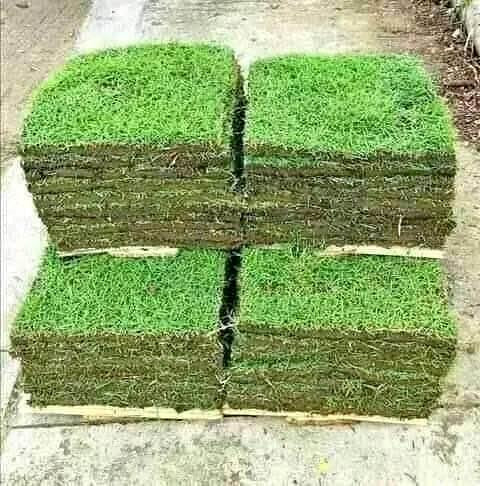
Sod is Bermuda grass already grown and ready to lay. It costs more than other methods. Prices usually range from $0.30 to $0.80 per square foot. Buying sod means quick results and less work. You pay for convenience and instant green coverage.
Seed Pricing
Seeds are the cheapest way to start Bermuda grass. A bag of seed covers about 5,000 square feet. Prices range from $3 to $10 per pound. Seeds take longer to grow and need more care. This method suits those with time and patience.
Sprigs And Plugs Pricing
Sprigs and plugs are small pieces of Bermuda grass. They cost between sod and seed prices. Sprigs usually cost $0.10 to $0.30 per square foot. Plugs cost about $0.25 to $0.50 each. This method grows faster than seed but slower than sod. It requires moderate effort and time.
Credit: www.aces.edu
Installation Expenses
Installing Bermuda grass involves several costs beyond just buying the grass itself. These expenses can vary widely. Knowing what to expect helps you budget better. Let’s break down the main installation expenses.
Diy Vs Professional Installation
Choosing between DIY and professional installation affects your total cost. Doing it yourself saves labor fees but requires time and effort. Professionals charge for their skill and tools. Their work is usually faster and more precise. Prices for professional installation start around $1 to $3 per square foot. DIY costs mainly include supplies and your time.
Soil Preparation Costs
Good soil is key for Bermuda grass to thrive. Preparing soil includes clearing, tilling, and adding nutrients. Renting tilling equipment can cost $50 to $100 per day. Soil tests may cost $10 to $30. Adding fertilizer or lime depends on soil needs. These supplies can add $20 to $100 to your budget.
Irrigation Setup
Bermuda grass needs regular watering. Installing an irrigation system ensures even watering. Simple sprinkler systems start around $500. More complex drip or automated systems cost more. DIY irrigation kits can lower costs but need installation skills. Proper irrigation helps keep your lawn green and healthy.
Maintenance Costs Over Time
Maintaining Bermuda grass over time involves regular costs. These expenses include watering, fertilizing, mowing, aeration, and pest control. Understanding these costs helps in budgeting for a healthy lawn.
Watering And Fertilizing
Bermuda grass needs frequent watering, especially in dry months. Water costs can add up depending on your local rates. Fertilizing is also important for growth and color. Use fertilizers every 6 to 8 weeks during growing season. Choosing the right fertilizer saves money and improves lawn health.
Mowing And Aeration
Mowing keeps Bermuda grass neat and healthy. Plan to mow once or twice a week in summer. Mower maintenance and fuel costs should be considered. Aeration helps reduce soil compaction and improves water absorption. Aerate your lawn once or twice a year for best results.
Pest And Weed Control
Pests and weeds can damage Bermuda grass quickly. Use pesticides and herbicides carefully to protect your lawn. Spot treatments cost less than full lawn sprays. Regular monitoring reduces the need for expensive pest control products.
Ways To Save On Bermuda Grass
Saving money on Bermuda grass is possible with smart buying choices. You can reduce costs without lowering quality. Here are practical ways to save on Bermuda grass for your lawn or garden.
Buying In Bulk
Buying Bermuda grass in large amounts often lowers the price per square foot. Wholesale sellers and nurseries offer discounts for bulk orders. This option suits bigger projects and helps avoid repeated purchases.
Seasonal Discounts
Prices drop during off-peak seasons, such as late fall or early winter. Nurseries want to clear stock before new growth cycles start. Buying then can save you a good amount of money.
Local Suppliers
Purchasing from local suppliers reduces delivery fees and supports local businesses. Local grass is usually fresher and adapts better to your climate. Check nearby garden centers for competitive prices and quality.
Comparing Bermuda Grass To Other Lawn Options
Bermuda grass is a popular choice for many homeowners. It offers a green, lush lawn that stands out. Comparing Bermuda grass to other lawn options helps you decide what fits best. Cost, durability, and care are key points to consider.
Each type of grass has its strengths and weaknesses. Understanding these differences makes it easier to choose wisely. Let’s explore how Bermuda grass compares in price and maintenance.
Cost Differences
Bermuda grass usually costs less than some premium grasses. The price depends on seed or sod purchase. Bermuda grass seeds cost less than sod but take longer to grow. Other grasses like Zoysia or St. Augustine sods can be pricier. Installation and soil preparation affect the total cost too.
Choosing Bermuda grass can save money upfront. Yet, consider long-term expenses like watering and fertilizing. Some grasses need fewer resources, balancing higher initial costs.
Durability And Care
Bermuda grass is tough and handles heat well. It grows quickly and recovers from damage fast. This makes it ideal for sunny, warm areas. It needs regular mowing and watering during dry spells. Some grasses like Fescue handle shade better but need more water.
Bermuda grass requires less fertilizer than some types. Still, it needs care to avoid weeds and pests. Its durability suits active yards with kids or pets. Other grasses may need less mowing but can be less hardy.

Credit: www.homedepot.com
Credit: lunti.ph
Frequently Asked Questions
How Much Does Bermuda Grass Cost Per Square Foot?
Bermuda grass typically costs between $0. 50 and $1. 50 per square foot. Prices vary by region, quality, and supplier. Higher-quality sod or seed may cost more. Installation fees are additional. Buying in bulk often reduces the overall price.
What Factors Affect Bermuda Grass Pricing?
Pricing depends on grass quality, type (seed or sod), and supplier location. Seasonal demand and installation costs also impact prices. Delivery fees and soil preparation can increase the total expense. Choosing drought-resistant varieties might cost more upfront but save water.
Is Bermuda Grass Affordable For Large Lawns?
Yes, Bermuda grass is cost-effective for large lawns due to its fast growth and low maintenance. Bulk purchasing reduces costs. However, installation and soil prep expenses should be considered. Its durability and drought tolerance offer long-term savings on care.
Can I Buy Bermuda Grass Online?
Yes, many suppliers sell Bermuda grass seed and sod online. Ensure you choose reputable vendors with good reviews. Online purchases may include shipping fees. Check delivery times, especially in peak growing seasons, to ensure fresh, viable grass.
Conclusion
Bermuda grass prices vary by region and quality. Choosing the right type depends on your lawn size and budget. Regular care keeps the grass healthy and green. Knowing the cost helps plan your landscaping better. Investing in good Bermuda grass adds value to your home.
Simple maintenance saves money in the long run. Now, you can make a smart choice for your yard.
