
Are you wondering how much sun Bermuda grass really needs to thrive in your yard? Getting this right can make all the difference between a lush, green lawn and a patchy, struggling one.
If you want your Bermuda grass to grow strong, stay healthy, and look its best, understanding its sunlight needs is key. Keep reading to discover the perfect amount of sun that will help your lawn flourish, and learn simple tips to give your Bermuda grass the care it deserves.
Your dream lawn is closer than you think!

Credit: theturfgrassgroup.com
Sunlight Needs
Bermuda grass thrives best with the right amount of sunlight. Understanding its sunlight needs helps keep your lawn green and healthy. Too much or too little sun can affect its growth and color. This section explains how much sun Bermuda grass requires and what happens under different sunlight conditions.
Ideal Sun Exposure
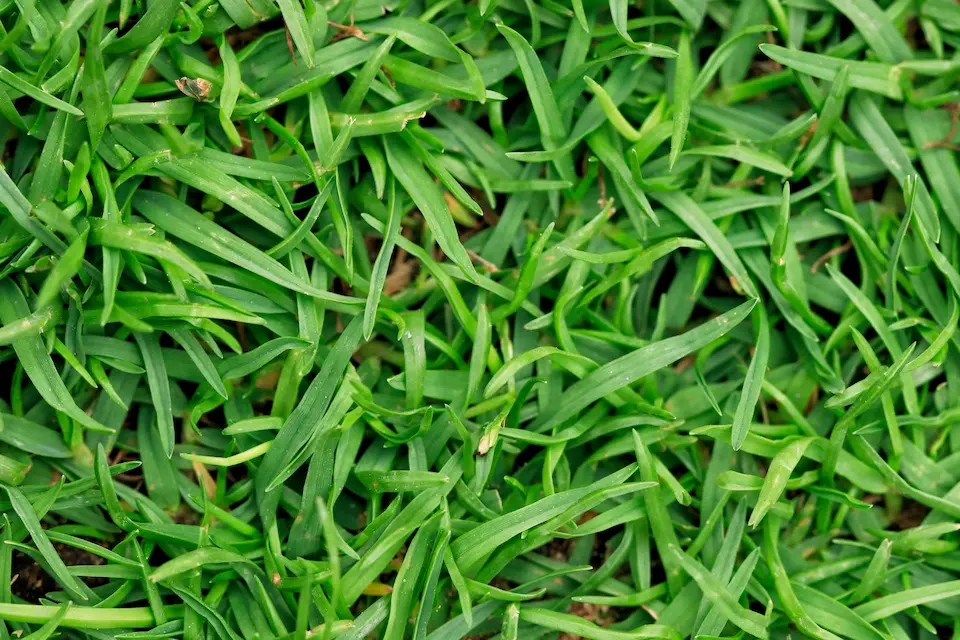
Bermuda grass needs full sun to grow well. It does best with at least six to eight hours of direct sunlight daily. This amount of sun helps the grass produce strong roots and dense blades. It also improves the grass’s ability to resist weeds and pests. A sunny spot is perfect for Bermuda grass.
Effects Of Too Much Sun
Too much sun can dry out Bermuda grass quickly. Intense heat may cause the grass to turn brown and dry. It can weaken the grass, making it more prone to disease. Watering often is needed to help the grass survive strong sun. Shade or partial shade areas protect the grass from extreme sun.
Effects Of Too Little Sun
Bermuda grass struggles in shaded areas. Less than four hours of sun causes thin and weak growth. The grass can become patchy and lose its green color. Shade also invites moss and weeds to grow. For best results, plant Bermuda grass in sunny spots only.
Credit: fortsmithlandscaping.com
Growth Patterns
Bermuda grass has unique growth patterns shaped by sunlight exposure. Understanding these patterns helps maintain a healthy lawn. The grass thrives best with the right amount of sun each day. Its growth changes with seasons and sun intensity. Sunlight also affects how deep and strong the roots grow. Learning about these factors ensures your Bermuda grass stays green and thick.
Daily Light Requirements
Bermuda grass needs at least six to eight hours of direct sunlight daily. Less sunlight can slow growth and make the grass thin. Morning sun is especially important to dry dew and prevent disease. Too much shade causes the grass to become weak and patchy. Full sun helps Bermuda grass grow dense and healthy.
Seasonal Changes
Growth slows down in cooler months. Bermuda grass enters dormancy during fall and winter. It needs less sun but still requires some light to stay alive. In spring and summer, the grass grows rapidly with more sunlight. Adjust care based on the season to support its natural cycle.
Impact On Root Development
Sunlight boosts root growth and strength. Strong roots help the grass absorb water and nutrients. Without enough sun, roots stay shallow and weak. Deep roots make Bermuda grass more drought-resistant. Proper sun exposure encourages roots to grow deep and healthy.
Plant Health
Bermuda grass thrives best with the right amount of sunlight. Too much sun can harm the grass, while too little can stunt its growth. Proper sun exposure keeps the grass green and strong. It helps Bermuda grass to grow thick and resist weeds and pests.
Understanding how sun affects Bermuda grass can help keep your lawn healthy. Watch for signs that the grass is stressed by the sun. Take steps to protect the grass from damage. Proper watering is key to help the grass handle sun exposure.
Signs Of Sun Stress
Sun stress shows as brown or yellow patches on the grass. The blades may look dry and brittle. Grass may thin out or grow slowly. The soil can become very dry and hard. These are clear signs the grass needs help.
Preventing Sunburn
Keep Bermuda grass healthy by avoiding too much direct sun. Use mulch or shade cloth in very sunny spots. Mow the grass at the right height to protect roots. Avoid cutting the grass too short during hot days. Healthy grass resists sunburn better.
Watering Tips For Sun Exposure
Water Bermuda grass deeply but less often. Early morning watering is best to reduce evaporation. Avoid watering during the hottest part of the day. Keep soil moist but not soggy. Proper watering helps grass cope with sun stress.
Optimizing Growth
Bermuda grass grows best with enough sun. Good care helps it stay green and strong. Optimizing growth means giving the grass what it needs. Sun, water, and soil all play a role. Follow simple steps to keep your lawn healthy.
Choosing The Right Location
Pick a spot that gets at least six hours of sun each day. Bermuda grass loves full sun. Avoid shady places near trees or buildings. More sun means thicker, greener grass. Less sun can make the grass thin and weak.
Using Shade Structures
Shade structures can protect grass from too much heat. Use them during hot summer afternoons. Shade helps keep the soil moist and cool. But don’t block too much sun. Bermuda grass needs light to grow well.
Soil Preparation And Fertilization
Good soil helps Bermuda grass grow fast and strong. Test the soil to check pH and nutrients. Add fertilizer to supply needed nutrients. Use a balanced fertilizer with nitrogen, phosphorus, and potassium. Prepare soil by loosening it before planting. Healthy soil means healthy grass.
Common Problems
Bermuda grass thrives in sunny spots but can face common problems. These issues affect its growth and appearance. Knowing how to handle them keeps your lawn healthy and green.
Dealing With Dry Spots
Dry spots appear when Bermuda grass does not get enough water. These areas look brown and feel hard. Water deeply and often to help grass recover. Use a sprinkler to cover all dry areas evenly. Avoid walking on dry spots to prevent damage.
Managing Thatch Build-up
Thatch is a layer of dead grass between soil and green blades. Too much thatch stops water and nutrients from reaching roots. Rake the lawn regularly to remove thatch. Aerate your soil to improve air and water flow. This keeps Bermuda grass strong and healthy.
Controlling Weeds In Sunlit Areas
Weeds grow fast in sunny Bermuda grass areas. They compete for water and nutrients. Pull weeds by hand or use safe herbicides. Mow the lawn at the right height to block weed growth. Healthy Bermuda grass helps stop weeds from spreading.
Credit: turfmasterslawncare.com
Maintenance Practices
Maintaining Bermuda grass requires regular care to keep it healthy and green. Proper maintenance helps the grass grow strong and resist weeds and pests. Different sun levels affect how you should care for the grass. Follow simple steps to maintain your lawn in the best condition.
Mowing Frequency
Mow Bermuda grass often during the growing season. Cutting it every 5 to 7 days keeps the grass at the right height. Do not cut more than one-third of the grass blade at once. This practice helps the grass recover quickly and stay lush.
Adjusting Care By Sun Levels
Bermuda grass grows best in full sun, needing at least 6 to 8 hours daily. In shaded areas, reduce mowing and watering. Grass in less sun grows slower and can become thin. Adjust fertilizer and water amounts to avoid stress in shaded spots.
Seasonal Lawn Care Tips
Spring and summer are peak growing times. Fertilize and water more during these months. In fall, reduce watering and stop fertilizing to prepare the grass for winter. Keep leaves and debris off the lawn to prevent disease all year round.
Frequently Asked Questions
How Many Hours Of Sun Does Bermuda Grass Require Daily?
Bermuda grass needs at least 6 to 8 hours of direct sunlight daily. Adequate sun exposure promotes healthy growth and a lush green lawn. Insufficient sunlight can cause thinning and poor turf quality.
Can Bermuda Grass Grow In Shaded Areas?
Bermuda grass struggles in shaded areas with less than 4 hours of sun. It prefers full sun to maintain density and color. In shaded spots, consider shade-tolerant grass varieties for better results.
What Happens If Bermuda Grass Gets Too Much Sun?
Excessive sun can cause Bermuda grass to dry out and become stressed. Proper watering helps mitigate heat stress and sun damage. Mulching and soil care also protect roots during intense sunlight.
Does Bermuda Grass Need Sun During Winter Months?
Yes, Bermuda grass still requires sunlight in winter for maintenance. However, its growth slows due to cooler temperatures. Ensuring some sun helps the grass stay healthy and recover faster in spring.
Conclusion
Bermuda grass thrives best with plenty of sunlight each day. Aim for at least six to eight hours of direct sun. Too little sun can make the grass thin and weak. Too much shade may cause brown patches and slow growth.
Regular sunlight helps Bermuda grass stay green and healthy. Remember, good sunlight supports strong roots and thick blades. Keep this in mind to grow a lush, vibrant lawn. Sunlight truly makes a difference for Bermuda grass growth.
