

Are you wondering how much water your Bermuda grass really needs to stay green and healthy? Getting the right amount of water can make all the difference between a lush lawn and one that looks tired and patchy.
Too little water can cause your grass to dry out, while too much can waste resources and even harm your lawn. You’ll discover simple, clear guidelines to help you water your Bermuda grass just right—saving you time, money, and effort.
Keep reading to find out exactly how to keep your lawn thriving all year round.

Credit: gcmonline.com
Water Needs Of Bermuda Grass
Bermuda grass is a popular choice for lawns because it stays green and grows fast. Knowing how much water it needs helps keep it healthy. Water is key for Bermuda grass to stay lush and strong. But too much or too little water can cause problems. Understanding its watering needs helps save water and keeps the grass looking good year-round.
Daily Vs Weekly Watering
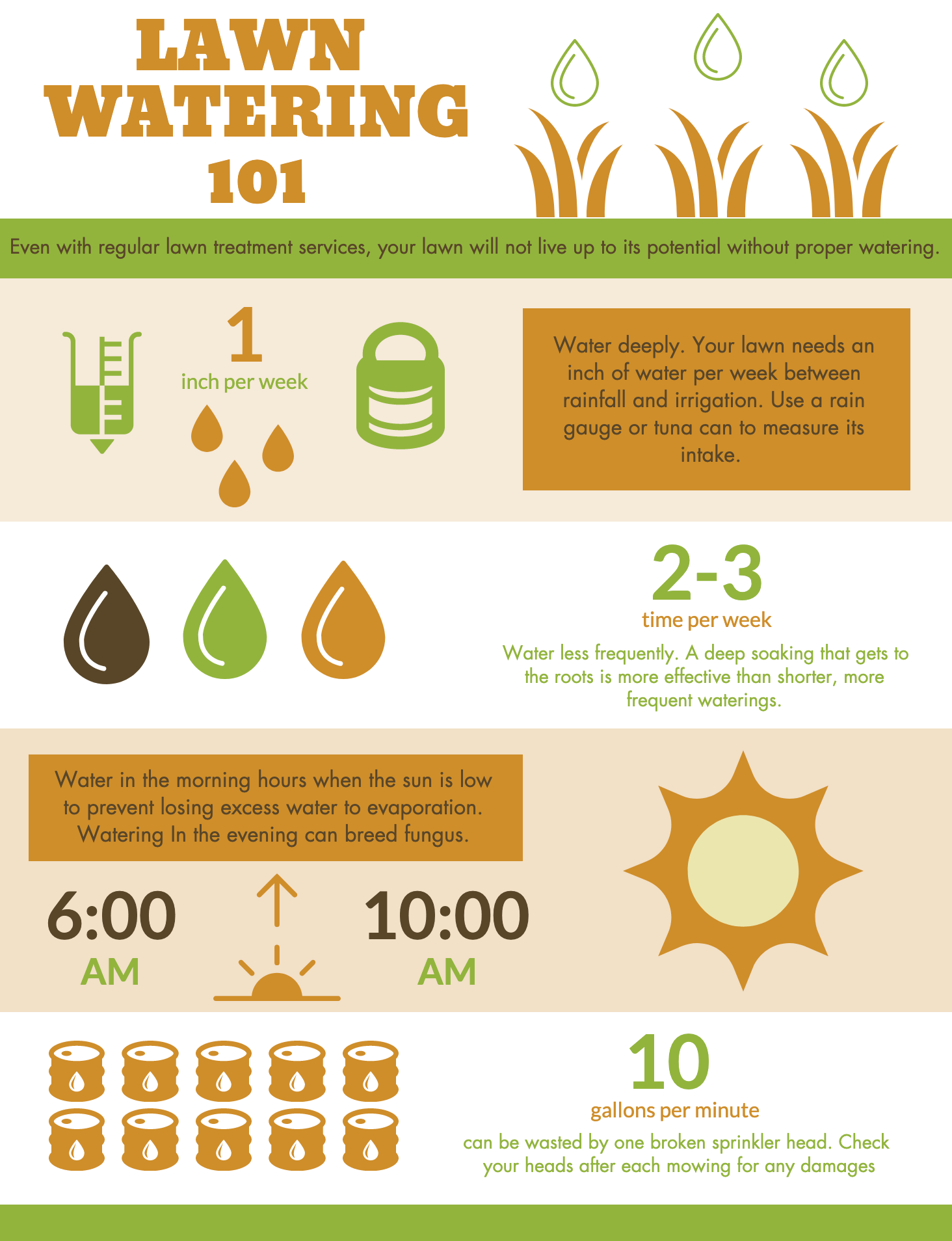
Bermuda grass does not need daily watering. Water deeply once or twice a week. This helps roots grow deeper into the soil. Shallow, daily watering can cause weak roots. Watering less often but more deeply keeps the grass healthy. Pay attention to the weather. Rain can reduce the need to water.
Seasonal Variations
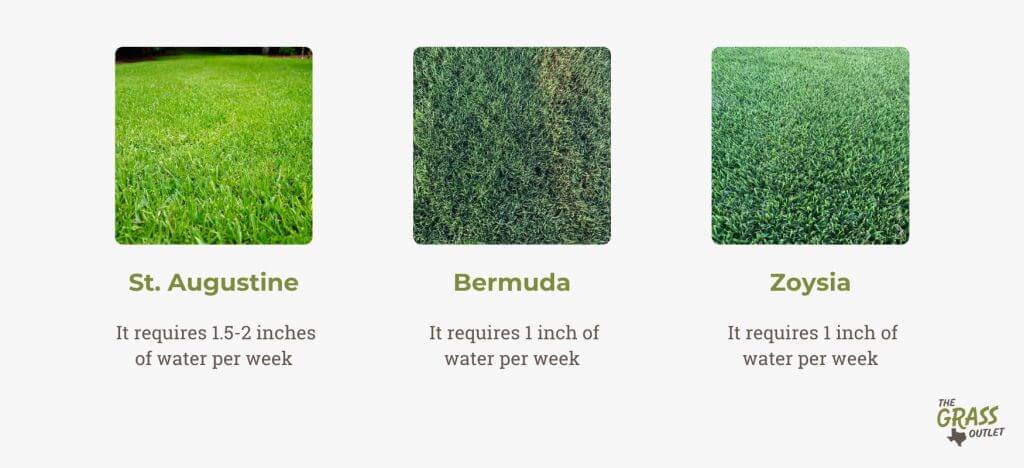
Water needs change with the seasons. In hot summer months, Bermuda grass needs more water. It can need up to 1 inch of water per week. In cooler months, reduce watering. The grass grows slower and uses less water. Adjust watering based on temperature and rainfall. This saves water and keeps the grass green.
Impact Of Soil Type
Soil type affects how much water Bermuda grass needs. Sandy soil drains quickly and needs more frequent watering. Clay soil holds water longer and needs less watering. Loamy soil is ideal because it holds moisture well. Test your soil to know its type. Adjust watering schedules to fit your soil’s needs.
Signs Of Overwatering And Underwatering
Knowing the signs of overwatering and underwatering helps keep Bermuda grass healthy. Both too much and too little water cause problems. Spotting these signs early saves the lawn from damage. Below are key signs to watch for.
Leaf Discoloration
Leaves that turn yellow or brown show water stress. Overwatered grass often has yellow leaves that feel soft. Underwatered grass shows dry, brown edges on leaves. Healthy Bermuda grass stays green and vibrant.
Growth Patterns
Grass that grows too fast may mean overwatering. Too much water makes roots weak and shallow. Underwatered grass grows slowly and looks thin. Patches may appear dry and die off in drought.
Soil Moisture Levels
Check soil moisture to judge watering needs. Wet, soggy soil means too much water. Dry, cracked soil shows not enough water. Bermuda grass needs soil that is moist but not soaked.
Best Watering Practices
Watering Bermuda grass properly helps it grow thick and green. Good watering stops waste and keeps grass healthy. Follow these best watering practices to keep your lawn fresh and strong.
Optimal Watering Times
Water Bermuda grass early in the morning. The grass absorbs water better before the sun gets hot. Avoid watering in the afternoon. Watering late can cause disease and waste water. Early morning watering gives grass time to dry during the day.
Irrigation Methods
Use sprinklers for even coverage. Move sprinklers to avoid dry spots. Drip irrigation saves water but works best for small areas. Hand watering can work but needs attention to avoid overwatering. Choose methods that deliver water slowly and deeply.
Adjusting For Weather Conditions
Water less during rainy days. Increase watering during hot, dry spells. Check soil moisture often to decide watering needs. Windy days dry soil faster, so water more carefully. Adjust watering based on weather to keep grass healthy.
Credit: southernlawns.net
Water Conservation Tips
Saving water helps keep Bermuda grass healthy and your water bill low. Using less water also protects the environment. Here are some simple tips to use water wisely while caring for Bermuda grass.
Mulching Benefits
Mulch covers the soil around Bermuda grass roots. It keeps the soil moist longer by reducing water loss. Mulching also stops weeds from growing. Weeds take water away from the grass. Use organic mulch like grass clippings or bark chips. Mulching helps the soil stay cooler on hot days.
Drought-resistant Maintenance
Bermuda grass can handle dry times with the right care. Cut the grass a little higher to shade the soil. This keeps moisture in the ground. Avoid watering every day. Water deeply but less often. This makes roots grow strong and deep. Strong roots find water below the surface.
Smart Irrigation Systems
Smart irrigation uses technology to save water. These systems water only when the grass needs it. They adjust for rain and temperature changes. Use drip irrigation or sprinklers with timers. This stops water waste from overwatering. Smart systems help keep Bermuda grass green with less water.
Common Mistakes To Avoid
Watering Bermuda grass seems simple but many make common mistakes. These errors can waste water and harm your lawn. Avoid these pitfalls to keep your grass healthy and green. Focus on smart watering habits and watch your lawn thrive.
Watering Too Often
Giving Bermuda grass water every day is not best. Frequent watering makes roots shallow. Shallow roots cannot hold water well. Water deeply but less often. This helps roots grow strong and deep. Strong roots keep grass green in dry times.
Ignoring Soil Drainage
Soil must drain well for healthy grass. Water sitting on the soil can cause root problems. Check if water pools after rain or watering. Fix poor drainage with soil aeration or adding sand. Good drainage keeps roots dry and healthy.
Neglecting Seasonal Changes
Bermuda grass needs different water in each season. In summer, it needs more water due to heat. In cooler months, reduce watering to avoid overwatering. Watch the weather and adjust watering. Seasonal care saves water and protects your lawn.
Credit: thegrassoutlet.com
Frequently Asked Questions
How Much Water Does Bermuda Grass Need Weekly?
Bermuda grass typically requires about 1 to 1. 25 inches of water weekly. This amount supports healthy growth and prevents drought stress. Watering deeply once or twice a week encourages strong roots and conserves water.
When Is The Best Time To Water Bermuda Grass?
The best time to water Bermuda grass is early morning. This timing reduces evaporation and fungal risks. Early watering helps the soil absorb moisture efficiently for optimal grass health.
Can Bermuda Grass Survive With Less Water?
Yes, Bermuda grass is drought-tolerant and can survive with less water. However, reduced watering slows growth and may cause browning. Regular watering is essential for lush, green lawns.
How Does Soil Type Affect Bermuda Grass Watering?
Sandy soils drain quickly, requiring more frequent watering for Bermuda grass. Clay soils retain moisture longer, so water less often. Adjust watering based on soil type to maintain healthy grass.
Conclusion
Bermuda grass needs regular watering to stay green and healthy. Water deeply but not too often to help roots grow strong. Early morning is the best time to water the lawn. Too much water can cause problems like disease and weak roots.
Pay attention to weather and soil to adjust watering. A well-watered Bermuda lawn looks fresh and lasts longer. Keep these tips in mind for a beautiful yard all year.
