
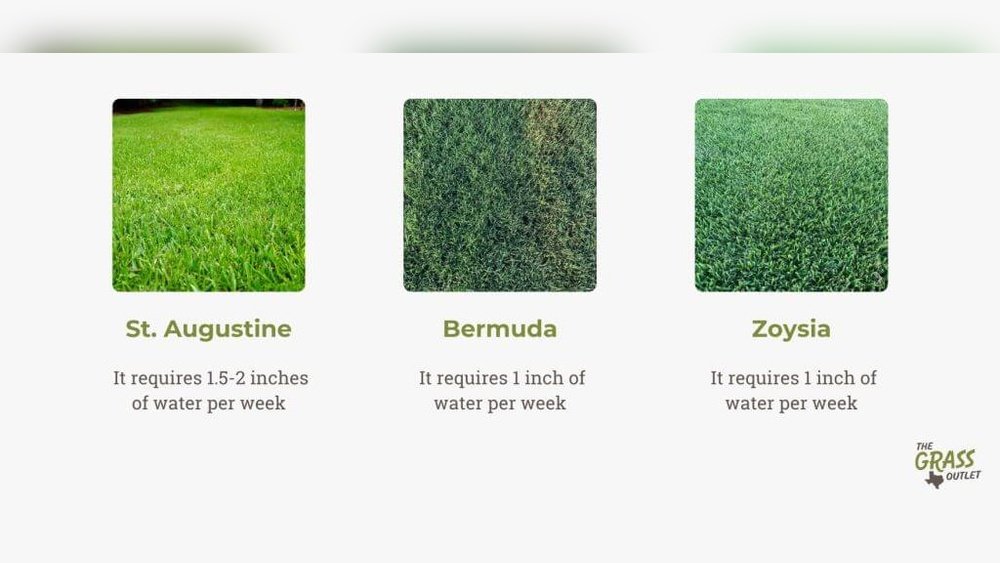
Are you wondering how often you should water your Bermuda grass to keep it green and healthy? Getting the watering right can make all the difference between a lush lawn and one that looks dry and patchy.
If you water too much, you risk wasting water and hurting your grass. Water too little, and your lawn could suffer from stress and brown spots. You’ll discover the perfect watering routine that fits your lawn’s needs. Keep reading, and you’ll learn simple tips to save water while making your Bermuda grass thrive all year round.
Credit: southernlawns.net
Bermuda Grass Basics
Bermuda grass is a popular choice for lawns and sports fields. It is known for its tough nature and bright green color. Understanding the basics helps keep it healthy and green all year.
This grass grows quickly and spreads easily. Proper care depends on knowing how it grows and what climate it prefers. These factors affect how often you should water it.
Growth Patterns
Bermuda grass grows fast during warm months. It spreads through above-ground runners called stolons. It also sends out underground stems called rhizomes.
This growth helps fill in bare spots quickly. The grass forms a dense, thick lawn. It goes dormant and turns brown in cold weather.
Climate Preferences
Bermuda grass thrives in warm, sunny places. It needs full sun for at least 6 hours daily. It does not grow well in shade.
This grass tolerates heat and drought well. It prefers temperatures between 75°F and 95°F. Cold winters can damage or kill it.
Water Needs By Season
Bermuda grass needs different amounts of water during the year. Seasons affect how much water the grass uses. Knowing the water needs by season helps keep the lawn healthy and green.
Spring And Summer
Bermuda grass grows fast in spring and summer. It needs more water to stay green and strong. Water the lawn deeply about 3 to 4 times a week. Early morning is the best time to water. This helps the grass absorb water well. Avoid watering in the heat of the day to save water.
Fall And Winter
In fall and winter, Bermuda grass grows slowly. The grass needs less water than in summer. Water once a week or less, depending on rain. Check the soil; water only if it feels dry. Overwatering can harm the grass in cold months.
Signs Of Water Stress
Bermuda grass needs the right amount of water to stay healthy. Too little water causes stress to the grass. This stress shows in different signs. Knowing these signs helps you water your lawn properly. You can save water and keep your grass green.
Watch your lawn often. Early signs of water stress are easy to spot. Acting fast can prevent damage to your Bermuda grass. Here are two key signs to check.
Wilting And Discoloration
Wilting grass blades curl or bend under water stress. The grass loses its upright shape. The color changes from green to dull yellow or brown. These color changes mean the grass is not getting enough water. Wilting happens in hot or dry weather. It is an important signal to water your lawn soon.
Soil Moisture Levels
Soil moisture is a good way to check water needs. Dry soil means the grass is thirsty. You can test soil moisture by touching the soil. If the soil feels dry deeper than 1 inch, water is needed. Wet or soggy soil means you are watering too much. Proper soil moisture keeps Bermuda grass strong and green.
Effective Watering Techniques
Watering Bermuda grass correctly helps it stay green and healthy. Proper watering saves water and prevents lawn diseases. Follow simple techniques to keep your grass strong and lush.
Best Time To Water
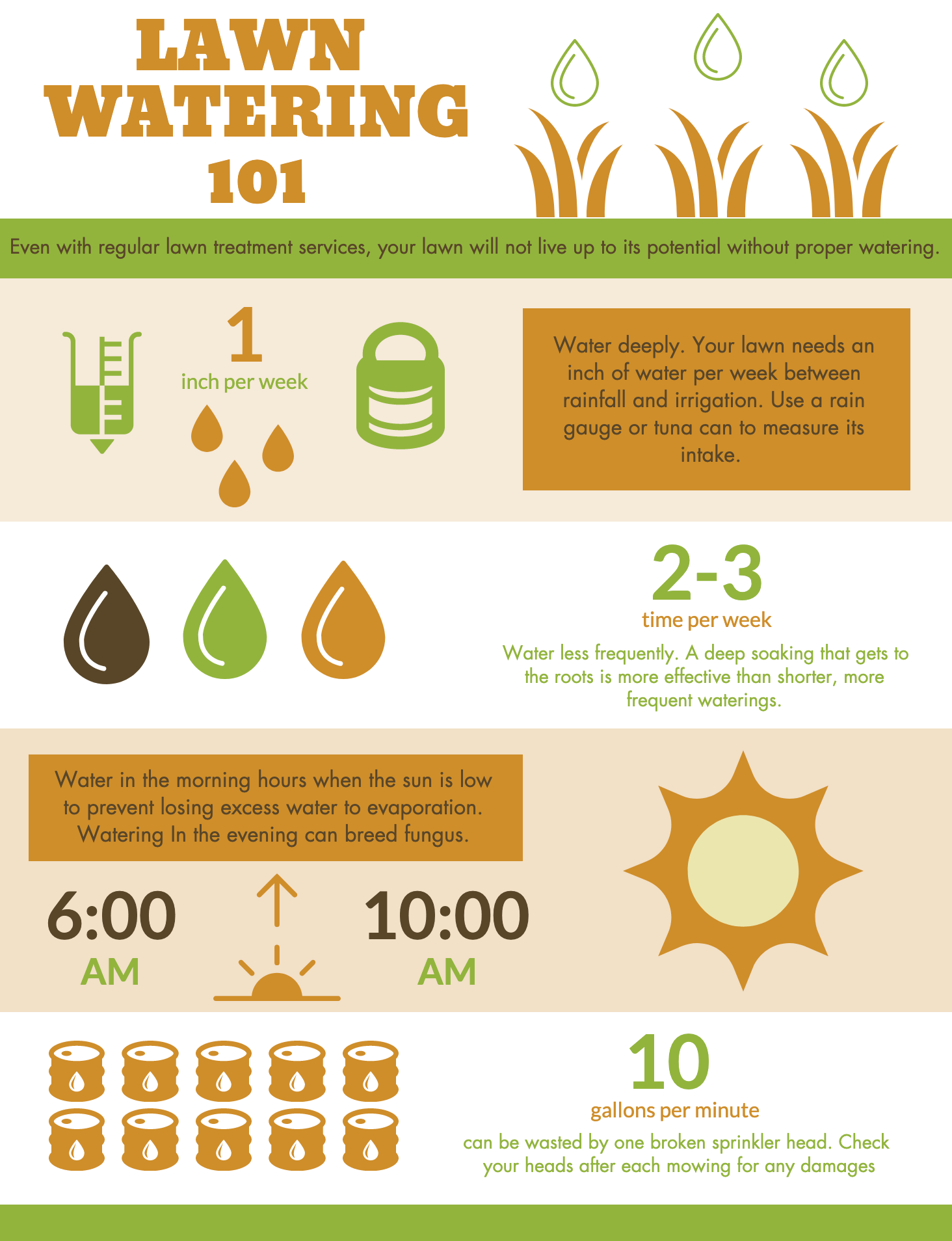
Water Bermuda grass early in the morning. Between 6 a.m. and 10 a.m. is ideal. The grass absorbs water well before heat causes evaporation. Avoid watering in the afternoon or evening. Wet grass at night can lead to fungus and disease.
Watering Depth And Frequency
Water deeply to encourage strong roots. Aim for about 1 inch of water each week. Water less often but longer each time. This helps roots grow deeper into the soil. Shallow watering causes weak roots and dry patches. Adjust watering based on weather and soil type.
Factors Affecting Watering Frequency
Watering Bermuda grass is not a one-size-fits-all task. The right watering frequency depends on several key factors. Understanding these factors helps keep your lawn healthy and green without wasting water. Here are the main elements that affect how often you should water Bermuda grass.
Soil Type
Soil holds water differently. Sandy soils drain quickly and need more frequent watering. Clay soils hold water longer, so they need less watering. Loamy soils balance drainage and moisture well, requiring moderate watering. Knowing your soil type helps set the best watering schedule.
Weather Conditions
Weather plays a big role in watering needs. Hot, dry weather makes grass lose moisture fast. Water more often in heat. Cooler or rainy weather reduces watering needs. Windy days also dry out soil faster, increasing watering frequency. Watch the weather to adjust watering properly.
Grass Health
Healthy Bermuda grass needs less water than stressed grass. New or damaged grass may need more frequent watering. Overwatering can harm roots and cause disease. Check the grass color and growth. Strong, green grass shows the right watering amount.

Credit: www.youtube.com
Tips For Conserving Water
Water conservation is important for keeping Bermuda grass healthy and saving water. Using less water helps the environment and reduces your water bill. Simple steps can make a big difference in how much water your lawn needs.
Irrigation Systems
Choose irrigation systems that deliver water directly to the grass roots. Drip irrigation and soaker hoses reduce water waste. Timers help water your lawn early in the morning to avoid evaporation. Check your system for leaks and fix them quickly. Adjust sprinklers to avoid watering sidewalks or driveways.
Mulching Practices
Mulch keeps soil moist by reducing evaporation. Apply a thin layer of organic mulch around your grass edges. Mulching also controls weeds that steal water from your Bermuda grass. It improves soil quality and helps roots stay cool. Use grass clippings as mulch to recycle nutrients and save water.
Credit: www.gilbertaz.gov
Frequently Asked Questions
How Often Should I Water Bermuda Grass In Summer?
Water Bermuda grass deeply 2-3 times per week during summer. This encourages strong roots and helps withstand heat stress. Early morning watering reduces evaporation and fungal risks.
Can I Water Bermuda Grass Daily For Best Results?
Daily watering is not recommended as it promotes shallow roots and disease. Water deeply but less frequently to keep grass healthy and drought-resistant.
What Is The Ideal Watering Time For Bermuda Grass?
Water Bermuda grass early morning, between 6 AM and 10 AM. This timing reduces water loss and allows grass blades to dry, preventing fungus and mold growth.
How Much Water Does Bermuda Grass Need Weekly?
Bermuda grass typically needs 1 to 1. 25 inches of water weekly. Adjust based on rainfall and soil type to avoid overwatering or drought stress.
Conclusion
Bermuda grass needs regular watering to stay green and healthy. Water deeply but not too often to help roots grow strong. Morning watering works best to avoid water loss. Adjust watering based on weather and soil type. Watch for signs of dryness or overwatering.
Healthy Bermuda grass makes your yard look great all year. Keep watering smart, and your lawn will thank you. Simple care brings big rewards.
