

Are you curious about how tall Bermuda grass can grow in your lawn? Knowing its height can help you keep your yard looking neat and healthy.
Whether you want to mow less often or plan the perfect landscape, understanding Bermuda grass growth is key. You’ll discover exactly how tall this popular grass can get and simple tips to manage it easily. Keep reading to take control of your lawn like a pro!
Bermuda Grass Height Range
Bermuda grass is a popular choice for many outdoor spaces. Its height can change depending on how it is cared for and where it grows. Knowing the typical height range helps you keep your lawn or field healthy and looking good.
The height of Bermuda grass varies. It can grow quite short for neat lawns or taller in sports fields. Some types of Bermuda grass grow differently too. Understanding these differences helps in managing its growth properly.
Typical Growth In Lawns
In home lawns, Bermuda grass usually grows between 1 to 2 inches tall. Regular mowing keeps it at this height. This makes the lawn look tidy and dense. It also helps stop weeds from growing.
Growth In Sports Fields
Sports fields often let Bermuda grass grow taller. It can reach 1.5 to 3 inches. Taller grass protects the soil during heavy play. It also cushions athletes when they fall. Groundskeepers mow less often to keep this height.
Variations By Species
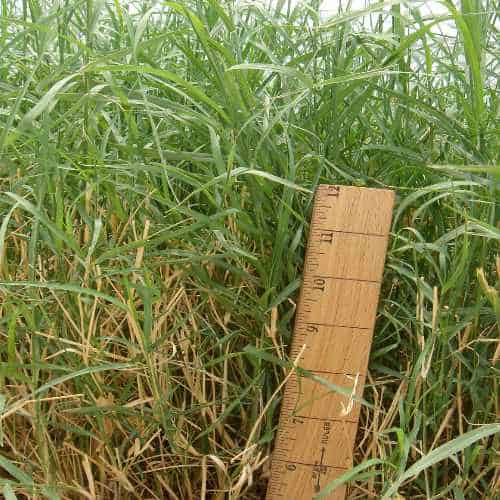
Different species of Bermuda grass show different heights. Hybrid types may grow shorter and denser. Common Bermuda grass can grow taller and spread fast. Choosing the right species depends on your needs and climate.
Credit: www.dkseeds.com
Factors Influencing Growth
Bermuda grass growth depends on several key factors. These elements affect how tall and healthy the grass can become. Understanding these factors helps you care for your lawn better. It also ensures the grass grows to its full potential.
Soil Quality And Nutrients
Good soil is the base for healthy Bermuda grass. The soil must have enough nutrients like nitrogen, phosphorus, and potassium. These nutrients help the grass grow strong and green. Sandy or loamy soil is best because it drains well. Poor soil can stunt growth and make the grass weak.
Sunlight And Temperature
Bermuda grass loves sunlight. It needs at least six to eight hours of direct sun daily. Warm temperatures between 75°F and 95°F help it grow fast. Cold weather slows growth and can cause the grass to go dormant. Shade or low temperatures reduce how tall Bermuda grass can grow.
Watering And Moisture Levels
Water is vital for Bermuda grass growth. The grass needs regular watering, especially during dry periods. Too little water makes the grass dry and short. Too much water can cause root problems and slow growth. Maintaining balanced moisture helps Bermuda grass grow tall and healthy.
Growth Stages Of Bermuda Grass
Bermuda grass grows through distinct stages. Each stage affects its height and appearance. Understanding these stages helps maintain a healthy lawn. Let’s explore how Bermuda grass grows from seed to maturity.
Germination And Early Growth
Bermuda grass starts with tiny seeds. They sprout in about 7 to 14 days. Early growth shows thin, green shoots. The grass remains short and fragile at this point. Water and warmth help seeds grow fast. This stage needs careful care to avoid drying out.
Mature Height Development
As Bermuda grass matures, it grows taller quickly. It can reach heights of 6 to 12 inches if not cut. Regular mowing keeps the height between 1 to 2 inches. The grass spreads with runners called stolons and rhizomes. These help fill bare spots and thicken the lawn.
Dormant Periods
Bermuda grass enters dormancy in cold weather. It turns brown and stops growing. This period usually lasts from late fall to early spring. The grass conserves energy during this time. Dormancy helps the grass survive frost and freezing temperatures.
Mowing And Height Management
Mowing and height management play a key role in keeping Bermuda grass healthy. Cutting the grass at the right height helps it grow strong and look neat. Proper mowing also prevents weeds and disease. Understanding how tall Bermuda grass grows guides your mowing schedule and tools choice.
Recommended Mowing Heights
Bermuda grass grows best when mowed between 1 and 2 inches. Cutting it shorter than 1 inch can stress the grass. Taller than 2 inches makes the lawn look messy and can hide pests. Keeping the grass at the right height helps it stay green and thick.
Impact Of Mowing Frequency
Mow Bermuda grass often to keep it healthy. During the growing season, mowing every 5 to 7 days works well. Cutting too rarely lets the grass get too tall and weak. Frequent mowing encourages new growth and stops weeds from taking over.
Tools For Proper Cutting
Use sharp mower blades for clean cuts. Dull blades tear the grass and cause damage. A reel mower or rotary mower both work well for Bermuda grass. Adjust the mower height to keep the grass at the right level. Clean the mower after use to keep it in good shape.
Improving Bermuda Grass Growth
Bermuda grass grows best with care and attention. Improving its growth needs simple steps. These steps help the grass stay green and healthy. Proper care leads to thick, lush grass that covers your lawn well. Follow these tips to improve Bermuda grass growth easily.
Fertilization Tips
Fertilize Bermuda grass to help it grow strong. Use a balanced fertilizer with nitrogen, phosphorus, and potassium. Apply fertilizer in spring and summer when the grass grows fast. Avoid over-fertilizing to prevent damage. Spread fertilizer evenly for the best results. Water the lawn after fertilizing to help nutrients absorb.
Irrigation Best Practices
Bermuda grass needs regular watering, but not too much. Water deeply and less often to encourage deep roots. Early morning is the best time to water. Avoid watering in the evening to stop diseases. Check soil moisture before watering again. Proper irrigation keeps grass healthy and green.
Pest And Weed Control
Watch for pests that harm Bermuda grass. Use safe pest control methods to protect your lawn. Remove weeds quickly before they spread. Hand-pull small weeds or use herbicides carefully. Keep grass thick to block weed growth. Healthy grass resists pests and weeds better.

Credit: www.reddit.com
Common Growth Problems
Bermuda grass is popular for lawns and sports fields because it grows fast and looks green. Yet, it can face some common problems that affect its height and health. Knowing these problems helps keep Bermuda grass strong and tall.
Overgrowth Issues
Bermuda grass can grow too tall if not cut often. Overgrowth makes the grass weak and less green. Tall grass blocks sunlight from reaching lower leaves. This slows down growth and makes the lawn patchy. Regular mowing keeps the grass healthy and at the right height.
Thinning And Bare Spots
Thin Bermuda grass shows signs of stress. Bare spots happen when grass dies in some areas. Thin grass grows slower and stays short. Bare spots let weeds grow, which hurts the grass further. Proper watering and fertilizing help fill thin areas fast.
Disease Effects On Height
Diseases can stop Bermuda grass from growing tall. Fungi and pests attack the roots and blades. Sick grass looks yellow or brown and grows unevenly. Disease lowers the grass height and strength. Early treatment can save the lawn and keep it growing well.
:max_bytes(150000):strip_icc()/GettyImages-1257704064-bc64303b209d440da1660384b6cb60a8.jpg)
Credit: www.thespruce.com
Frequently Asked Questions
How Tall Does Bermuda Grass Typically Grow?
Bermuda grass usually grows between 6 to 18 inches tall. Its height depends on the variety and maintenance. Regular mowing keeps it shorter and healthy.
Can Bermuda Grass Grow Taller Than 18 Inches?
Yes, Bermuda grass can grow taller than 18 inches if left unmowed. However, it is often maintained below this height for turf quality and usability.
What Affects The Height Of Bermuda Grass?
Soil quality, water, sunlight, and mowing frequency affect Bermuda grass height. Proper care ensures optimal growth and prevents excessive height.
How Often Should Bermuda Grass Be Mowed?
Bermuda grass should be mowed every 5 to 7 days during peak growth. This keeps the grass at a healthy height and promotes dense turf.
Conclusion
Bermuda grass usually grows between 6 to 18 inches tall. It stays shorter with regular mowing. Letting it grow longer can help it stay green and strong. This grass adapts well to warm climates. Knowing its height helps you care for it better.
Keep your lawn neat by trimming often. Healthy Bermuda grass makes your yard look nice. Simple care keeps it thick and soft. Remember to water and fertilize as needed. Enjoy a beautiful lawn with the right attention.
