
If you want your Bermuda grass to stay lush, green, and healthy, aerating is one of the best things you can do. But how do you aerate Bermuda grass the right way?
You might be wondering if it’s really necessary or how often you should do it. You’ll discover simple, effective steps to aerate your Bermuda lawn like a pro. By the end, you’ll know exactly how to give your grass the care it needs to grow stronger and resist stress.
Keep reading to unlock the secrets to a thicker, more vibrant lawn you’ll be proud of.

Credit: cleancutlandscaping.us
Benefits Of Aerating Bermuda Grass
Aerating Bermuda grass brings many benefits to your lawn. It helps the grass grow healthy and strong. Aeration creates small holes in the soil. These holes allow air, water, and nutrients to reach the roots better. This process improves the overall condition of the lawn and makes it more vibrant and green.
Improved Soil Health
Aeration improves soil health by increasing air flow. Soil needs air to support grass roots and helpful microbes. Better soil health means stronger grass that can resist pests and diseases. It also helps break down dead grass and organic matter faster. This keeps the soil rich and fertile.
Enhanced Water Absorption
Aeration helps water soak into the soil more easily. Water reaches the roots instead of staying on the surface. This reduces water runoff and puddles. The grass gets enough moisture to stay green and grow well. It also helps during dry spells by keeping soil moist longer.
Reduced Soil Compaction
Soil compaction makes it hard for grass roots to grow deep. Heavy foot traffic and equipment can compact soil. Aeration loosens the soil and reduces compaction. This gives roots room to expand and absorb nutrients better. Less compacted soil means a healthier and thicker lawn.
Best Time To Aerate
The best time to aerate Bermuda grass depends on its growth cycle. Aeration works best during the grass’s active growing season. This timing helps the lawn recover quickly. It also improves nutrient and water absorption. Choosing the right time can make a big difference in lawn health.
Seasonal Considerations
Bermuda grass grows actively in warm months. Aerate in late spring or early summer. This period supports fast healing of the grass. Avoid aerating in cold or dormant times. Fall or winter aeration can stress the grass. Keep soil moist but not wet before aeration. Dry soil makes the process harder and less effective.
Signs Your Lawn Needs Aeration
Look for compacted soil that is hard to dig. Water puddles or runs off quickly after rain. Grass looks thin or patchy in some areas. Lawn traffic areas feel firm underfoot. Grass roots are shallow and weak. These signs show your Bermuda grass needs aeration soon. Aerating will help the soil breathe and grow stronger roots.
Types Of Aeration Tools
Aerating Bermuda grass helps improve soil health and lawn growth. Choosing the right tool makes a big difference. Different tools work best for different lawn sizes and soil types. Some tools remove small plugs of soil, while others poke holes without removing soil. Understanding these tools helps you pick the best one for your lawn.
Core Aerators
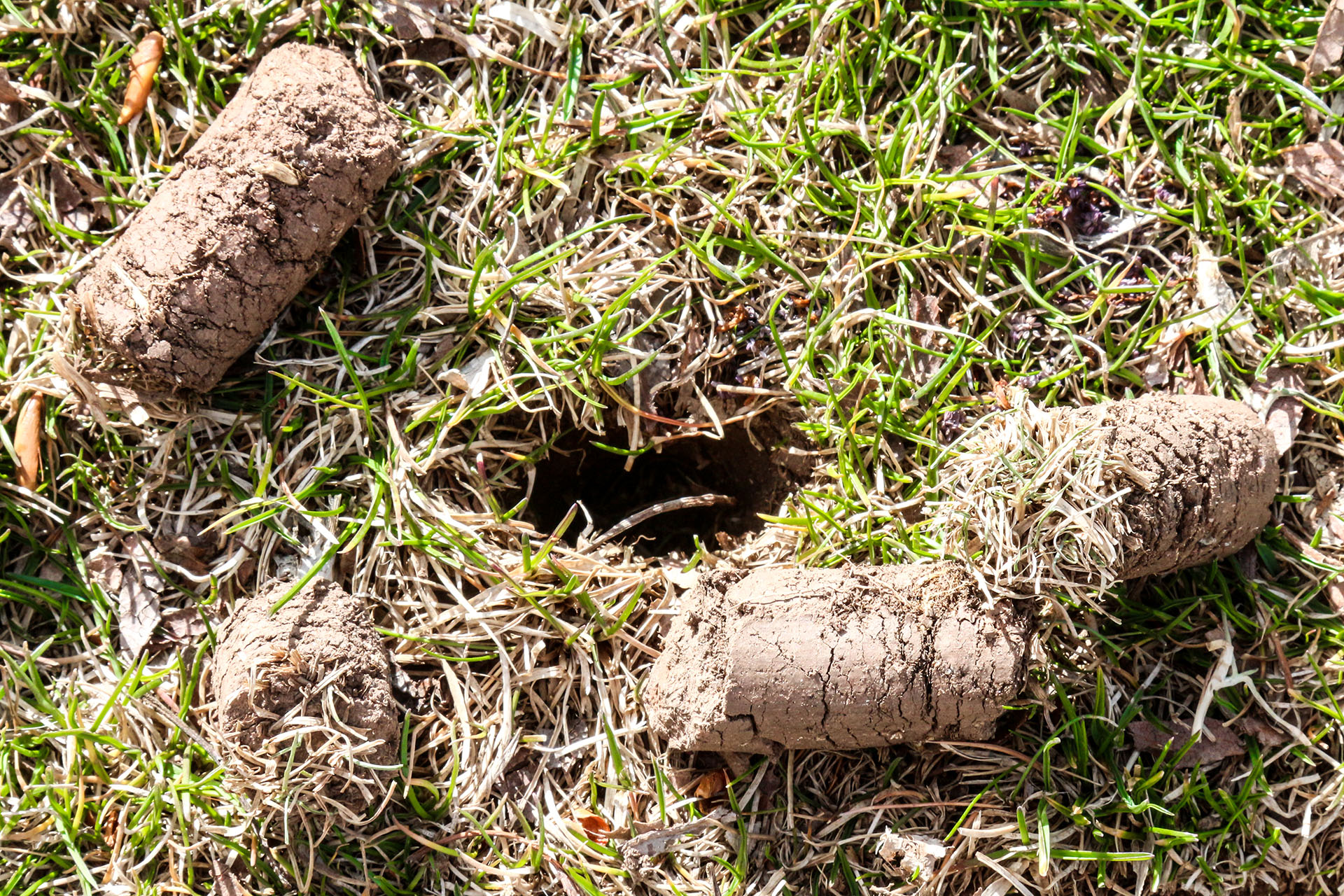
Core aerators pull small plugs of soil and grass from the lawn. This creates space for air, water, and nutrients to reach the roots. They work well on compacted soils. Core aerators are popular for Bermuda grass because they reduce soil compaction effectively. They often have hollow tines that remove plugs. This tool improves root growth and lawn health over time.
Spike Aerators
Spike aerators poke holes into the soil without removing any plugs. They use solid spikes to create holes. These tools are simpler and faster but less effective on very hard soil. Spike aerators help water and nutrients reach deeper layers. They are good for lawns with light compaction. Using spike aerators regularly can keep Bermuda grass healthy.
Manual Vs. Powered Options
Manual aerators require physical effort to operate. They are best for small lawns or spot treatments. Manual tools are affordable and easy to store. Powered aerators use engines to make aeration faster and easier. They are suitable for large lawns or heavy soil. Powered tools come as walk-behind or ride-on models. Choose based on lawn size, budget, and your strength.
Credit: theturfgrassgroup.com
Step-by-step Aeration Process
Aerating Bermuda grass helps the lawn breathe and grow healthy roots. The process creates small holes in the soil to allow air, water, and nutrients to reach the roots. Follow this step-by-step guide to aerate your Bermuda grass effectively.
Preparing The Lawn
Start by mowing your Bermuda grass short. Remove any debris like sticks, leaves, or stones. Water the lawn a day before aeration. The soil should be moist but not muddy. This makes aeration easier and more effective.
Using The Aerator
Choose a core aerator for the best results. Push or drive the aerator over the lawn in straight lines. Space the passes so holes overlap slightly. Make sure to cover the entire lawn evenly. The aerator pulls out small plugs of soil from the ground.
Post-aeration Care
Leave the soil plugs on the lawn to break down naturally. Water the lawn lightly after aeration. Avoid heavy foot traffic for a few days. Apply fertilizer to help grass recover and grow stronger. Keep watering regularly to support new root growth.
Common Mistakes To Avoid
Aerating Bermuda grass helps keep your lawn healthy and green. Avoiding common mistakes during aeration saves time and effort. These errors can damage your grass and soil. Knowing what to avoid ensures better results. Read on to learn the most common mistakes to avoid.
Aerating Too Often
Aerating Bermuda grass too often can harm it. The grass needs time to recover between aerations. Aerate no more than once a year. Over-aerating can weaken grass roots. It can also cause soil damage and stress the lawn.
Ignoring Soil Conditions
Soil condition matters before aerating. Aerating dry or very wet soil can cause problems. Dry soil may not aerate properly. Wet soil can get compacted more. Test soil moisture first. Aerate when soil is slightly moist for best results.
Improper Tool Usage
Using the wrong tools can hurt your lawn. Manual aerators work well for small yards. Larger areas need machine aerators for even coverage. Avoid using spike aerators on compacted soil. They can make soil more compacted. Use core aerators to remove plugs of soil instead.

Credit: sodsolutions.com
Additional Lawn Care Tips
Aerating Bermuda grass helps improve soil health and root growth. After aeration, proper lawn care supports strong grass and a green lawn. Follow these tips to keep your Bermuda grass healthy and lush.
Fertilizing After Aeration
Fertilizing after aeration boosts nutrient absorption. Choose a fertilizer with nitrogen for Bermuda grass. Apply it evenly across the lawn. Avoid over-fertilizing to prevent burning the grass. Fertilizer helps grass recover and grow thicker.
Watering Strategies
Water the lawn deeply after aeration. Deep watering reaches the roots and encourages growth. Water early in the morning to reduce evaporation. Avoid watering too often to prevent disease. Keep soil moist but not soggy.
Mowing Best Practices
Wait a few days after aeration before mowing. Keep mower blades sharp for clean cuts. Set mower height between 1 to 2 inches for Bermuda grass. Mow regularly but do not cut more than one-third of the grass blade. Proper mowing promotes healthy grass and stops stress.
Frequently Asked Questions
What Is The Best Time To Aerate Bermuda Grass?
The best time to aerate Bermuda grass is late spring to early summer. This period promotes quick recovery and optimal growth.
How Often Should I Aerate Bermuda Grass Lawn?
Aerate Bermuda grass once every year or two. Regular aeration improves soil health and prevents compaction.
What Tools Do I Need To Aerate Bermuda Grass?
Use a core aerator or spike aerator for Bermuda grass. Core aerators remove soil plugs, enhancing root growth and water absorption.
Can I Aerate Bermuda Grass Myself?
Yes, you can aerate Bermuda grass yourself using a manual or powered aerator. Proper technique ensures effective soil aeration and lawn health.
Conclusion
Aerating Bermuda grass helps soil breathe and grow strong roots. It allows water, air, and nutrients to reach deep underground. This process reduces soil compaction and makes your lawn healthier. Regular aeration keeps your grass green and thick all year.
Simple steps and the right tools make aerating easy. Keep your Bermuda grass fresh by aerating at least once a year. Healthy soil means a vibrant lawn that you can enjoy. Give your grass the care it needs to thrive.
