
Are you struggling to keep your Bermuda grass looking lush and green in Georgia’s heat? You’re not alone.
Bermuda grass is tough, but it still needs the right care to thrive in our unique climate. If you want a lawn that stands out in your neighborhood and stays healthy all year, you need to know the secrets of proper watering, mowing, and fertilizing.
Keep reading, and you’ll discover simple tips that make a big difference for your Bermuda grass—no matter your experience level. Your perfect lawn is closer than you think!
Credit: www.howtowithdoc.com
Choosing Bermuda Grass Varieties
Choosing the right Bermuda grass variety is key to a healthy lawn in Georgia. The climate here is warm and humid, which suits some varieties better than others. Picking the best type helps your lawn stay green and strong through the seasons. It also affects how much care and water your grass needs. Understanding seed and sod options makes the process clearer. This section helps you find the best Bermuda grass for your yard.
Best Varieties For Georgia Climate
Bermuda grass grows well in Georgia’s hot summers and mild winters. Common varieties include Common Bermuda, Tifway 419, and Celebration. Common Bermuda is tough and grows fast. It works well for lawns with foot traffic. Tifway 419 is a hybrid. It has a fine texture and a rich green color. This variety resists disease better than Common Bermuda. Celebration is dark green and very drought tolerant. It stays green longer in dry weather. Choosing any of these helps your lawn thrive in Georgia’s climate.
Seed Vs. Sod Options
Seeding Bermuda grass is cheaper. It takes longer to grow a full lawn. Seeds need good soil and regular watering. Sod gives instant green grass. It is more expensive than seed. Sod works well for quick lawn repair or new lawns. It also helps stop soil erosion fast. Both options work well in Georgia. Choose seed for budget-friendly planting. Pick sod for fast results and instant coverage.
Soil Preparation And Testing
Preparing soil properly helps Bermuda grass grow strong in Georgia’s climate. Testing the soil first shows what it needs. Knowing the soil’s condition helps you fix problems early. This step saves time and effort later. Healthy soil means a lush, green lawn.
Soil Ph And Nutrient Levels
Check soil pH to keep Bermuda grass healthy. The ideal pH is between 5.8 and 7.0. If the pH is too low, the soil is acidic. Too high means it is alkaline. Both can stop the grass from absorbing nutrients well.
Test for key nutrients like nitrogen, phosphorus, and potassium. These are vital for growth and color. Use a soil test kit or send a sample to a lab. Follow test results to add the right fertilizers. Avoid guessing. Too much fertilizer can harm your lawn.
Improving Soil Drainage
Good drainage prevents water from pooling around Bermuda grass roots. Standing water can cause root rot and disease. Check if water stays on the surface after rain. If yes, the soil needs better drainage.
Mix organic matter like compost or peat moss into heavy clay soils. This helps water move through the soil more easily. Avoid compacting the soil by limiting heavy foot traffic. Aerate the soil to open up spaces for air and water. Well-drained soil encourages deep root growth and a strong lawn.
Planting Bermuda Grass
Bermuda grass thrives in warm climates like Georgia. Planting it correctly ensures a healthy, green lawn. Start with good soil and proper care. Understanding the best time and method to plant helps your grass grow strong and lush.
Optimal Planting Times
Plant Bermuda grass in late spring or early summer. Soil temperatures should be above 65°F. This warmth helps seeds and sod to root quickly. Avoid planting in cold weather. It slows growth and weakens the grass. The best months are May through July in Georgia.
Seeding And Sodding Techniques
For seeding, prepare the soil by removing debris and loosening the top layer. Spread seeds evenly at about 1 to 2 pounds per 1,000 square feet. Lightly rake the soil to cover seeds. Keep the soil moist until grass sprouts.
Sodding offers quicker results. Lay sod pieces tightly without gaps. Press down to remove air pockets. Water immediately after laying sod. Maintain moisture for the first few weeks. Both methods need regular watering and sunlight.

Credit: www.bermudalawnguide.com
Watering Practices
Proper watering is key to keeping Bermuda grass healthy in Georgia’s warm climate. Water helps grass grow strong roots and stay green. Knowing how often and how much to water prevents problems.
Irrigation Frequency
Bermuda grass needs about 1 to 1.25 inches of water each week. This amount includes rain and irrigation. Water deeply once or twice a week instead of daily. Deep watering encourages roots to grow down, making grass more drought-resistant.
Early morning is the best time to water. It reduces evaporation and helps grass absorb water better. Avoid watering late in the day to prevent fungal diseases.
Avoiding Overwatering
Too much water can harm Bermuda grass. It causes shallow roots and increases disease risk. Watch for soggy soil or puddles after watering. These signs mean you should reduce watering.
Use a rain gauge or soil moisture sensor to check soil wetness. Stop watering if the soil is still moist. Proper watering keeps grass healthy and saves water too.
Fertilizing Schedule
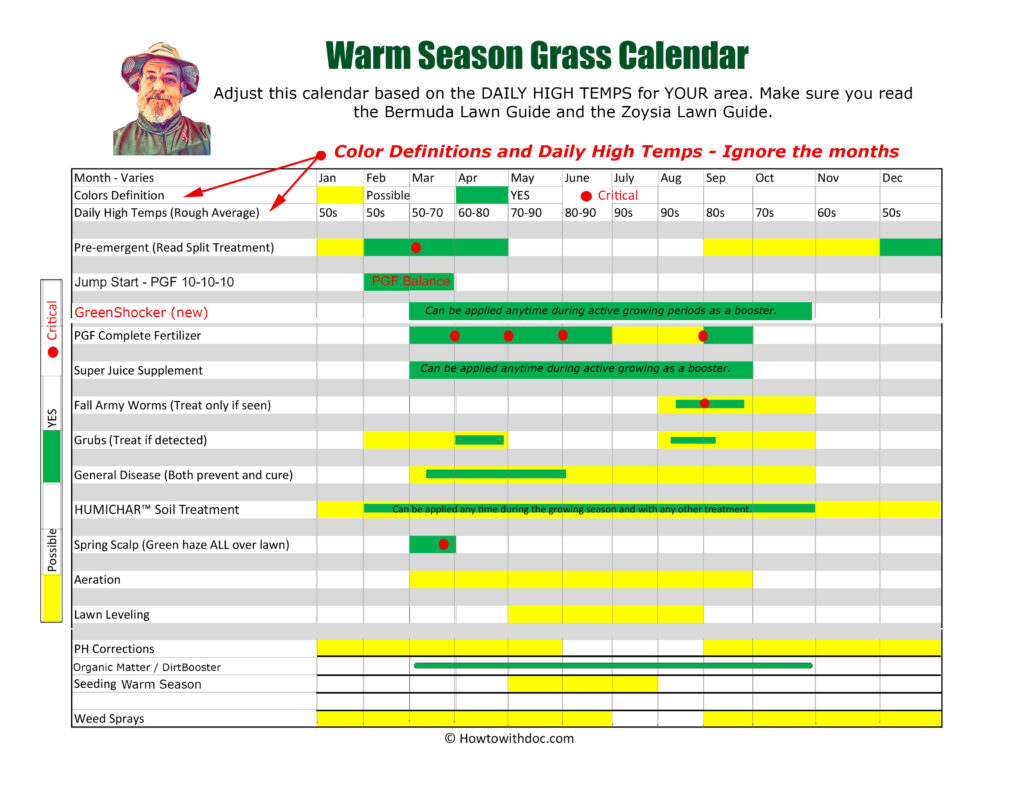
Fertilizing Bermuda grass in Georgia is key to keeping it green and healthy. A good fertilizing schedule helps your lawn grow thick and resist weeds. Understanding the right fertilizer and when to apply it will make a big difference. Follow simple steps for best results.
Choosing The Right Fertilizer
Pick a fertilizer with a balanced mix of nitrogen, phosphorus, and potassium. Nitrogen helps the grass grow green and strong. Phosphorus supports root development. Potassium improves drought and disease resistance. Look for a fertilizer labeled for Bermuda grass or warm-season grasses. Slow-release fertilizers feed the grass over time and reduce risk of burning.
Timing And Application Tips
Start fertilizing in spring when grass begins to grow. Apply fertilizer every 6 to 8 weeks during the growing season. Stop fertilizing by late summer to help grass prepare for winter. Water the lawn after applying fertilizer to help it soak in. Spread fertilizer evenly to avoid patches. Avoid fertilizing when the grass is dry or stressed from heat.
Mowing Guidelines
Mowing Bermuda grass correctly keeps your lawn healthy and green. Cutting the grass at the right height helps it grow thick and strong. Proper mowing also reduces weeds and disease risks. Follow these mowing guidelines to care for Bermuda grass in Georgia.
Ideal Mowing Height
Keep Bermuda grass between 1 and 2 inches tall. Mowing too short can stress the grass. Taller grass shades the soil, keeping it moist. Cut no more than one-third of the grass blade at once. This avoids cutting too deep and hurting the roots.
Mower Maintenance Tips
Use a sharp blade for clean cuts. Dull blades tear the grass, causing brown tips. Clean the mower deck after each use. Remove grass clippings and dirt to prevent rust. Check the blade for damage regularly. Proper mower care keeps your lawn looking its best.
Weed And Pest Control
Controlling weeds and pests is key to keeping Bermuda grass healthy in Georgia. Weeds steal nutrients and water from your lawn. Pests damage grass blades and roots. Both reduce your lawn’s growth and appearance. Effective weed and pest control improves Bermuda grass vigor and color. It also helps your lawn resist stress from heat and drought. Understanding common weeds and safe pest management helps protect your grass.
Common Weeds In Georgia
Bermuda grass faces several common weeds in Georgia. Crabgrass spreads quickly in warm months. Nutsedge grows fast and looks like grass but is tougher to kill. Dandelions have bright yellow flowers and deep roots. Clover forms green patches that compete with Bermuda grass. These weeds reduce the beauty of your lawn. They also take water and nutrients from Bermuda grass. Regular weeding and proper lawn care keep these invaders under control.
Safe Pest Management
Many insects can harm Bermuda grass in Georgia. Grubs eat grass roots, causing dead patches. Chinch bugs suck sap, making grass turn yellow. Use pest control methods that protect your lawn and environment. Choose insecticides labeled safe for Bermuda grass. Apply them carefully following instructions. Natural predators like ladybugs help control harmful bugs. Keep your lawn healthy to resist pest damage. Healthy grass recovers faster from insect attacks.
Dealing With Common Problems
Taking care of Bermuda grass in Georgia means facing some common problems. These issues can harm your lawn’s health and look. Knowing how to handle them keeps your grass green and strong. Below are two frequent challenges and ways to fix them.
Thatch And Soil Compaction
Thatch is a thick layer of dead grass and roots. It stops water, air, and nutrients from reaching the soil. This weakens your Bermuda grass. To fix this, use a dethatcher or rake to remove thatch. Do this in early spring or fall.
Soil compaction means the soil is packed hard. Roots cannot grow well in hard soil. Aerate your lawn by making small holes in the soil. This lets air and water reach roots easily. Aerate in spring or fall for best results.
Drought And Heat Stress
Georgia summers can be hot and dry. Bermuda grass may dry out and turn brown. Water your lawn deeply but less often. This helps roots grow strong. Early morning watering reduces water loss.
Heat stress can make your grass thin and weak. Mow your lawn at a higher setting to shade roots. Avoid heavy foot traffic on hot days. Give your Bermuda grass time to recover after heat.
Seasonal Lawn Care
Seasonal lawn care is key to keeping Bermuda grass healthy in Georgia. Each season needs specific actions to support growth and prevent damage. Following the right steps helps your lawn stay green and strong throughout the year.
Spring And Summer Tips
Start spring by removing debris and dead grass. This clears the way for new growth. Mow regularly but keep blades high to protect roots. Water deeply once or twice a week to reach roots. Apply a nitrogen-rich fertilizer to boost growth. Watch for weeds and treat them early to stop spread. Aerate soil if it feels compacted to improve air flow. Summer heat can stress Bermuda grass, so increase watering during dry spells. Avoid mowing too short to prevent sun damage.
Fall And Winter Preparation
Reduce watering as temperatures drop. Bermuda grass grows slower and needs less water. Apply a balanced fertilizer to help roots store nutrients. Cut grass shorter than in summer but not too short. Remove fallen leaves to avoid mold and pests. Aerate the lawn to reduce soil compaction before winter. Stop fertilizing late in fall to allow grass to rest. Cover bare spots with mulch or grass seed to protect soil. These steps prepare your Bermuda grass for winter dormancy and spring revival.
Credit: liquidlawn.com
Frequently Asked Questions
How Often Should I Water Bermuda Grass In Georgia?
Water Bermuda grass deeply once or twice a week. Early morning watering reduces evaporation. Adjust frequency during rainy or dry seasons.
When Is The Best Time To Fertilize Bermuda Grass?
Fertilize Bermuda grass in Georgia during late spring and summer. Use a nitrogen-rich fertilizer for healthy growth. Avoid fertilizing in winter.
How Do I Control Weeds In Bermuda Grass Lawns?
Apply pre-emergent herbicides in early spring to prevent weeds. Use post-emergent herbicides for existing weeds. Maintain healthy grass to naturally resist weeds.
What Mowing Height Is Ideal For Bermuda Grass?
Mow Bermuda grass to 1 to 2 inches high. Regular mowing encourages dense growth and prevents weed invasion. Avoid cutting more than one-third of blade length.
Conclusion
Caring for Bermuda grass in Georgia takes regular attention and simple steps. Water deeply but not too often to keep roots strong. Mow your lawn at the right height to help grass grow thick and green. Use fertilizer in spring and summer for best results.
Watch for weeds and pests to keep your lawn healthy. With steady care, your Bermuda grass will thrive in Georgia’s warm climate. A beautiful lawn is possible with just a little effort each week. Keep these tips in mind and enjoy a lush, green yard all year.
