
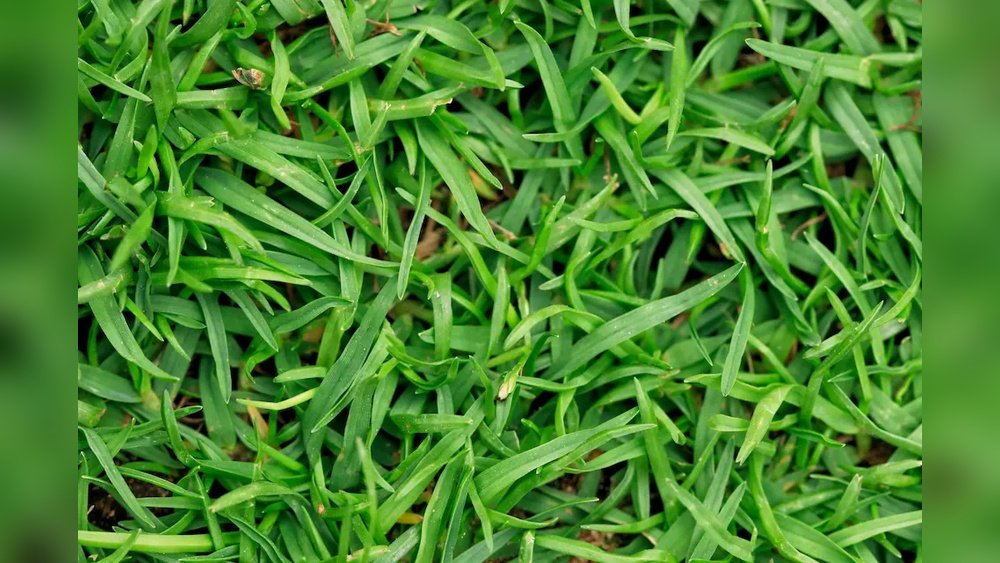
If you have Bermuda grass in South Carolina, you know how vibrant and lush it can look when cared for right. But keeping it healthy isn’t always simple.
You might be wondering how to handle the heat, drought, or even the occasional heavy rain without your grass losing its charm. This guide will show you exactly what steps to take to keep your Bermuda grass green, thick, and strong all year long.
Stick with me, and you’ll learn easy, practical tips that make a real difference—so your lawn becomes the envy of the neighborhood.
Climate And Soil Needs
Bermuda grass thrives best under specific climate and soil conditions. Understanding these needs helps your lawn grow thick and green in South Carolina. The state’s warm climate suits Bermuda grass well, but soil preparation is key. Proper care ensures strong roots and healthy blades.
Ideal Temperature Range
Bermuda grass prefers warm weather for growth. The best temperature range is between 75°F and 95°F. It grows slowly below 60°F and may go dormant if temperatures drop too low. South Carolina’s hot summers provide ideal warmth for this grass. During cooler months, growth slows but returns as temperatures rise.
Soil Type And Ph
This grass grows well in sandy or loamy soils. These soil types drain water quickly and prevent root rot. The soil pH should be between 5.8 and 7.0 for optimal growth. Acidic or alkaline soils make it harder for Bermuda grass to absorb nutrients. Testing soil pH helps you adjust it correctly.
Preparing The Ground
Clear the area of weeds and debris before planting. Loosen the soil to a depth of 4 to 6 inches. Adding organic matter improves soil texture and fertility. Level the ground to avoid water pooling in low spots. Good preparation sets the stage for a healthy Bermuda grass lawn.
Planting Bermuda Grass
Planting Bermuda grass in South Carolina requires careful timing and the right method. This grass thrives in warm climates and needs proper care from the start. Understanding the best time to plant, choosing between seeds or sod, and knowing how to water initially will help your lawn grow healthy and green.
Best Planting Times
Plant Bermuda grass during late spring to early summer. Soil temperatures should reach at least 65°F for good germination. Warmer soil helps seeds sprout quickly and sod to root well. Avoid planting in cooler months to prevent slow growth.
Seeding Vs. Sod
Seeding is less expensive but takes longer to establish. Sod gives an instant green lawn but costs more. Choose seeds for large areas and sod for quick results. Both need proper soil preparation before planting.
Initial Watering Tips
Water new Bermuda grass lightly but often. Keep the soil moist for the first two weeks. Avoid soaking the ground to prevent disease. After roots develop, reduce watering frequency but increase depth.
Watering Practices
Proper watering is key to keeping Bermuda grass healthy in South Carolina. Water helps the grass grow strong roots and stay green through hot months. Too little water makes the grass dry and brown. Too much water can cause root problems and disease. Follow good watering practices to maintain a lush lawn.
Optimal Watering Schedule
Water Bermuda grass early in the morning. This reduces water loss from evaporation. Aim to water 1 to 1.5 inches per week. Split this into two or three sessions. Water deeply to encourage deep root growth. Avoid shallow watering that only wets the surface.
Signs Of Overwatering
Yellowing grass blades can mean too much water. Soft or muddy soil is another sign. Puddles or standing water should never stay long. Overwatering can cause fungal growth and weak roots. Adjust watering if these signs appear.
Drought Management
During dry spells, increase watering slightly. Check soil moisture before watering again. Let soil dry out a bit between waterings. Use mulch to help retain soil moisture. Avoid heavy foot traffic on dry grass to prevent damage.

Credit: lawnlove.com
Mowing Guidelines
Mowing Bermuda grass properly helps keep your lawn healthy and green in South Carolina. Cutting the grass at the right height encourages strong roots and prevents weeds. Regular mowing also improves air flow and sunlight exposure. Follow these guidelines for the best results.
Recommended Mowing Height
Set your mower to cut Bermuda grass between 1 and 2 inches tall. This height helps the grass stay thick and healthy. Avoid cutting it too short. Cutting below 1 inch can stress the grass and cause brown spots. Taller grass can invite pests and diseases.
Mower Maintenance
Keep mower blades sharp for clean cuts. Dull blades tear grass and cause damage. Check blades before each mowing session. Clean the mower deck to stop grass buildup. This helps the mower run smoothly and cuts evenly. Regular maintenance protects your lawn and equipment.
Frequency For Healthy Growth
Mow Bermuda grass about once a week during the growing season. Frequent mowing prevents the grass from getting too tall. It also helps the lawn stay dense and uniform. In cooler months, reduce mowing to every two weeks. Watch the grass and adjust mowing as needed.
Fertilizing Bermuda Grass
Fertilizing Bermuda grass helps it grow thick and green in South Carolina’s warm climate. It supplies essential nutrients that the soil may lack. Proper feeding supports strong roots and resists drought and pests.
Use fertilizer carefully to avoid burning the grass. Follow a clear plan to feed Bermuda grass at the right times. This section covers choosing the right fertilizer, the best schedule, and common mistakes to avoid.
Choosing The Right Fertilizer
Select a fertilizer with a high nitrogen content. Nitrogen helps Bermuda grass grow fast and stay green. A balanced fertilizer with nitrogen, phosphorus, and potassium also works well. Look for a product labeled for warm-season grasses. Avoid fertilizers with too much phosphorus unless a soil test shows a need.
Fertilizing Schedule
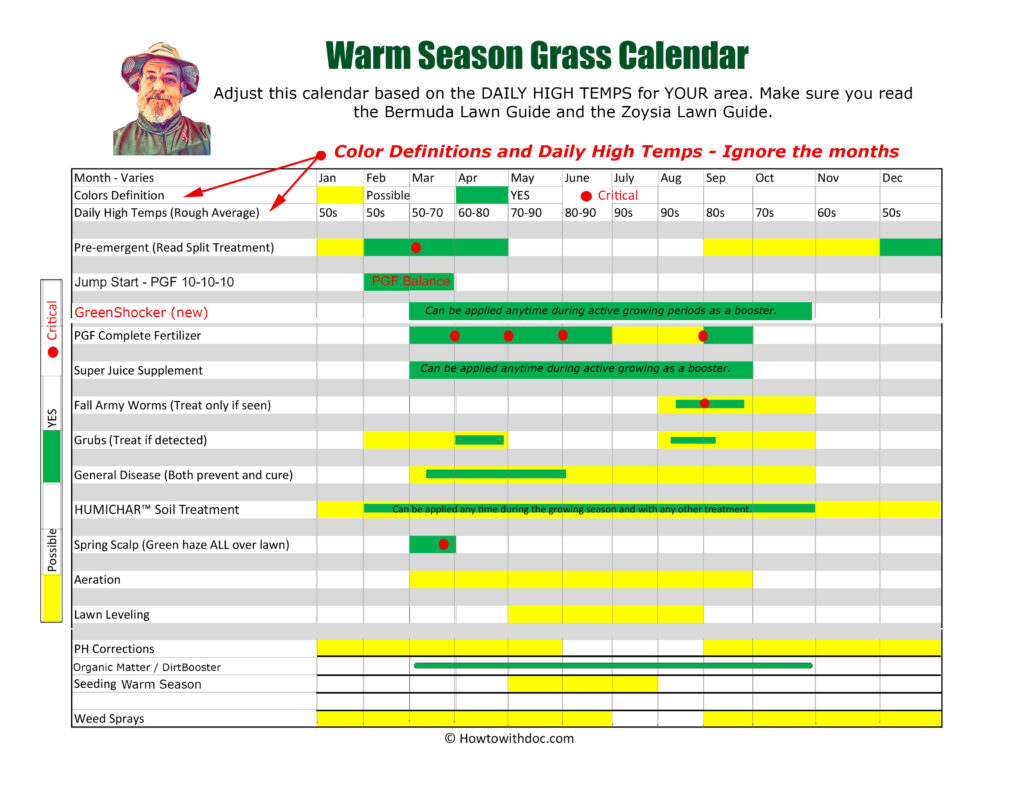
Feed Bermuda grass in late spring when it starts growing. Apply fertilizer every 6 to 8 weeks through summer. Stop fertilizing by early fall to prepare the grass for winter. Use about 1 pound of nitrogen per 1,000 square feet each time. Water the lawn after fertilizing to help nutrients soak in.
Avoiding Common Mistakes
Do not over-fertilize. It can harm the grass and pollute water. Avoid fertilizing during very hot days to prevent stress. Do not fertilize dormant grass in winter. Use a spreader to apply fertilizer evenly. Clean up any spills to protect nearby plants and water sources.
Credit: www.howtowithdoc.com
Weed And Pest Control
Keeping Bermuda grass healthy in South Carolina means controlling weeds and pests well. These problems can hurt your lawn’s growth and look. Good weed and pest control keeps your grass green and strong. Follow simple steps to protect your lawn all year.
Common Weeds In South Carolina
Several weeds grow easily in South Carolina lawns. Crabgrass, dollarweed, and clover are the usual troublemakers. These weeds compete with Bermuda grass for water and nutrients. They make your lawn look patchy and weak. Spotting weeds early helps stop them from spreading fast. Regular mowing and watering also reduce weed growth.
Safe Herbicide Use
Herbicides can remove weeds without harming your Bermuda grass. Choose products made for warm-season grasses like Bermuda. Follow the label instructions carefully for the best results. Avoid spraying on windy days to keep herbicide on the grass only. Use herbicides only when weeds are visible to avoid overuse. Always wear gloves and protective gear when handling chemicals.
Managing Insects And Diseases
Insects like chinch bugs and grubs can damage Bermuda grass roots. Diseases such as dollar spot and brown patch cause brown spots on your lawn. Regularly check your grass for signs of pests and disease. Water early in the day to keep grass dry at night, reducing disease risks. Use insecticides or fungicides only if needed and follow product guides strictly.
Seasonal Care Tips
Taking care of Bermuda grass in South Carolina requires attention to each season. Proper care helps the grass grow healthy and green. Adjusting your lawn care routine with the seasons keeps Bermuda grass strong.
Spring Preparation
Spring is the time to wake up your Bermuda grass. Start by removing dead grass and debris. Rake the lawn gently to improve air flow. Apply a balanced fertilizer to encourage growth. Water the lawn deeply but not too often. Mow the grass as it begins to grow, but keep the blades high. This helps the grass build strong roots.
Summer Maintenance
Summer heat can stress Bermuda grass. Water early in the morning to reduce evaporation. Keep the lawn about 2 to 2.5 inches tall. Avoid cutting too short, which can hurt the grass. Check for weeds and pests regularly. Use a slow-release fertilizer to feed the lawn. Aerate the soil if it becomes compacted. This helps roots get oxygen and nutrients.
Winter Dormancy Care
Bermuda grass goes dormant in winter. It turns brown but stays alive under the surface. Avoid heavy traffic on the lawn to prevent damage. Stop fertilizing after late fall. Clear fallen leaves to avoid mold and disease. Water only if the soil becomes very dry. Dormant grass needs less care but protection from stress.
Troubleshooting Lawn Issues
Troubleshooting lawn issues helps keep Bermuda grass healthy in South Carolina. Problems can harm your lawn’s look and growth. Knowing common issues and solutions makes lawn care easier. Act quickly to stop damage and help grass recover fast.
Brown Patches And Causes
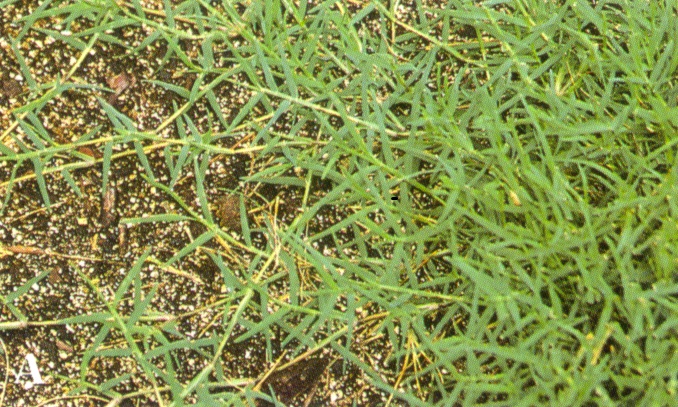
Brown patches appear from drought, pests, or diseases. Lack of water causes grass to dry and die. Insects like grubs eat roots and kill grass. Fungal diseases also cause brown spots. Check soil moisture and look for bugs or mold. Treat problems early with water, insect control, or fungicide.
Thatch And Aeration
Thatch is a layer of dead grass between soil and live grass. Too much thatch stops water and air reaching roots. Aeration punches holes in soil to reduce thatch and improve airflow. Use a lawn aerator in spring or fall. This helps roots grow strong and grass stay green.
Repairing Damaged Areas
Fix damaged spots by removing dead grass first. Loosen soil and add fresh topsoil if needed. Plant Bermuda grass seed or lay sod on bare patches. Water new grass daily until it grows well. Keep foot traffic low on repaired areas for best results.
Credit: hgic.clemson.edu
Frequently Asked Questions
How Often Should I Water Bermuda Grass In South Carolina?
Water Bermuda grass deeply once or twice a week. Adjust watering based on rainfall and temperature. Avoid overwatering to prevent disease and root rot.
When Is The Best Time To Fertilize Bermuda Grass?
Fertilize Bermuda grass in late spring and summer. Use a nitrogen-rich fertilizer every 6 to 8 weeks. Avoid fertilizing in cooler months to prevent stress.
How Do I Prevent Weeds In Bermuda Grass Lawns?
Apply pre-emergent herbicides in early spring and fall. Mow regularly to maintain a healthy height. Proper watering and fertilization also reduce weed growth.
What Is The Ideal Mowing Height For Bermuda Grass?
Keep Bermuda grass at 1 to 2 inches tall. Mowing too short stresses the grass. Regular mowing promotes thick, healthy turf and prevents weeds.
Conclusion
Caring for Bermuda grass in South Carolina takes some effort and patience. Water it deeply but not too often. Mow regularly to keep it healthy and neat. Fertilize in spring and summer for strong growth. Watch for pests and treat them quickly.
With simple steps, your lawn can stay green and lush all year. A little care goes a long way. Enjoy a beautiful yard that feels soft and looks great. Your Bermuda grass will thank you for the attention.
