
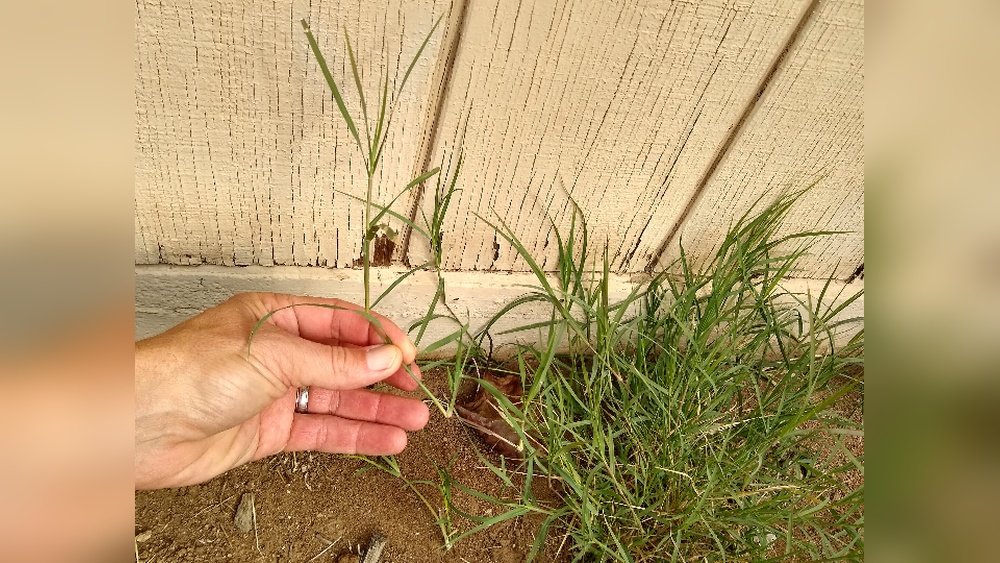
Are you tired of battling stubborn Bermuda grass that just won’t quit? You’re not alone.
This aggressive weed spreads quickly, choking out your beautiful lawn and garden plants. But don’t worry—getting rid of Bermuda grass is possible, and you can do it yourself. You’ll discover simple, effective steps to eliminate Bermuda grass for good. Keep reading, and take back control of your yard starting today.
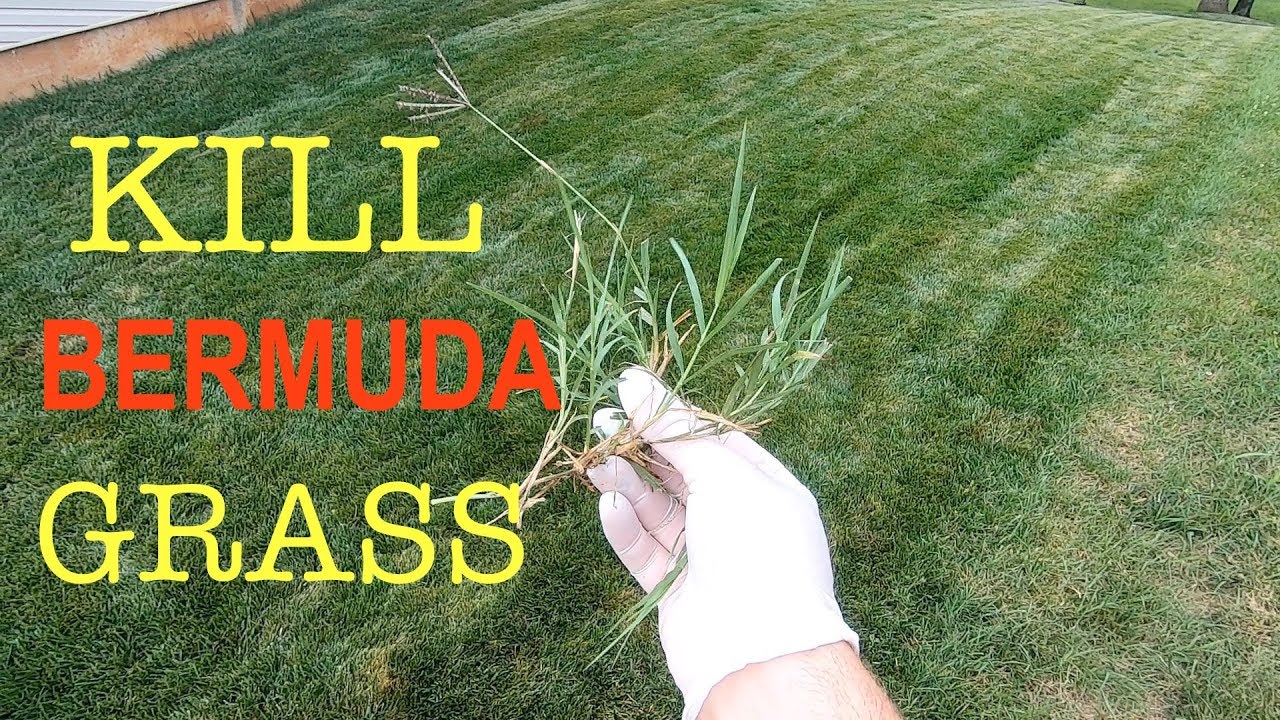
Credit: www.youtube.com
Identifying Bermuda Grass
Identifying Bermuda grass is the first step to control it effectively. This grass spreads fast and can take over lawns and gardens. Knowing how to spot it helps stop its growth early. Below are key features and common places where Bermuda grass grows.
Characteristics And Growth Patterns
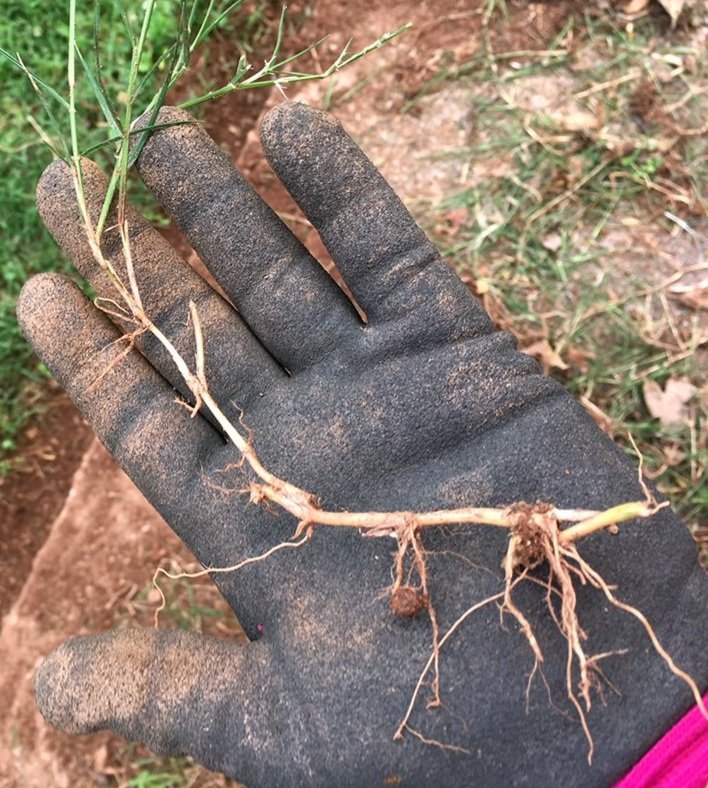
Bermuda grass has thin, green blades that feel rough. The leaves grow in a V shape and are usually 2 to 6 inches long. It spreads by above-ground runners called stolons and underground stems called rhizomes. This growth pattern helps it cover large areas quickly. It thrives in warm weather and can survive drought. It forms a dense mat that crowds out other plants.
Common Areas Of Infestation
Bermuda grass often invades lawns, sports fields, and golf courses. It also grows near sidewalks, driveways, and gardens. It can enter through soil, grass clippings, or lawn equipment. It prefers sunny spots but can survive some shade. It often appears in patches and spreads rapidly if not removed. Spotting these areas early helps keep Bermuda grass under control.
Credit: www.organicgrowersschool.org
Manual Removal Techniques
Removing Bermuda grass by hand is a simple and effective way to control its spread. Manual removal techniques focus on physically taking out the grass and stopping it from growing back. These methods require effort but are safe for your garden and environment.
Digging And Pulling Out Roots
Start by watering the area to soften the soil. Use a shovel or garden fork to dig around the grass clumps. Pull out all roots carefully. Leaving even small root pieces can cause regrowth. Check the soil deeply to remove stubborn roots. Dispose of the grass and roots properly to avoid spreading.
Using Solarization To Kill Grass
Solarization uses the sun’s heat to kill Bermuda grass. Cover the affected area with clear plastic sheets. Secure the edges with soil or stones. Leave the plastic for 4 to 6 weeks during hot months. The heat under the plastic kills grass and roots. This method is chemical-free and safe for your soil.
Chemical Control Options
Chemical control offers an effective way to eliminate Bermuda grass. It targets the grass directly, helping clear your lawn faster. Using herbicides carefully can stop Bermuda grass from spreading and damaging other plants.
Herbicides come in different types. Some kill only Bermuda grass, while others affect many plants. Choosing the right product and applying it safely is key to success.
Selecting The Right Herbicide
Choose a herbicide made specifically for Bermuda grass. Products with glyphosate work well for killing the entire plant. Use selective herbicides to protect other grasses and plants. Always read the label to check if the product suits your lawn type. Avoid using strong chemicals near flowers or vegetables.
Safe Application Methods
Apply herbicides on calm, dry days to reduce drift. Wear gloves and protective clothing to avoid skin contact. Follow the mixing instructions carefully to get the right strength. Spray only on Bermuda grass patches to protect nearby plants. Water the area lightly after application if the label says so.

Credit: www.youtube.com
Natural Remedies
Natural remedies offer a safe way to control Bermuda grass without chemicals. These methods use simple tools and household items. They take time but protect your soil and other plants.
Vinegar And Other Household Solutions
Vinegar works as a natural weed killer. Use white vinegar with at least 5% acetic acid. Spray it directly on Bermuda grass leaves on a sunny day. The vinegar dries out the grass quickly.
Salt is another option. Mix one cup of salt with two cups of water. Pour the solution on the grass patches. Salt stops Bermuda grass from growing but avoid spreading it to other plants.
Boiling water can also kill Bermuda grass. Pour boiling water carefully over the grass roots. This method works well for small areas and spots.
Smothering With Mulch Or Plastic
Cover Bermuda grass with thick mulch or black plastic. This blocks sunlight and stops grass from growing. Use cardboard or newspaper under mulch for extra protection.
Leave the cover in place for several weeks. The grass will die without light or air. This method is safe and does not harm the soil.
Smothering works best in small garden beds or paths. It needs patience but can clear Bermuda grass naturally.
Preventing Bermuda Grass Return
Stopping Bermuda grass from coming back is key to a healthy lawn. This grass spreads fast and can take over your yard quickly. Taking steps to prevent its return saves time and effort later. Focus on strong lawn care and watch your yard closely. These habits keep Bermuda grass from growing again.
Maintaining Healthy Lawn Practices
Keep your grass thick and healthy to block Bermuda grass. Mow regularly at the right height for your grass type. Water deeply but not too often to encourage strong roots. Fertilize with balanced nutrients to help your lawn grow well. Remove weeds and dead grass to reduce places Bermuda can hide. A strong lawn stops unwanted grass from spreading.
Regular Monitoring And Early Detection
Check your yard often for small Bermuda grass patches. Catching it early makes removal easier and faster. Look at edges, flower beds, and bare spots carefully. Pull out young shoots by hand before they spread. Use a garden knife to cut roots if needed. Regular checks keep your lawn free from new growth.
Replacing Bermuda Grass
Replacing Bermuda grass can improve your lawn’s look and health. This grass type spreads fast and can be hard to control. Choosing a better grass type suits your climate and soil. Planting new grass needs care and the right steps. Follow these tips to get a fresh, green lawn.
Choosing Alternative Grass Types
Pick grass that fits your local climate and soil. Tall fescue grows well in cooler areas. Zoysia grass works in warm, sunny places. St. Augustine thrives in humid, coastal zones. Consider how much sun and water your lawn gets. Select grass that needs less mowing and watering. This saves time and keeps your lawn healthy.
Steps For Replanting And Lawn Care
Clear the Bermuda grass completely before planting new grass. Use a herbicide or dig out roots to stop regrowth. Prepare the soil by loosening it and adding compost. Spread grass seed or lay sod evenly across the area. Water the lawn daily to keep soil moist but not soggy. Avoid heavy foot traffic until grass grows strong. Mow the lawn carefully once grass reaches three inches. Regular care helps new grass grow thick and green.
Frequently Asked Questions
What Is The Most Effective Way To Kill Bermuda Grass?
The best method is to use a non-selective herbicide like glyphosate. Apply it directly to the grass. Repeat treatment may be necessary. Always follow label instructions for safety and effectiveness.
Can Bermuda Grass Be Removed Without Chemicals?
Yes, you can remove Bermuda grass manually by digging and removing roots. Regularly mow and water to weaken it. Solarization using clear plastic can also kill it by heat.
How Long Does It Take To Eliminate Bermuda Grass?
Complete elimination can take several weeks to months. Persistence with treatments and lawn care is key. Regular monitoring helps catch any regrowth early for removal.
Is Bermuda Grass Removal Harmful To Other Plants?
Non-selective herbicides can harm other plants if sprayed directly. Use spot treatments carefully. Manual removal is safer for nearby desirable plants.
Conclusion
Eliminating Bermuda grass takes patience and steady effort. Regularly remove its roots and use proper herbicides. Keep your lawn healthy to prevent its return. Water and mow your grass the right way. Stay consistent with your care routine. Soon, your yard will look clean and neat.
A little work goes a long way. You can have a beautiful lawn free of Bermuda grass.
