
Is your Bermuda grass looking thin and uneven? Patchy spots can make your lawn look tired and neglected, but fixing them is easier than you think.
You don’t need to hire expensive landscapers or buy fancy products. With a few simple steps, you can bring your grass back to life and enjoy a lush, green yard. Keep reading, and you’ll discover exactly what to do to repair those bare patches and keep your Bermuda grass healthy all season long.
Your perfect lawn is just a few tips away.

Credit: www.lowes.com
Identifying Patchy Bermuda Grass
Patchy Bermuda grass spoils the look of any lawn. Identifying the causes helps fix it fast. You need to spot signs early to save your grass. Understanding the problem is the first step to healthy turf.
Common Causes Of Patchiness
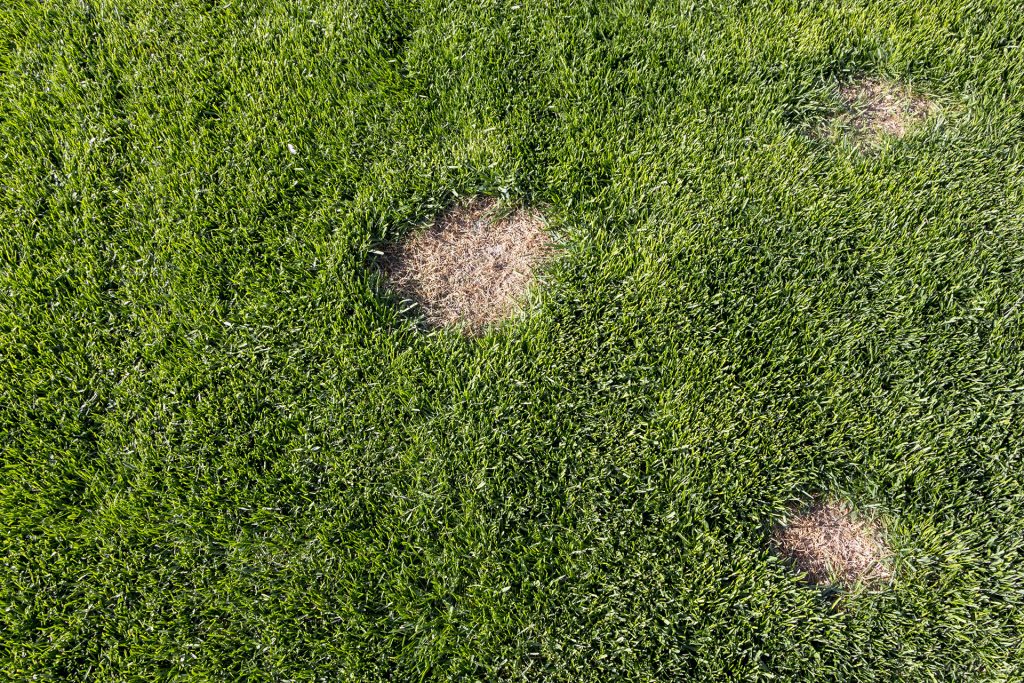
Patchy Bermuda grass can come from many issues. Lack of water makes grass dry and thin. Too much water causes roots to rot. Poor soil quality limits nutrients for growth. Heavy foot traffic crushes the grass blades. Pests like grubs eat grass roots unseen. Disease from fungi creates brown or yellow spots. Each cause needs a different fix to restore the lawn.
Signs Of Lawn Stress
Watch for dull or faded green color in grass. Thin areas with bare soil show stress. Grass blades may curl or wilt on hot days. Brown patches appear and spread over time. Soil feels hard or compacted underfoot. Footprints stay visible long after walking. These signs warn you that Bermuda grass struggles. Early care can stop damage from growing worse.
Preparing Your Lawn For Repair
Preparing your lawn for repair is the first step to fixing patchy Bermuda grass. A well-prepared lawn helps new grass grow strong. It creates a healthy base for seeds or sod. Taking time to prepare improves the final look and health of your lawn.
Removing Dead Grass And Debris
Start by clearing dead grass and debris from the lawn. Use a rake to pull up old grass and leaves. This opens the soil surface and allows new grass to take root. Removing debris also stops mold and pests from growing. A clean lawn bed helps water and nutrients reach the soil better.
Soil Testing And Improvement
Test your soil to check its nutrient levels and pH balance. Use a simple soil test kit from a garden store. Healthy Bermuda grass needs slightly acidic to neutral soil. Add lime or sulfur if the pH is too low or too high. Mix in compost or fertilizer to boost nutrients. Good soil gives your grass a strong start and better growth.
Choosing The Right Bermuda Grass Seed
Choosing the right Bermuda grass seed is key to fixing patchy lawns. The right seed grows strong and fills bare spots well. Not all seeds suit every yard or climate. Picking the best type helps your grass grow thick and green. This saves time and effort in lawn care.
Seed Varieties For Different Climates
Bermuda grass has many varieties. Each works best in specific climates. Some seeds thrive in hot, dry areas. Others do well in humid, wet zones. Knowing your local climate guides your seed choice. This helps grass survive heat, cold, or rain. Choose seeds made for your region.
Quality And Germination Rates
High-quality seeds grow faster and stronger. Look for seeds with good germination rates. Germination rate shows how many seeds will sprout. Higher rates mean fewer seeds wasted. Buy fresh seeds from trusted sellers. Check the seed label for quality details. Good seeds make patch repair easier and quicker.

Credit: www.youtube.com
Effective Seeding And Overseeding Techniques
Effective seeding and overseeding techniques help fill bare spots in Bermuda grass. These methods encourage thick, healthy growth. Proper seeding improves the lawn’s look and strength. Overseeding adds new grass to old patches without starting fresh. Both require careful steps to get good results.
Timing For Best Results
Choose the right time to seed or overseed Bermuda grass. The best period is late spring to early summer. Soil temperatures should be warm, around 65°F to 70°F. Warm soil helps seeds sprout quickly. Avoid seeding in cold or dry weather. Water regularly after seeding to keep soil moist. This supports seed germination and root growth.
Seed Spreading Methods
Spread seeds evenly to avoid patchy growth. Use a broadcast spreader for large areas. It spreads seeds in a uniform pattern. For small spots, hand spreading works fine. Lightly rake the soil after spreading seeds. This helps seeds touch the soil for better germination. Cover seeds with a thin layer of soil or mulch. This protects seeds from birds and drying out.
Watering Strategies For Recovery
Watering plays a key role in fixing patchy Bermuda grass. Proper water helps grass roots grow strong. It also supports new grass seeds or sod to take hold. Too much or too little water can harm recovery. A good watering plan keeps moisture steady and encourages healthy growth.
Initial Watering Schedule
Start watering right after planting seeds or laying sod. Water lightly but often to keep the soil moist. Aim for 3 to 4 times a day. Each time, water just enough to moisten the top inch of soil. Avoid soaking the ground to stop seeds from washing away. Continue this for the first two weeks.
Maintaining Moisture Levels
After two weeks, reduce watering to once a day. Water deeply to reach the roots about 4 to 6 inches down. This helps grass develop strong roots. Check soil moisture regularly. If the soil feels dry, water again. Avoid letting soil stay too wet or too dry. Keep a steady moisture level for best recovery results.
Fertilizing To Promote Growth
Fertilizing Bermuda grass helps fix patchy areas by encouraging strong, healthy growth. Good fertilizer gives the grass the nutrients it needs. This supports thicker, greener patches that spread and fill bare spots. Proper fertilizing keeps the lawn lush and prevents future thinning.
Types Of Fertilizers
Choose fertilizers with nitrogen, phosphorus, and potassium. Nitrogen boosts leaf growth and green color. Phosphorus helps roots grow deep and strong. Potassium improves disease resistance and drought tolerance.
Look for fertilizers labeled for Bermuda grass or warm-season lawns. Slow-release fertilizers feed the grass over time. This prevents burning and supports steady growth. Organic options like compost or manure also add nutrients and improve soil quality.
Application Frequency
Fertilize Bermuda grass every 6 to 8 weeks during the growing season. Start in spring when grass begins growing. Stop fertilizing in late summer to prepare for dormancy.
Apply fertilizer evenly to avoid burning patches. Use a spreader for best results. Water the lawn after fertilizing to help nutrients soak into the soil. Avoid fertilizing during drought or extreme heat to protect the grass.
Controlling Weeds And Pests
Controlling weeds and pests is key to fixing patchy Bermuda grass. Weeds compete for nutrients, water, and sunlight. Pests damage grass blades and roots. Both cause thin, unhealthy turf. Managing these problems helps your lawn grow thick and green.
Identifying Common Threats
Weeds like crabgrass and dandelions often invade Bermuda grass. They spread quickly and crowd out healthy grass. Pests such as grubs, armyworms, and chinch bugs eat grass roots and blades. Signs of pest damage include brown patches and wilting. Spotting these early helps stop damage fast.
Safe Treatment Options
Select treatments that protect your grass and the environment. Use herbicides made for Bermuda grass to control weeds. Apply insecticides carefully to target pests without harming beneficial insects. Natural options include neem oil and insecticidal soap. Regular mowing and watering also keep weeds and pests away.
Credit: theturfgrassgroup.com
Mowing Tips For Healthy Bermuda Grass
Mowing Bermuda grass correctly helps keep it thick and green. Cutting the grass at the right height and following good lawn care habits stops patchy spots. This section explains how to mow Bermuda grass for the best health.
Optimal Mowing Height
Keep Bermuda grass between 1 and 2 inches tall. Cutting it shorter can hurt the grass and cause brown patches. Taller grass shades roots and keeps soil moist. Use a sharp mower blade for clean cuts. Cut no more than one-third of the grass blade at once. This prevents stress and encourages strong growth.
Best Practices For Lawn Maintenance
Mow regularly to avoid cutting too much at once. Change your mowing pattern each time. This helps grass grow evenly and stops soil from compacting. Remove clippings only if thick; otherwise, they feed the lawn. Water the lawn deeply after mowing to help recovery. Keep mower blades sharp to prevent tearing grass.
Preventing Future Patchiness
Preventing future patchiness in Bermuda grass is key to a healthy lawn. Small problems can grow if not cared for. Keeping your lawn full and green means stopping patches before they start. Follow simple steps to keep your grass thick and strong all year.
Regular Lawn Care Routines
Water your lawn deeply but not too often. This helps roots grow deep and strong. Mow your grass at the right height. Cutting too short can stress the grass and cause patches. Fertilize your lawn regularly with the right nutrients. Healthy soil supports healthy grass. Remove weeds quickly. They steal water and nutrients from Bermuda grass.
Seasonal Adjustments
Change your care routine with the seasons. In spring, prepare your lawn with a good fertilizer to boost growth. Summer needs more frequent watering due to heat. Keep mowing height a bit higher to protect roots. In fall, reduce watering and stop fertilizing late in the season. This helps grass rest and prepare for winter. Winter needs less care but check for bare spots and plan repairs early.
Frequently Asked Questions
How Do I Repair Patchy Bermuda Grass Quickly?
To repair patchy Bermuda grass, first identify the cause of damage. Then, overseed bare spots with Bermuda grass seed. Water daily until established. Apply fertilizer to promote growth. Proper mowing and watering maintain a healthy lawn and prevent future patches.
What Causes Bermuda Grass To Become Patchy?
Patchy Bermuda grass often results from drought, pests, diseases, or poor soil conditions. Overwatering or heavy foot traffic can also damage roots. Identifying the cause helps apply the correct fix, improving lawn health and appearance.
How Often Should I Water Patchy Bermuda Grass?
Water patchy Bermuda grass deeply once or twice a week. Ensure soil stays moist but not soggy. Early morning watering reduces evaporation and promotes root growth. Adjust frequency during rainy or dry seasons for optimal results.
Can Fertilizing Help Fix Patchy Bermuda Grass?
Yes, fertilizing provides essential nutrients that promote thick, green growth. Use a balanced fertilizer with nitrogen for best results. Apply during the growing season, following package instructions. Avoid over-fertilizing, which can harm the grass.
Conclusion
Patchy Bermuda grass needs care and patience to grow thick. Water your lawn regularly but avoid overwatering. Use quality seed or sod to fill bare spots. Mow your grass at the right height for best results. Fertilize with the right nutrients to help grass thrive.
Keep weeds and pests under control to protect your lawn. Follow these steps to bring your Bermuda grass back to life. A healthy lawn takes time, but it is worth the effort. Keep working on it, and you will see improvement soon.
