

Are you tired of battling stubborn Bermuda grass that takes over your lawn and garden? You’re not alone.
This aggressive weed can quickly crowd out your favorite plants and ruin the look of your outdoor space. But don’t worry—getting rid of Bermuda grass doesn’t have to be a constant struggle. You’ll discover simple, effective ways to reclaim your yard and keep Bermuda grass from coming back.
Keep reading, and you’ll learn how to take control of your lawn once and for all.
Identifying Bermuda Grass
Identifying Bermuda grass is the first step to control it effectively. This grass spreads fast and can take over lawns or gardens if left unchecked. Knowing its appearance and where it grows helps you act quickly.
Characteristics Of Bermuda Grass
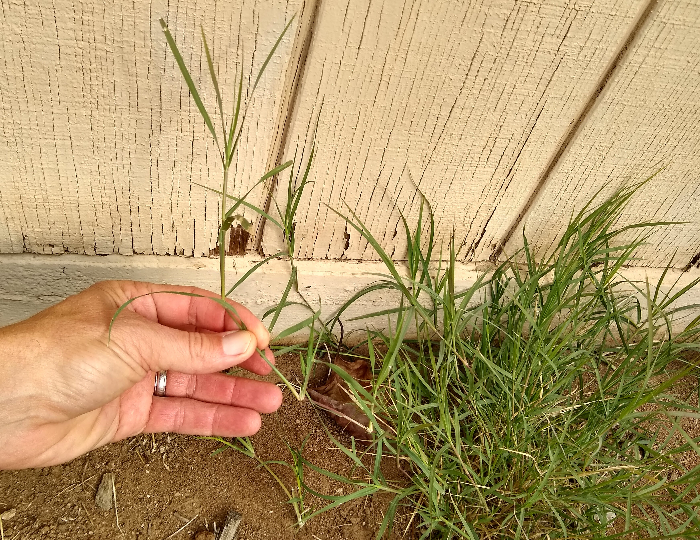
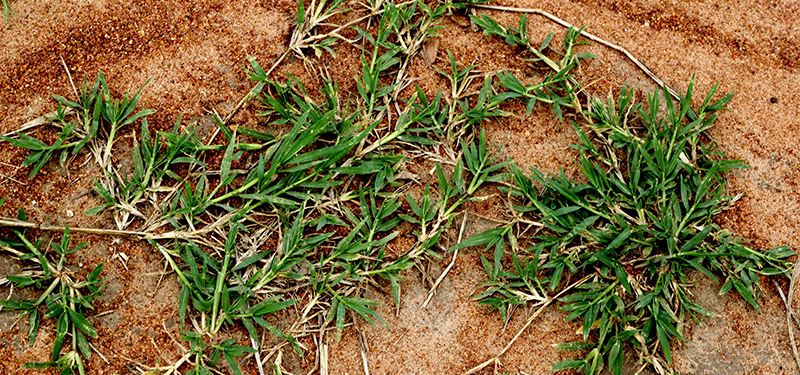
Bermuda grass has thin, green blades. The blades are rough and pointed at the tip. It grows low to the ground and spreads through runners. These runners create new plants away from the main one. The grass turns brown in cold weather but grows back in warm seasons. It often forms thick mats that are hard to remove.
Common Areas Affected
Bermuda grass thrives in sunny, warm places. It often invades lawns, sports fields, and golf courses. Gardens and flower beds near lawns can also get affected. It grows well in sandy or clay soils. You may find it around sidewalks and driveways too. This grass survives drought well, making it hard to kill in dry areas.
Credit: gregalder.com
Why Bermuda Grass Is Hard To Remove
Bermuda grass is tough to remove. Its strong nature makes it a persistent problem in lawns and gardens. Understanding why it resists removal helps in choosing the right method to control it.
Growth Patterns
Bermuda grass spreads quickly through underground stems called rhizomes. These rhizomes grow deep and wide. Even small pieces left in the soil can grow into new plants. It also spreads above ground with runners called stolons. This double method of spreading makes it hard to stop.
Because of this growth, pulling out the grass by hand often fails. The roots stay in the soil and regrow fast. Cutting the grass only slows it down temporarily. The grass recovers quickly, filling in any cleared space.
Resistance To Herbicides
Bermuda grass has shown strong resistance to many common herbicides. Some chemicals kill the top growth but not the roots or rhizomes. The grass then regrows from these parts. This resistance means repeated treatments are needed.
Using the wrong herbicide may waste time and money. Some products only target broadleaf plants, not grasses. Choosing a herbicide specific for Bermuda grass is crucial. Persistence and correct product use improve chances of success.
Manual Removal Techniques
Manual removal of Bermuda grass is a hands-on way to control this tough weed. It requires effort but can be effective without chemicals. This method suits small areas or places where you want to avoid herbicides. Careful and consistent work helps stop Bermuda grass from spreading.
Pulling And Digging Out
Start by pulling the grass by hand. Grab the grass at the base and pull gently to remove roots. Use gloves to protect your hands. For stronger roots, digging out is better. Use a shovel or garden fork to dig below the roots. Remove as much root as possible. Dispose of the pulled grass away from your lawn. Repeat this process weekly to catch new growth early.
Solarization Method
Solarization uses the sun’s heat to kill Bermuda grass. First, mow the grass very low. Water the area well to soften the soil. Cover the patch with clear plastic sheets. Seal the edges with soil or stones to trap heat. Leave the plastic for 4 to 6 weeks. The heat will kill grass roots and seeds. Afterward, remove the plastic and check for any surviving grass. Repeat solarization if needed to clear the area fully.
Chemical Control Options
Chemical control is a common way to remove Bermuda grass. It works fast and targets the grass directly. Choosing the right chemical helps protect other plants and keeps your lawn safe.
Selective Herbicides
Selective herbicides kill Bermuda grass without harming other grasses. They target specific types of plants. Use these herbicides to keep your lawn healthy. Apply them carefully on Bermuda patches only. Follow the instructions on the label for best results.
Non-selective Herbicides
Non-selective herbicides kill all plants they touch. Use them for large areas or bare spots. Spray carefully to avoid damaging nearby flowers or vegetables. These herbicides work well on tough Bermuda roots. Repeat treatments may be needed for full control.
Safety Precautions
Wear gloves and protective clothing when applying herbicides. Keep children and pets away from treated areas. Avoid spraying on windy days to prevent drift. Wash your hands after handling chemicals. Store herbicides in a safe place, away from reach.
Preventing Bermuda Grass Regrowth
Preventing Bermuda grass from growing back is key to keeping your lawn healthy. This grass spreads quickly through roots and seeds. Stopping it early saves time and effort later. Good habits and simple methods help control its return. Focus on steady care and smart barriers to keep Bermuda grass away.
Proper Lawn Maintenance
Cut your grass regularly to stop Bermuda grass from spreading. Keep your lawn at the right height. Water deeply but less often to help strong grass grow. Remove weeds and dead grass quickly. Aerate your soil to improve root health and reduce patches. Healthy grass leaves less space for Bermuda grass to grow.
Mulching And Barriers
Use mulch to block Bermuda grass from coming back. Spread a thick layer of organic mulch around plants and garden beds. Mulch stops sunlight, which Bermuda grass needs to grow. Place landscape fabric under mulch for extra protection. Barriers also stop roots from spreading underground. These methods reduce Bermuda grass growth without chemicals.
Credit: www.agsod.com
Alternatives To Bermuda Grass
Choosing an alternative to Bermuda grass can improve your lawn’s health and appearance. Some grasses and plants fit better in certain climates and soil types. They also need less water and care. These options help create a lush, green space without the problems Bermuda grass causes.
Recommended Grass Types
Fescue grass grows well in cooler climates. It stays green longer in the fall. It also handles shade better than Bermuda grass. Zoysia grass works in warm areas and tolerates drought. It forms a thick, soft lawn that resists weeds. St. Augustine grass thrives in warm, humid places. It grows fast and covers bare spots quickly. These grasses need less mowing and watering.
Ground Cover Plants
Ground covers are low-growing plants that spread across the soil. Clover is a popular choice. It fixes nitrogen in the soil, helping grass grow. Creeping thyme adds color with small flowers. It handles foot traffic well. Ajuga has dense leaves and blooms in spring. These plants reduce weeds and need less water than grass. Ground covers create a unique look and protect your soil.

Credit: www.youtube.com
Frequently Asked Questions
What Is The Best Method To Kill Bermuda Grass?
The best way to kill Bermuda grass is using a non-selective herbicide like glyphosate. Apply it on a dry, calm day. Repeat treatments may be necessary. Physical removal and solarization also help. Consistency is key to fully eradicate Bermuda grass from your lawn.
How Long Does It Take To Remove Bermuda Grass?
Removing Bermuda grass typically takes several weeks to months. Herbicides need time to work effectively. Physical removal may require repeated effort. Patience and consistent treatment ensure full eradication. Quick removal is rare due to Bermuda grass’s aggressive growth.
Can Bermuda Grass Be Removed Naturally Without Chemicals?
Yes, Bermuda grass can be removed naturally by solarization and manual digging. Cover the area with clear plastic for 6-8 weeks during summer. This kills the grass through heat. Repeated digging helps remove roots. Natural methods require more time and effort than chemicals.
How To Prevent Bermuda Grass From Spreading?
Prevent Bermuda grass spread by creating physical barriers and maintaining healthy turf. Regularly mow and edge your lawn. Avoid letting it go to seed. Use pre-emergent herbicides in spring. Early detection and removal of new patches help control spread effectively.
Conclusion
Getting rid of Bermuda grass takes time and effort. Use the right tools and methods to remove it fully. Regularly check your lawn and act quickly to stop its spread. Stay patient and consistent with your care routine. A healthy yard will grow stronger without unwanted grass.
Keep your lawn clean and well-maintained for best results. Small steps lead to a beautiful, Bermuda-free lawn.
