
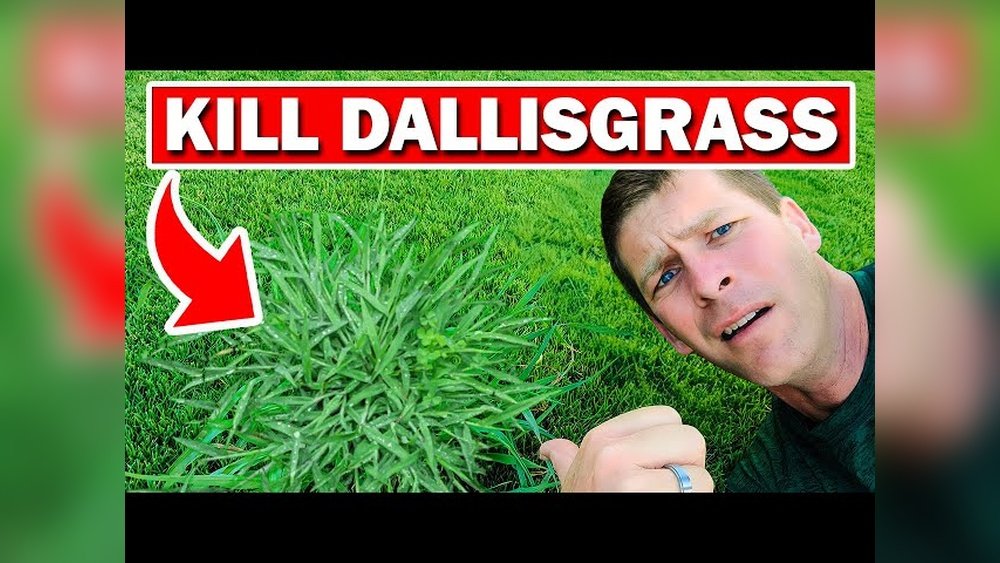
Are you tired of seeing those stubborn Dallisgrass patches ruining the smooth look of your Bermuda grass lawn? You’re not alone.
Dallisgrass can quickly take over and make your yard look messy and neglected. But here’s the good news—you don’t have to accept it. You’ll discover simple, effective ways to get rid of Dallisgrass for good. Keep reading, and soon your Bermuda grass will be the green, healthy lawn you’ve always wanted.
Identifying Dallisgrass
Identifying dallisgrass early helps protect your Bermuda grass lawn. This weed spreads fast and can take over if not controlled. Spotting it correctly saves time and effort in removal.
Key Characteristics
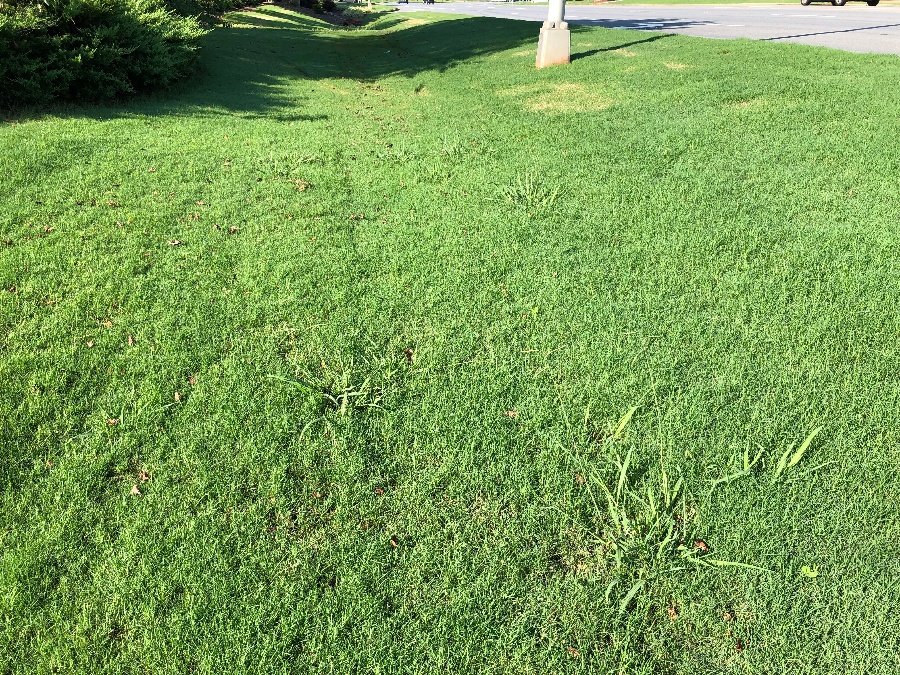
Dallisgrass has thick, coarse leaves. Its leaves grow in clumps and feel rough to touch. The seed heads look like finger-like spikes. These spikes appear in groups of two or three. The plant grows taller than Bermuda grass, sometimes reaching 2 feet. Its roots form dense mats under the soil.
Differences From Bermuda Grass
Bermuda grass has thin, soft leaves compared to dallisgrass. It grows close to the ground and spreads evenly. Dallisgrass grows upright and in clumps. Bermuda grass’s color is bright green, while dallisgrass is darker. The seed heads of Bermuda grass are smaller and less noticeable. These visual clues help tell them apart easily.
Credit: info.supersod.com
Causes Of Dallisgrass Infestation
Dallisgrass is a common weed that invades Bermuda grass lawns. Understanding what causes dallisgrass infestation helps control it better. This section explains how dallisgrass spreads and the environmental factors that encourage its growth.
Common Spread Methods
Dallisgrass spreads easily through seeds and root pieces. Seeds can blow in the wind or get carried by animals. Lawn equipment can also move root fragments from one place to another. Once in your lawn, dallisgrass grows quickly and crowds out Bermuda grass.
Environmental Factors
Dallisgrass thrives in warm, moist conditions. Poor lawn care, such as uneven watering or low mowing, creates an ideal environment for dallisgrass. Soil that is compacted or has poor drainage also helps this weed take hold. Areas with heavy foot traffic or lawn damage are more vulnerable to infestation.
Preventing Dallisgrass Growth
Preventing dallisgrass growth in Bermuda grass is key to a healthy lawn. Dallisgrass spreads quickly and competes for nutrients and water. Stopping it early saves time and effort later. Strong Bermuda grass leaves less space for weeds like dallisgrass.
Lawn Maintenance Practices
Keep your Bermuda grass mowed regularly. Set your mower height to 1 to 2 inches. Cutting too short weakens the grass and helps weeds grow. Water deeply but less often to encourage strong roots. Remove clippings to prevent spreading weed seeds. Aerate your lawn in spring or fall to improve air and water flow. Healthy, dense grass blocks sunlight from reaching weed seeds.
Soil Health Improvement
Test your soil to check pH and nutrient levels. Bermuda grass grows best in soil with pH between 5.8 and 7.0. Add lime or sulfur to adjust soil pH if needed. Fertilize with balanced nutrients to keep grass strong. Avoid over-fertilizing, which can encourage weeds. Improve soil texture by adding organic matter like compost. Good soil supports deep roots that outcompete dallisgrass. Proper soil care reduces weed problems naturally.

Credit: www.reddit.com
Manual Removal Techniques
Manual removal techniques are a natural and effective way to control Dallisgrass in Bermuda grass. This method requires patience and care. It helps protect your lawn without using chemicals. Removing Dallisgrass by hand can reduce its spread. It also allows Bermuda grass to grow stronger and healthier.
Hand Pulling Tips
Pull Dallisgrass when the soil is moist. Moist soil makes it easier to remove the roots. Grab the base of the plant firmly. Pull slowly to get the entire root system out. Avoid breaking the roots, as they can grow back. Work in small sections for better control. Wear gloves to protect your hands from dirt and sharp edges. Dispose of pulled plants far from the lawn to prevent regrowth.
Tools For Effective Removal
Use a hand trowel or weeding fork to loosen soil. These tools help lift roots without damaging Bermuda grass. A garden knife can cut tough roots deep underground. Choose tools with comfortable handles for easier grip. Clean tools after each use to avoid spreading weeds. A sharp tool cuts more efficiently and reduces lawn damage. Keep tools nearby to speed up the removal process.
Chemical Control Options
Chemical control offers a practical way to manage dallisgrass in Bermuda grass lawns. It targets the weed directly without harming the healthy Bermuda grass. Choosing the right herbicide and using it correctly can reduce dallisgrass effectively.
Selective Herbicides
Selective herbicides kill dallisgrass but leave Bermuda grass unharmed. Products with active ingredients like MSMA or Sethoxydim work well. These chemicals spot-treat dallisgrass patches without damaging the lawn. Always check the label to ensure the product suits Bermuda grass.
Application Guidelines
Apply herbicides during warm, dry weather for best results. Spray the weed directly while avoiding the surrounding grass. Use a sprayer for even coverage on dallisgrass leaves. Repeat treatments may be needed every few weeks. Follow all label instructions carefully to protect your lawn and environment.
Natural Remedies
Natural remedies offer gentle and safe ways to control dallisgrass in Bermuda grass. These methods avoid harsh chemicals and protect your lawn’s health. Using natural options also supports the environment and keeps pets safe.
Homemade Solutions
Vinegar works well to kill dallisgrass leaves. Spray white vinegar directly on the weed. Avoid spraying on Bermuda grass to prevent damage. Salt mixed with water can also dry out weeds. Use sparingly to protect soil quality. Boiling water poured on dallisgrass kills roots quickly. Repeat treatments may be needed for best results.
Organic Products
Organic herbicides made from natural ingredients target dallisgrass without harming your lawn. Products containing corn gluten meal prevent weed seeds from growing. Choose organic sprays with clove oil or citrus extracts to burn away weeds. These options break down quickly and do not build up in soil. Always follow product instructions for safe use.
Post-treatment Lawn Care
After treating dallisgrass in your Bermuda grass lawn, proper care helps the lawn recover. Post-treatment care supports healthy grass growth. It prevents weeds from coming back quickly. Follow these steps to keep your lawn green and strong.
Reseeding Bermuda Grass
Reseeding helps fill bare spots after weed removal. Choose Bermuda grass seed that matches your lawn type. Spread seeds evenly over thin areas. Lightly cover seeds with soil to protect them. Keep the soil moist for better germination. Avoid heavy foot traffic on new seeds.
Watering And Fertilizing Tips
Water the lawn deeply but less often. Deep watering encourages strong roots. Water early in the morning to reduce disease risk. Use a balanced fertilizer to nourish the grass. Fertilize according to the season and lawn needs. Avoid over-fertilizing to prevent burning the grass.

Credit: www.reddit.com
Long-term Management Strategies
Long-term management of Dallisgrass in Bermuda grass requires patience and consistent effort. This weed can return if you stop control measures. A steady approach helps keep your lawn healthy and free from Dallisgrass. Focus on regular care and monitoring to catch problems early.
Regular Monitoring
Check your lawn often for signs of Dallisgrass. Early detection helps stop it before it spreads. Walk through your yard weekly to spot new growth. Remove small patches by hand or with tools. Keep notes on where Dallisgrass appears the most. This practice saves time and effort later.
Seasonal Care Adjustments
Change your lawn care based on the season. In spring, apply fertilizer to strengthen Bermuda grass. Strong grass can outcompete Dallisgrass. Mow your lawn regularly to keep grass healthy and dense. In fall, use herbicides if needed to reduce Dallisgrass seeds. Water deeply but less often to encourage deep roots. Adjust care to match weather and growth patterns.
Frequently Asked Questions
What Is The Best Herbicide For Dallisgrass In Bermuda Grass?
Selective herbicides containing MSMA or glyphosate are effective against Dallisgrass. Always follow product instructions carefully for safe application.
How Can I Prevent Dallisgrass From Spreading In My Lawn?
Maintain a thick, healthy Bermuda grass lawn by proper mowing, watering, and fertilizing to reduce Dallisgrass invasion and spread.
When Is The Ideal Time To Treat Dallisgrass In Bermuda Grass?
Apply herbicides in late spring or early summer when Dallisgrass is actively growing for the best control results.
Can Manual Removal Effectively Control Dallisgrass In Bermuda Grass?
Manual removal helps but is labor-intensive. Combine it with herbicide treatment for better long-term control of Dallisgrass.
Conclusion
Controlling dallisgrass in Bermuda grass takes patience and care. Regular mowing and watering help keep your lawn healthy. Applying the right herbicide stops dallisgrass from spreading. Watch your lawn often to catch new growth early. Healthy Bermuda grass grows thick and crowds out weeds.
Small steps lead to a cleaner, greener yard. Keep at it, and your lawn will improve over time. A beautiful lawn is possible with steady effort and attention.
