

If you want a lush, green lawn that grows quickly and stays healthy, Bermuda grass is one of the best choices you can make. But how do you get it to grow fast and fill in those bare spots without waiting forever?
You’re about to discover simple, effective tips that will help your Bermuda grass thrive in no time. Whether you’re starting from seed or sprigs, these easy steps will save you time and effort while giving your yard that vibrant look you’ve been dreaming of.
Keep reading, and you’ll learn exactly what your grass needs to grow faster and stronger than ever before.

Credit: www.youtube.com
Choosing The Right Bermuda Grass
Choosing the right Bermuda grass is the first step to a fast-growing, healthy lawn. Not all Bermuda grasses grow the same way. The right type fits your climate and soil. Good grass starts with good choices.
Types Of Bermuda Grass
Bermuda grass has several types. Common Bermuda is popular for home lawns. It grows quickly and recovers fast. Hybrid Bermuda types are stronger and denser. They suit sports fields and heavy use areas. Each type has different leaf textures and colors. Pick one that matches your lawn needs.
Selecting Quality Seeds Or Sod
Quality seeds or sod ensure fast growth. Choose seeds that are fresh and pure. Check for a high germination rate on the package. For sod, look for thick, green, and well-rooted pieces. Avoid brown or patchy sod. Healthy seeds and sod save time and effort. They help your Bermuda grass thrive from the start.
Preparing The Soil
Preparing the soil is the first step to grow Bermuda grass fast. Healthy soil helps grass roots grow strong and spread quickly. Poor soil can slow growth and cause patchy areas. Taking time to prepare the soil pays off with thick, green grass.
Soil Testing And Ph Levels
Test the soil to know its nutrients and pH level. Bermuda grass grows best in soil with a pH between 5.8 and 7.0. A simple test kit from a garden store can measure this. Adjust the pH by adding lime to raise it or sulfur to lower it. Balanced pH helps Bermuda grass absorb nutrients well.
Improving Soil Drainage
Good drainage stops water from pooling around the grass roots. Waterlogged soil can cause root rot and slow growth. Loosen compacted soil by tilling or aerating. Add sand or organic matter to clay soil to improve drainage. Well-drained soil keeps roots healthy and encourages fast growth.
Adding Fertilizers And Amendments
Fertilizers provide essential nutrients for Bermuda grass. Use a fertilizer high in nitrogen for quick green growth. Spread it evenly before planting or soon after. Organic amendments like compost improve soil structure and nutrient content. Mix compost into the soil to boost its fertility and moisture retention.
Planting Techniques
Planting Bermuda grass requires careful planning and the right techniques. Choosing the correct method can help your lawn grow quickly and stay healthy. This section explains key planting techniques to get your Bermuda grass started fast.
Understanding how to plant Bermuda grass properly makes a big difference. Focus on the best method, timing, and seeding amounts for strong growth.
Seeding Vs. Sodding
Seeding is the cheapest way to grow Bermuda grass. It takes longer to see full coverage but costs less upfront. Sodding gives instant green grass. The lawn looks great immediately and controls weeds better. Sodding is more expensive but faster. Choose seeding for budget, sodding for quick results.
Best Time To Plant
Plant Bermuda grass in late spring or early summer. Soil temperature should be above 65°F for good germination. Warm weather helps seeds sprout fast and roots grow strong. Avoid planting in cold or rainy seasons. These conditions slow down growth and can cause diseases.
Proper Seeding Rates
Use 1 to 2 pounds of Bermuda grass seed per 1,000 square feet. Spread seeds evenly for uniform growth. Too many seeds cause overcrowding and weak grass. Too few seeds leave bare spots. After seeding, lightly rake the soil to cover seeds. Water gently but often to keep the soil moist.
Watering Strategies
Watering is key to growing Bermuda grass fast. The right water helps seeds sprout and grass roots grow deep. Too little water slows growth. Too much water can harm the grass. Follow these watering tips to keep your Bermuda grass healthy and green.
Initial Watering Schedule
Start by watering Bermuda grass lightly but often. Water the soil, not just the grass blades. Water two to three times a day for 5 to 10 minutes. Keep the soil moist but not soggy. This helps seeds to germinate and roots to start growing.
Maintaining Moisture For Growth
Once the grass sprouts, water it once a day deeply. This encourages roots to grow down into the soil. Aim for about one inch of water per week. Water early in the morning to reduce evaporation. Moist soil helps grass grow strong and green.
Avoiding Overwatering
Too much water makes roots weak and invites disease. Watch for puddles or muddy soil after watering. If soil stays wet for hours, reduce watering time. Overwatering wastes water and harms grass health. Let the soil dry slightly before watering again.
Fertilizing For Quick Growth
Fertilizing is key for growing Bermuda grass fast. The right nutrients help grass grow strong and green. Proper feeding improves root development and leaf growth.
Without enough nutrients, Bermuda grass grows slowly and looks weak. Using the correct fertilizer and feeding schedule speeds up growth. This section covers how to choose fertilizer, how often to apply it, and signs your grass needs nutrients.
Choosing The Right Fertilizer
Select a fertilizer with a balanced mix of nitrogen, phosphorus, and potassium. Nitrogen boosts green leaf growth. Phosphorus supports root development. Potassium strengthens the grass and helps resist stress.
Look for fertilizers labeled for Bermuda grass or warm-season grasses. Avoid using too much phosphorus unless a soil test shows a need. Too much phosphorus can harm the environment.
Fertilization Frequency
Apply fertilizer every 6 to 8 weeks during the growing season. Start feeding in spring when grass begins to green. Stop fertilizing before fall to let grass prepare for winter.
Follow the package directions for the amount to use. Over-fertilizing can burn the grass or cause excess growth. Under-fertilizing slows growth and weakens the lawn.
Signs Of Nutrient Deficiency
Watch for pale or yellow leaves. This often shows nitrogen shortage. Thin or patchy grass can signal lack of phosphorus or potassium.
Slow growth and weak roots also mean nutrient problems. A soil test can confirm deficiencies. Fixing these early keeps Bermuda grass healthy and growing fast.

Credit: theturfgrassgroup.com
Mowing Tips
Mowing Bermuda grass properly helps it grow thick and green quickly. Cutting the grass at the right height keeps it healthy. Mowing often avoids stress and brown patches. Using sharp blades makes clean cuts and stops damage. These mowing tips improve your lawn’s growth and look.
Optimal Mowing Height
Keep Bermuda grass between 1 to 2 inches tall. Cutting it too short can hurt the roots. Taller grass shades the soil and keeps moisture. Mowing at the right height helps the grass grow strong and green.
Mowing Frequency
Cut Bermuda grass every 5 to 7 days during growth season. Frequent mowing stops the grass from getting too long. Shorter grass grows faster and thicker. Avoid cutting more than one-third of the grass height at once.
Using Sharp Blades
Sharp mower blades cut grass cleanly. Dull blades tear the grass and cause brown edges. Check blades often and sharpen them before mowing. Clean cuts help grass heal faster and stay healthy.
Controlling Weeds And Pests
Controlling weeds and pests is essential for growing Bermuda grass fast. Weeds compete for nutrients, water, and sunlight. Pests damage grass blades and roots, slowing growth. Keeping a healthy lawn means managing these threats carefully.
Common Bermuda Grass Weeds
Several weeds often invade Bermuda grass. Crabgrass spreads quickly and takes over open spots. Dandelions have deep roots and bright yellow flowers. Nutsedge grows fast and looks like grass but harms the lawn. Clover also appears and steals nutrients from Bermuda grass.
Effective Weed Control Methods
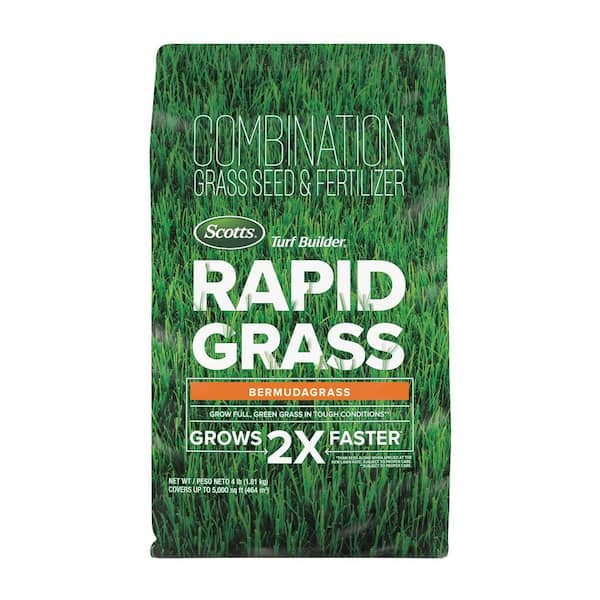
Hand-pulling weeds can work for small areas. Use a weeding tool to remove roots completely. Apply pre-emergent herbicides early to stop weed seeds from growing. Post-emergent herbicides kill existing weeds but choose one safe for Bermuda grass. Maintain thick, healthy grass to crowd out weeds naturally.
Pest Identification And Treatment
Common pests include grubs, armyworms, and mole crickets. Grubs eat grass roots, causing dead patches. Armyworms chew leaves and weaken grass quickly. Mole crickets tunnel under the soil and damage roots. Use insecticides labeled for Bermuda grass. Follow instructions carefully to protect your lawn and the environment.
Credit: www.homedepot.com
Dealing With Common Problems
Growing Bermuda grass fast needs more than just watering and sunlight. Common problems can slow growth or harm your lawn. Knowing how to handle these issues helps keep your grass healthy and green. Here are key problems you might face and how to solve them.
Thatch Buildup
Thatch is a layer of dead grass and roots above the soil. Too much thatch stops water and nutrients from reaching the roots. Remove thatch by raking the lawn deeply. Aerate the soil to improve air and water flow. This makes the grass grow stronger and faster.
Disease Prevention
Bermuda grass can get diseases like leaf spot or dollar spot. These diseases show as brown patches or spots on leaves. Keep your lawn dry by watering early in the day. Avoid overwatering and poor drainage. Use disease-resistant grass varieties to reduce risk. Proper mowing height also helps prevent disease.
Repairing Bare Spots
Bare spots hurt the look and health of your lawn. Clean the area by removing dead grass and debris. Loosen the soil and spread fresh Bermuda grass seed or plugs. Water the spot gently but often to keep it moist. Protect the area from foot traffic until new grass grows.
Seasonal Care For Bermuda Grass
Taking care of Bermuda grass through the seasons helps it grow fast and stay healthy. Each season needs different attention. Knowing what to do in spring, summer, and winter keeps your grass green and strong.
Spring Maintenance
Spring is the time to wake up your Bermuda grass. Start by removing dead grass and leaves. This helps sunlight reach the soil. Aerate the lawn to improve air and water flow. Fertilize with a high-nitrogen fertilizer for quick growth. Mow the grass regularly but keep blades high. This prevents stress and encourages thick growth.
Summer Care Tips
Summer heat can stress Bermuda grass. Water deeply but less often to encourage deep roots. Water early in the morning to reduce evaporation. Mow more often but avoid cutting too short. Keep an eye on pests and weeds. Use spot treatments to control problems fast. Fertilize lightly to keep grass green and healthy.
Preparing For Winter
As temperatures drop, Bermuda grass slows down. Stop fertilizing by late summer to let grass harden. Mow one last time at a lower height. Rake leaves and debris to prevent mold and disease. Avoid heavy traffic on the lawn to protect it. These steps help your Bermuda grass survive cold months and grow fast next spring.
Frequently Asked Questions
How Fast Does Bermuda Grass Grow In Ideal Conditions?
Bermuda grass can grow up to 1 to 2 inches per week in ideal warm, sunny conditions. Proper watering and fertilization speed up growth.
What Soil Type Is Best For Bermuda Grass Growth?
Bermuda grass thrives in well-drained sandy or loamy soil. Good drainage prevents root rot and promotes faster growth.
How Often Should I Water Bermuda Grass To Grow It Fast?
Water Bermuda grass deeply 2-3 times weekly during dry periods. Consistent moisture encourages quick root development and lush growth.
Which Fertilizer Works Best For Fast Bermuda Grass Growth?
Use a nitrogen-rich fertilizer every 6-8 weeks during growing season. Nitrogen promotes green, dense, and rapid Bermuda grass growth.
Conclusion
Growing Bermuda grass fast takes patience and the right care. Water your lawn deeply but not too often. Cut the grass regularly to keep it healthy. Use good soil and add fertilizer as needed. Remove weeds that compete for nutrients.
Sunlight helps Bermuda grass grow strong and thick. Follow these simple steps, and your lawn will fill in quickly. A green, lush yard is possible with steady effort. Keep watching your grass and adjust care as it grows. Enjoy the beauty of your thriving Bermuda grass lawn.
