
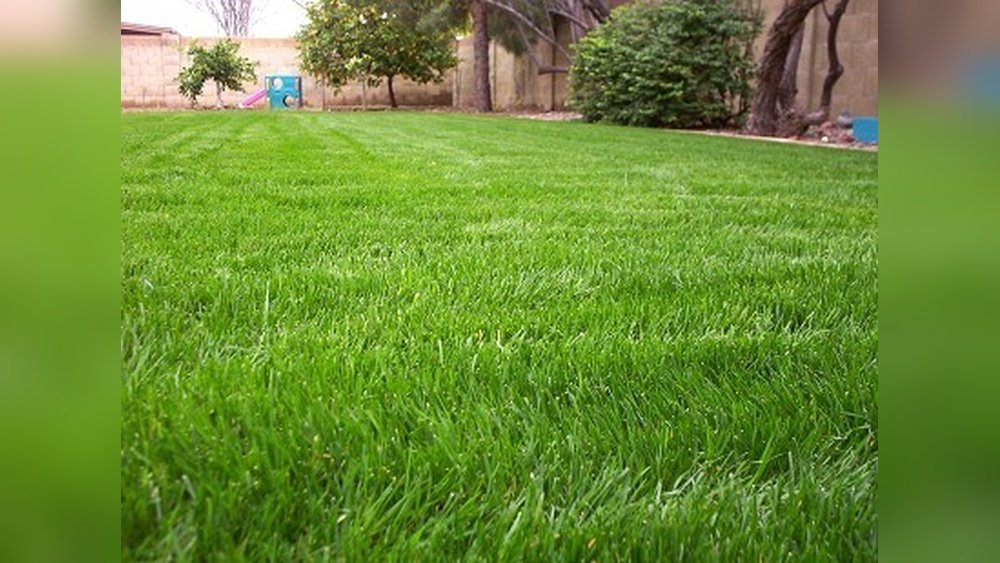
If you live in Arizona and want a lush, green lawn that stands up to the heat, Bermuda grass might be your best choice. But growing Bermuda grass here isn’t as simple as just planting seeds.
You need the right tips and tricks to make your lawn thrive in this unique climate. You’ll discover exactly how to grow Bermuda grass in Arizona, from choosing the perfect spot to keeping it healthy all year long. Ready to transform your yard into a vibrant, soft carpet of green?
Keep reading—your dream lawn is closer than you think.
Credit: www.lawnstarter.com
Choosing The Right Bermuda Grass Variety
Choosing the right Bermuda grass variety is important for a healthy lawn in Arizona. The climate here is hot and dry. Some Bermuda types handle heat and drought better than others. Picking the right type saves water and keeps your grass green longer. This guide helps you select the best Bermuda grass for your Arizona lawn.
Best Varieties For Arizona Climate
Arizona’s heat demands tough Bermuda grass types. Common Bermuda grows well in hot sun. It recovers fast from damage. Tifway Bermuda is popular for sports fields and yards. It is dense and durable. Tifgreen Bermuda offers a soft texture and bright color. It needs more water but looks great. For low water use, consider Sahara or Celebration Bermuda. These types tolerate drought better. Choose a variety that fits your yard’s sun and water conditions.
Seed Vs. Sod Options
Planting Bermuda grass can start from seed or sod. Seeds cost less but take longer to grow. They need more care and watering at first. Sod gives instant green coverage. It also controls weeds better at the start. Sod is more expensive but saves time. For large yards, seed might be a better choice. Small lawns or quick results favor sod. Both options work well in Arizona’s climate if maintained properly.
Preparing Your Soil For Planting
Preparing your soil is the first step to growing healthy Bermuda grass in Arizona. Good soil helps the grass grow strong roots and stay green in hot weather. Taking time to prepare the soil makes a big difference.
Soil Testing And Amendments
Start by testing your soil’s pH and nutrient levels. You can buy a simple soil test kit or send a sample to a lab. Bermuda grass prefers soil with a pH between 6.0 and 7.0. If your soil is too acidic or alkaline, add lime or sulfur to adjust it.
Check for nutrients like nitrogen, phosphorus, and potassium. Add fertilizers or organic matter to improve soil fertility. Good nutrients help grass grow faster and greener.
Clearing And Leveling The Area
Clear the area of rocks, weeds, and old grass. This removes obstacles that stop new Bermuda grass from growing. Use a rake or shovel to remove debris.
Level the soil to create an even surface. This helps water spread evenly and prevents puddles. Use a rake or lawn roller to smooth the ground. Level soil allows Bermuda grass to establish well.
Planting Bermuda Grass In Arizona
Planting Bermuda grass in Arizona requires careful planning and the right techniques. This grass thrives in hot, dry climates and can handle Arizona’s intense sun. Proper planting ensures a lush, green lawn that stays healthy all year. Follow these steps to get your Bermuda grass started the right way.
Optimal Planting Time
Plant Bermuda grass during warm months. Late spring to early summer works best. Soil temperatures should be above 65°F. This warmth helps seeds germinate fast and sod to root well. Avoid planting in cold or dry weather. The grass needs heat and moisture to grow strong.
Seeding Techniques
Prepare the soil by removing debris and tilling it lightly. Spread seeds evenly over the area. Use a seed spreader for uniform coverage. Cover seeds with a thin layer of soil or mulch. Water the area gently but regularly. Keep the soil moist until seeds sprout. Avoid overwatering to prevent seed rot.
Installing Sod Properly
Lay sod on well-prepared, moist soil. Fit pieces tightly together without gaps. Stagger seams like bricks for better rooting. Press sod firmly to ensure contact with soil. Water the sod immediately after installation. Keep the sod wet for two weeks. This helps roots establish and sod to settle.
Watering Strategies For A Healthy Lawn
Watering is key to keeping Bermuda grass green and strong in Arizona’s dry climate. Proper watering helps roots grow deep and makes the lawn more drought-resistant. Overwatering wastes water and can harm the grass. Follow these watering strategies to keep your lawn healthy all year.
Initial Watering Schedule
Start watering right after planting Bermuda grass seeds or sod. Water lightly but often to keep the soil moist. Water 2 to 3 times daily for about 10 minutes each. This helps seeds germinate and young roots develop. Avoid soaking the soil, which can cause fungus.
Adjusting For Arizona’s Heat
As the grass grows, reduce watering frequency but increase the amount. Water deeply 2 to 3 times per week. Deep watering encourages roots to grow down, helping the grass survive heat. Early morning watering is best to reduce evaporation. Avoid watering in the afternoon when heat is strongest.
Efficient Irrigation Methods
Use drip irrigation or soaker hoses to save water. These deliver water directly to the roots. Sprinklers are fine but choose ones that spray evenly and avoid watering sidewalks. Check your irrigation system regularly for leaks or broken parts. Adjust sprinkler heads to prevent water waste.
Fertilizing Bermuda Grass
Fertilizing Bermuda grass is important for a thick, green lawn in Arizona. Proper nutrients help the grass grow strong and resist heat. The right fertilizer provides essential elements like nitrogen, phosphorus, and potassium.
Applying fertilizer correctly improves the grass’s health. It boosts growth during warm months and recovers from stress. Choosing the best fertilizer and applying it at the right time makes a big difference.
Choosing The Right Fertilizer
Select a fertilizer high in nitrogen for Bermuda grass. Nitrogen helps the grass stay green and grow quickly. Look for a balanced fertilizer with some phosphorus and potassium too. Phosphorus supports root growth, while potassium strengthens the grass against drought.
For Arizona’s dry climate, slow-release fertilizers work best. They feed the grass over time and reduce nutrient loss. Avoid fertilizers with too much phosphorus if your soil already has enough. A soil test can guide your choice.
Fertilizer Timing And Frequency
Fertilize Bermuda grass during its active growing season, usually spring through early fall. Start fertilizing when the grass begins to green and grow. Apply fertilizer every 6 to 8 weeks to keep nutrients steady.
Avoid fertilizing in winter or during extreme heat. The grass grows slowly then and may not absorb nutrients well. Water the lawn after fertilizing to help nutrients reach the roots. Proper timing and frequency keep Bermuda grass healthy and lush.
Mowing Tips For Dense Growth
Mowing Bermuda grass correctly helps it grow thick and healthy. Proper mowing encourages strong roots and stops weeds. This section covers key tips for mowing your Bermuda grass in Arizona. Follow these tips to keep your lawn dense and green.
Ideal Mowing Height
Keep Bermuda grass at 1 to 2 inches tall. Cutting too short can harm the grass. Taller grass shades roots and holds moisture better. It also helps prevent weeds from growing. Use a sharp mower blade for clean cuts.
Mowing Frequency
Mow Bermuda grass every 5 to 7 days during the growing season. Frequent mowing promotes dense, even growth. Avoid cutting more than one-third of the grass blade at once. This helps the grass recover quickly and stay strong.
Pest And Weed Control
Keeping Bermuda grass healthy in Arizona needs good pest and weed control. Pests can damage the grass, making it weak. Weeds compete with the grass for water and nutrients. Both can stop your lawn from looking its best. Taking care of pests and weeds helps Bermuda grass grow thick and green.
Common Pests In Arizona
Arizona has pests that often attack Bermuda grass. Grubs eat the roots, causing brown patches. Chinch bugs suck the sap and make the grass dry. Armyworms can quickly eat large areas of grass. Watch for signs like yellow or dead spots. Early action stops pests from spreading.
Use natural predators or insecticides made for lawns. Always follow instructions carefully to protect your grass. Regular checks help find pests before they cause big problems.
Effective Weed Management
Weeds can take over a Bermuda lawn fast. Crabgrass, bindweed, and dandelions are common weeds in Arizona. Pull weeds by hand if the area is small. Use a weed killer made for Bermuda grass for larger areas. Apply herbicides at the right time for best results.
Keep the lawn thick and healthy to block weed growth. Mowing regularly and watering properly helps keep weeds away. Healthy grass wins the fight against weeds every time.

Credit: www.reddit.com
Seasonal Care And Maintenance
Seasonal care and maintenance play a big role in growing healthy Bermuda grass in Arizona. Each season brings new challenges for your lawn. Proper care helps your grass stay green and strong all year. Knowing what to do during summer and winter keeps your Bermuda grass thriving.
Preparing For Summer Stress
Arizona summers are hot and dry. Bermuda grass needs extra care to survive. Water deeply but less often to encourage strong roots. Mow regularly but keep the grass a bit longer. Longer blades protect the soil and reduce water loss. Avoid heavy fertilizing in extreme heat. Aerate the soil to improve water absorption. Watch for pests and weeds that grow fast in summer.
Winter Lawn Care Tips
Bermuda grass goes dormant in winter. It stops growing and turns brown. Avoid heavy watering during this time. Keep mowing until the grass stops growing. Remove leaves and debris to prevent mold. Fertilize lightly in late fall to prepare roots for winter. Avoid walking on the lawn when frost is present. This prevents damage to the grass blades and soil.

Credit: www.youtube.com
Frequently Asked Questions
What Is The Best Time To Plant Bermuda Grass In Arizona?
The best time to plant Bermuda grass in Arizona is late spring to early summer. Soil temperatures should be above 65°F for optimal growth. Planting during this period ensures warm conditions that promote quick germination and healthy turf establishment.
How Often Should I Water Bermuda Grass In Arizona?
Water Bermuda grass deeply 2-3 times per week during the hot Arizona summer. Early morning watering reduces evaporation and fungal risks. Adjust frequency based on rainfall and soil moisture to keep the grass healthy without overwatering.
What Soil Type Suits Bermuda Grass In Arizona?
Bermuda grass thrives in well-drained, sandy to loamy soils common in Arizona. It prefers slightly acidic to neutral pH levels (6. 0-7. 0). Proper soil preparation with organic matter improves water retention and nutrient availability for robust growth.
How Do I Fertilize Bermuda Grass In Arizona?
Fertilize Bermuda grass every 6-8 weeks during the growing season with a nitrogen-rich fertilizer. Avoid excess phosphorus and potassium. Follow soil test recommendations to ensure balanced nutrients for lush, green turf in Arizona’s climate.
Conclusion
Growing Bermuda grass in Arizona takes care and patience. Choose the right seed and prepare your soil well. Water your lawn regularly, especially during hot days. Mow the grass to keep it healthy and neat. Watch for pests and treat them early.
With time and effort, your Bermuda grass will thrive. Enjoy a green, soft lawn that suits Arizona’s climate perfectly. Keep these tips in mind for a beautiful yard all year. Simple steps lead to great results. Your lawn can look its best soon.
