

Are you struggling to figure out what kind of grass is taking over your lawn? Knowing how to identify Bermuda grass can save you time and effort when it comes to lawn care.
This tough, fast-growing grass looks similar to other types, but a few simple tips can help you spot it right away. Keep reading to discover the easy ways you can recognize Bermuda grass and take control of your yard like a pro.
Characteristics Of Bermuda Grass
Bermuda grass is a popular lawn and turf grass known for its hardiness and fast growth. It has distinct features that help in easy identification. Recognizing these traits makes lawn care and management simpler.
The characteristics of Bermuda grass include its leaf shape, texture, growth pattern, and color. Each aspect plays a role in distinguishing it from other grasses. Understanding these can help you spot Bermuda grass anywhere.
Leaf Shape And Texture
Bermuda grass leaves are narrow and pointed at the tips. They usually measure between 2 to 6 inches long. The texture feels coarse and rough to the touch. Each leaf has visible veins running along its length. The edges of the leaves are often slightly serrated.
Growth Pattern
This grass grows in a dense, spreading pattern. It spreads through both above-ground runners and underground stems. These runners allow Bermuda grass to cover large areas quickly. It forms thick mats that crowd out weeds easily. The grass grows low to the ground and recovers fast from damage.
Color Variations
Bermuda grass colors range from light green to dark green. The shade can change with seasons or sunlight levels. In hotter months, it appears bright green and lush. Cooler weather can make the grass turn duller or brownish. The color helps with identifying the health of the grass.
Credit: simplelawnsolutions.com
Common Bermuda Grass Varieties
Bermuda grass is popular for lawns and sports fields. It grows well in warm climates and recovers quickly from damage. Several varieties of Bermuda grass exist. Each type has unique features that suit different needs and environments.
Understanding the common Bermuda grass varieties helps in choosing the right one. Some types are better for home lawns, while others fit sports fields or golf courses. Let’s explore the main varieties to identify them easily.
Common Bermuda
Common Bermuda grass is the original variety. It has coarse, dark green blades. The grass spreads fast through runners and seeds. It thrives in full sun and tolerates drought well. It may go dormant and turn brown in cold weather. Common Bermuda is affordable and easy to find.
Hybrid Bermuda
Hybrid Bermuda grass is a crossbreed for better performance. It has finer blades than common Bermuda. The color is usually brighter green. This variety grows denser and recovers from damage faster. It needs more care and water than common Bermuda. Hybrid Bermuda is often used on sports fields.
Tifway And Tiftuf
Tifway and TifTuf are popular hybrid Bermuda types. Tifway is known for its durability and dark green color. It handles heavy foot traffic well. TifTuf is drought-resistant and stays green longer. It requires less water and fertilizer. Both varieties create a soft, thick lawn surface.
Distinguishing Bermuda Grass From Similar Species
Distinguishing Bermuda grass from other similar lawn grasses is important for proper care. Different grass types need different watering and mowing habits. Knowing the differences helps keep your lawn healthy and green. Focus on leaf texture, color, and growth patterns to tell them apart.
Comparison With Zoysia Grass
Bermuda grass has fine, thin blades. Zoysia grass blades are thicker and softer. Bermuda grows quickly and spreads fast. Zoysia grows slower and forms a denser lawn. Color-wise, Bermuda is bright green. Zoysia often looks darker green. Touch the grass to feel the texture differences.
Differences From St. Augustine Grass
St. Augustine grass has wide, flat blades. Bermuda blades are narrow and pointed. St. Augustine feels coarse and rough. Bermuda feels smooth and soft. St. Augustine grows in a clumping pattern. Bermuda spreads evenly with runners. St. Augustine prefers shade. Bermuda loves full sun.
Distinction From Centipede Grass
Centipede grass blades are wider than Bermuda’s. Centipede has a lighter, yellow-green shade. Bermuda appears darker green and shinier. Centipede grows slowly and forms a thin carpet. Bermuda spreads fast and fills empty spots. Centipede is less tolerant of heavy foot traffic. Bermuda stands up well to wear.
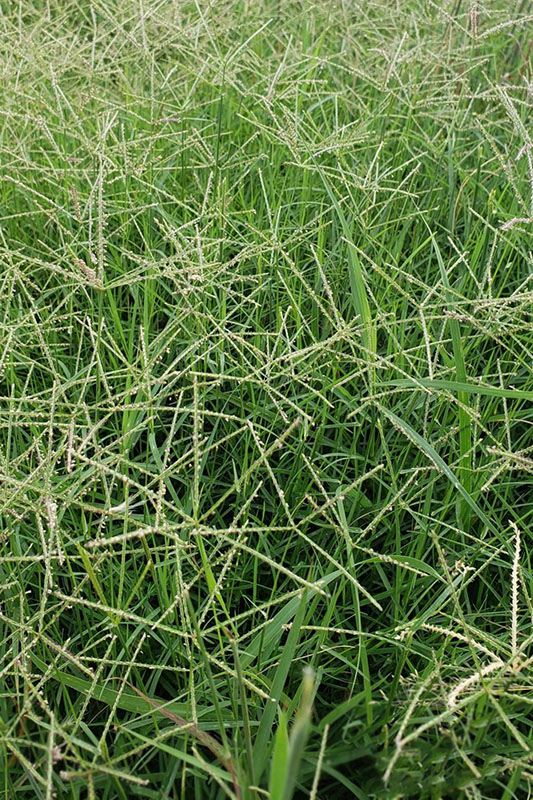
Credit: extension.okstate.edu
Ideal Conditions For Bermuda Grass
Bermuda grass thrives best under specific conditions. Understanding these helps in identifying and growing it well. This grass is tough and adapts, but it performs best in certain climates and soils. Knowing its ideal environment aids gardeners and landscapers in making smart choices.
Climate Preferences
Bermuda grass grows best in warm climates. It likes temperatures between 75°F and 95°F. It can survive hot summers and mild winters. This grass does not do well in very cold places. It goes dormant and turns brown in cold weather.
Soil Requirements
Bermuda grass prefers well-drained soil. Sandy or loamy soils work best. It grows slowly in heavy clay or compacted soils. The soil pH should be between 5.8 and 7.0. This range helps the grass absorb nutrients easily.
Sunlight And Water Needs
This grass needs full sunlight to grow thick and green. It requires at least 6 to 8 hours of direct sun daily. Bermuda grass handles drought better than many grasses. Still, regular watering helps keep it healthy and lush. Avoid overwatering to prevent root problems.
Tools For Identifying Bermuda Grass
Identifying Bermuda grass requires specific tools to see its unique features clearly. These tools help you check the grass closely and understand its growth pattern. Using the right tools makes identification easier and more accurate.
Using A Magnifying Glass
A magnifying glass helps you see small details on Bermuda grass leaves. You can check the leaf edges and texture carefully. This tool shows the tiny hairs and veins that make Bermuda grass special. It also helps spot the stolons and rhizomes, which spread the grass underground. A simple magnifying glass works well for this close inspection.
Soil And Grass Sample Testing
Testing soil and grass samples reveals important clues about Bermuda grass. You can collect a small patch of grass and soil from your lawn. Send these samples to a lab or use a home testing kit. Tests show soil pH and nutrient levels that Bermuda grass prefers. They can also identify the grass type by its DNA or cell structure. This method gives a scientific way to confirm Bermuda grass.
Mobile Apps And Online Resources
Mobile apps help identify Bermuda grass using photos. Take a clear picture of the grass and upload it to the app. The app compares your photo with a large database of grass types. You get quick results and care tips for Bermuda grass. Online resources include websites and videos that explain how to spot Bermuda grass. These tools make identification easy and available anytime.
Maintaining Bermuda Grass Health
Maintaining Bermuda grass health requires simple and steady care. This grass thrives with the right cutting, feeding, and protection. Healthy Bermuda grass looks green, thick, and strong all season long. Follow these key steps to keep your lawn in top shape.
Proper Mowing Techniques
Cut Bermuda grass at about 1 to 2 inches tall. Use a sharp mower blade for clean cuts. Mow often enough to never remove more than one-third of the grass height. This avoids stress and helps the grass grow thicker. Change mowing patterns to prevent soil compaction and wear spots.
Fertilization Tips
Feed Bermuda grass with nitrogen-rich fertilizer during growing months. Apply fertilizer every 6 to 8 weeks for steady growth. Water the lawn lightly after fertilizing to help nutrients soak in. Avoid over-fertilizing. It can cause weak grass and more weeds.
Pest And Disease Management
Watch for signs of pests like grubs or chinch bugs. Treat early with safe insecticides or natural remedies. Check for brown patches or spots that may signal disease. Use fungicides if needed and improve lawn drainage. Healthy grass resists pests and diseases better.
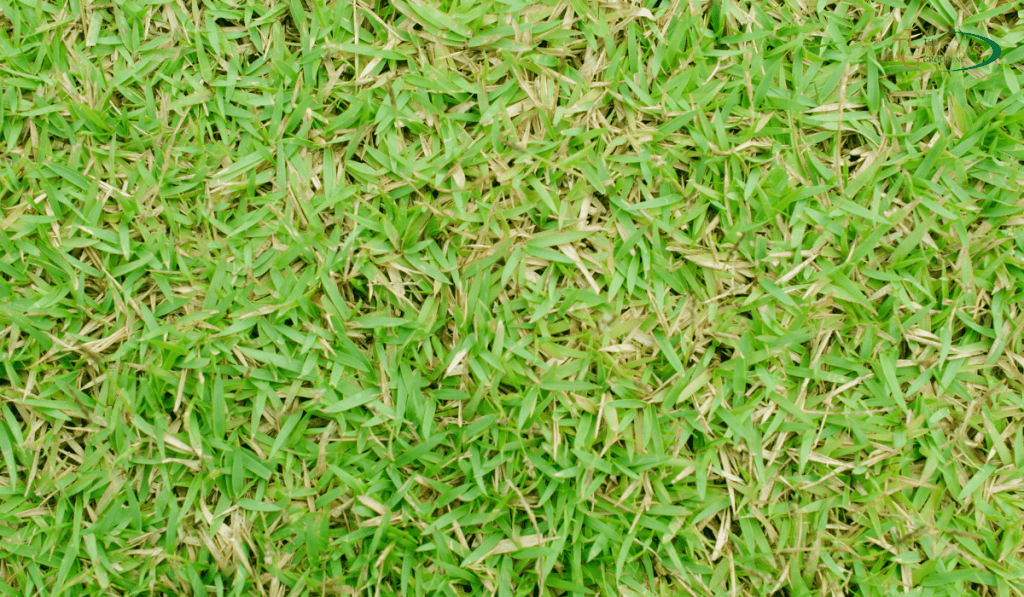
Credit: theturfgrassgroup.com
Frequently Asked Questions
What Are The Key Features Of Bermuda Grass?
Bermuda grass has fine, dense blades that form a thick carpet. It has a deep green color and spreads via stolons and rhizomes. The grass tolerates heat and drought well, making it popular in warm climates.
How To Distinguish Bermuda Grass From Other Grasses?
Look for its coarse texture and V-shaped leaf tips. Bermuda grass grows low and spreads quickly through runners. It also produces seed heads with multiple slender spikes during summer.
When Is The Best Time To Identify Bermuda Grass?
The best time is late spring to early summer. During this period, Bermuda grass is actively growing and shows its dense, green foliage clearly. Seed heads also appear, aiding identification.
Can Bermuda Grass Survive In Cooler Climates?
Bermuda grass prefers warm climates but can survive mild winters. It goes dormant and turns brown in cold temperatures. It is less suitable for regions with long, harsh winters.
Conclusion
Identifying Bermuda grass helps you care for your lawn better. Its fine texture and dark green color stand out. Notice how it spreads quickly with runners on soil. Knowing these traits makes lawn care easier and saves time. Regular checks keep your yard healthy and green.
Spotting Bermuda grass early also prevents unwanted weeds. Keep your lawn neat by recognizing this common grass type. Simple steps lead to a beautiful, well-maintained lawn every season.
