

Are you struggling to figure out if your lawn has Zoysia grass? Knowing how to identify Zoysia grass can save you time and money on lawn care.
This type of grass looks unique and feels different under your feet, but it’s easy to confuse it with other grasses. You’ll discover simple tips to spot Zoysia grass quickly and accurately. By the end, you’ll feel confident in recognizing this tough, beautiful grass and learning how to keep it healthy.
Keep reading to unlock the secrets that lawn experts don’t always share!
Zoysia Grass Basics
Zoysia grass is a popular choice for lawns in warm climates. It grows slowly but forms a thick, green carpet that resists weeds well. This grass type handles heat and drought better than many others. It also stays green longer in cooler seasons. Understanding the basics helps in identifying and caring for Zoysia grass.
Key Features To Spot
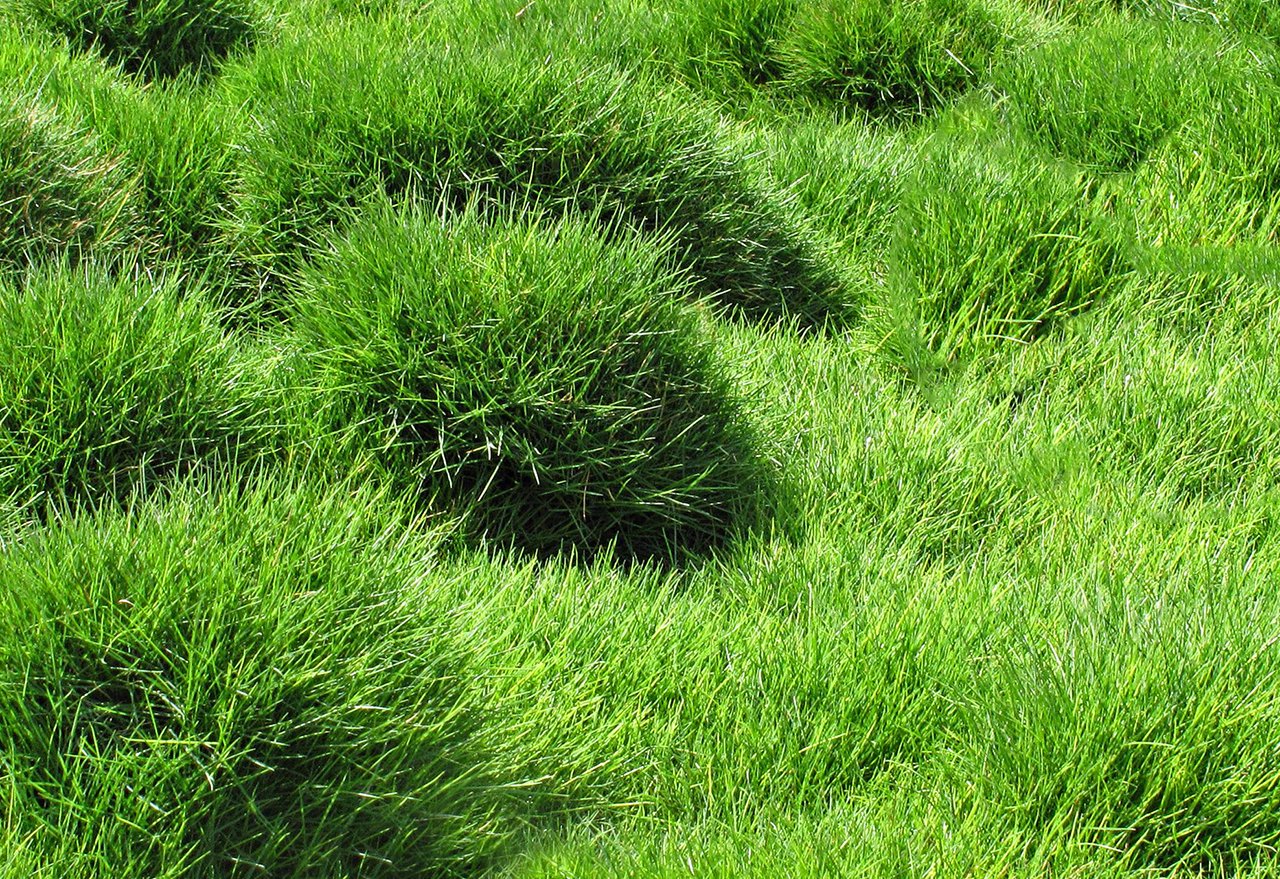
Zoysia grass blades are narrow and stiff. The color varies from medium to dark green. It grows in dense patches that feel soft underfoot. The grass spreads using above-ground runners called stolons and underground stems called rhizomes. This growth pattern helps it fill in bare spots quickly. It tolerates foot traffic and recovers fast from damage. The texture is finer than Bermuda grass but coarser than fescue.
Common Varieties
Several types of Zoysia grass exist. Common Zoysia has medium leaf blades and adapts well to many soils. Emerald Zoysia is finer and darker green, often used in high-end lawns. Meyer Zoysia is cold-tolerant and grows faster, making it good for cooler areas. Each variety has unique traits but shares the same tough, drought-resistant nature. Choosing the right variety depends on climate and lawn use.
Credit: www.whygoodnature.com
Visual Characteristics
Zoysia grass has distinct visual traits that help identify it easily. Observing these traits closely can tell you if your lawn has this type of grass. Focus on the shape, texture, and color of the blades. These features are key to spotting Zoysia grass correctly.
Blade Shape And Texture
Zoysia grass blades are narrow and pointed. They grow in a dense, thick pattern. The texture feels coarse but soft underfoot. Blades often have a slight curl or wave. This curling makes the grass look plush and full. The blades grow in bunches, creating a tight carpet effect.
Color Variations
Zoysia grass colors range from light green to deep green. Some types show a yellowish tint during hot seasons. The color stays vibrant in cooler months. This grass changes color slowly, not suddenly. This steady color change helps it stand out in lawns. The green shades give your yard a healthy, rich look.
Growth Patterns
Zoysia grass is known for its unique growth patterns. These patterns help identify the grass easily. Understanding these can guide proper lawn care and maintenance. Growth habits affect how the grass spreads and changes with seasons.
Spreading Habits
Zoysia grass spreads using stolons and rhizomes. Stolons are above-ground runners. Rhizomes grow underground. This dual method makes Zoysia dense and thick. It forms a strong, carpet-like lawn. The grass fills bare spots quickly. This spreading helps control weeds naturally.
Seasonal Changes
Zoysia grass changes color with the seasons. It stays green in warm months. During cold months, it turns brown or dormant. The grass slows growth in winter. It recovers quickly when warm weather returns. These seasonal shifts affect lawn appearance and care timing.
Credit: simplelawnsolutions.com
Environmental Preferences
Zoysia grass grows best in certain environments. Knowing its preferences helps you spot it easily. This grass thrives under specific sunlight and soil conditions. Understanding these factors helps in identifying Zoysia grass in your yard or garden.
Sunlight And Shade Tolerance
Zoysia grass prefers full sunlight but can handle some shade. It grows well with at least four to six hours of sun daily. Too much shade can thin the grass and slow its growth. It adapts better than many grasses in partial shade areas. This makes it suitable for lawns with scattered trees.
Soil Requirements
Zoysia grass grows best in well-drained soils. It prefers sandy or loamy soil with a neutral pH level. Heavy clay soils can cause problems but Zoysia can adapt slowly. It does not like waterlogged or very dry soils. Knowing this helps you recognize Zoysia in different soil types.
Comparing With Other Grasses
Comparing Zoysia grass with other common lawn grasses helps to spot its unique traits. Each grass type has features that make it stand out. Knowing these differences makes it easier to identify Zoysia in your yard or garden.
Focus on leaf texture, color, and growth patterns. These clues reveal which grass you have.
Differences From Bermuda Grass
Zoysia grass has wider blades than Bermuda grass. Its leaves feel softer and thicker. Bermuda grass blades are thin and wiry. Zoysia grows slower, forming dense mats that block weeds well. Bermuda spreads faster and looks more coarse. Color-wise, Zoysia has a rich green shade. Bermuda often appears lighter or yellowish-green.
Contrasting With St. Augustine Grass
St. Augustine grass has broad, flat leaves. Zoysia’s leaves are narrow and pointed. St. Augustine feels spongy underfoot, unlike Zoysia’s firm texture. Zoysia tolerates drought better than St. Augustine. St. Augustine prefers shade and moist soil. Zoysia thrives in sun and resists foot traffic more.
Maintenance Tips
Maintaining Zoysia grass keeps your lawn healthy and green. Proper care helps the grass grow thick and resist weeds. Follow these simple tips for mowing and watering to keep your lawn in top shape.
Mowing Best Practices
Cut Zoysia grass often during the growing season. Keep the mower blade sharp to avoid tearing. Set the mower height between 1 and 2 inches. Mowing too short can stress the grass. Leave grass clippings on the lawn; they add nutrients back to the soil.
Watering Guidelines
Water Zoysia grass deeply but less often. Aim for about one inch of water each week. Early morning watering reduces evaporation and disease risk. Avoid frequent shallow watering; it weakens roots. Adjust watering based on rainfall and temperature.
Troubleshooting Common Issues
Troubleshooting common issues with Zoysia grass helps keep your lawn healthy. Recognizing problems early allows quick action. This prevents damage and keeps the grass green and lush. Understanding pests and diseases is key to proper care.
Pest Identification
Look for signs of pests on Zoysia grass blades and roots. Small holes or chewed edges suggest insects. Watch for brown patches or thinning grass. Common pests include chinch bugs, grubs, and armyworms. Check the soil for grubs by digging a small hole. If you see white larvae, treat the area. Use insecticidal soap or natural predators to control pests.
Disease Symptoms
Fungal diseases can cause discoloration and dead spots. Brown or yellow patches often mean fungal infection. Powdery mildew appears as white, powdery spots on leaves. Leaf spot disease shows dark spots with yellow halos. Root rot causes the grass to wilt and die. Keep the lawn well-drained and avoid overwatering. Apply fungicides if you notice these symptoms early.

Credit: www.willislawnservices.com
Frequently Asked Questions
What Are The Key Features Of Zoysia Grass?
Zoysia grass has fine, dense blades that grow in thick mats. It is green to dark green and feels soft underfoot. Its slow growth and tolerance to heat and drought make it popular for lawns.
How Can I Distinguish Zoysia Grass From Other Types?
Look for its densely packed, fine-textured blades and slow growth pattern. Zoysia forms a thick carpet and has a darker green color compared to Bermuda or St. Augustine grass.
When Is The Best Time To Identify Zoysia Grass?
The best time is during late spring to summer when Zoysia is actively growing. Its color and texture are most visible, making identification easier.
Does Zoysia Grass Have Any Unique Growth Habits?
Yes, Zoysia spreads through stolons and rhizomes, creating a dense turf. This growth helps it resist weeds and tolerate foot traffic well.
Conclusion
Identifying Zoysia grass is easier with these simple tips. Notice its thick, soft blades and slow growth. The grass feels dense and cushions your feet. Its color changes with seasons, turning brown in winter. Check for its fine texture and tight growth pattern.
Knowing these signs helps you care for your lawn better. Healthy Zoysia grass looks lush and spreads evenly. Keep observing your grass to spot these features well. This knowledge supports a beautiful, strong lawn all year.
