

Are you tired of seeing thin, patchy Bermuda grass in your yard? You want a lush, green lawn that stands out and feels soft underfoot.
Making your Bermuda grass thicker isn’t as hard as you might think. With the right steps, you can transform your lawn into a dense, vibrant carpet that you’ll be proud of. Keep reading, and you’ll discover simple, effective tips that will help your Bermuda grass grow fuller and healthier faster than you expected.
Your dream lawn is just a few easy changes away!

Credit: www.youtube.com
Choosing The Right Bermuda Grass
Choosing the right Bermuda grass is the first step to a thick, healthy lawn. The type of Bermuda grass you select affects growth, color, and durability. Different varieties suit different climates and uses. Knowing your options helps you pick the best grass for your yard.
Popular Bermuda Varieties
Several Bermuda grass varieties are popular for lawns. Common Bermuda grows quickly and handles foot traffic well. It has a coarse texture but fills in fast. Hybrid Bermuda types like Tifway and Celebration offer finer blades and denser growth. These hybrids stay green longer and resist pests better. Choose a variety that matches your climate and lawn use.
Selecting Quality Seed Or Sod
Quality seed or sod is vital for thick Bermuda grass. Look for fresh seeds with high germination rates. Old or poor seed may grow thin and weak. Sod should be healthy and free of weeds. Check the soil under sod to ensure it is moist and fertile. Good seed or sod sets the foundation for strong grass growth and thickness.
Soil Preparation Tips
Preparing the soil is key to making Bermuda grass thicker. Healthy soil helps roots grow deep and strong. It gives grass the nutrients it needs. Proper soil care leads to a lush, green lawn. Follow these tips to improve your soil before planting or overseeding Bermuda grass.
Testing And Improving Soil Quality
Test your soil to know its condition. Use a soil test kit or send samples to a lab. The test shows nutrient levels and pH balance. Bermuda grass grows best in soil with pH between 5.8 and 7.0. If the soil is too acidic, add lime. Add sulfur if the soil is too alkaline. Use fertilizer to fix nutrient shortages. Good soil quality helps grass spread evenly and stay healthy.
Proper Soil Aeration Techniques
Aerate the soil to improve air and water flow. Compacted soil blocks roots from growing well. Use a lawn aerator tool to make holes in the soil. Aeration allows oxygen and nutrients to reach roots easier. Do this in spring or early summer for best results. Avoid heavy foot traffic on the lawn after aeration. Proper aeration helps Bermuda grass grow thicker and stronger.
Watering Strategies
Proper watering is key to making Bermuda grass thick and green. Water helps grass roots grow deep and strong. It also supports healthy leaf growth. Watering the lawn the right way saves water and keeps grass healthy.
Optimal Watering Schedule
Water Bermuda grass early in the morning. This prevents water loss from evaporation. Aim for about 1 inch of water per week. Split this amount into two or three watering sessions. Each session should soak the soil 6 to 8 inches deep. Deep watering encourages roots to grow downward.
Avoiding Overwatering And Underwatering
Too much water can drown roots and cause disease. Watch for yellow or soft patches on the grass. These signs mean overwatering. On the other hand, underwatering makes grass dry and brown. Grass blades may curl or wilt. Check the soil moisture before watering again. The soil should be moist, not soggy or dry.
Fertilizing For Growth
Fertilizing your Bermuda grass helps it grow thick and green. It gives the grass the nutrients needed for strong roots and lush blades. Good fertilizing supports healthy growth through the growing season. Knowing the right fertilizer and timing can make a big difference in your lawn’s appearance.
Best Fertilizer Types For Bermuda
Choose fertilizers with nitrogen as the main nutrient. Nitrogen helps grass grow fast and green. Look for a balanced fertilizer with nitrogen, phosphorus, and potassium. A common ratio for Bermuda is 3-1-2 or 4-1-2. Use slow-release fertilizers to feed grass over time. Avoid too much phosphorus unless soil test shows a need. Organic fertilizers can also improve soil health.
Fertilizer Application Timing
Apply fertilizer during warm months when Bermuda grass grows most. Start fertilizing in late spring after the grass starts to green. Repeat every 6 to 8 weeks until early fall. Avoid fertilizing in winter or during drought stress. Water the lawn after applying fertilizer to help nutrients soak in. Follow label instructions for the best results.
Mowing Practices
Mowing is key to making Bermuda grass thick and healthy. Proper mowing helps grass grow strong and dense. It stops weeds and disease from taking over your lawn. Keeping your mower settings right supports good grass growth. A few simple mowing habits can make a big difference.
Ideal Mowing Height
Cut Bermuda grass to about 1 to 2 inches tall. This height keeps the grass blades healthy. It also lets sunlight reach the grass roots. Cutting too short can stress the grass. It makes the lawn weak and thin. Too tall, and the grass can get patchy. Stick to the right height for thick grass.
Frequency And Equipment Tips
Mow Bermuda grass often, around once a week in summer. This keeps the grass at the right height. Use a sharp mower blade for clean cuts. Dull blades tear grass and cause brown tips. Change mower blades regularly for best results. Avoid cutting more than one-third of the grass height at once. This prevents shock and helps the grass stay thick.

Credit: www.reddit.com
Weed And Pest Control
Weed and pest control plays a key role in making Bermuda grass thicker and healthier. Weeds steal nutrients and water from your grass. Pests damage the grass blades and roots. Keeping both under control helps your Bermuda grass grow strong and dense.
Using the right methods protects your lawn without harming it. Regular checks and quick actions stop problems early. Healthy Bermuda grass can fight off many issues by itself.
Common Bermuda Grass Weeds
Crabgrass is a common weed that spreads quickly in Bermuda lawns. It grows faster and crowds out grass. Dandelions have deep roots and bright yellow flowers. They compete for nutrients and water. Clover also invades lawns, creating patches where grass thins. Broadleaf weeds like plantain and chickweed often appear in bare spots. Removing these weeds early stops them from spreading.
Safe Pest Management
Mites, grubs, and armyworms are common pests in Bermuda grass. These insects feed on grass roots and blades. Using natural predators like ladybugs can reduce pest numbers safely. Applying insecticidal soaps or neem oil controls pests without chemicals. Avoid overusing pesticides as they harm beneficial insects. Watering properly and mowing at the right height keeps grass healthy. Strong grass resists pests better and recovers faster from damage.
Overseeding And Thatching
Overseeding and thatching are key steps to make Bermuda grass thicker. These methods help fill bare spots and improve lawn health. Overseeding adds new grass seeds to grow dense turf. Thatching removes dead grass and allows roots to breathe.
When To Overseed Bermuda Grass
Overseed Bermuda grass in early spring or late summer. These times offer warm soil for seeds to sprout. Avoid overseeding during extreme heat or cold months. Keep soil moist after seeding for better germination. Overseeding helps fill thin areas and boosts lawn thickness.
Removing Thatch For Better Growth
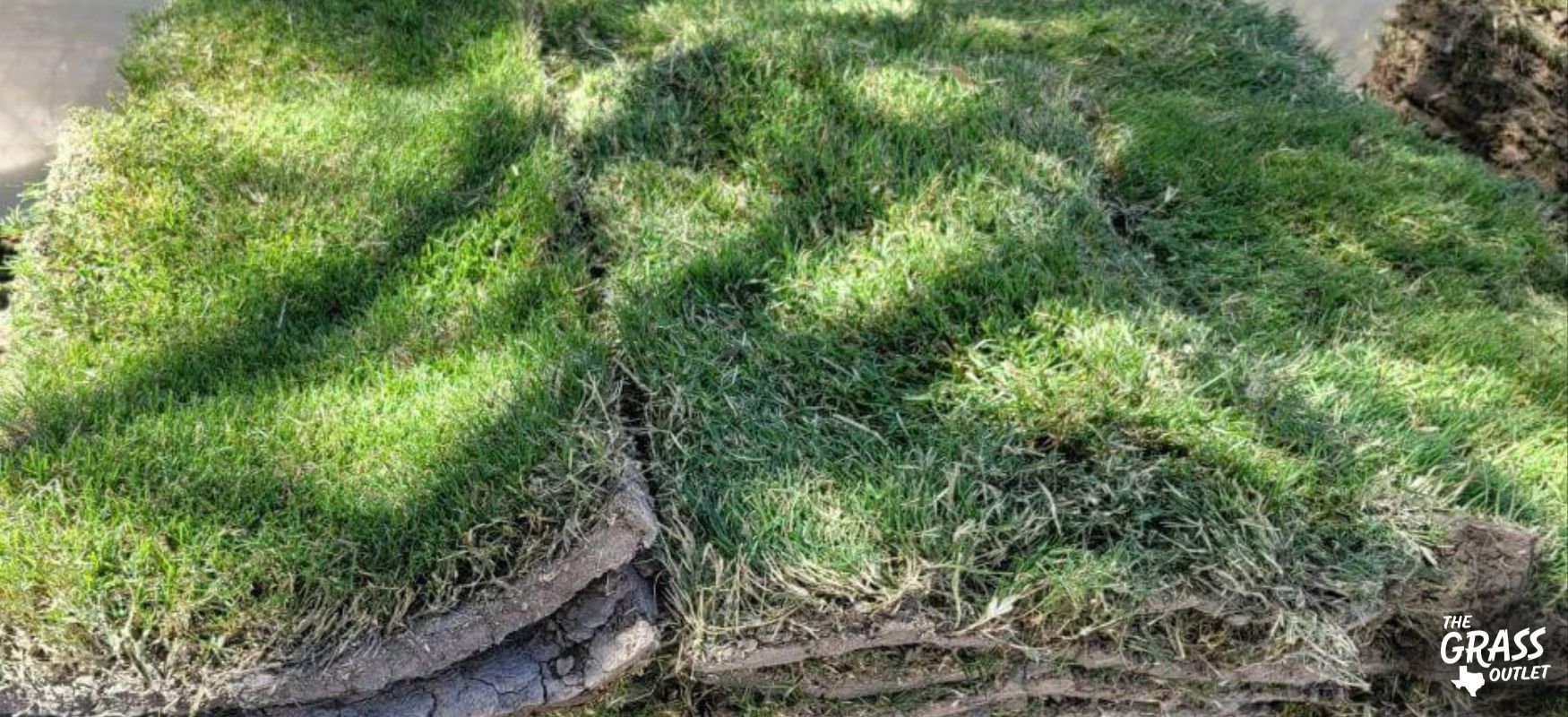
Thatch is a layer of dead grass between soil and green blades. Too much thatch blocks water and nutrients from reaching roots. Remove thatch using a rake or dethatcher tool. Clear thatch once a year to keep lawn healthy. Removing thatch improves air flow and encourages thick growth.
Credit: thegrassoutlet.com
Seasonal Care Guidelines
Seasonal care is key to making Bermuda grass thicker. Each season needs different steps. Following these steps helps your lawn stay healthy all year. Healthy care in spring, summer, fall, and winter improves grass growth. Learn what to do in each season for a thick lawn.
Spring And Summer Maintenance
Spring and summer are active growing times for Bermuda grass. Mow the grass regularly but avoid cutting too short. Keep the grass about 1 to 2 inches tall. Water deeply once or twice a week to reach the roots. Use a nitrogen-rich fertilizer every 6 to 8 weeks. Remove weeds quickly to prevent competition. Aerate the soil if it feels hard or compact. These steps help Bermuda grass grow thick and green.
Fall And Winter Preparation
Fall and winter need different care for Bermuda grass. Reduce watering as the weather cools. Stop fertilizing by late fall to let grass rest. Rake leaves to avoid mold and diseases. Mow less often but keep the grass a little longer. Apply a winterizer fertilizer with potassium for root health. Avoid heavy foot traffic on the lawn during frost. Preparing your lawn in fall helps it grow strong next spring.
Frequently Asked Questions
How Often Should I Water Bermuda Grass For Thickness?
Water Bermuda grass deeply once or twice a week. Avoid daily shallow watering. Deep watering encourages strong root growth, leading to thicker grass.
What Is The Best Fertilizer For Thicker Bermuda Grass?
Use a high-nitrogen fertilizer in spring and summer. Nitrogen promotes lush, green growth. Apply fertilizer every 6-8 weeks for optimal thickness.
How Do I Properly Mow Bermuda Grass For Density?
Mow Bermuda grass at 1-2 inches height. Keep mower blades sharp and mow frequently. Proper mowing encourages lateral growth and a thicker lawn.
Can Aeration Improve Bermuda Grass Thickness?
Yes, aeration reduces soil compaction and improves root growth. Aerate in spring or early summer for best results. This helps nutrients and water penetrate deeper.
Conclusion
Thick Bermuda grass needs regular care and attention. Water it deeply but not too often. Mow your lawn at the right height for growth. Use fertilizer to feed the grass well. Remove weeds that compete for nutrients. Aerate the soil to help roots breathe.
Patience matters; thick grass takes time to grow. Follow these steps and enjoy a lush green lawn. Your effort will bring great results soon.
