
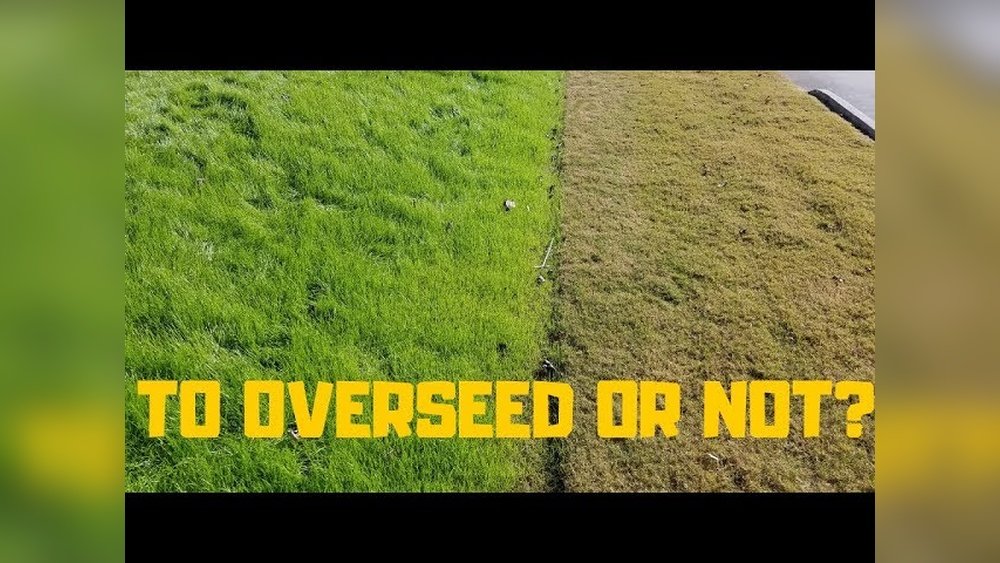
If you want a lush, green lawn all year round, overseeding your Bermuda grass with ryegrass is the secret you need to know. You might have noticed your Bermuda grass turning brown or thinning out during cooler months.
Ryegrass can fill in those gaps, keeping your lawn vibrant and healthy when Bermuda grass goes dormant. But how do you do it right? You’ll discover simple steps to overseed your Bermuda grass with ryegrass effectively, so your yard stays green and inviting no matter the season.
Keep reading to transform your lawn and impress everyone who sees it!

Credit: www.youtube.com
Choosing The Right Ryegrass
Choosing the right ryegrass is key for overseeding Bermuda grass. The right seed ensures a lush, green lawn all winter. Not all ryegrass types work well with Bermuda. Understanding the differences helps you pick the best match for your lawn’s needs.
Annual Vs Perennial Ryegrass
Annual ryegrass grows quickly and lasts one season. It provides fast cover but dies after winter. Perennial ryegrass grows slower but stays green for many years. It offers lasting color and better wear tolerance. Choose annual for quick, temporary cover. Choose perennial for durability and long-term beauty.
Selecting Seed Quality
High-quality seed improves germination and growth. Check the seed label for purity and germination rates. Avoid seeds with many weed seeds or fillers. Fresh seed germinates better than old seed. Purchase from trusted suppliers for the best results. Quality seed saves time and money in the long run.
Best Ryegrass Varieties For Bermuda
Some ryegrass varieties blend well with Bermuda grass. Annual ryegrass varieties like Gulf or Jackson perform well in warm climates. For perennial types, choose Midnight or Palmer for good cold tolerance. These varieties resist disease and create a dense lawn. Pick varieties suited to your climate and soil for best results.

Credit: greenkeeperaz.com
Preparing Bermuda Grass For Overseeding
Preparing Bermuda grass for overseeding with ryegrass is crucial for a healthy, green lawn during cooler months. Proper preparation helps the ryegrass seed settle into the soil and grow well. It also ensures the Bermuda grass stays strong and recovers quickly in spring.
Focus on timing, mowing, thatching, and soil care before spreading the ryegrass seed. These steps set the foundation for a smooth overseeding process.
Timing The Overseed
Choose the right time to overseed Bermuda grass with ryegrass. Early fall is the best period. The soil is still warm, helping ryegrass seeds germinate fast. Cooler nights slow Bermuda grass growth, reducing competition. Avoid overseeding too late to prevent frost damage to new ryegrass.
Mowing And Thatching
Mow Bermuda grass short before overseeding. Cut it to about 1 inch tall. This helps ryegrass seeds reach the soil easily. Remove clippings and debris to clear the area. Thatch removal is important. Use a dethatcher or rake to clear thick thatch. This improves seed-to-soil contact and water absorption.
Soil Testing And Amendments
Test your soil to check nutrient levels and pH balance. Ryegrass grows best in soil with pH between 6.0 and 7.0. Add lime if the soil is too acidic. Fertilize with a balanced fertilizer high in phosphorus. This supports root growth. Proper soil preparation boosts seed germination and plant health.
Seeding Techniques
Seeding techniques play a key role in overseeding Bermuda grass with ryegrass. Proper methods help seeds grow strong and healthy. This section covers seed application, seeding rates, and how to ensure good seed-to-soil contact. These steps improve germination and lawn appearance.
Seed Application Methods
Spread the ryegrass seed evenly over the Bermuda grass area. Use a broadcast spreader for large lawns. For smaller patches, hand spreading works well. Avoid clumps to prevent uneven growth. Lightly rake the area after spreading. This helps mix seeds with soil and protects them from birds.
Optimal Seeding Rates
Use the right amount of seed for best results. Apply about 5 to 10 pounds of ryegrass seed per 1,000 square feet. Too much seed causes crowding and weak plants. Too little seed leaves bare spots. Check seed packaging for specific recommendations. Adjust rates based on lawn size and condition.
Ensuring Good Seed-to-soil Contact
Good seed-to-soil contact boosts germination rates. After spreading, lightly rake or roll the lawn. This presses seeds into the soil surface. Avoid deep burial, which can stop seed growth. Water the lawn gently after seeding. Keep soil moist to help seeds sprout and roots grow.
Watering And Maintenance
Watering and maintenance play a big role in overseeding Bermuda grass with ryegrass. Proper care helps the new ryegrass seeds grow strong and healthy. It also keeps the Bermuda grass ready for the cooler months ahead. Follow these steps closely to get the best results.
Irrigation Schedule Post-seeding
Water the seeded area lightly but often. Do this two to three times daily for about 10 minutes each. Keep the soil moist but not soaked. Reduce watering after the ryegrass sprouts, usually in 10 to 14 days. Switch to watering once a day deeply to encourage root growth. Water early in the morning to prevent disease.
Fertilizing Ryegrass
Apply a balanced fertilizer 3 to 4 weeks after seeding. Choose one with nitrogen to help the grass green up. Use slow-release fertilizers to avoid burning the young grass. Follow the instructions on the package for the right amount. Avoid fertilizing too soon, as it can harm the new seedlings.
Managing Traffic And Usage
Limit foot traffic on the overseeded lawn during the first few weeks. New ryegrass is delicate and can easily get damaged. Use signs or barriers to keep pets and children off the area. After 4 weeks, gradually allow normal use. This helps the grass get stronger without stress.
Controlling Weeds And Pests
Controlling weeds and pests is essential for a healthy lawn during overseeding. Weeds compete with ryegrass and Bermuda grass for nutrients, water, and sunlight. Pests can damage the grass blades and roots, reducing the lawn’s quality. Proper control helps ryegrass grow strong and creates a lush, green lawn.
Pre- And Post-emergent Herbicides
Pre-emergent herbicides stop weed seeds from sprouting. Apply them before overseeding to reduce weed growth. Choose herbicides safe for both Bermuda grass and ryegrass. Post-emergent herbicides kill visible weeds after they appear. Use them carefully to avoid harming the grass. Always follow the product instructions for the best results.
Common Pests To Watch
Watch for pests like grubs, chinch bugs, and armyworms. These insects feed on grass roots and leaves. Grubs cause brown patches by eating roots underground. Chinch bugs suck sap from grass blades, causing yellow spots. Armyworms chew on grass blades, leaving holes. Early detection helps control pests before they spread.
Integrated Pest Management
Integrated Pest Management (IPM) combines several methods to control pests safely. Start with regular lawn inspections to spot problems early. Use natural predators or beneficial insects to reduce pests. Apply pesticides only when necessary and in small amounts. Keep your lawn healthy with proper watering and mowing. Healthy grass resists pests and weeds better.

Credit: twincityseed.com
Transitioning Back To Bermuda Grass
Transitioning back to Bermuda grass after overseeding with ryegrass requires careful steps. This phase ensures your lawn returns to its warm-season beauty without stress. Proper timing and care help Bermuda grass regain strength and appearance quickly.
Timing Ryegrass Dormancy
Ryegrass will naturally start to fade as temperatures rise. Watch for signs like yellowing or thinning patches. This signals the ryegrass is going dormant. Begin preparing your Bermuda grass as ryegrass slows down. Avoid cutting ryegrass too early to prevent damage.
Reducing Water And Fertilizer
Cut back on watering as ryegrass fades. Bermuda grass prefers less frequent, deeper watering. Reduce fertilizer use gradually to encourage Bermuda growth. Too much fertilizer can keep ryegrass alive longer. Focus on feeding Bermuda grass with nitrogen-rich fertilizer.
Mowing Adjustments
Raise your mower height to protect Bermuda grass shoots. Keep mowing ryegrass at a higher level at first. Lower the blade gradually to Bermuda’s preferred height. Avoid cutting too short to reduce stress on Bermuda grass. Consistent mowing helps Bermuda grass grow strong again.
Troubleshooting Common Issues
Troubleshooting common issues during overseeding helps achieve a lush lawn. Identifying problems early saves time and effort. This section covers poor germination, patchy growth, and disease prevention. Follow these tips to keep ryegrass healthy and vibrant over Bermuda grass.
Poor Germination
Poor germination often results from dry soil or poor seed contact. Keep the soil moist but not soaked. Water lightly several times a day until seeds sprout. Avoid walking on the seeded area to prevent seed displacement. Use quality seed and check the expiration date before planting. Cooler temperatures help ryegrass germinate faster than hot weather.
Patchy Growth
Patchy growth can happen due to uneven seed spread or soil compaction. Use a broadcast spreader for even seed distribution. Aerate the soil before overseeding to improve air and water flow. Thin ryegrass patches may need a second seed application. Remove debris and dead grass to give seeds room to grow. Consistent watering promotes uniform growth across the lawn.
Ryegrass Disease Prevention
Diseases like rust and leaf spot damage ryegrass. Avoid overwatering, which creates a wet environment for fungi. Water early in the morning so grass dries quickly. Mow regularly at the right height to keep ryegrass healthy. Remove thatch buildup to reduce disease risk. Use fungicides only if you see clear signs of infection.
Frequently Asked Questions
What Is The Best Time To Overseed Bermuda With Ryegrass?
The ideal time to overseed Bermuda with ryegrass is early fall. This allows ryegrass to establish before winter. Cooler temperatures and moist soil promote seed germination and growth.
How Much Ryegrass Seed Should I Use For Overseeding?
Use about 5 to 10 pounds of ryegrass seed per 1,000 square feet. This rate ensures good coverage without overcrowding. Adjust based on lawn condition and desired density.
Can I Overseed Bermuda Grass With Ryegrass In Spring?
Spring overseeding is less effective because warm temperatures favor Bermuda growth. Ryegrass may struggle to establish before summer heat. Fall overseeding is recommended for better results.
How Do I Prepare Bermuda Grass For Ryegrass Overseeding?
Mow Bermuda grass low and remove debris before overseeding. Aerate the soil to improve seed contact. This preparation helps ryegrass seeds germinate and establish quickly.
Conclusion
Overseeding Bermuda grass with ryegrass keeps your lawn green and healthy. It helps fill bare spots and stops weeds from growing. Choose the right time and prepare the soil well. Spread seeds evenly and water regularly for best results. With patience and care, your lawn will look fresh all season.
Simple steps make a big difference in lawn quality. Try this easy method to enjoy a beautiful yard year-round.
