
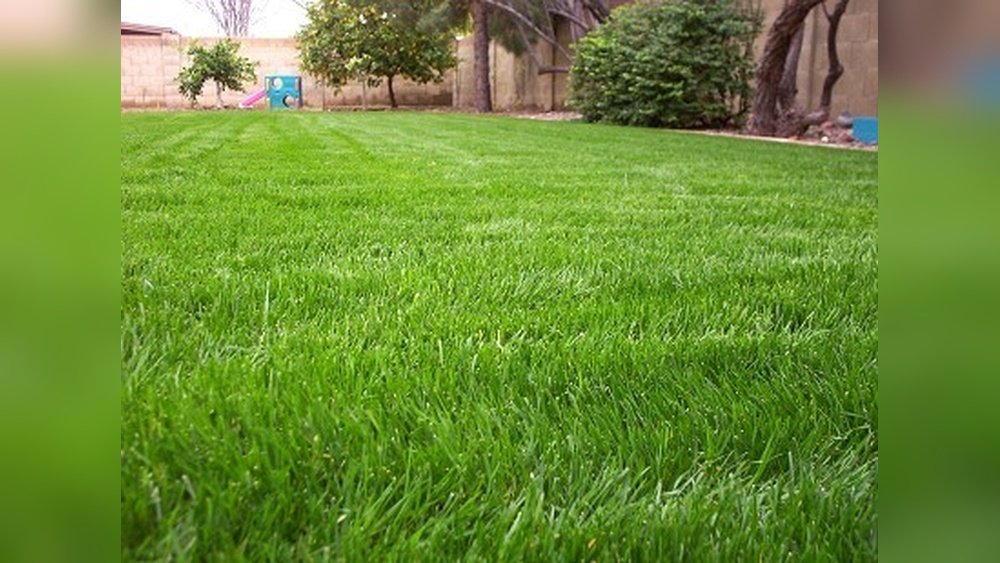
Are you ready to transform your yard into a lush, green oasis that thrives under the intense Arizona sun? Planting Bermuda grass is the perfect way to achieve a vibrant lawn that can handle the heat and drought.
But getting it right takes more than just scattering seeds. In this guide, you’ll discover simple, effective steps to plant Bermuda grass in Arizona, ensuring your lawn grows thick, healthy, and beautiful all year round. Keep reading, and you’ll learn exactly what your lawn needs to flourish in this unique climate.
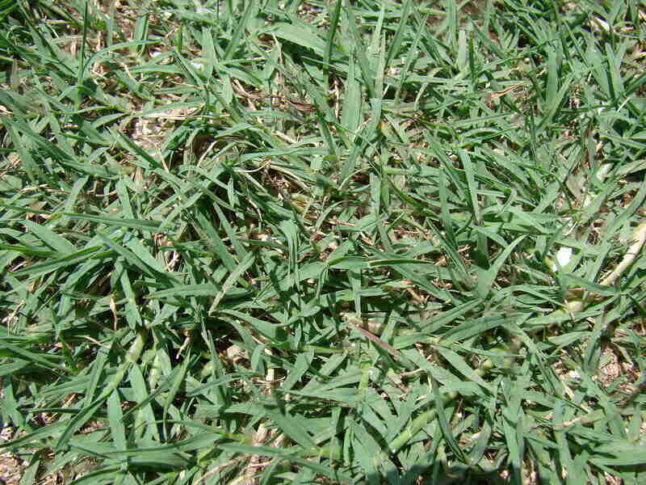
Credit: www.lawnstarter.com
Choosing The Right Bermuda Grass Variety
Choosing the right Bermuda grass variety is key for a healthy lawn in Arizona. The state’s hot climate and dry conditions need grass that can handle heat and drought well. Picking the best type helps the grass grow strong and stay green longer. It also means less work and water use for you.
Best Varieties For Arizona Climate
Bermuda grass thrives in Arizona, but some types do better than others. Common varieties like Common Bermuda and Hybrid Bermuda suit the hot, sunny weather. Hybrid types like Tifway and TifTuf resist drought and recover fast from damage. They also stay green in summer heat. Choose a variety with good heat tolerance and low water needs.
Seed Vs. Sod Options
Planting Bermuda grass can be done by seed or sod. Seeds cost less but take longer to grow and need more care. Sod gives instant green but costs more. Sod also helps control weeds better. For quick lawns, sod is a good choice. Seeds work well for large areas and tight budgets. Both options need good soil and watering to start strong.

Credit: www.youtube.com
Preparing Your Soil
Preparing your soil is the first step to a healthy Bermuda grass lawn. Good soil helps grass grow strong and green. Arizona’s dry climate needs special care for soil. Taking time to prepare soil well makes planting easier and improves grass growth.
Soil Testing And Ph Adjustment
Test your soil to know its nutrients and pH level. Use a simple soil test kit from a garden store. Bermuda grass prefers soil pH between 6.0 and 7.0. If the soil is too acidic, add lime. For alkaline soil, apply sulfur or peat moss. Adjusting pH helps grass absorb nutrients better.
Clearing And Leveling The Area
Remove rocks, weeds, and old grass before planting. Clear the ground to give Bermuda grass a fresh start. Level the soil to avoid water pooling. Use a rake or a lawn roller to smooth the surface. A flat area helps water spread evenly and roots grow deep.
Improving Soil Drainage And Fertility
Arizona soil can be heavy or sandy, affecting water drainage. Mix organic matter like compost or aged manure into the soil. This improves texture and adds nutrients. Good drainage prevents root rot and helps grass stay healthy. Fertile soil gives Bermuda grass the food it needs to thrive.
Planting Bermuda Grass
Planting Bermuda grass in Arizona requires careful attention to timing and technique. This grass thrives in warm climates and needs proper care to establish well. Choosing the right planting method can make a big difference in how your lawn looks and grows.
Optimal Planting Time
Plant Bermuda grass in late spring or early summer. The soil should be warm, above 65°F. Warm soil helps seeds germinate quickly. Avoid planting in cold months. The grass will struggle to grow and may die.
Seeding Techniques
Start by preparing the soil. Remove rocks, weeds, and debris. Loosen the top 2 inches of soil. Spread seeds evenly over the area. Use about 1 to 2 pounds of seed per 1,000 square feet. Lightly rake to cover seeds with soil. Water gently but deeply after planting.
Sodding Tips
Choose fresh Bermuda sod for best results. Lay sod pieces tightly side by side. Stagger seams like bricks to avoid gaps. Press sod firmly into soil to remove air pockets. Water sod immediately after installation. Keep soil moist for the first 2 weeks to help roots grow.
Watering Strategies
Watering Bermuda grass in Arizona needs careful planning. The dry and hot climate makes it hard for new grass to grow without enough water. Right watering helps grass roots grow deep and strong. It also keeps the lawn green and healthy through hot days. Follow these watering strategies to give your Bermuda grass the best start.
Initial Watering Schedule
Start by watering your new Bermuda grass twice a day. Early morning and late afternoon work best. Each session should moisten the soil about 1 inch deep. Keep this schedule for the first two weeks. The goal is to keep the topsoil wet but not soaked. This helps seeds or sprigs to sprout and take root.
Maintaining Moisture Levels
After the first two weeks, water once daily. Check the soil moisture by feeling it with your fingers. The soil should be damp but not muddy. Adjust watering if the soil dries out quickly. Avoid overwatering to prevent fungus or root rot. Keep watering until grass grows thick and strong.
Watering Adjustments For Arizona Heat
In the hottest months, water early in the morning only. This reduces water loss from evaporation. Increase watering time but not the frequency. Deep watering helps roots grow deeper and find moisture. Reduce watering in cooler months to save water. Watch your grass color for signs of drought stress.
Fertilizing For Growth
Fertilizing Bermuda grass in Arizona helps it grow strong and green. The right fertilizer gives the grass the nutrients it needs. Proper feeding supports deep roots and thick blades. Knowing when and how to fertilize keeps the lawn healthy.
Choosing The Right Fertilizer
Select a fertilizer high in nitrogen for Bermuda grass. Nitrogen helps the grass grow lush and green. Look for a balanced mix with some phosphorus and potassium. These nutrients improve root strength and disease resistance. Use a slow-release fertilizer to feed the grass steadily. This type prevents nutrient loss in Arizona’s heat.
Fertilization Timeline
Start fertilizing in early spring when grass begins to grow. Apply fertilizer every six to eight weeks during the growing season. Stop feeding in late fall before the grass goes dormant. Avoid fertilizing in winter as the grass rests. Follow the schedule to maintain healthy, vibrant grass all year.
Avoiding Over-fertilization
Do not apply too much fertilizer at once. Excess nutrients can burn the grass and harm roots. Over-fertilizing leads to weak, patchy lawns and waste of product. Always follow the fertilizer label instructions carefully. Water the lawn after fertilizing to help nutrients soak in. This practice ensures safe and effective feeding.
Mowing And Lawn Care
Taking care of Bermuda grass in Arizona means regular mowing and proper lawn care. These steps keep your grass healthy and green. Mowing helps the grass grow thick and prevents weeds from taking over. Proper care also protects your lawn from pests and diseases. Follow these simple tips to maintain a beautiful Bermuda lawn.
Proper Mowing Height
Set your mower to cut Bermuda grass between 1 and 2 inches tall. This height helps the grass grow strong roots. Cutting too short can damage the grass and cause brown spots. Too tall grass may become weak and attract pests. Keep the blade sharp for a clean cut.
Frequency Of Mowing
Mow your Bermuda grass often during the growing season. Aim for mowing once a week in spring and summer. This keeps the grass at the right height and stops weeds from spreading. Reduce mowing to every two weeks in cooler months. Avoid cutting more than one-third of the grass blade at once.
Handling Weeds And Pests
Check your lawn regularly for weeds and pests. Pull out weeds by hand or use safe herbicides made for Bermuda grass. Treat pests early with insecticides or natural remedies. Healthy grass can fight off many pests by itself. Water and fertilize properly to keep your lawn strong.
Dealing With Common Challenges
Planting Bermuda grass in Arizona has its challenges. The hot climate and dry conditions can stress the grass. Proper care helps the grass grow strong and green. Understanding common problems helps you keep your lawn healthy.
Heat Stress Management
Arizona’s summer heat can harm Bermuda grass. Water the lawn early in the morning. This reduces water loss and cools the soil. Avoid mowing during peak heat hours. Keep mower blades sharp for clean cuts. Grass that is cut too short can dry out faster. Use shade cloths if possible to protect young grass.
Drought Tolerance Tips
Bermuda grass is drought tolerant but still needs water. Water deeply but less often to encourage deep roots. Let the soil dry slightly between watering. Use mulch to keep soil moist longer. Aerate the lawn to improve water absorption. Choose drought-resistant Bermuda varieties for better survival.
Preventing Thatch Buildup
Thatch is a layer of dead grass that blocks water. It can stop nutrients from reaching roots. Rake the lawn regularly to remove thatch. Use a dethatching rake or machine in spring. Avoid over-fertilizing, which increases thatch. Proper watering and mowing reduce thatch formation.
Long-term Lawn Maintenance
Maintaining Bermuda grass in Arizona requires ongoing care to keep your lawn healthy and green. Long-term maintenance helps the grass survive harsh heat and dry conditions. It also prevents weeds and diseases from taking over. Regular attention will keep your lawn thick and lush for years.
Seasonal Care Practices
Adjust your lawn care based on the season. In spring, water deeply and fertilize to encourage growth. Summer needs more frequent watering due to high heat. Reduce watering in fall to prepare the grass for dormancy. Avoid heavy feeding in winter when the grass is resting.
Aeration And Overseeding
Aerate your lawn once a year to improve soil health. This process lets air, water, and nutrients reach the roots. Overseed thin areas with Bermuda grass seed to keep the lawn thick. Aeration and overseeding help the grass recover from stress and damage.
Preparing Lawn For Winter
Stop fertilizing six to eight weeks before winter. Gradually reduce watering to help the grass harden off. Remove debris and leaves to prevent mold and pests. Mow the lawn one last time to a lower height before the cold arrives.

Credit: www.reddit.com
Frequently Asked Questions
What Is The Best Time To Plant Bermuda Grass In Arizona?
The ideal time to plant Bermuda grass in Arizona is late spring to early summer. Soil temperatures should be above 65°F for optimal germination. Planting during this period ensures strong growth and helps the grass establish before the intense summer heat.
How Do I Prepare Soil For Bermuda Grass In Arizona?
To prepare soil, first clear debris and weeds. Loosen the soil to a depth of 4-6 inches. Add organic matter or compost to improve fertility and drainage. Ensure the soil pH is between 6. 0 and 7. 0 for healthy Bermuda grass growth.
How Often Should I Water Bermuda Grass In Arizona?
Water Bermuda grass deeply but infrequently. Aim for about 1 inch of water per week, including rainfall. Early morning watering helps reduce evaporation. Adjust watering frequency based on temperature and soil moisture to avoid overwatering or drought stress.
Can Bermuda Grass Survive Arizona’s Extreme Heat?
Yes, Bermuda grass thrives in Arizona’s heat. It is drought-tolerant and adapts well to high temperatures. Proper watering and maintenance are essential to keep it healthy during extreme heat periods. It recovers quickly from heat stress and looks lush with care.
Conclusion
Planting Bermuda grass in Arizona can be simple and rewarding. Choose a sunny spot and prepare the soil well. Water regularly but avoid overwatering. Keep an eye on weeds to help your grass grow strong. With patience and care, your lawn will become green and healthy.
Enjoy the beauty of a fresh Bermuda grass lawn all year. Start today, and watch your yard thrive in the Arizona sun.
