
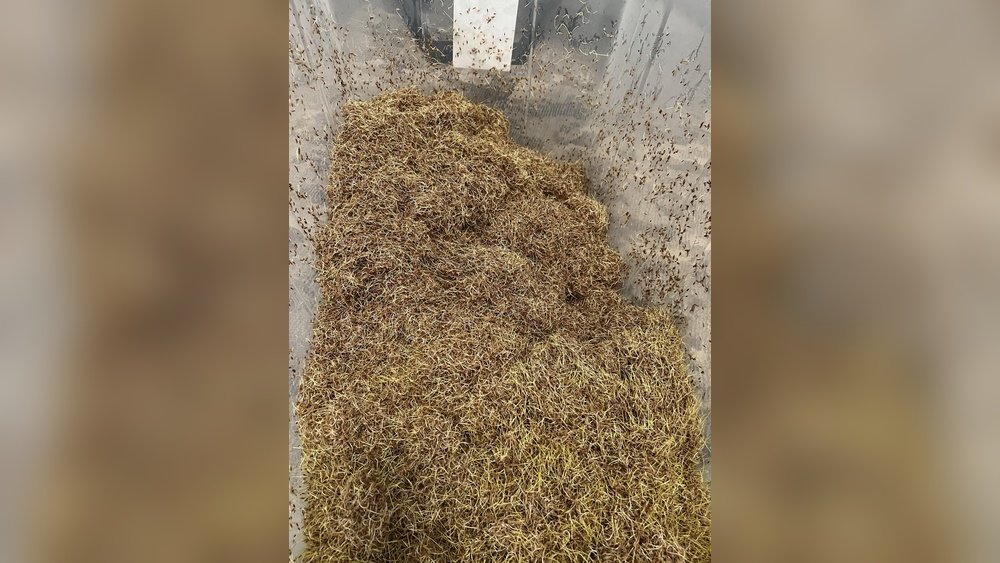
If you want a lush, green Bermuda grass lawn that grows faster and stronger, pre-germinating your seeds is a smart step you shouldn’t skip. Imagine seeing tiny green sprouts emerge quickly, giving your yard a head start against weeds and dry patches.
In this guide, you’ll learn simple, effective ways to pre-germinate Bermuda grass seed right at home. Follow these easy steps, and you’ll be amazed at how healthy and thick your lawn can become. Ready to get your grass growing like a pro?
Let’s dive in!
Benefits Of Pre Germinating Bermuda Grass Seed
Pre germinating Bermuda grass seed offers several advantages for a healthier lawn. It helps seeds sprout faster and grow stronger roots. This method ensures better seed survival and a denser grass cover.
Starting seeds before planting reduces the risk of seed loss due to weather or birds. It also speeds up the growing process. This means your lawn looks green and full sooner.
Faster Germination And Growth
Pre germinated seeds begin growing earlier than dry seeds. This shortens the time needed for the lawn to fill in. It helps you enjoy a lush lawn quicker.
Higher Seed Germination Rate
Soaking seeds boosts their ability to sprout. More seeds grow into healthy plants. This leads to fewer bare patches on your lawn.
Stronger Seedlings With Deep Roots
Pre germination encourages strong root development. Deep roots help grass survive drought and stress. This results in a more resilient lawn.
Better Use Of Water And Nutrients
Seeds that start growing early use water efficiently. They absorb nutrients faster for healthy growth. This reduces waste and improves lawn health.
Reduced Seed Waste And Cost
Only seeds that sprout are planted. This lowers seed loss from birds or wind. It saves money and resources over time.

Credit: www.youtube.com
Materials Needed For Pre Germination
Pre germinating Bermuda grass seed helps speed up growth and improve success. Gathering the right materials makes the process easy and effective. Prepare everything before starting to avoid delays.
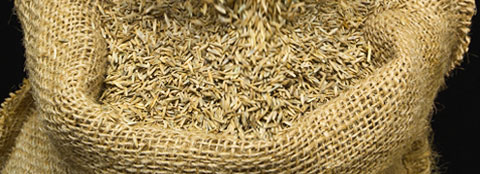
High-quality Bermuda Grass Seed
Choose fresh seed with good germination rates. Old or damaged seeds reduce sprouting chances. Quality seeds lay a strong foundation for healthy grass.
Clean Water
Use clean, room-temperature water for soaking. Avoid chlorinated or hard water. Pure water helps seeds absorb moisture evenly and start growing.
Container Or Bowl
Pick a shallow container or bowl to hold seeds and water. It must be clean and large enough to spread seeds out. This prevents clumping and promotes even soaking.
Paper Towels Or Cloth
Use paper towels or a clean cloth to keep seeds moist after soaking. These materials hold moisture without drowning seeds. They create a warm and humid environment for germination.
Plastic Wrap Or Lid
Cover the container with plastic wrap or a lid to retain moisture. This keeps seeds from drying out. It also maintains the right temperature during pre germination.
Spray Bottle
A spray bottle helps keep seeds moist without flooding them. Gentle misting prevents seeds from drying during the germination phase. It offers better control over moisture levels.
Preparing The Seeds For Germination
Preparing Bermuda grass seeds for germination is a key step to get a healthy lawn. It helps the seeds start growing faster and stronger. Before planting, the seeds need special care to wake them up from dormancy. This process makes sure more seeds will sprout and grow into grass.
Soaking The Seeds
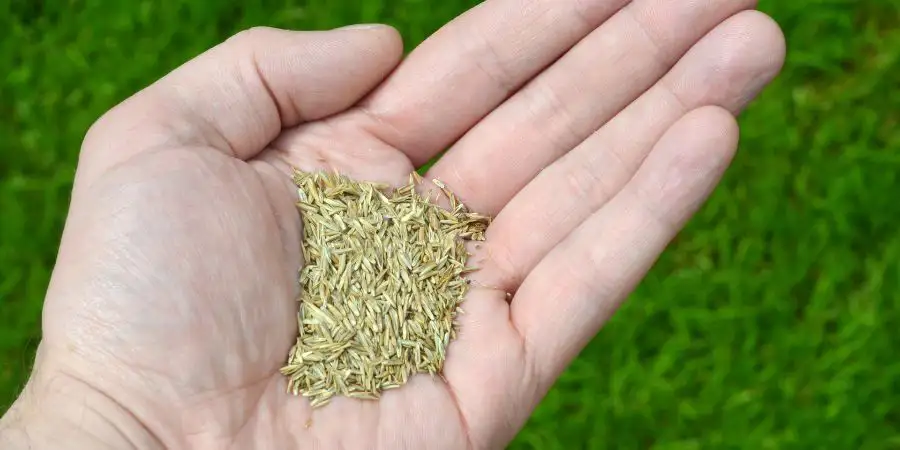
Soaking Bermuda grass seeds softens their hard outer shell. Use clean, lukewarm water for this step. Place the seeds in a bowl and cover them with water. Let the seeds soak for 12 to 24 hours. Do not soak for too long to avoid seed damage. After soaking, drain the water carefully. The seeds will look swollen and ready to sprout.
Using Paper Towels Or Mesh Bags
Another way to pre-germinate seeds is using paper towels or mesh bags. Place soaked seeds on a damp paper towel. Fold the towel gently over the seeds. Keep the towel moist but not soaked. Put the towel in a warm spot, like on top of a refrigerator. Check daily for tiny sprouts. Alternatively, use mesh bags to hold seeds and keep them moist. This method helps air flow and prevents mold. Both ways give seeds a good start before planting.
Credit: www.milorganite.com
Ideal Conditions For Seed Germination
Creating the right environment helps Bermuda grass seed sprout quickly. Seeds need specific conditions to start growing strong roots and shoots. Understanding these conditions boosts your success in pre-germination.
Temperature Requirements
Bermuda grass seed grows best in warm soil. Ideal soil temperature is between 70°F and 95°F. Cooler soil slows germination. Too hot soil can damage the seed. Keep soil warm but not scorching.
Moisture Control
Seeds need steady moisture to start growing. Keep the soil damp but not soaked. Overwatering can cause seeds to rot. Dry soil stops germination. Water gently and regularly to keep soil moist.
Light Exposure
Bermuda grass seeds do not need light to germinate. They sprout best in darkness or low light. Covering seeds with a thin soil layer helps. Once sprouted, seedlings need sunlight to grow strong.
Step-by-step Pre Germination Process
Pre germinating Bermuda grass seed helps speed up growth and improve success. This step-by-step process prepares seeds to sprout before planting. It increases the chance of strong, healthy grass.
Follow each step carefully. Use clean water and a warm place. Watch the seeds closely for signs of sprouting.
Soaking Duration
Place Bermuda grass seeds in a bowl of clean water. Use enough water to cover all seeds. Let them soak for 12 to 24 hours. Avoid soaking longer to prevent seed damage. Soaking softens the seed coat and starts germination.
Monitoring Seed Sprouts
After soaking, drain the water. Place seeds on a damp paper towel. Fold the towel over the seeds. Keep it moist and warm, around 70 to 80°F. Check seeds every 12 hours for tiny sprouts. Sprouts usually appear in 2 to 3 days.
Transferring Sprouted Seeds
Once sprouts reach about 1/4 inch, prepare the soil. Use loose, well-drained soil for planting. Gently transfer each sprouted seed to the soil. Cover lightly with soil, about 1/8 inch deep. Water the area gently to keep soil moist. Avoid heavy watering that may wash away seeds.
Credit: www.milorganite.com
Planting Sprouted Bermuda Grass Seeds
Planting sprouted Bermuda grass seeds is a critical step for a thick, healthy lawn. Sprouted seeds grow faster and have a better chance to take root. Proper planting helps the grass establish strong roots and spread evenly. Follow simple steps for best results.
Soil Preparation
Loosen the soil to about 2-3 inches deep. Remove rocks, weeds, and old grass pieces. Add organic matter like compost to improve soil texture. Level the area to avoid water pooling. Well-prepared soil helps roots grow quickly.
Planting Depth And Spacing
Plant sprouted seeds just below the soil surface, about 1/4 inch deep. Avoid planting too deep to prevent seedling death. Space seeds evenly to avoid overcrowding. Proper spacing allows sunlight and air to reach each plant.
Watering After Planting
Water the soil gently but thoroughly after planting. Keep the soil moist, not soaked, during germination. Water lightly once or twice a day, depending on weather. Consistent moisture helps roots grow strong and fast.
Common Mistakes To Avoid
Pre-germinating Bermuda grass seed can speed up lawn growth and improve success. Avoiding common mistakes helps your seeds sprout strong and healthy. Many beginners make small errors that slow germination or kill seeds.
Keep these tips in mind to get the best results from your pre-germination process. Each step matters for healthy grass.
Using Water That Is Too Hot Or Too Cold
Seeds need warm water to start germination. Water that is too hot can kill the seeds. Cold water slows down the sprouting process. Use water around 70 to 80 degrees Fahrenheit for best results.
Leaving Seeds In Water Too Long
Soaking seeds longer than 24 hours can cause them to rot. Check seeds often and remove them once they start to swell. Over-soaking reduces seed viability and lowers germination rates.
Not Using Clean Containers
Dirty containers can spread bacteria and mold. This harms seeds and stops growth. Always use clean jars or bowls and rinse well before use. Cleanliness helps prevent disease during germination.
Skipping The Drain And Dry Step
Seeds need air to breathe after soaking. Let them drain and dry on a paper towel for a few hours. Skipping this step leads to mold and poor sprouting. Proper air circulation is critical.
Planting Seeds Too Deep
Bermuda grass seeds are small and need shallow planting. Planting too deep stops sprouts from reaching sunlight. A thin layer of soil or sand works best. Keep the depth under 1/4 inch.
Tips For Faster And Healthier Growth
Growing Bermuda grass quickly and healthily starts with the right care. Pre-germinating seeds is just the first step. Follow these tips to help your grass sprout faster and stay strong.
Simple actions can make a big difference. Focus on soil, water, and sunlight to create the best conditions for growth.
Choose Quality Soil
Good soil helps seeds grow roots easily. Use loose, sandy soil with good drainage. Avoid heavy clay soils that hold too much water. Mixing compost can add nutrients for better growth.
Keep Seeds Moist But Not Wet
Moisture is key to germination. Water seeds gently every day to keep soil damp. Avoid puddles or soggy spots. Too much water can cause seeds to rot.
Provide Warm Temperatures
Bermuda grass seeds need warmth to sprout. Aim for soil temperatures between 70 and 85 degrees Fahrenheit. Use a heat mat or wait for warmer weather if needed.
Ensure Plenty Of Sunlight
Bermuda grass loves full sun. Place your seeds in an area that gets at least six hours of direct light daily. Sunlight helps leaves grow strong and green.
Protect Young Grass
Keep animals and heavy foot traffic away from new sprouts. Cover the area with a light mesh if needed. Young grass is fragile and needs time to settle.
Frequently Asked Questions
What Is Pre Germination Of Bermuda Grass Seed?
Pre germination is soaking seeds in water to speed up sprouting. It softens the seed coat, promoting faster root and shoot growth for better lawn establishment.
How Long Should Bermuda Grass Seeds Soak Before Planting?
Soak Bermuda grass seeds for 12 to 24 hours. Avoid soaking longer to prevent seed damage and ensure optimal germination rates.
Can Pre Germination Improve Bermuda Grass Growth Success?
Yes, pre germination boosts germination rates and speeds up seedling emergence. This leads to a thicker, healthier Bermuda grass lawn faster than direct seeding.
What Materials Are Needed To Pre Germinate Bermuda Grass Seed?
You need Bermuda grass seeds, clean water, and a container. Optionally, use a paper towel to keep seeds moist during pre germination.
Conclusion
Pre-germinating Bermuda grass seed helps you grow grass faster and stronger. It makes seeds ready to sprout before planting. This method improves your lawn’s chance to grow evenly and healthy. Keep seeds moist and warm for best results. Remember to plant them soon after sprouting.
With patience and care, you can enjoy a green, lush lawn. Simple steps bring great results. Give your Bermuda grass a good start today.
