

Is your Bermuda grass looking tired, patchy, or brown? You’re not alone.
Many homeowners struggle to keep this warm-season grass green and healthy. But don’t give up just yet. You can bring your Bermuda grass back to life with the right steps. Imagine stepping outside to a lush, vibrant lawn that makes your yard the envy of the neighborhood.
You’ll discover simple, effective ways to revive your Bermuda grass and keep it thriving all season long. Ready to transform your lawn? Let’s dive in.
Credit: theturfgrassgroup.com
Assessing Bermuda Grass Health
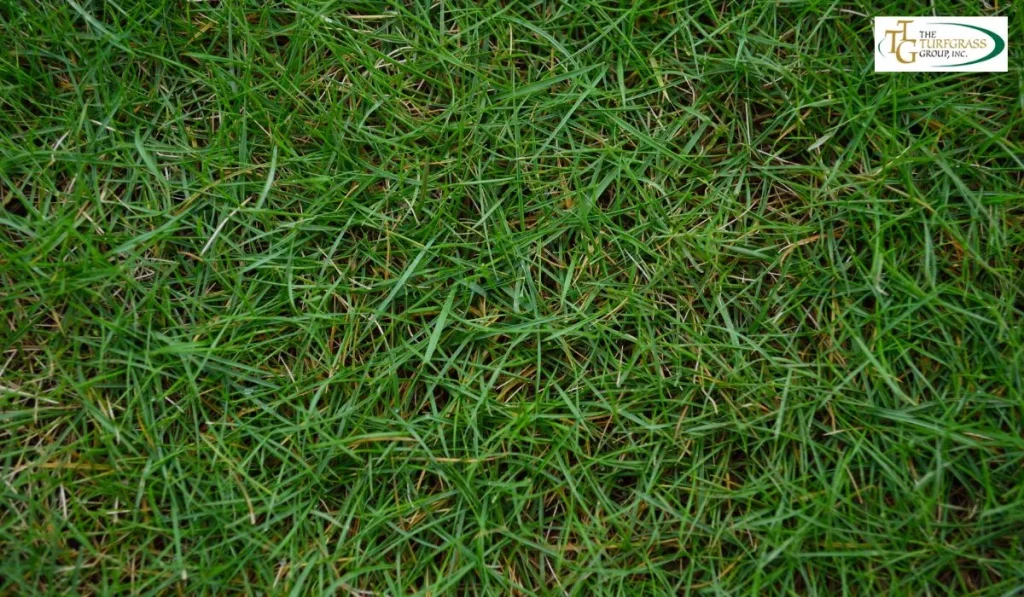
Assessing the health of your Bermuda grass is the first step to bring it back to life. It helps you understand what is wrong and how to fix it. Healthy grass looks green, thick, and grows evenly. If your lawn looks patchy or yellow, it needs some care.
Check the grass closely. Look at the color, texture, and growth pattern. This gives clues about the problems affecting your lawn. A careful check will save time and effort in the long run.
Identifying Common Problems
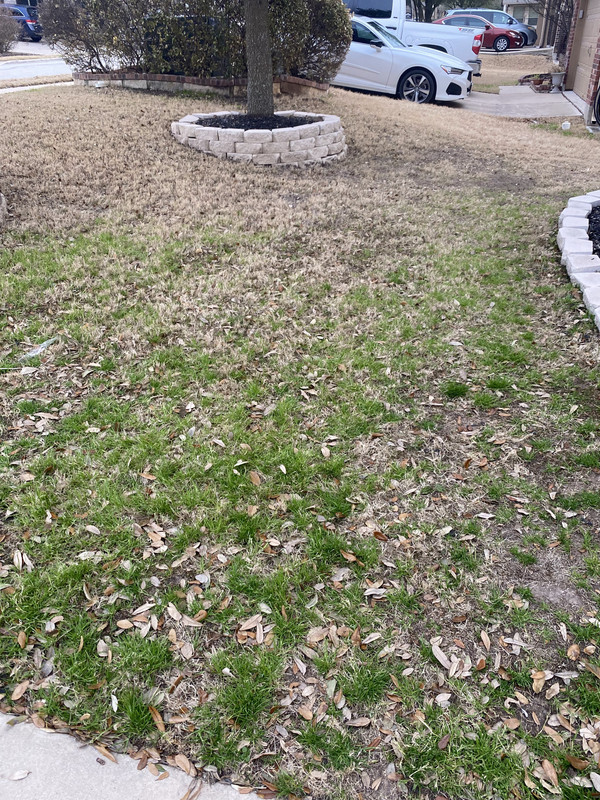
Spotting common issues helps in quick recovery. Brown spots may mean drought or pests. Yellow grass often shows nutrient lack or disease. Thin areas can result from heavy foot traffic or poor soil. Look for insects, mold, or fungus on the blades. Early detection stops damage from spreading.
Soil Testing Basics
Good soil supports strong grass. Test soil to learn its pH and nutrient levels. You can buy a simple kit or send samples to a lab. The test tells if soil is too acidic or alkaline. It also shows if your lawn needs fertilizer or lime. Adjusting soil helps grass grow thick and green.
Improving Soil Conditions
Improving soil conditions is key to bringing Bermuda grass back to life. Healthy soil helps grass roots grow strong. It also gives grass the water and nutrients it needs. Focus on adjusting pH, improving drainage, and adding nutrients. Each step supports a greener, thicker lawn.
Adjusting Ph Levels
Bermuda grass grows best in soil with a pH between 6.0 and 7.0. Test your soil to find out its pH level. Use lime to raise pH if the soil is too acidic. Use sulfur to lower pH if the soil is too alkaline. Proper pH helps grass absorb nutrients better.
Enhancing Soil Drainage
Poor drainage can cause water to pool, harming Bermuda grass roots. Check your soil for compacted areas that block water flow. Loosen soil by aerating or tilling to improve drainage. Add organic matter like compost to help water move through soil. Good drainage keeps roots healthy and prevents disease.
Adding Nutrients
Bermuda grass needs nutrients like nitrogen, phosphorus, and potassium. Use a balanced fertilizer to supply these essential nutrients. Spread fertilizer evenly over the lawn following package instructions. Organic options like compost or manure also boost soil fertility. Healthy soil feeds the grass, helping it grow thick and green.
Proper Mowing Techniques
Proper mowing techniques are vital to revive Bermuda grass. They help the grass grow strong and green again. Cutting the grass the right way boosts its health and stops damage. A well-mowed lawn looks neat and stays healthy. Follow these simple tips to mow Bermuda grass correctly.
Optimal Mowing Height
Keep Bermuda grass at a height between 1 and 2 inches. This height lets the grass grow thick and blocks weeds. Cut too short and the grass can get stressed. Too tall and the lawn looks messy and weak. Use a sharp mower blade for clean cuts. Sharp blades help the grass heal faster.
Mowing Frequency
Mow Bermuda grass often during its growing season. Usually, mowing once or twice a week works best. Frequent mowing keeps the grass healthy and stops it from getting too tall. Avoid cutting more than one-third of the grass blade at a time. This practice reduces stress and helps the grass recover quickly.

Credit: theturfgrassgroup.com
Watering Strategies
Watering is key to bringing Bermuda grass back to life. Proper watering helps roots grow deep and strong. It keeps the grass green and healthy during dry times. Using the right watering methods avoids waste and disease. Follow these tips to water Bermuda grass effectively.
Best Time To Water
Water early in the morning before the sun rises high. This reduces water loss from evaporation. It also gives grass time to dry during the day. Wet grass at night invites fungus and other problems. Morning watering helps the lawn soak up moisture fully.
Water Amount And Frequency
Bermuda grass needs about one inch of water each week. This includes rain and irrigation. Water deeply to encourage roots to grow down. Shallow watering makes roots weak and surface-level. Water two to three times a week instead of daily. Adjust based on weather and soil type.
Fertilizing Tips
Fertilizing Bermuda grass is key to bringing it back to life. Proper feeding helps the grass grow thick and green. It also strengthens roots and fights weeds. Knowing how to fertilize correctly can save time and effort. It improves the lawn’s health fast.
Choosing The Right Fertilizer
Pick a fertilizer made for warm-season grasses like Bermuda. Look for one with nitrogen as the main nutrient. Nitrogen helps the grass grow green and strong. A fertilizer with some phosphorus and potassium also helps roots and disease resistance. Check the label for numbers like 16-4-8 or 20-5-10. These show the amount of nitrogen, phosphorus, and potassium. Avoid fertilizers with too much phosphorus unless a soil test says you need it.
Fertilizing Schedule
Start fertilizing Bermuda grass in spring when it begins to green up. Apply fertilizer every six to eight weeks during the growing season. Stop fertilizing in late summer or early fall to let the grass prepare for winter. Use less fertilizer during the first feeding to avoid burning new grass. Water the lawn after applying fertilizer. This helps nutrients soak into the soil. Stick to a regular schedule to keep the grass healthy all summer.
Credit: www.thelawnforum.com
Overseeding And Repair
Overseeding and repair are key steps to bring your Bermuda grass back to life. This process fills in bare spots and makes the lawn thicker. It helps the grass recover from damage, drought, or heavy use.
Seeding fresh Bermuda grass improves the lawn’s appearance and strength. It also prevents weeds from taking over open patches. Proper overseeding means choosing the right seeds and following the correct steps for planting.
Selecting Bermuda Grass Seeds
Choose seeds that match your existing Bermuda grass type. Look for high-quality seeds with good germination rates. Consider your climate and soil when picking seeds. Certified seeds ensure healthy and strong grass growth. Avoid cheap or low-quality seeds to prevent poor results.
Step-by-step Overseeding Process
First, mow the lawn closely to prepare the soil surface. Next, rake the area to remove dead grass and debris. Loosen the soil lightly to help seeds settle well. Spread the seeds evenly over bare and thin spots. Use a seed spreader for uniform coverage.
After seeding, press the seeds gently into the soil. Water the lawn lightly but regularly to keep the soil moist. Avoid heavy watering that can wash away seeds. Continue watering daily until new grass sprouts. Reduce watering as the grass grows stronger.
Pest And Weed Control
Pest and weed control plays a key role in reviving Bermuda grass. Pests can harm the grass by feeding on it or spreading diseases. Weeds compete for nutrients, water, and sunlight. Keeping pests and weeds under control helps Bermuda grass grow strong and healthy.
Common Pests Affecting Bermuda Grass
Several pests can damage Bermuda grass. Chinch bugs suck the plant’s juices, causing yellow patches. Grubs eat the roots, leading to dead spots. Armyworms chew on leaves and stems, weakening the grass. Regular inspection helps spot these pests early. Treat infestations quickly using safe insecticides or natural predators.
Effective Weed Management
Weeds steal nutrients and space from Bermuda grass. Crabgrass, dandelions, and clover are common invaders. Hand-pulling small weeds works well for light infestations. For larger problems, use herbicides labeled for Bermuda grass. Applying pre-emergent herbicides stops weed seeds from sprouting. Maintain thick, healthy grass to crowd out weeds naturally.
Seasonal Care For Longevity
Seasonal care plays a key role in keeping Bermuda grass healthy for many years. Each season has unique needs that help the grass grow strong. Following the right steps during spring, summer, fall, and winter ensures your lawn stays green and lush.
Proper care prevents damage and supports growth cycles. Knowing what to do each season saves time and effort later. Small actions add up to big results in lawn health.
Spring And Summer Practices
Start spring with a thorough raking to remove dead grass and debris. Aerate the soil to allow air and water to reach roots. Apply a balanced fertilizer to boost growth. Water deeply but less often to encourage deep roots.
Mow regularly, keeping blades sharp. Set mower height to about 2 inches. This helps Bermuda grass grow thick and blocks weeds. Watch for pests and treat early to avoid damage. Avoid heavy foot traffic during hot days.
Fall And Winter Maintenance
Reduce mowing frequency as growth slows. Gradually raise mower height to protect grass during cold months. Apply a slow-release fertilizer to strengthen roots before winter. Clean up fallen leaves to prevent mold and disease.
Limit watering to prevent over-saturation. Keep foot traffic low on frosty grass to avoid injury. Consider overseeding bare spots with winter rye for green color in colder months. Prepare your Bermuda grass for spring by maintaining good care habits all winter long.
Frequently Asked Questions
How Do I Revive Brown Bermuda Grass Quickly?
To revive brown Bermuda grass, water deeply and regularly. Mow the lawn at the right height. Apply fertilizer high in nitrogen. Remove thatch buildup and aerate the soil to improve root growth. Consistent care speeds recovery and restores green color.
When Is The Best Time To Revive Bermuda Grass?
The best time to revive Bermuda grass is late spring to early summer. Warm temperatures and longer daylight promote fast growth. Avoid attempting revival during cold or dormant winter months, as grass growth slows and recovery is minimal.
How Often Should I Water Bermuda Grass To Revive It?
Water Bermuda grass deeply about 1 to 2 times per week. Ensure soil stays moist but not soggy. Deep watering encourages strong root development. Adjust watering frequency based on weather and soil conditions for optimal revival.
What Fertilizer Works Best For Reviving Bermuda Grass?
Use a nitrogen-rich fertilizer to revive Bermuda grass. Nitrogen promotes lush, green growth and quick recovery. Apply fertilizer according to label instructions during active growing seasons. Avoid over-fertilizing to prevent burning the grass.
Conclusion
Reviving Bermuda grass takes time and care. Water the lawn regularly and mow it properly. Remove weeds and add fertilizer to help growth. Aerate the soil to allow air and nutrients. Watch for pests and treat them early. Patience matters—your lawn will green up soon.
Keep up these steps for a healthy yard. Enjoy a lush, green lawn all season long. Small efforts bring big changes in grass health. Stay consistent and your Bermuda grass will thrive.
