

If you want a lush, green Bermuda grass lawn that stands out in your neighborhood, you need the right care routine. Taking care of Bermuda grass isn’t as hard as it seems, but skipping a few key steps can leave your lawn patchy and dull.
You’ll discover simple, effective tips that will help your grass grow thick, stay healthy, and resist weeds and pests. Ready to transform your lawn into a vibrant outdoor space? Keep reading to learn exactly what your Bermuda grass needs to thrive all year round.
Choosing The Right Bermuda Grass
Choosing the right Bermuda grass is key for a healthy lawn. It affects how your lawn looks and grows. The right variety suits your climate and soil. It also fits your lawn care needs. Picking the best Bermuda grass helps your lawn stay green and strong.
Popular Bermuda Grass Varieties
Bermuda grass has several common types. Each has unique features. Tifway 419 is a popular choice. It has fine blades and dense growth. It works well for sports fields and lawns. Another type is Celebration Bermuda. It has dark green color and good drought resistance. Common Bermuda is the most traditional type. It grows fast but needs more care. Choosing the right variety depends on your lawn’s use and care ability.
Climate And Soil Compatibility
Bermuda grass grows best in warm climates. It needs full sun to thrive. It can tolerate heat and drought well. It prefers sandy or loamy soil. The soil should drain water easily. Heavy clay soil may cause problems. Test your soil before planting. Adjust soil pH to 5.8–7.0 for best results. Matching grass type to climate and soil boosts lawn health.

Credit: theturfgrassgroup.com
Preparing Your Lawn Soil
Preparing your lawn soil is the first step to grow healthy Bermuda grass. Good soil helps grass roots grow deep and strong. It also holds water and nutrients well. Poor soil can make your lawn weak and spotty. Taking time to prepare the soil will give your lawn a great start.
Soil Testing And Ph Levels
Testing your soil is important. It shows what nutrients are missing. You can buy a soil test kit or send a sample to a lab. The test tells the pH level of your soil. Bermuda grass grows best in soil with a pH between 5.8 and 7.0. If the pH is too low or high, the grass will not grow well. Adjusting the pH helps grass absorb nutrients better.
Amendments And Fertilizers
Soil amendments improve soil texture and nutrient content. Adding organic matter like compost makes soil soft and rich. Fertilizers add the nutrients your soil lacks. Use a fertilizer made for Bermuda grass. Follow the instructions on the package carefully. Too much fertilizer can harm your lawn. Spread amendments and fertilizers evenly over the soil. Water the lawn after applying to help nutrients soak in.
Planting And Establishment
Starting a Bermuda grass lawn needs careful attention. Planting and establishing the grass properly helps it grow thick and green. This step sets the base for a healthy lawn that lasts for years. Choosing the right method and timing can save effort later.
Seeding Vs. Sodding
Seeding means spreading Bermuda grass seeds on your soil. It costs less but takes more time to grow. Seeds need water and care to sprout well. It may take several weeks for the lawn to fill in.
Sodding means laying ready grass mats on the soil. It gives instant green coverage. Sod starts working immediately and reduces soil erosion. This method costs more but saves time. Sod needs watering until roots settle into the soil.
Best Planting Seasons
Plant Bermuda grass in warm months. Late spring to early summer works best. Soil temperatures above 65°F help seeds and sod grow fast. Avoid planting in cold or wet seasons. The grass may struggle to take root and grow.
Planting at the right time reduces problems with weeds and pests. It gives the grass a strong start. Early care is easier during warm weather. Healthy roots grow deeper and make the lawn more drought-resistant.
Watering Techniques
Watering Bermuda grass correctly helps keep it green and healthy. Proper watering methods improve root growth and reduce disease risk. This section explains the best watering practices for Bermuda grass lawns.
Optimal Watering Schedule
Water Bermuda grass deeply but less often. Aim for about one inch of water each week. Early morning is the best time to water. This reduces evaporation and helps roots absorb moisture. Spread water evenly across the lawn. Adjust the schedule in hot or dry weather.
Avoiding Overwatering
Too much water can harm Bermuda grass. Overwatering causes shallow roots and fungal problems. Check soil moisture before watering again. If the soil feels wet, skip watering that day. Use a rain gauge or small containers to track water. Good drainage also prevents water buildup and damage.
Mowing Tips For Health
Mowing Bermuda grass properly keeps your lawn healthy and strong. It helps the grass grow thick and green. Cutting the grass at the right height and using a sharp mower blade makes a big difference. Below are some simple mowing tips to keep your Bermuda grass lawn in top shape.
Ideal Mowing Height
Set your mower to cut Bermuda grass between 1 to 2 inches tall. This height helps the grass stay dense and stops weeds from growing. Cutting too short can damage the grass roots. Cutting too high lets weeds take over. Mow often enough to never remove more than one-third of the grass blade at once. This keeps the lawn healthy and green.
Mower Maintenance
Keep mower blades sharp for a clean cut. Dull blades tear the grass and cause brown edges. Clean the mower deck after each use to stop grass buildup. Check the mower’s oil and air filter regularly. A well-maintained mower runs smoothly and cuts better. This care helps your Bermuda grass lawn look its best.
Fertilizing Bermuda Grass
Fertilizing Bermuda grass is key to a healthy, green lawn. It helps the grass grow thick and strong. Proper feeding keeps the lawn looking fresh and vibrant. Knowing what type of fertilizer to use and when to apply it makes a big difference. Regular feeding supports growth and repairs damage from heat or heavy use.
Fertilizer Types And Timing
Choose a fertilizer with a balanced mix of nitrogen, phosphorus, and potassium. Nitrogen helps the grass grow green and lush. Phosphorus supports root growth. Potassium strengthens the grass against stress and disease. Use a slow-release fertilizer for steady feeding.
Apply fertilizer in spring when the grass starts growing. Repeat every 6 to 8 weeks during the growing season. Stop fertilizing in late summer to let the grass prepare for winter. Avoid fertilizing during drought or extreme heat.
Signs Of Nutrient Deficiency
Yellowing leaves often mean the grass lacks nitrogen. Thin or patchy areas may show poor root growth due to low phosphorus. Weak or brown edges can signal potassium deficiency. Watch for slow growth and dull color. These signs tell you when to feed the lawn.
Weed And Pest Control
Weeds and pests can harm your Bermuda grass lawn. They compete for nutrients and water. Controlling them keeps your lawn healthy and green. Effective weed and pest control prevents damage and promotes growth. Use safe methods to protect your lawn and the environment.
Common Weeds In Bermuda Lawns
Dandelions, crabgrass, and clover often invade Bermuda lawns. These weeds spread quickly and choke grass roots. Nutsedge and chickweed also appear in moist areas. Each weed type needs specific control methods. Early removal reduces weed spread and lawn damage.
Safe Pest Management Practices
Use natural predators like ladybugs to control pests. Avoid harsh chemicals that can harm grass and soil. Apply insecticidal soaps or neem oil for small infestations. Regular lawn mowing and watering help prevent pest problems. Monitor your lawn often to catch pests early.
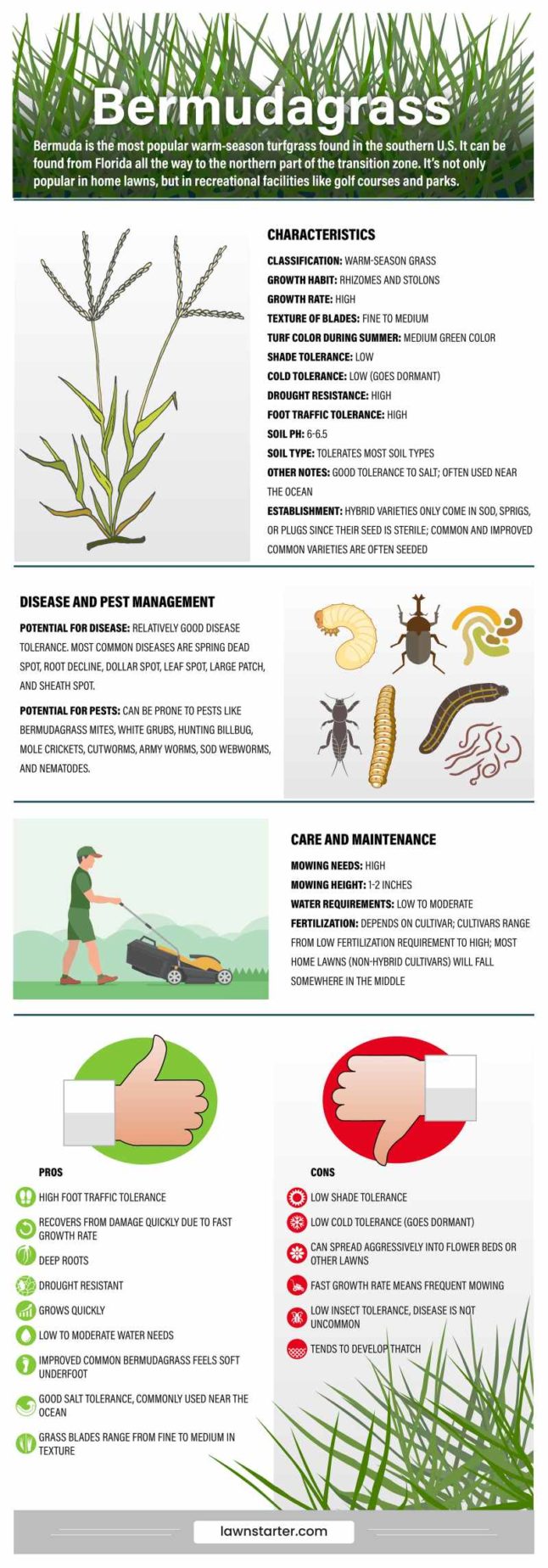
Credit: www.lawnstarter.com
Dealing With Lawn Diseases
Dealing with lawn diseases is crucial for a healthy Bermuda grass lawn. Diseases can cause brown spots, thinning grass, and slow growth. Early detection and proper care keep your lawn green and lush.
Identifying Common Diseases
Brown patch and dollar spot are frequent problems for Bermuda grass. Brown patch shows as circular brown areas. Dollar spot appears as small, silver-dollar-sized spots. Rust is another disease, causing orange powder on grass blades. Look closely for these signs to act quickly.
Preventive Measures
Keep your lawn healthy to stop diseases. Mow regularly but avoid cutting too short. Water early in the day to let grass dry fast. Aerate soil to improve air and water flow. Use a balanced fertilizer to strengthen grass. Remove dead leaves and debris to reduce disease risk.
Seasonal Care Adjustments
Seasonal care adjustments help keep Bermuda grass healthy all year. The grass grows differently in each season. It needs different care in summer and winter. Knowing how to care for it each season makes your lawn green and strong.
Summer Care Strategies
Summer is hot and dry. Water your Bermuda grass deeply once or twice a week. Early morning is the best time to water. Mowing should be frequent but keep the grass height around 1 to 2 inches. Cut too short can stress the grass. Use a sharp mower blade to avoid tearing the grass. Fertilize with nitrogen-rich fertilizer every 6 to 8 weeks. Watch for pests and diseases. Treat problems quickly to avoid damage.
Winter Dormancy Management
Bermuda grass goes dormant in winter. It turns brown but is still alive. Stop fertilizing in late fall. Reduce watering to once every two weeks. Avoid heavy foot traffic on the lawn. This prevents damage to the dormant grass. Remove leaves and debris to prevent mold. In early spring, prepare the lawn for growth by raking and light fertilizing.
Improving Lawn Density
Improving the density of your Bermuda grass lawn makes it look lush and healthy. A dense lawn resists weeds and holds soil better. It also feels soft underfoot and stays green longer. Simple care steps help thickening your grass effectively.
Aeration Benefits
Aeration opens small holes in the soil. This helps air, water, and nutrients reach the roots easily. It reduces soil compaction, letting roots grow deeper. Aeration improves lawn strength and health. It also helps Bermuda grass recover faster from stress.
Overseeding Tips
Overseeding fills thin or bare spots in your lawn. Use Bermuda grass seed that matches your existing lawn. Spread seed evenly for a uniform look. Keep soil moist until new grass grows. Overseeding improves lawn thickness and color. It also makes your lawn more durable over time.
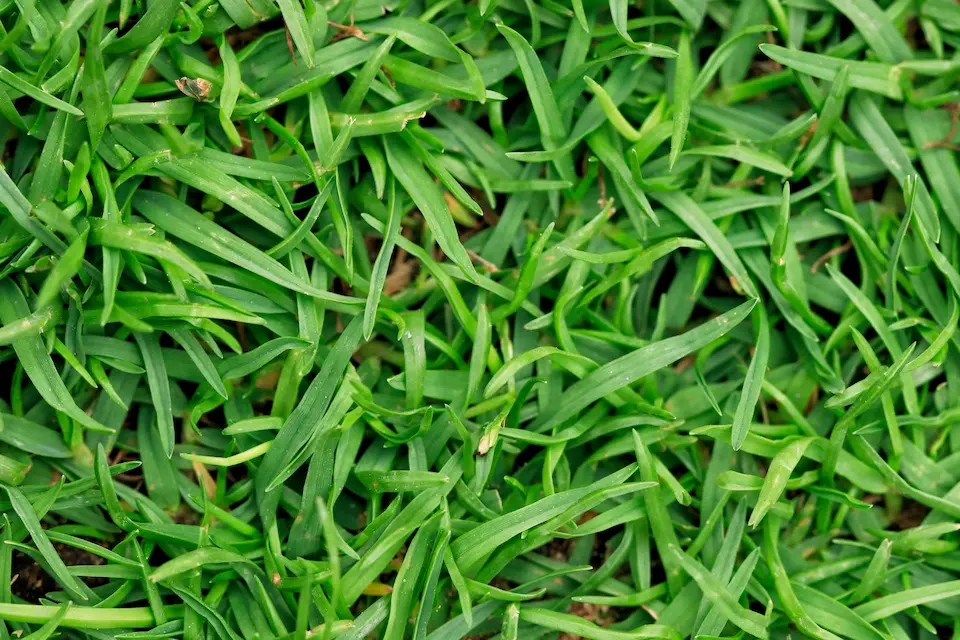
Credit: fortsmithlandscaping.com
Frequently Asked Questions
How Often Should I Water Bermuda Grass Lawn?
Water Bermuda grass deeply 1-2 times per week. Early morning watering reduces evaporation. Avoid overwatering to prevent fungus and root problems.
What Is The Best Mowing Height For Bermuda Grass?
Maintain Bermuda grass at 1-2 inches tall. Regular mowing encourages thick growth. Avoid cutting more than one-third of the blade length at once.
When Is The Ideal Time To Fertilize Bermuda Grass?
Fertilize Bermuda grass in late spring and summer. Use nitrogen-rich fertilizer for healthy growth. Avoid fertilizing during dormancy in winter months.
How Do I Control Weeds In Bermuda Grass Lawn?
Use pre-emergent herbicides in early spring to prevent weeds. Spot-treat existing weeds with selective post-emergent herbicides. Maintain lawn health to naturally reduce weed growth.
Conclusion
Taking care of your Bermuda grass lawn needs regular work. Water it deeply but not too often. Cut the grass to the right height to keep it healthy. Use fertilizer to help the grass grow strong. Watch for weeds and pests that can harm your lawn.
With simple steps, your lawn will stay green and lush. Enjoy a beautiful yard that feels soft under your feet. Keep up these habits, and your Bermuda grass will thrive all year.
