
If you have a dog, you want your yard to be a safe and comfortable place for them to play. But have you ever wondered if the grass you choose is actually good for your furry friend?
Bermuda grass is a popular option for many homeowners, but is it the right choice for your dog? You’ll discover the surprising benefits and potential concerns of Bermuda grass when it comes to your pet’s health and happiness. Keep reading to find out how this grass can affect your dog and what you should consider before planting it in your yard.

Credit: ngturf.com
Bermuda Grass Basics
Bermuda grass is a popular choice for many lawns, parks, and sports fields. It grows quickly and stays green for most of the year. This grass is known for being tough and can handle heavy foot traffic. Understanding its basics helps in deciding if it suits your yard and pets.
Growth Characteristics
Bermuda grass spreads through underground stems called rhizomes and above-ground runners called stolons. This makes it grow fast and cover bare spots. It forms a thick, dense carpet that helps prevent weeds. The grass stays green in warm months but may turn brown in cold seasons.
Climate Preferences
Bermuda grass thrives in warm and sunny places. It needs full sun for at least six hours daily. It grows best in temperatures between 75 and 95 degrees Fahrenheit. The grass can survive dry periods but grows faster with regular watering. Cold weather can cause it to go dormant and lose its green color.
Common Uses
This grass is often used on sports fields because it recovers quickly from damage. It is also popular for home lawns, parks, and golf courses. Its tough nature makes it good for areas with pets running and playing. Bermuda grass creates a soft, safe surface for dogs to enjoy.
Safety For Dogs
Choosing the right grass for your yard is important for your dog’s health. Safety should be a top priority. Bermuda grass is popular in many homes. It is good to know how safe it is for dogs. This section covers key safety points to consider.
Toxicity Levels
Bermuda grass is non-toxic to dogs. Dogs can walk, play, and lie down on it safely. The grass does not contain harmful chemicals that hurt pets. It is safe for dogs to nibble on it a little. No poison risk exists from Bermuda grass itself.
Potential Allergies
Some dogs may develop allergies to Bermuda grass. Allergies can cause itching or redness on the skin. Sneezing and watery eyes may also happen. Watch your dog for any allergy signs after playing outside. Allergies are not common but possible.
Signs Of Irritation
Irritation can occur if your dog has sensitive skin. Look for scratching, licking, or chewing the paws. Red or inflamed skin patches need attention. Irritation might come from grass blades rubbing on the skin. Clean the area and consult a vet if irritation lasts.
Durability With Pets
Bermuda grass is a popular choice for yards with dogs. Its durability makes it a strong option for pet owners. This grass can handle the daily activities of playful dogs. Understanding its durability helps you decide if it fits your needs.
Wear And Tear Resistance
Bermuda grass stands up well to heavy use. It resists damage from running and playing. The grass blades are tough and flexible. This means your dog’s activity won’t easily kill the grass. It stays green and healthy longer than many other types.
Recovery After Damage
This grass grows quickly after being damaged. It recovers fast from paw marks or heavy foot traffic. Bermuda grass spreads by runners, filling bare spots. This helps keep your lawn looking full and green. Quick recovery means less bare dirt and mud.
Impact Of Digging And Running
Digging can still hurt Bermuda grass. It may take time to grow back in those areas. Running causes some wear but is less damaging than digging. Regular care and watering help the grass heal faster. Dogs who dig might need training or special spots.

Credit: trysodpods.com
Pet-friendly Lawn Care
Creating a pet-friendly lawn is important for dog owners. A lawn with Bermuda grass can be safe and comfortable for dogs. Proper lawn care keeps your yard healthy and protects your pet from harmful chemicals or conditions. Follow simple steps to maintain a green, safe space for your furry friend.
Safe Fertilizers And Pesticides
Choose fertilizers labeled safe for pets. Avoid products with harsh chemicals like glyphosate or carbamates. Natural or organic fertilizers are better options. Apply them carefully to prevent your dog from contact. Keep pets off the lawn until it dries completely after treatment.
Watering Tips
Water the lawn early in the morning or late evening. This reduces evaporation and keeps soil moist longer. Avoid overwatering, which causes mud and attracts pests. Use a sprinkler that covers evenly but gently. Wet grass can be slippery, so watch your dog while playing.
Mowing Practices
Keep Bermuda grass at a height of 1 to 2 inches. Taller grass protects roots and stays cooler in summer. Use sharp mower blades to avoid tearing the grass. Mow regularly to keep the lawn neat and healthy. Remove grass clippings to prevent pests and mold.
Alternatives To Bermuda Grass
Choosing the right grass for a yard with dogs can be tricky. Bermuda grass is popular, but not perfect for every pet owner. Many alternatives offer durability and safety for dogs. These options can fit different needs and climates. They keep your yard green and pet-friendly.
Other Durable Grass Types
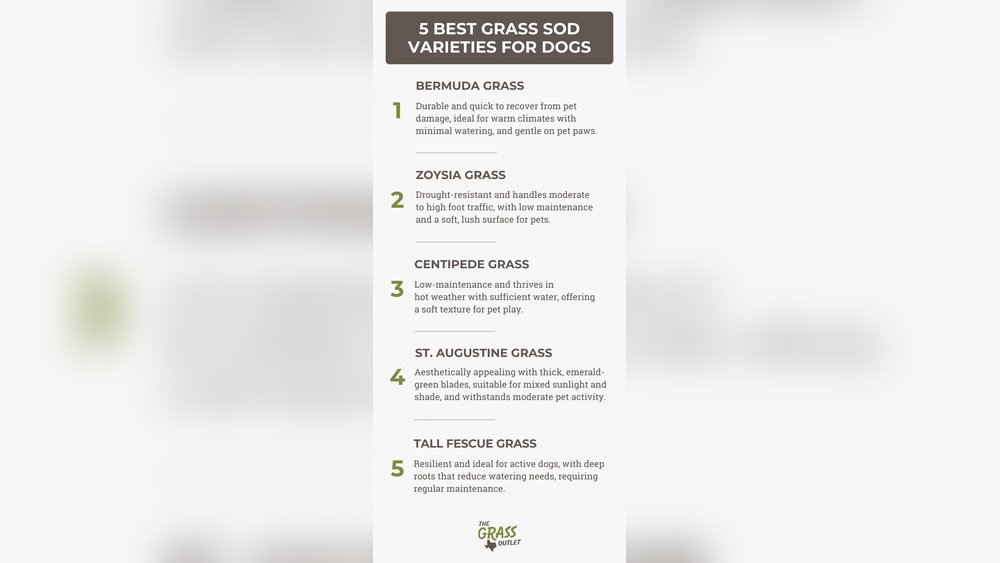
Fescue grass stays green in cool weather and handles foot traffic well. Kentucky bluegrass grows thick and recovers fast from damage. Zoysia grass is tough and tolerates heat, making it good for active dogs. These grasses are strong and safe for pets to play on.
Pet-safe Ground Covers
Clover is soft, low-maintenance, and safe for dogs. It adds green color and can fix nitrogen in soil. Creeping thyme is another option that smells nice and resists wear. Both ground covers are gentle under paws and reduce mud in yards.
Artificial Turf Options
Artificial turf stays green all year without watering. It handles heavy pet traffic and cleans easily. Look for turf made with non-toxic materials to keep dogs safe. This option avoids mud and bare spots, making it a tidy choice.
Tips For Maintaining A Healthy Lawn With Dogs
Maintaining a healthy lawn with dogs takes effort and care. Dogs love running and playing on grass. This can cause wear and tear on your Bermuda grass lawn. Simple steps can keep your lawn green and strong. These tips help your grass stay healthy and your pets happy.
Regular Cleaning
Pick up pet waste every day. Waste can damage grass and cause odors. Rinse areas where your dog urinates. Water helps dilute the urine and protects grass roots. Remove fallen leaves and debris often. Clean lawns grow better and look nicer.
Training Pets
Train dogs to use a specific spot for bathroom needs. This limits damage to one area. Teach your dog to avoid digging holes. Digging harms grass roots and soil. Reward good behavior to encourage training success. A well-trained dog helps keep the lawn neat.
Seasonal Care
Adjust lawn care by season. Water Bermuda grass deeply during hot months. Mow at the right height to protect grass blades. Fertilize in spring and fall for strong growth. Repair damaged spots quickly by reseeding. Seasonal care keeps your lawn green year-round.
:max_bytes(150000):strip_icc()/Fescuegrass-f2d6464400cf4d05bc10145dcac12d55.jpg)
Credit: www.thespruce.com
Frequently Asked Questions
Is Bermuda Grass Safe For Dogs To Play On?
Yes, Bermuda grass is generally safe for dogs. It is non-toxic and durable, making it ideal for active pets. However, monitor your dog for allergies or skin irritation, as some dogs may react differently.
Does Bermuda Grass Cause Allergies In Dogs?
Bermuda grass rarely causes allergies in dogs. It produces less pollen compared to other grasses, reducing allergy risks. Still, keep an eye on your dog for signs like itching or sneezing.
How Durable Is Bermuda Grass For Dogs’ Activity?
Bermuda grass is highly durable and recovers quickly from wear. It withstands heavy foot traffic, making it perfect for dogs that run and play often. Its resilience keeps your lawn looking good longer.
Can Bermuda Grass Withstand Dog Urine Damage?
Bermuda grass tolerates dog urine better than many grasses. Its deep roots and fast growth help repair burn spots. Regular watering can further reduce urine damage and maintain healthy turf.
Conclusion
Bermuda grass can be a good choice for dogs. It is soft and durable for play. This grass grows quickly and recovers well from wear. Dogs usually like running and resting on it. Still, watch for allergies or skin irritation.
Water your lawn often to keep it healthy. Keep the grass trimmed to avoid pests. Overall, Bermuda grass offers a safe and comfy space for dogs. It suits active pets and busy owners alike. Choose Bermuda grass for a pet-friendly yard that lasts.
