
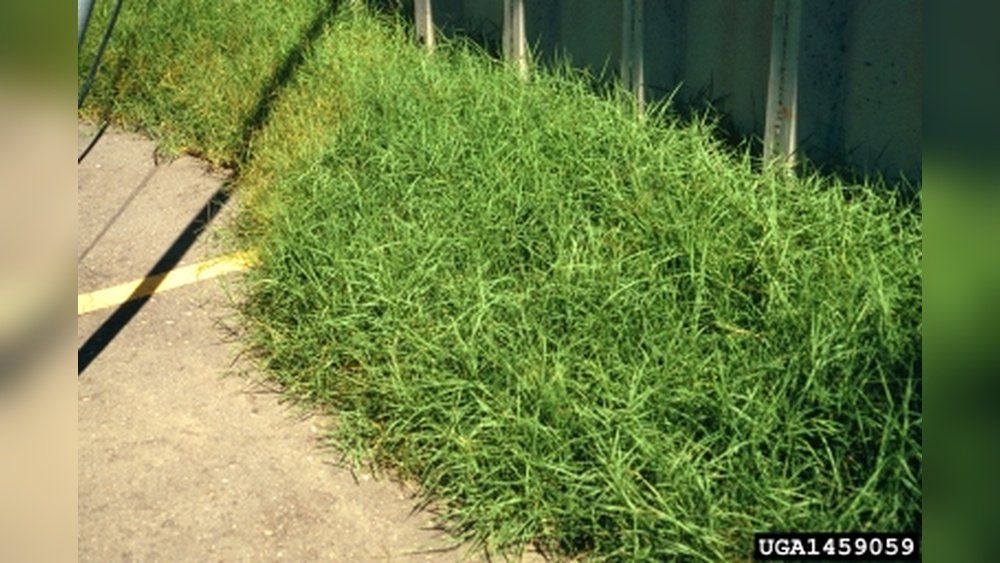
Have you ever wondered if Bermuda grass is truly native to Texas? If you’re thinking about planting or maintaining a lawn in the Lone Star State, knowing the origins of Bermuda grass can change the way you care for it.
Understanding where this popular grass comes from helps you make better choices for your yard’s health and appearance. Keep reading, and you’ll discover surprising facts that could transform your approach to lawn care.
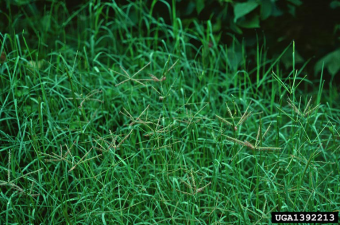
Credit: tsusinvasives.org
Origins Of Bermuda Grass
Bermuda grass is a popular turfgrass known for its durability and heat tolerance. Understanding its origins helps explain why it thrives in certain climates. This grass has a rich history that spans continents and climates.
Global Native Regions
Bermuda grass is native to parts of Africa and the Middle East. It grows naturally in warm, dry areas. This grass adapted to survive harsh conditions. It spread over time through seeds and human activity.
It also appears in parts of Asia and southern Europe. Each region has slightly different types of Bermuda grass. These variations help the grass fit many environments.
Introduction To Texas
Bermuda grass arrived in Texas through settlers and trade. It was not originally native to the state. Texas climate suits the grass well, with hot summers and mild winters.
Farmers and landscapers quickly adopted Bermuda grass. It became a common choice for lawns, parks, and sports fields. Its ability to recover from damage made it popular in Texas.
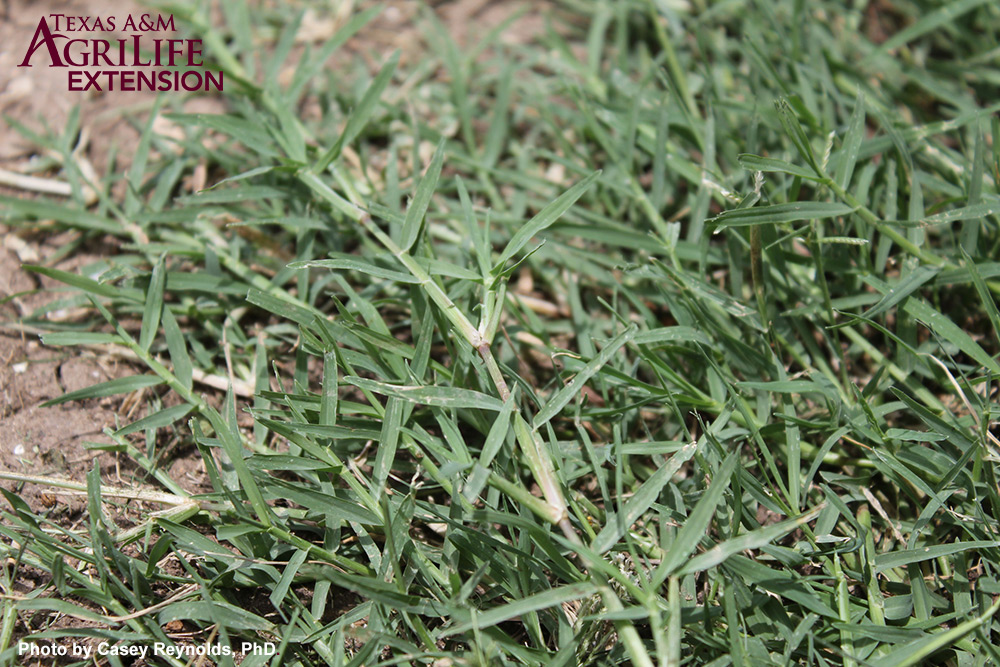
Credit: aggieturf.tamu.edu
Bermuda Grass In Texas Ecosystems
Bermuda grass is common in Texas landscapes and natural areas. It grows in many places, from lawns to open fields. This grass plays a big part in the state’s ecosystems. Understanding its role helps us see how Texas land works.
This grass is not originally from Texas. It was brought here long ago and has spread widely. Despite this, it fits well with local plants and animals. It changes how soil and water behave and affects wildlife habitats.
Adaptation To Climate
Bermuda grass handles Texas heat and dry times very well. It can survive long periods without rain. Its roots grow deep to find water underground. The grass stays green even in hot weather.
It grows fast during warm months and stops in cold weather. This cycle matches Texas seasons. The grass also tolerates different soil types found across the state. This makes it a strong and lasting plant in Texas.
Role In Local Agriculture
Farmers use Bermuda grass to feed animals like cows and horses. It grows thick and produces a lot of food for grazing. The grass recovers quickly after being eaten, which is good for farms.
It also helps keep the soil healthy by preventing erosion. This is important for farming land. Many ranchers depend on Bermuda grass for their animals’ diets. Its presence supports Texas agriculture strongly.
Historical Spread In Texas
The history of Bermuda grass in Texas is long and interesting. This grass is not native to Texas but has spread widely across the state. People brought it to Texas many years ago for its durability. Over time, it became a common grass for lawns, farms, and sports fields.
Its spread changed the landscape in many parts of Texas. Understanding how Bermuda grass moved across the state helps explain its current presence and effects on local ecosystems.
Early Use And Cultivation
Bermuda grass first appeared in Texas in the 1800s. Settlers brought it from other southern states. They liked it because it grows fast and handles heat well. Farmers used it for pasture and soil protection. It helped keep soil from washing away during rains. Soon, it also became popular for lawns and parks. People planted it because it stayed green in hot weather. Its ability to recover quickly from damage made it useful on sports fields.
Impact On Native Plants
Bermuda grass spread quickly and crowded out many native plants. It grows thick and blocks sunlight from reaching other plants. This made it hard for native grasses to survive. Some native plants lost their homes because of Bermuda grass. Wildlife that depended on native plants had fewer places to live. The change in plant life affected the balance of local ecosystems. Controlling Bermuda grass remains a challenge for land managers in Texas.
Common Misconceptions
Bermuda grass is often thought to be native to Texas. This is a common misunderstanding. Many people confuse its presence for native status. The truth is more complex and interesting.
Native Vs. Naturalized Species
Native species grow naturally in an area without human help. Naturalized species arrive and thrive after being introduced. Bermuda grass is naturalized in Texas, not native. It came from Africa and Asia long ago. It adapted well to Texas’ climate and soil. This makes it seem like it belongs here. But it did not originate in Texas.
Why The Confusion Exists
Bermuda grass grows almost everywhere in Texas. It covers lawns, parks, and sports fields. Its wide presence leads to the native assumption. People see it as part of the local landscape. Also, it has been in Texas for many years. This long history adds to the confusion. The grass fits well in Texas’ environment. That makes it feel like a native plant.
Benefits And Challenges
Bermuda grass is common in Texas. It offers many benefits but also some challenges. Knowing these helps in making better choices for lawns and farms.
Advantages For Lawns And Pastures
Bermuda grass grows fast and stays green most of the year. It handles heat and drought well, making it good for Texas weather. This grass recovers quickly from heavy use, so it suits busy lawns and grazing animals. It also helps prevent soil erosion by covering the ground tightly.
Environmental Concerns
Bermuda grass can spread quickly and crowd out native plants. This reduces biodiversity in some areas. It needs regular mowing and watering to stay healthy. Overuse of water and fertilizers can harm the environment. Careful management is important to reduce these risks.
Alternatives To Bermuda Grass
Bermuda grass is popular in Texas but not the only option for lawns. Some homeowners want grass that fits the local environment better. Choosing alternatives can save water and reduce lawn care work. Here are good choices for Texas yards.
Native Grass Options
Native grasses grow well in Texas soil and climate. Buffalo grass is a top choice. It needs less water and stays green in dry times. Another option is blue grama. This grass tolerates heat and drought. These grasses support local wildlife and keep soil healthy. They also need less mowing and fertilizer.
Sustainable Landscaping Choices
Consider plants that use little water and care. Mix native grasses with wildflowers for a natural look. Use mulch to keep soil moist and stop weeds. Choose drought-resistant plants to save water. This approach helps the environment and lowers yard bills. It creates a beautiful space that fits Texas well.
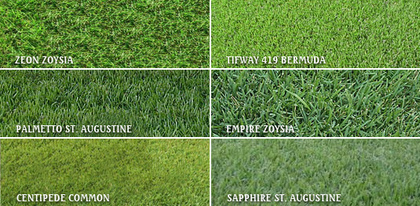
Credit: www.dallassodgrass.com
Frequently Asked Questions
Is Bermuda Grass Originally From Texas?
No, Bermuda Grass is not native to Texas. It originated in Africa and was introduced to the U. S. for turf and forage. It thrives in Texas due to the warm climate but is considered an invasive species in some areas.
How Well Does Bermuda Grass Grow In Texas?
Bermuda Grass grows very well in Texas. The warm temperatures and long growing season create ideal conditions. It is drought-tolerant and recovers quickly from wear, making it popular for lawns and sports fields across the state.
Can Bermuda Grass Survive Texas Winters?
Yes, Bermuda Grass can survive mild Texas winters. It goes dormant during cold months but recovers in spring. Harsh freezes may damage it, but generally, it bounces back quickly when temperatures rise again.
Why Is Bermuda Grass Popular In Texas Lawns?
Bermuda Grass is popular in Texas because it is heat and drought-resistant. It requires moderate maintenance and provides a dense, green lawn. Its durability makes it ideal for heavy foot traffic and the Texas climate.
Conclusion
Bermuda grass is not originally from Texas but grows well there. It adapts easily to the warm climate and dry soil. Many people choose it for lawns and sports fields. It stays green through summer and recovers quickly from damage.
Understanding its origin helps in caring for it better. Choose the right grass for your land and weather. This way, your lawn stays healthy and looks great all year. Keep these points in mind when planting Bermuda grass in Texas.
