
Are you wondering if lime is the right choice for your Bermuda grass? Getting the soil just right can make all the difference in having a lush, green lawn that turns heads.
But how do you know if lime will help or hurt your grass? You’ll discover how lime affects Bermuda grass, what signs to look for in your soil, and the simple steps you can take to boost your lawn’s health.
Keep reading to unlock the secrets to a thriving Bermuda grass lawn that you’ll be proud of.
Credit: thegrassoutlet.com
Benefits Of Lime For Bermuda Grass
Lime plays an important role in growing healthy Bermuda grass. It helps improve the soil and supports strong grass growth. Applying lime can make your lawn greener and thicker. It also helps the grass use nutrients better. Knowing how lime works can help you keep your Bermuda grass in top shape.
How Lime Affects Soil Ph
Lime raises the soil pH by reducing acidity. Bermuda grass grows best in soil that is slightly acidic to neutral. Too much acid in the soil can stop grass roots from growing well. Adding lime balances the pH, creating a better environment for the grass. This balance helps the grass absorb water and nutrients easier.
Improving Nutrient Availability
Acidic soil locks up important nutrients. Lime frees these nutrients, making them available to the grass. Nitrogen, phosphorus, and potassium work better when the soil pH is balanced. This helps Bermuda grass get the food it needs to stay healthy. Nutrient availability improves root and blade development.
Enhancing Grass Growth And Color
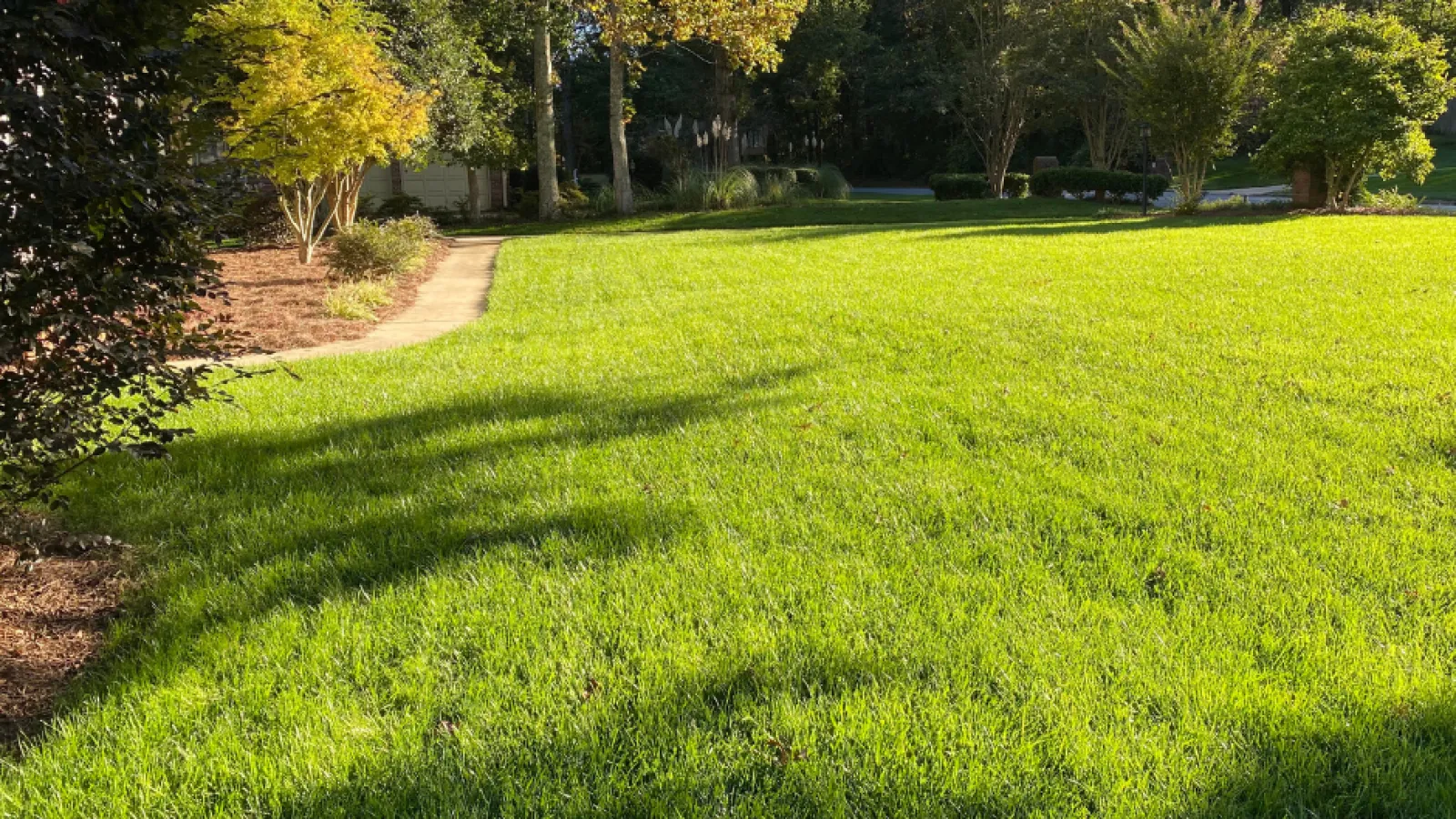
Lime promotes strong root growth and thick grass blades. Healthy roots take in more nutrients and water. This leads to faster growth and a lush green color. Bermuda grass becomes more resistant to pests and drought. Lime helps maintain a vibrant and dense lawn throughout the season.
Credit: turfmasterslawncare.com
When To Apply Lime
Lime helps improve Bermuda grass by balancing soil pH. Choosing the right time to apply lime is key for best results. Applying lime at the right moment helps grass absorb nutrients better. It also prevents damage from too much acidity in the soil.
Ideal Seasons For Lime Application
Apply lime in early spring before grass grows fast. Fall is another good time to add lime to soil. During these seasons, lime has time to work before hot weather. Avoid applying lime in summer, as heat can reduce its effect. Lime needs moisture to spread evenly in soil. Spring and fall usually have more rain for this.
Signs Your Lawn Needs Lime
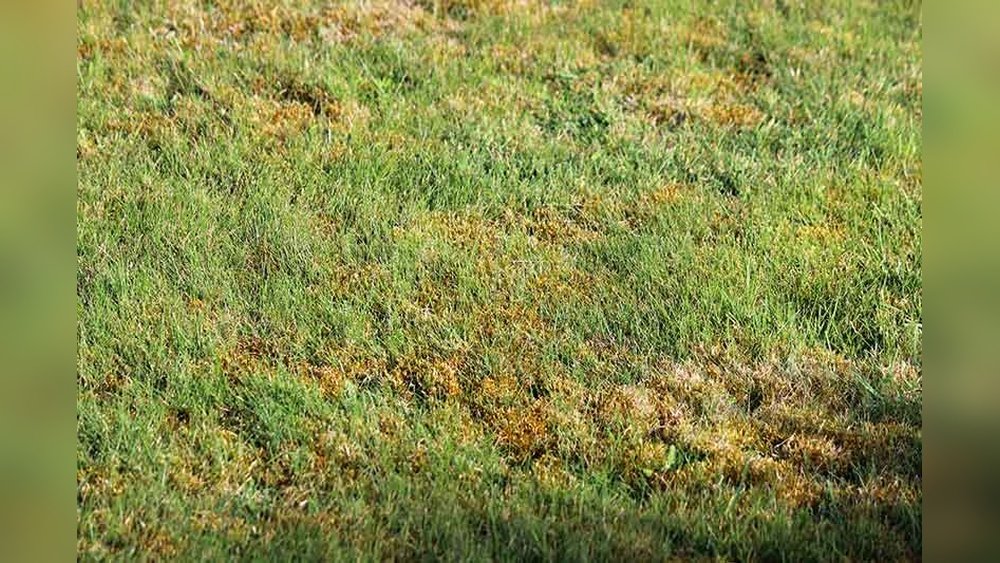
Yellow or pale grass may show soil is too acidic. Grass growing slowly or patchy spots can also be signs. Moss growing in the lawn suggests low pH levels. If your soil test shows pH below 6.0, lime is needed. Watch your Bermuda grass for these signs to time lime application well.
Types Of Lime For Lawns
Lime is a common lawn treatment used to balance soil pH. Different types of lime work in various ways to help Bermuda grass grow strong. Choosing the right lime can improve soil health and grass color. Understanding the types of lime helps you pick the best for your lawn.
Quick-acting Hydrated Lime
Hydrated lime works fast to raise soil pH. It dissolves quickly in the soil and changes acidity within days. This type of lime suits urgent soil problems. Use it carefully, as too much can harm grass roots. Hydrated lime needs precise application for safe use.
Slow-release Agricultural Lime
Agricultural lime releases slowly, improving soil over time. It contains crushed limestone, which reacts gradually with the soil. This type is safer for regular lawn care. It helps Bermuda grass by maintaining a steady pH balance. Applying it once or twice a year keeps soil healthy.
How To Test Soil Ph
Testing your soil’s pH is important for healthy Bermuda grass. The right pH helps the grass absorb nutrients well. Lime can change soil pH, but first, you must know your soil’s current level. This step ensures you apply the right amount of lime. Below are two simple ways to test soil pH.
Using Diy Soil Test Kits
DIY soil test kits are easy to use at home. You only need a small soil sample. Follow the kit instructions to mix soil with a testing solution. The kit shows a color that matches a pH value. This method is quick and affordable. It gives good results for basic soil pH checks.
Professional Soil Testing Services
Professional services offer detailed soil analysis. You send a soil sample to a lab. Experts test pH and other nutrients. You get a report with clear recommendations. This service costs more but is very accurate. It helps you understand your soil better.
Steps To Apply Lime Correctly
Applying lime correctly is important for healthy Bermuda grass. It helps balance the soil pH, making nutrients easier to absorb. Follow these simple steps for the best results and a lush green lawn.
Preparing Your Lawn
Start by mowing your Bermuda grass short. Remove any debris, like sticks or leaves. Check the soil pH using a test kit. This tells you how much lime your lawn needs. Clear the lawn area for even lime spreading.
Spreading Lime Evenly
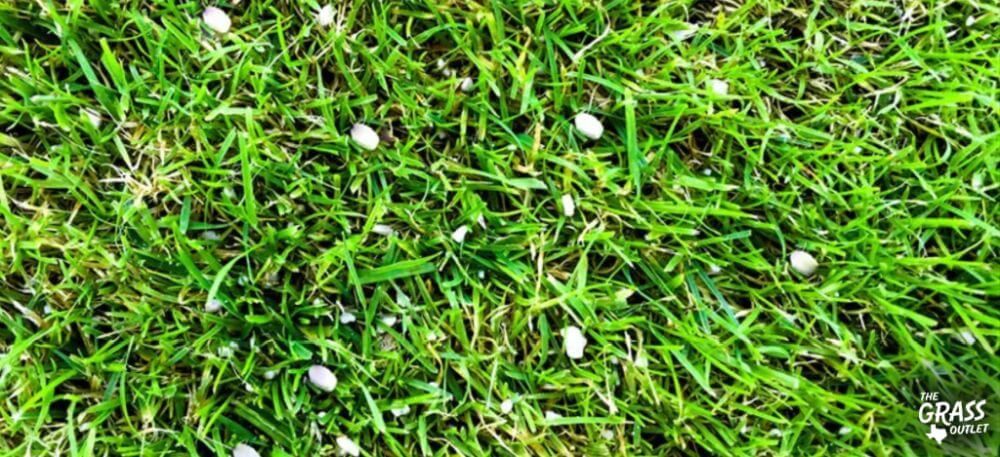
Use a spreader for even lime distribution. Walk slowly and steadily across your lawn. Overlap slightly to avoid bare spots. Apply the recommended lime amount based on your soil test. Avoid piles or clumps of lime on the grass.
Watering After Application
Water your lawn lightly after spreading lime. This helps lime soak into the soil. Avoid heavy watering that might wash lime away. Keep the soil moist for a few days. This supports lime’s effect on soil pH.
Potential Risks Of Over-liming
Applying lime can help Bermuda grass by balancing soil pH. Yet, using too much lime carries risks. Excess lime changes the soil chemistry. This can harm your grass and its growth. Knowing the risks helps you avoid damage.
Nutrient Imbalances
Too much lime raises soil pH too high. This stops plants from absorbing some nutrients. Iron, manganese, and zinc become less available. Bermuda grass may show yellow leaves or poor growth. Nutrient shortages weaken the grass over time.
Damage To Grass Health
High lime levels can stress Bermuda grass. The roots may struggle to take up water and nutrients. This leads to dry, patchy, or thin grass areas. Over-liming also disrupts helpful soil microbes. These microbes support grass health and soil quality.
Alternatives To Lime For Bermuda Grass
Choosing the right soil treatment for Bermuda grass is important. Lime is popular for adjusting soil pH, but other options exist. These alternatives help improve soil health and support Bermuda grass growth. Explore options that suit your lawn’s needs and soil type.
Organic Soil Amendments
Organic matter like compost and manure enriches soil naturally. They improve soil texture and water retention. This helps Bermuda grass roots grow stronger and deeper. Organic amendments also feed helpful soil microbes. These microbes break down nutrients plants need. Over time, organic matter can balance soil pH gently.
Peat moss and coconut coir are other organic options. They increase soil aeration and moisture control. These materials support healthy root systems and reduce soil compaction. Using organic amendments regularly builds long-term soil health. This creates a better growing environment for Bermuda grass.
Other Soil Ph Adjusters
Besides lime, sulfur is a common soil acidifier. It lowers soil pH if the soil is too alkaline. Sulfur works slowly but steadily to balance pH. Elemental sulfur or gypsum can be used depending on soil needs. Gypsum improves soil structure and reduces salt damage without changing pH much.
Wood ash can raise soil pH like lime but more mildly. It also adds potassium and other minerals. Use wood ash sparingly to avoid over-alkalizing the soil. Testing soil pH before applying any amendments ensures proper treatment. This prevents harming Bermuda grass with incorrect pH levels.
Credit: hgic.clemson.edu
Frequently Asked Questions
Does Bermuda Grass Need Lime To Grow Well?
Bermuda grass benefits from lime if the soil is acidic. Lime raises soil pH, making nutrients more available. Test soil pH before applying lime to ensure proper lawn care. Over-liming can harm Bermuda grass.
How Does Lime Affect Bermuda Grass Soil Ph?
Lime increases soil pH, reducing acidity. Bermuda grass thrives in slightly acidic to neutral soil, pH 6. 0-7. 0. Applying lime helps balance pH for better nutrient uptake and healthier grass growth.
When Is The Best Time To Apply Lime On Bermuda Grass?
Apply lime in early spring or fall. These seasons allow lime to adjust soil pH gradually. Avoid applying during extreme heat or drought to prevent stress on Bermuda grass.
Can Too Much Lime Harm Bermuda Grass?
Yes, excess lime can raise soil pH too high. This reduces nutrient availability and damages Bermuda grass. Always follow soil test recommendations to avoid over-liming and maintain lawn health.
Conclusion
Lime can help Bermuda grass grow strong and healthy. It raises soil pH, making nutrients easier to absorb. Use lime only if your soil is too acidic. Test your soil first to avoid problems. Applying too much lime can harm your grass.
Proper care and watering also keep Bermuda grass green. Small steps lead to a beautiful lawn. Consider lime as part of your lawn care plan. Healthy soil means a healthy lawn.
