
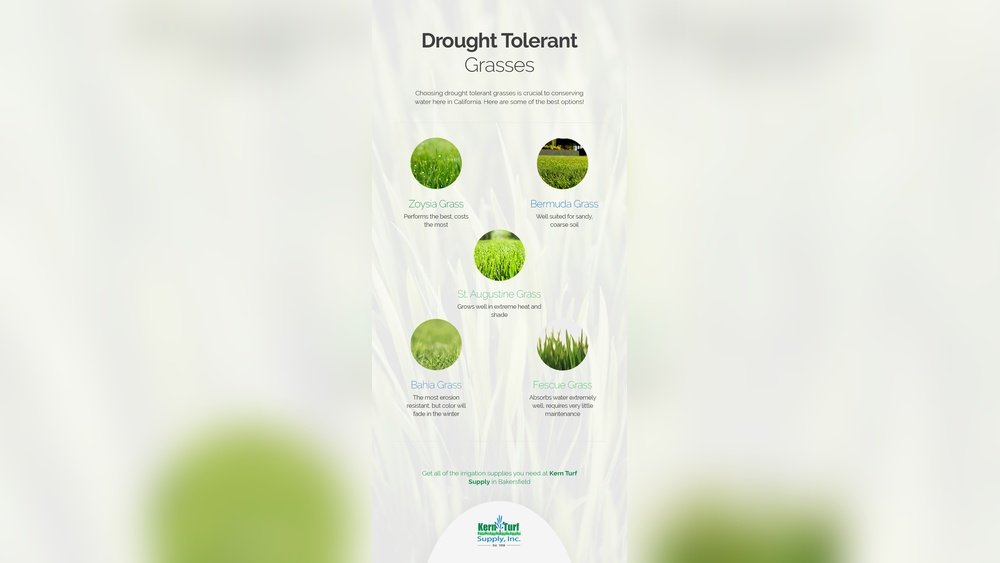
Are you tired of watching your lawn turn brown and patchy every time a dry spell hits? You’re not alone.
Many homeowners struggle to keep their grass green and healthy when water is scarce. That’s why you might be wondering: Is Zoysia grass drought tolerant enough to survive tough conditions without constant watering? Understanding how this grass handles drought can save you time, money, and a lot of frustration.
Keep reading to discover if Zoysia grass is the drought-resistant lawn solution you’ve been searching for.
:max_bytes(150000):strip_icc()/grasses-for-low-maintenance-drought-resistant-lawns-4858746_final-8b478fa8f97241a1904bb87744568693.png)
Credit: www.treehugger.com
Zoysia Grass Basics
Zoysia grass is a popular choice for lawns in dry areas. It grows slowly but spreads to form a dense green carpet. This grass handles heat and drought better than many other types. It stays green longer during dry seasons. Zoysia grass also needs less water and care once established. Its tough nature makes it a good option for many homeowners.
Understanding the types and growth habits helps in choosing the right Zoysia grass. Each type has unique features and uses. Knowing how it grows will guide proper lawn care and watering.
Types Of Zoysia Grass
There are several types of Zoysia grass. The main ones include Zoysia japonica, Zoysia matrella, and Zoysia tenuifolia. Zoysia japonica is coarse and grows fast. It tolerates cold and drought well. Zoysia matrella has finer blades and a softer feel. It prefers warmer climates. Zoysia tenuifolia is the finest and slowest growing. It forms a very dense lawn but needs more care.
Growth Characteristics
Zoysia grass grows by spreading underground and above ground stems. This creates a thick mat that chokes out weeds. It grows slowly, so it takes time to fill in bare spots. The grass can survive in poor soil and low water. It stops growing in cold weather but recovers in spring. Its deep roots help it find water during drought. These traits make Zoysia grass strong and low maintenance.
Drought Tolerance Traits
Zoysia grass is known for its ability to survive dry conditions. Its drought tolerance traits make it a popular choice for lawns in areas with less water. These traits help the grass stay green and healthy even during hot, dry periods.
The grass has special features that reduce water loss and improve survival. Understanding these traits shows why Zoysia grass is a good option for drought-prone areas.
Water Usage Efficiency
Zoysia grass uses water very efficiently. It needs less water than many other grass types. The grass reduces water loss through its thick blades. These blades hold moisture inside and slow evaporation. This helps the grass stay hydrated longer during dry spells.
The grass also closes tiny pores on its leaves to save water. This action happens mostly during hot days. It stops water from escaping but still allows air in. This balance keeps the grass alive with less water.
Root System Strength
Zoysia grass has a deep, strong root system. Its roots grow deep into the soil to find water. This helps the grass survive longer without rain. The roots also store water and nutrients for tough times.
Strong roots anchor the grass firmly in the ground. This reduces damage from drought stress and heat. The root system helps Zoysia recover quickly after dry periods. It makes the grass tough and drought resistant.
Comparing Zoysia With Other Grasses
Zoysia grass is popular for many lawns across the world. It has unique qualities that set it apart from other grass types. Comparing Zoysia with other grasses helps understand its strengths and weaknesses. This comparison focuses on drought resistance and maintenance needs. These factors are important for choosing the right grass for dry or low-water areas.
Drought Resistance Levels
Zoysia grass handles drought better than many common grasses. Its thick blades reduce water loss. Bermuda grass also resists drought well but needs more water than Zoysia. Kentucky bluegrass struggles during dry spells and often turns brown quickly. Fescue has moderate drought tolerance but needs frequent watering. Zoysia’s deep root system helps it survive longer without water. This makes Zoysia a strong choice for dry climates.
Maintenance Needs
Zoysia grass requires less water than many other grasses. It grows slowly, reducing mowing frequency. Bermuda grass grows faster and needs more trimming. Kentucky bluegrass demands regular watering and fertilizing. Fescue needs extra care to stay green in dry times. Zoysia is less prone to weeds and pests, lowering chemical use. Its dense growth also helps block weeds naturally. Overall, Zoysia offers easier maintenance with fewer resources.
Soil And Climate Impact
Zoysia grass is known for its ability to survive dry spells. Its drought tolerance depends a lot on soil and climate. These two factors affect how well Zoysia grass grows and stays green. Understanding soil and climate helps in growing healthy lawns with less water.
Ideal Soil Conditions
Zoysia grass grows best in well-drained soil. Sandy or loamy soil works well. Soil that holds too much water can cause root problems. The grass roots need air to grow strong. Soil with good nutrients helps Zoysia stay healthy during dry times. Adding organic matter can improve poor soil. Proper soil pH is also important; Zoysia prefers slightly acidic to neutral soil.
Climate Adaptability
Zoysia grass adapts to many climates. It grows well in warm and mild areas. It handles heat and drought better than many grasses. This grass can survive dry seasons with less water. In cold climates, Zoysia may go dormant but still recovers. It needs enough sunlight to stay healthy. Shade and extreme cold can reduce its drought tolerance.
Watering Strategies For Zoysia
Zoysia grass is known for its tough nature and ability to survive dry spells. Proper watering helps keep it green and healthy. Using smart watering strategies can save water and keep your lawn strong. Understanding how to water Zoysia correctly is key to its drought tolerance.
Optimal Irrigation Practices
Water Zoysia deeply but less often. This encourages deep root growth. Deep roots help the grass find water in dry soil. Water early in the morning to reduce evaporation. Avoid watering during hot midday hours. Use a sprinkler that covers the area evenly. Aim for about one inch of water per week. Adjust watering during rainy or cooler times. Less frequent watering helps Zoysia build drought resistance.
Signs Of Water Stress
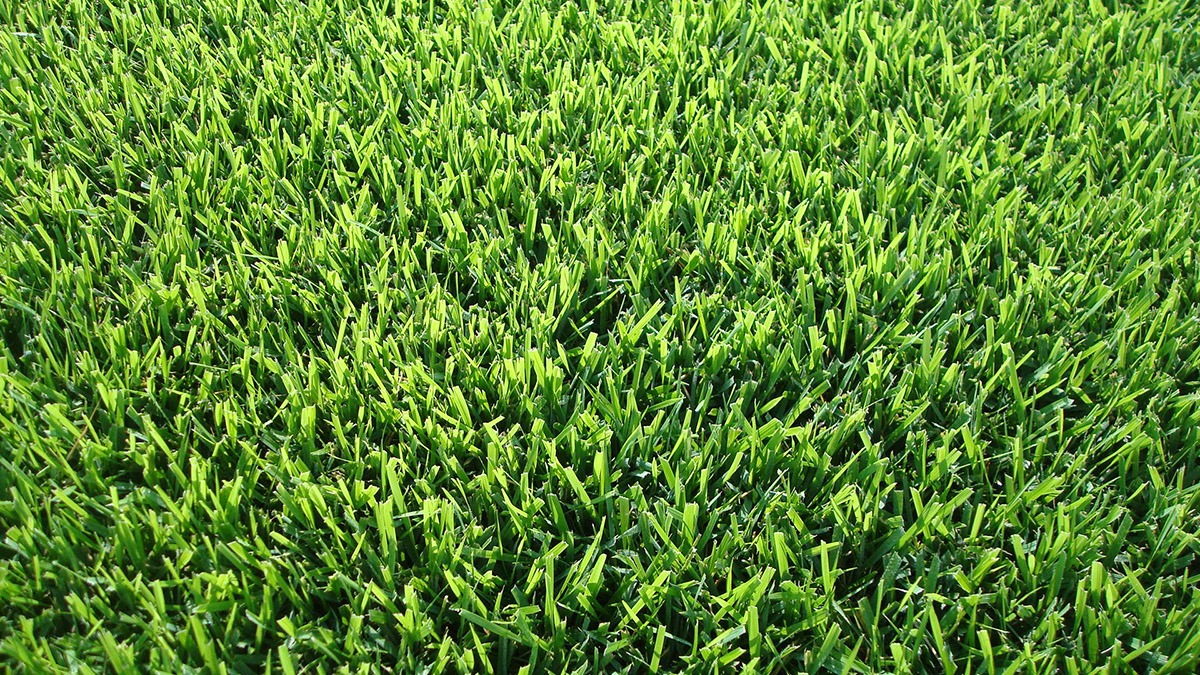
Watch for dull, bluish-green grass color. Grass blades may curl or fold up. Brown patches can appear in dry spots. The grass may feel dry and brittle underfoot. Footprints may stay visible longer than usual. These signs mean your Zoysia needs water soon. Early watering prevents damage and keeps the lawn healthy.
Credit: theturfgrassgroup.com
Enhancing Drought Resilience
Zoysia grass is known for its ability to survive dry spells better than many other grasses. Enhancing its drought resilience helps keep your lawn green and healthy during hot, dry periods. Simple care steps improve the grass’s strength and water use.
Fertilization Tips
Fertilize Zoysia grass lightly in spring and early summer. Use a balanced fertilizer with nitrogen, phosphorus, and potassium. Avoid heavy fertilization late in the season. Too much fertilizer can stress the grass during drought. Regular feeding supports deep root growth. Strong roots help the grass find water below the surface.
Mowing And Thatching
Keep the grass at a height of about 2 to 3 inches. Taller grass shades the soil, reducing water evaporation. Mow regularly but do not cut more than one-third of the blade length. Remove thatch buildup to improve air and water flow. Thatch over half an inch can block water from reaching roots. Proper mowing and thatching help Zoysia grass survive dry weather better.
Common Challenges And Solutions
Zoysia grass stands strong during dry times, but it faces some challenges. These problems can slow its growth and affect its health. Knowing these challenges helps you take good care of your lawn. Solutions are simple and keep your grass green and healthy.
Pest And Disease Management
Zoysia grass can attract pests like chinch bugs and armyworms. These bugs eat the grass blades and cause brown patches. Treat the lawn quickly with insecticides made for lawns. Check the grass regularly to spot damage early. Fungal diseases may appear as spots or mold. Water the lawn early in the day to help it dry fast. Proper mowing also reduces disease risk. Healthy grass fights pests and diseases better.
Recovery After Drought
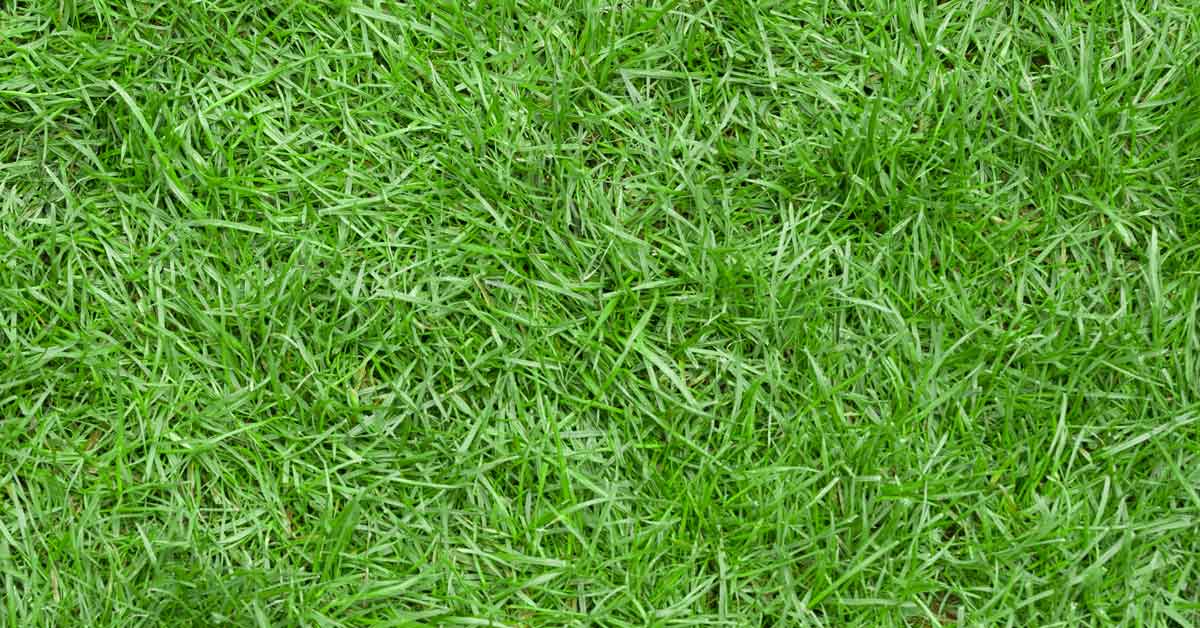
Zoysia grass slows growth during drought but recovers well later. Water deeply and slowly to help roots grow strong. Avoid cutting the grass too short to reduce stress. Add fertilizer to give nutrients for regrowth. Remove dead patches by raking or overseeding. Keep the soil loose to help air and water reach roots. With care, Zoysia grass bounces back green and thick.
Credit: www.pennington.com
Frequently Asked Questions
Is Zoysia Grass Good For Drought Conditions?
Yes, Zoysia grass is highly drought tolerant. It requires less water than many other grasses. Its deep roots help it survive dry periods efficiently.
How Does Zoysia Grass Survive Drought Stress?
Zoysia grass has a dense root system that stores water. It reduces water loss by closing leaf pores during heat. This helps it stay green longer in drought.
Can Zoysia Grass Recover After Drought Damage?
Yes, Zoysia grass recovers well after drought. Its slow growth means recovery may take time. Regular watering and fertilizing speed up its revival.
What Maintenance Helps Zoysia Grass During Drought?
To help Zoysia grass in drought, mow higher to shade roots. Water deeply but less frequently. Avoid heavy fertilization which stresses the grass further.
Conclusion
Zoysia grass handles dry weather quite well. It needs less water than many other grasses. This makes it a smart choice for dry areas. You can save water and still have green grass. Just give it some care during long dry times.
Zoysia grass will stay healthy and strong. It fits lawns that want beauty and low water use. Choose Zoysia for a lawn that lasts through drought.
