

Are you thinking about planting Zoysia grass but aren’t sure if it’s the right choice for your lawn? You want a grass that looks great, stays healthy, and doesn’t demand too much work.
Zoysia grass is often praised for its thick, lush appearance and durability, but is it truly the best fit for your yard? You’ll discover the real benefits and drawbacks of Zoysia grass. By the end, you’ll know exactly whether it’s the smart option for your outdoor space.
Keep reading to find out what makes Zoysia grass stand out—and if it’s the perfect match for your lawn care goals.
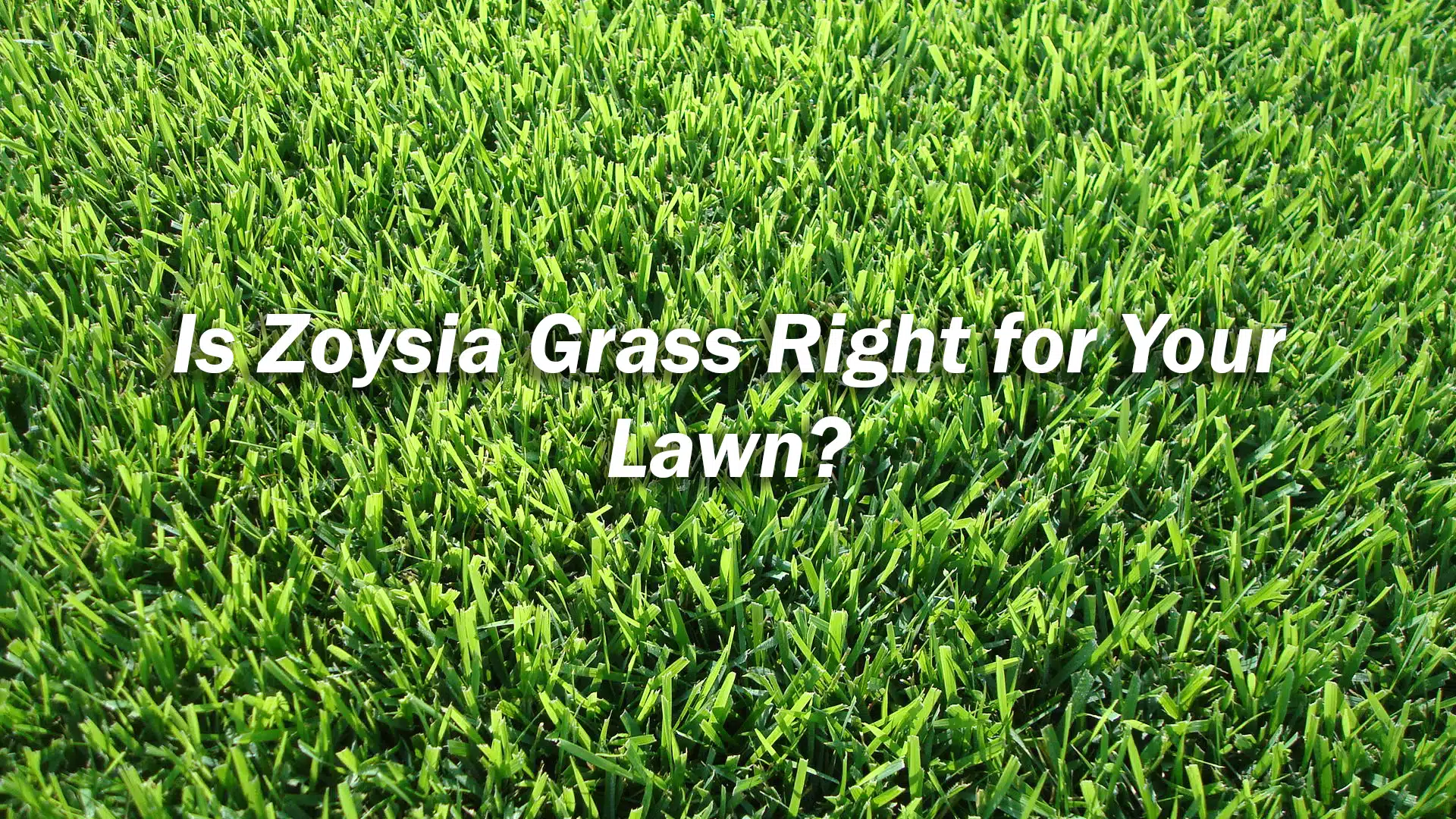
Credit: www.masseyservices.com
Benefits Of Zoysia Grass
Zoysia grass offers many advantages for home lawns and public parks. It creates a thick, green carpet that looks great all year. This grass type adapts well to different climates and soil types. Its unique qualities make it a popular choice for many gardeners.
Here are some key benefits that make Zoysia grass stand out.
Drought Tolerance
Zoysia grass uses water very efficiently. It can survive long dry periods without turning brown. This helps save water and reduces the need for frequent watering. Its deep roots store moisture for tough times. Perfect for areas with limited rainfall or water restrictions.
Wear Resistance
This grass can handle heavy foot traffic well. It recovers quickly from damage caused by playing or walking. Zoysia forms a dense mat that protects soil from erosion. Ideal for busy yards, sports fields, and playgrounds. Keeps your lawn looking healthy despite daily use.
Low Maintenance Needs
Zoysia grass grows slowly, requiring fewer mowings. It needs less fertilizer than many other grasses. Its thick growth chokes out weeds naturally. This reduces the need for herbicides. Saves time, effort, and money on lawn care. A practical choice for people with busy lives.
Pest And Disease Resistance
Zoysia grass is less likely to get sick or attract pests. Its dense growth limits space for harmful insects. The grass produces natural compounds that deter diseases. This means fewer chemical treatments are needed. A healthier lawn with less risk of damage.
Types Of Zoysia Grass
Zoysia grass comes in several types, each with unique features. Choosing the right type helps keep your lawn healthy and green. Some types grow faster, while others handle cold or shade better. Understanding these varieties makes lawn care easier and more effective.
Emerald Zoysia
Emerald Zoysia has fine, soft blades. It creates a dense, carpet-like lawn. This type grows slowly but looks very neat. It works well in warm climates and tolerates some shade. Emerald Zoysia needs regular watering for best results.
Meyer Zoysia
Meyer Zoysia is thick and tough. It grows faster than Emerald Zoysia. This type handles cold weather better. It resists weeds and recovers quickly from damage. Meyer Zoysia fits well in both sunny and partly shaded areas.
Zenith Zoysia
Zenith Zoysia grows fast and spreads wide. It has medium-width blades that feel soft. This grass tolerates heat, cold, and drought well. Zenith Zoysia is good for heavy foot traffic areas. It needs less mowing than other types.
Other Popular Varieties
Other Zoysia types include El Toro and Palisades. El Toro grows very fast and is dark green. Palisades is thicker and handles cold better. Each variety suits different climates and lawn needs. Choose based on your local weather and lawn use.
Planting Zoysia Grass
Planting Zoysia grass creates a lush and durable lawn. It grows slowly at first but fills in dense and thick. This grass adapts well to many climates and soil types. Proper planting helps it establish strong roots and resist weeds.
Best Planting Seasons
Plant Zoysia grass in late spring or early summer. The soil should be warm, above 65°F (18°C). Warm soil helps seeds and plugs grow faster. Avoid planting in cold or very hot months. This timing ensures healthy growth and less stress.
Soil Preparation Tips
Clear the area of weeds, rocks, and debris. Loosen soil to a depth of 4 to 6 inches. Add compost or organic matter to improve soil quality. Test soil pH; Zoysia prefers 6.0 to 6.5. Level the soil to prevent water pooling. Water lightly after preparing soil to settle it.
Seeding Vs. Sod Vs. Plugs
Seeding is the cheapest method but takes longer to grow. Seeds need careful watering and patience. Sod offers instant green but costs more. It establishes faster and controls erosion well. Plugs are small pieces of grass planted apart. They spread slowly but are less expensive than sod. Choose based on budget, time, and lawn size.

Credit: www.willislawnservices.com
Caring For Zoysia Lawns
Zoysia grass is popular for its thick, green appearance and durability. Caring for a Zoysia lawn keeps it healthy and beautiful all year. Simple care steps help Zoysia grow strong and resist problems like weeds and dry patches.
Good care means following the right watering, mowing, fertilizing, and weed control routines. These actions help the grass stay green and lush without much trouble.
Watering Guidelines
Zoysia grass needs deep watering but less often. Water the lawn about once a week. Give enough water to soak the soil 6 to 8 inches deep. Early morning is the best time to water. Avoid watering in the heat of the day to reduce evaporation. Overwatering can cause disease and weak roots.
Mowing Techniques
Keep Zoysia grass at 1 to 2 inches tall. Mow regularly to avoid cutting more than one-third of the grass height. Use a sharp mower blade to make clean cuts. Leave grass clippings on the lawn to add nutrients back to the soil. Mowing too low can stress the grass and open it to pests.
Fertilizing Schedule
Feed Zoysia grass 2 to 4 times a year. Use a balanced fertilizer with nitrogen, phosphorus, and potassium. The best times are spring and summer when the grass grows fast. Avoid fertilizing late in the fall to prevent weak growth. Follow product instructions for proper amounts.
Weed Control Methods
Prevent weeds by keeping the lawn thick and healthy. Use pre-emergent herbicides in early spring to stop weed seeds. Spot-treat weeds with post-emergent herbicides as needed. Hand-pull weeds that appear to avoid spreading. Good care reduces weed growth naturally.
Common Challenges
Zoysia grass is popular for many reasons, but it also comes with some challenges. Knowing these can help you care for your lawn better. Some problems are common and can affect the health and appearance of your grass. Understanding these issues helps you keep your lawn green and healthy.
Thatch Build-up
Zoysia grass tends to develop thick thatch layers. Thatch is a mix of dead grass and roots on the soil surface. Too much thatch blocks water and nutrients from reaching the soil. This can cause the grass to weaken and die. Regular dethatching or aeration helps control this build-up.
Shade Tolerance Limits
Zoysia grass prefers full sun. It struggles to grow in heavy shade. Under trees or near buildings, the grass may thin out. Thin grass patches invite weeds to grow. Choose planting spots with at least 4 to 6 hours of sunlight daily for best results.
Cold Weather Effects
Zoysia grass is not very cold-hardy. In chilly climates, it can go dormant and turn brown. Long freezes can damage or kill the grass. It recovers in warmer months but may need extra care. Protecting your lawn during winter helps it stay healthy.
Pest Problems
Zoysia grass can attract pests like chinch bugs and sod webworms. These insects feed on the grass blades and roots. Damage from pests causes brown spots and thinning. Regular inspection and early pest control reduce harm to your lawn.

Credit: sodscapestexas.com
Comparing Zoysia With Other Grasses
Choosing the right grass type affects your lawn’s health and appearance. Zoysia grass stands out among popular options. Comparing it with other grasses helps you decide what fits best for your yard. Here is a simple comparison of Zoysia with Bermuda, Fescue, and St. Augustine grasses.
Zoysia Vs. Bermuda
Zoysia grows slower than Bermuda grass but forms a denser lawn. It handles foot traffic well and recovers slowly. Bermuda spreads quickly and recovers faster from damage. Zoysia tolerates shade better than Bermuda, making it good for partially shaded areas. Bermuda thrives in full sun and hot climates.
Zoysia Vs. Fescue
Zoysia is a warm-season grass, while Fescue is cool-season. Zoysia stays green in summer but goes dormant in winter. Fescue stays green in cooler months but grows slower in heat. Fescue needs more watering than Zoysia. Zoysia withstands drought better. Zoysia requires less mowing than Fescue.
Zoysia Vs. St. Augustine
Zoysia is thicker and forms a carpet-like lawn. St. Augustine grows faster but is less dense. Zoysia tolerates cold and drought better than St. Augustine. St. Augustine prefers shade and moist soils. Zoysia handles foot traffic more effectively. St. Augustine is more prone to pests and diseases.
Cost And Value
The cost and value of Zoysia grass matter a lot for many homeowners. Choosing the right grass affects both your budget and the look of your yard. Zoysia offers a balance between cost and quality. It may cost more at first but can save money over time. Understanding these costs helps you make a smart decision.
Initial Installation Costs
Zoysia grass usually costs more to install than other types. The price depends on the size of your lawn and the method used. Installing Zoysia from sod is faster but more expensive. Planting from plugs or seed takes longer and costs less. The soil preparation and labor also add to the cost. Expect to spend more upfront for a thick, green lawn.
Long-term Maintenance Expenses
Zoysia grass needs less water than many grasses. It grows slowly, so you mow less often. This lowers your water and mowing costs. It resists weeds well, reducing the need for herbicides. Fertilizer use is moderate, saving money over time. Still, keep an eye on pests and diseases. Overall, Zoysia requires moderate care but saves money compared to other grasses.
Return On Investment
Zoysia grass adds value to your home by improving curb appeal. A healthy lawn attracts buyers and boosts property price. Its durability means fewer repairs and reseeding costs. The savings on water and lawn care add up. Over several years, initial costs balance out with maintenance savings. Zoysia offers good value for homeowners who want a lasting lawn.
Frequently Asked Questions
What Are The Benefits Of Zoysia Grass?
Zoysia grass is drought-tolerant, low-maintenance, and dense. It resists weeds well and creates a soft, lush lawn. It thrives in warm climates and recovers quickly from damage.
How Does Zoysia Grass Compare To Other Grasses?
Zoysia grows slower but requires less mowing than Bermuda or Kentucky bluegrass. It tolerates heat and drought better, making it ideal for warm regions.
Is Zoysia Grass Suitable For Shady Areas?
Yes, Zoysia tolerates moderate shade but grows best in full sun. It can handle partial shade but may thin out under dense tree cover.
How Often Should I Water Zoysia Grass?
Water newly planted Zoysia daily until established. After that, water deeply once a week during dry periods for healthy growth.
Conclusion
Zoysia grass offers many benefits for home lawns. It grows thick and resists weeds well. It needs less water compared to other grasses. The grass stays green longer in warm seasons. It handles foot traffic and recovers fast. Keep in mind, it may grow slowly at first.
Overall, Zoysia grass suits many yards and climates. It provides a strong, green lawn with less work. Consider your local weather and lawn care needs before choosing. Zoysia grass can be a smart, natural choice.
