

Are you wondering if Zoysia grass can handle the scorching heat of summer without turning brown or patchy? You want a lawn that stays green and healthy, even when temperatures soar.
Understanding how heat tolerant Zoysia grass is can help you decide if it’s the right choice for your yard. Keep reading to discover how this popular grass type reacts to heat, and learn tips to keep your lawn thriving all season long.
Your perfect summer lawn might be closer than you think.
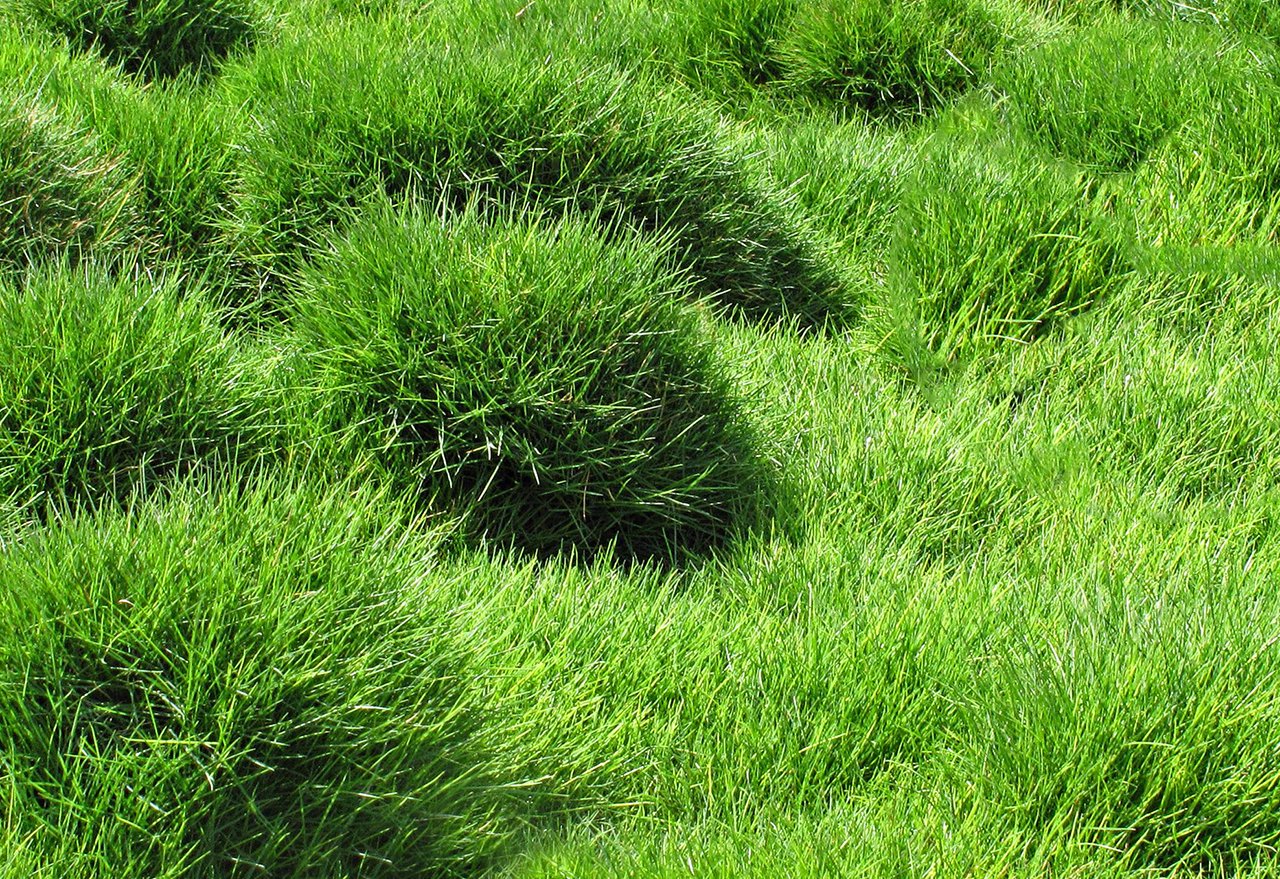
Credit: www.whygoodnature.com
Zoysia Grass Basics
Zoysia grass is a popular choice for lawns and landscapes. It is known for its dense growth and soft texture. This grass type adapts well to different environments. Understanding its basics helps in proper care and maintenance. Knowing its types, growth habits, and climate needs is essential for healthy lawns.
Types Of Zoysia Grass
Zoysia grass has several types. Common types include Zoysia japonica, Zoysia matrella, and Zoysia tenuifolia. Zoysia japonica is coarse and grows fast. Zoysia matrella is finer and spreads slowly. Zoysia tenuifolia is very soft and looks like moss. Each type suits different lawn styles and climates.
Growth Characteristics
Zoysia grass grows slowly but forms a thick carpet. It spreads using stolons and rhizomes. This growth helps prevent weeds. The grass can handle foot traffic well. It goes dormant in cold weather, turning brown. In warm seasons, it stays green and lush.
Ideal Climate Conditions
Zoysia grass thrives in warm climates. It prefers temperatures between 75 and 90 degrees Fahrenheit. It tolerates heat and drought better than many grasses. This grass needs moderate rainfall or irrigation. It grows best in full sun but can handle light shade. Cold winters can cause dormancy or damage.
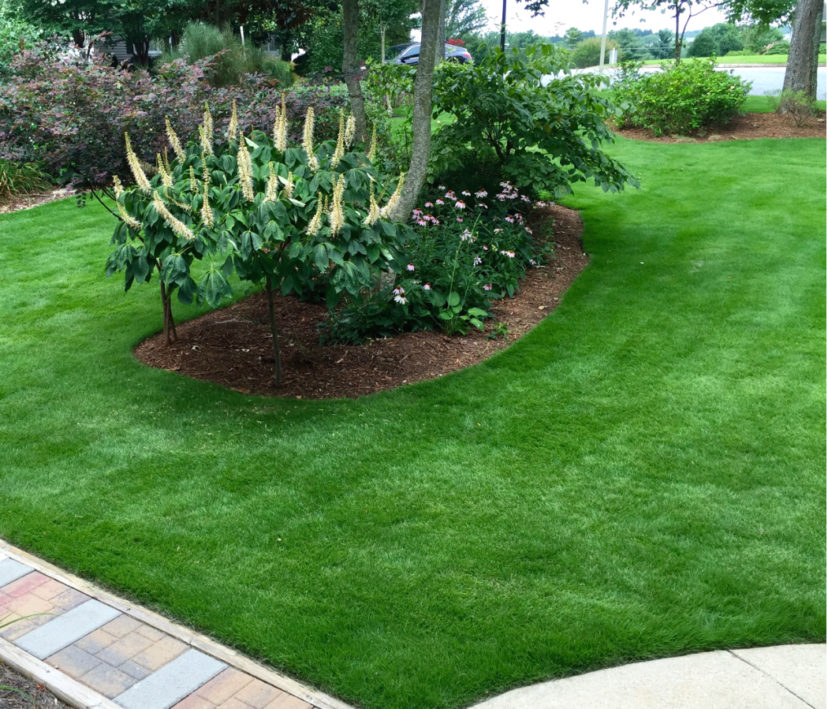
Credit: hgic.clemson.edu
Heat Tolerance Of Zoysia Grass
Zoysia grass is known for its ability to survive in warm climates. Its heat tolerance makes it a popular choice for lawns in hot regions. This grass type can handle strong sunlight and high temperatures better than many others. Understanding how Zoysia grass copes with heat helps in choosing the right lawn grass for your area.
How Zoysia Handles High Temperatures
Zoysia grass grows slowly and forms thick mats. This dense growth reduces water loss from the soil. Its deep roots reach moisture far below the surface. The grass blades roll up to save water during heat. These traits help Zoysia stay green and healthy in hot weather.
Comparison With Other Grass Types
Zoysia is more heat tolerant than Kentucky bluegrass and fescue. It stays green longer in summer heat. Bermuda grass also tolerates heat well but grows faster and needs more mowing. Zoysia requires less water than many warm-season grasses. This makes it a better choice for dry, hot climates.
Limitations In Extreme Heat
Extreme heat above 100°F can stress Zoysia grass. Prolonged drought may cause it to turn brown. It needs some water even in hot weather. Shade and poor soil reduce its heat tolerance. Proper care is important to keep Zoysia healthy during heat waves.
Soil And Water Needs
Zoysia grass is known for its ability to handle heat well. But soil and water play a big role in its health and growth. Proper soil and water care help Zoysia stay green and strong during hot months. Understanding the right soil and watering methods is key to growing healthy Zoysia grass.
Best Soil Types For Heat
Zoysia grass grows best in sandy or loamy soils. These soils warm up quickly and drain well. Clay soils hold too much water and heat slowly. Sandy soils stop water from pooling and reduce root rot risk. Loamy soils offer a good balance of nutrients and drainage. Choose soil that feels loose and crumbly for best results.
Irrigation Tips During Summer
Zoysia grass needs deep watering in hot weather. Water early in the morning to reduce evaporation. Avoid watering in the afternoon when heat is strongest. Deep watering helps roots grow deeper and resist drought. Light, frequent watering can cause shallow roots and weak grass. Aim for 1 inch of water per week during summer.
Drainage And Moisture Retention
Good drainage prevents water from sitting around roots. Standing water can cause root damage and disease. Ensure your lawn slopes slightly to help water flow away. Adding organic matter improves soil moisture retention. This keeps water available without making soil soggy. Balanced moisture helps Zoysia grass stay healthy in heat.

Credit: www.kernturfsupply.com
Maintaining A Healthy Lawn In Heat
Maintaining a healthy lawn during hot weather is challenging. Zoysia grass handles heat well but needs care. Proper lawn care helps keep it green and strong. Water, mowing, and pest control all play a role. Follow simple steps to protect your lawn from heat stress.
Mowing Practices For Hot Weather
Cut Zoysia grass higher in hot months. Longer grass blades shade the soil and keep roots cool. Avoid cutting more than one-third of the grass height. Use sharp mower blades to prevent tearing. Mowing less often reduces stress on the grass.
Fertilization Schedule And Tips
Feed your lawn early in the growing season. Use slow-release fertilizers for steady nutrition. Avoid heavy feeding during peak heat. Excess fertilizer can burn grass under strong sun. Water the lawn after fertilizing to help nutrients absorb.
Pest And Disease Management
Check your lawn regularly for signs of pests and disease. Hot weather can increase pest activity. Treat problems early to prevent damage. Use safe, lawn-friendly pesticides and follow instructions carefully. Healthy grass resists pests better than weak grass.
Troubleshooting Heat Stress
Heat stress can challenge Zoysia grass during hot days. It affects the grass’s health and look. Knowing how to spot and fix heat stress helps keep your lawn green and strong. This section explains how to find signs of heat damage, ways to help recovery, and steps to stop heat stress before it starts.
Signs Of Heat Damage
Zoysia grass shows clear signs when it gets too hot. The blades turn yellow or brown. The grass looks thin and dry. You may see patches where grass dies. Foot traffic can cause more damage on stressed grass. The soil may feel very dry and hot too.
Recovery Techniques
Water the lawn deeply in the early morning. This helps grass get moisture before the heat. Avoid watering in the afternoon to stop evaporation. Mow the grass higher to protect roots from sun. Use a sharp mower blade to avoid tearing grass. Apply fertilizer after watering to support growth. Aerate the soil to improve air and water flow.
Preventive Measures
Choose drought-resistant Zoysia varieties for hot climates. Water lawns regularly but do not overwater. Keep mowing height at 2 to 3 inches. Use mulch or grass clippings to keep soil moist. Reduce foot traffic during extreme heat. Apply slow-release fertilizer in spring and fall. Monitor the lawn often to catch heat stress early.
Enhancing Heat Resistance
Zoysia grass can handle heat well, but some steps improve its resistance. Enhancing heat resistance helps the grass stay green and healthy. It also reduces the risk of damage during hot months.
Simple care methods protect Zoysia from stress caused by high temperatures. These techniques keep the grass strong and growing. Focus on choosing the right variety, improving soil, and using natural protection.
Grass Varieties With Better Heat Tolerance
Some Zoysia types handle heat better than others. Varieties like Zoysia japonica and Zoysia matrella show strong heat resistance. They grow well in hot climates and dry conditions. Choosing these types helps your lawn survive long, hot days.
Soil Amendments And Mulching
Healthy soil supports grass during heat. Adding organic matter like compost improves moisture retention. Mulching around the grass reduces water loss from evaporation. Mulch also keeps soil cooler and protects roots from heat stress.
Shade And Wind Protection Strategies
Shade lowers soil temperature and reduces water needs. Planting trees or using shade cloth creates cooler spots. Wind protection limits drying effects on grass. Barriers like fences or shrubs block hot, drying winds. These methods keep Zoysia grass healthy in heat.
Frequently Asked Questions
Is Zoysia Grass Suitable For Hot Climates?
Yes, Zoysia grass is highly heat tolerant. It thrives in warm and sunny environments. This makes it ideal for hot climates with intense summer heat.
How Does Zoysia Grass Survive Extreme Heat?
Zoysia grass has deep roots that retain moisture well. Its dense growth reduces soil evaporation. These features help it survive extreme heat and drought conditions.
Does Zoysia Grass Require Special Care In Heat?
Zoysia grass needs regular watering during heat waves. Mowing at the right height also helps it stay healthy. Proper care ensures it remains lush and green.
Can Zoysia Grass Handle Prolonged Drought?
Zoysia grass is drought-resistant due to its water-efficient nature. It can endure dry periods better than many other grasses. However, occasional watering boosts its resilience.
Conclusion
Zoysia grass handles heat well and stays green longer. It grows thick and resists dry conditions. This grass needs less water than many others. It recovers quickly after hot, dry weather. Choosing Zoysia means a lawn that looks good in summer.
Keep watering and mowing to keep it healthy. A strong lawn adds beauty and comfort to your yard. Zoysia grass is a smart choice for warm climates.
