
Are you struggling to find the perfect grass for those shady spots in your yard? You might have heard about Zoysia grass and wondered if it can thrive where sunlight is limited.
Choosing the right grass can make a huge difference in your lawn’s health and appearance. You’ll discover whether Zoysia grass can handle shade and how it could transform your garden. Keep reading to find out if this grass is the right fit for your shady spaces.
Credit: thegrassoutlet.com
Zoysia Grass Basics
Zoysia grass is a popular choice for many lawns. It grows well in warm climates and offers a lush, green look. Understanding its basics helps to know if it fits your yard.
This grass type is slow growing but very dense. It can crowd out weeds and handle foot traffic. Knowing the key traits and varieties can guide your lawn care.
Characteristics Of Zoysia Grass
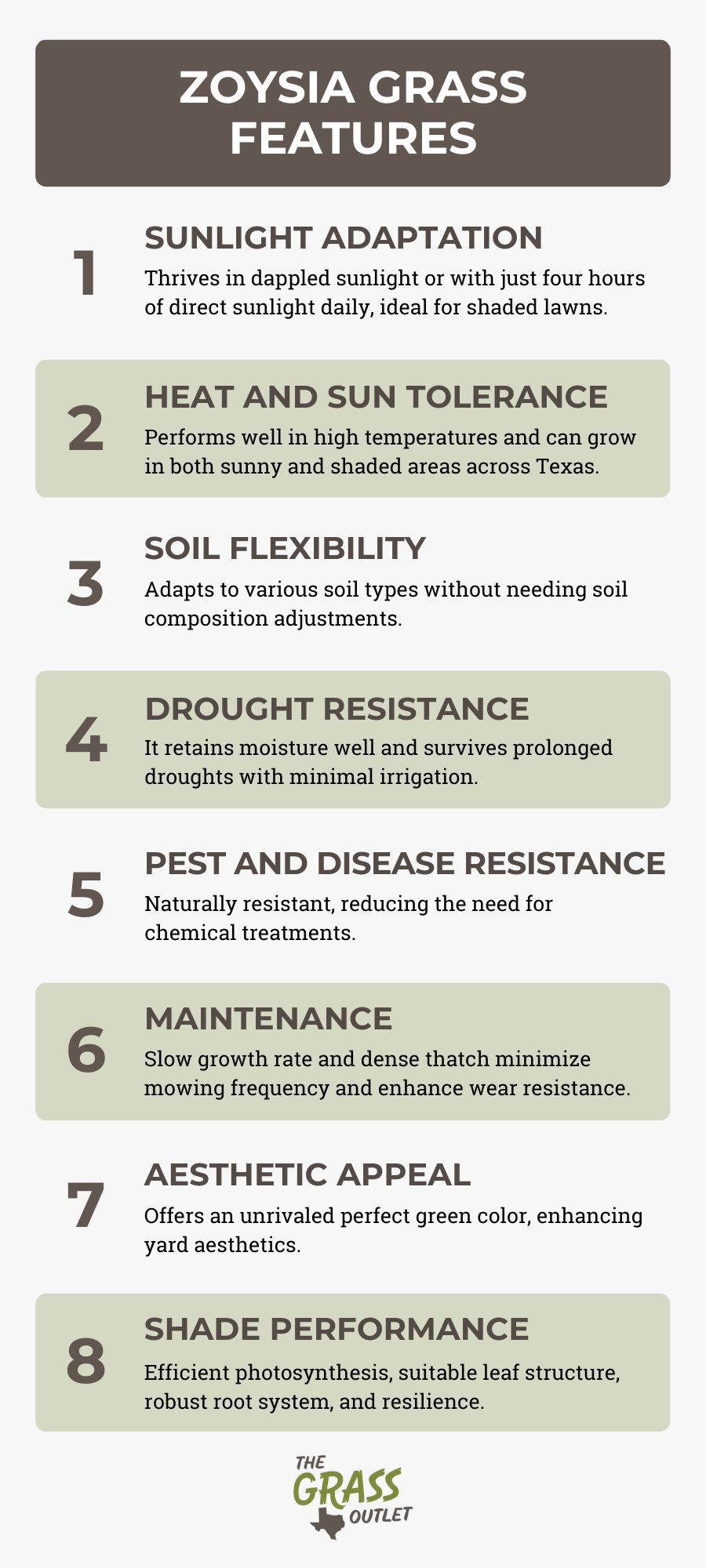
Zoysia grass has thick, soft blades that form a tight mat. It needs less water than many other grasses. It stands up to heat and drought well. Shade tolerance varies, but it usually prefers some sun. It grows slowly, so it needs less mowing. This grass recovers slowly from damage. It turns brown in cold winters but greens quickly in spring.
Popular Varieties
Several types of Zoysia grass are common. Zoysia japonica is coarse and grows fast. It handles cold weather better than others. Zoysia matrella has finer blades and grows slower. It looks softer and is often used on golf courses. Zoysia tenuifolia is very fine and dense but grows very slowly. Choosing the right variety depends on climate and lawn needs.
Credit: theturfgrassgroup.com
Shade Tolerance Factors
Shade tolerance depends on several key factors that influence grass health. Light is the main element grass needs for photosynthesis. Without enough light, grass struggles to grow and stay green. Other factors include soil quality, water availability, and grass type. Understanding these helps in choosing the right grass for shaded areas.
How Shade Affects Grass Growth
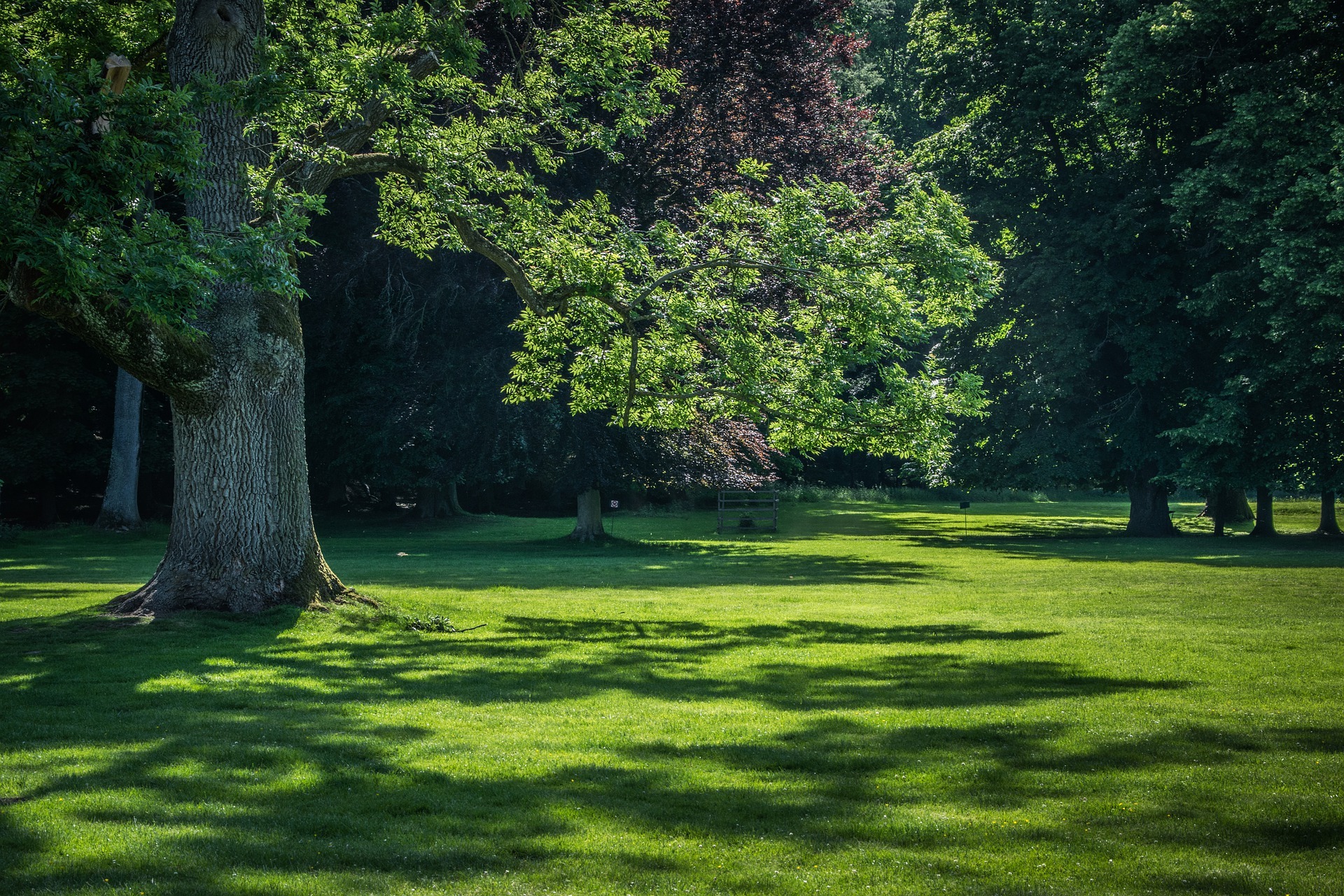
Shade reduces the amount of sunlight reaching the grass. Less light means slower growth and weaker grass blades. Grass in deep shade often turns thin and patchy. Shade also changes the temperature and moisture levels under trees. These changes can stress the grass and make it more prone to diseases.
Zoysia Grass Shade Adaptability
Zoysia grass is known for good shade tolerance compared to other grasses. It can grow well in light to moderate shade. Zoysia’s dense growth helps it compete for sunlight and nutrients. Still, heavy shade will limit its growth and color. Regular care, like proper mowing and watering, helps Zoysia thrive in shady spots.
Comparing Zoysia With Other Grasses
Comparing Zoysia grass with other types of lawn grass helps to understand its strengths and weaknesses. Each grass type reacts differently to shade and sunlight. Some grasses grow well in low light, while others need full sun. Knowing these differences guides lawn care choices.
Shade Tolerance Levels
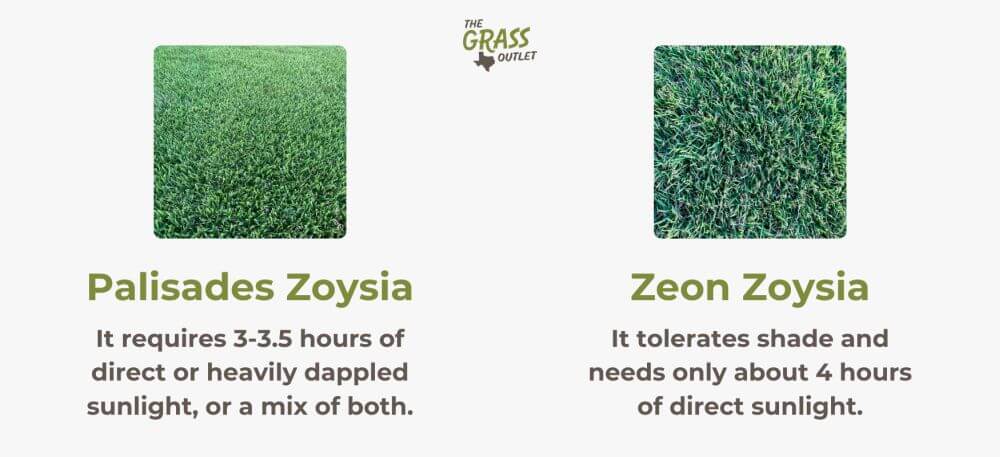
Zoysia grass handles shade better than many warm-season grasses. It can survive with about 3 to 4 hours of direct sun daily. Bermuda grass, popular in warm climates, needs at least 6 hours of sun. St. Augustine grass tolerates shade well, similar to Zoysia, but prefers more moisture. Fescue, a cool-season grass, grows well in shade but not in hot areas. Zoysia strikes a balance between shade tolerance and heat resistance.
Growth Patterns In Shade
Zoysia grass grows slower in shaded areas than in full sun. It spreads by stolons and rhizomes, helping it fill bare spots. In shade, its growth becomes thinner and less dense. Bermuda grass grows faster but thins out quickly in shade. St. Augustine forms dense mats and handles shade without much thinning. Fescue stays green in shade but may struggle in heat. Zoysia’s slow but steady growth makes it a reliable choice for partially shaded lawns.
Optimizing Zoysia In Shaded Areas
Zoysia grass can grow in shaded areas, but it needs special care. Too much shade slows its growth and thins the lawn. Small changes help Zoysia thrive even with less sun.
Understanding the right steps will improve the lawn’s health and appearance. Focus on planting, maintenance, soil, and watering to support Zoysia in shade.
Best Practices For Planting
Choose a Zoysia variety known for better shade tolerance. Plant in early spring or late summer. Space the grass plugs or seeds close to help fill shaded spots quickly. Avoid planting under dense tree canopies.
Maintenance Tips For Shade
Cut the grass at a higher setting to allow more leaf surface for photosynthesis. Remove leaves and debris often to increase light reaching the grass. Use light fertilization to avoid stressing the grass. Aerate soil to improve air and nutrient flow.
Soil And Water Considerations
Check soil pH and keep it between 6.0 and 6.5 for best growth. Water deeply but less often to encourage strong roots. Avoid overwatering, which can cause disease in shaded areas. Use mulch near trees to retain moisture without flooding the grass.
Common Challenges In Shade
Zoysia grass faces several challenges when grown in shaded areas. Shade limits sunlight, which affects its health and appearance. Knowing these challenges helps maintain a healthy lawn. Below are common problems to watch for in shaded spots.
Pest And Disease Risks
Shade creates a damp environment that pests like. Insects and fungi thrive in low light and moisture. Zoysia grass in shade often sees more disease problems. Common issues include fungal infections and insect damage. Regular checks and prompt treatment keep the grass healthy.
Dealing With Thin Growth
Zoysia grass grows thin and weak in shade. Lack of sunlight slows down photosynthesis and growth. Thin patches allow weeds to spread easily. Mowing less and fertilizing carefully help improve growth. Sometimes, adding more sunlight by trimming trees is needed.
Real-life Experiences
Real-life experiences offer valuable insight into how well Zoysia grass tolerates shade. Stories from homeowners and expert advice help understand its performance under low light. These accounts reveal practical tips and challenges faced in shaded lawns.
Homeowner Success Stories
Many homeowners report good results growing Zoysia grass in partly shaded areas. Some say it stays green and thick under light tree cover. Others notice slower growth but still enjoy a healthy lawn.
One homeowner shared that trimming tree branches improved sunlight and grass health. Another mentioned watering more often helped the grass survive shade. These stories show small changes can make a big difference.
Expert Recommendations
Experts agree Zoysia grass can tolerate some shade but prefers sun. They suggest planting it in areas with at least four hours of direct sunlight. In deep shade, they recommend choosing shade-tolerant grass types instead.
Experts advise improving soil drainage and avoiding overwatering in shaded spots. They also recommend regular mowing to keep the grass dense. These tips help Zoysia grass thrive even with less light.
Credit: thegrassoutlet.com
Frequently Asked Questions
Is Zoysia Grass Good For Shaded Areas?
Zoysia grass tolerates light to moderate shade well. However, it needs at least 3-4 hours of sunlight daily to thrive. Heavy shade may cause thinning and slower growth.
How Much Shade Can Zoysia Grass Handle?
Zoysia grass can handle about 30-50% shade. It performs best with filtered sunlight and struggles under dense shade. Proper sunlight is key for healthy growth.
Can Zoysia Grass Survive Full Shade?
Zoysia grass does not survive well in full shade. Lack of sunlight weakens the grass and encourages weeds. It’s best for areas with partial sun.
What Are The Best Care Tips For Shaded Zoysia?
Water shaded Zoysia less frequently but deeply. Avoid heavy fertilization and mow higher to encourage strong roots. These practices help Zoysia thrive in partial shade.
Conclusion
Zoysia grass grows best in sun but can handle some shade. It does not thrive in deep shade like other grasses. For areas with partial shade, Zoysia can still stay green and healthy. Proper care, like watering and mowing, helps it grow strong.
Choose Zoysia if your lawn gets a mix of sun and shade. This grass offers a good balance for many yards. Keep in mind, too much shade may cause thin patches. Overall, Zoysia grass suits lawns with light to medium shade well.
