
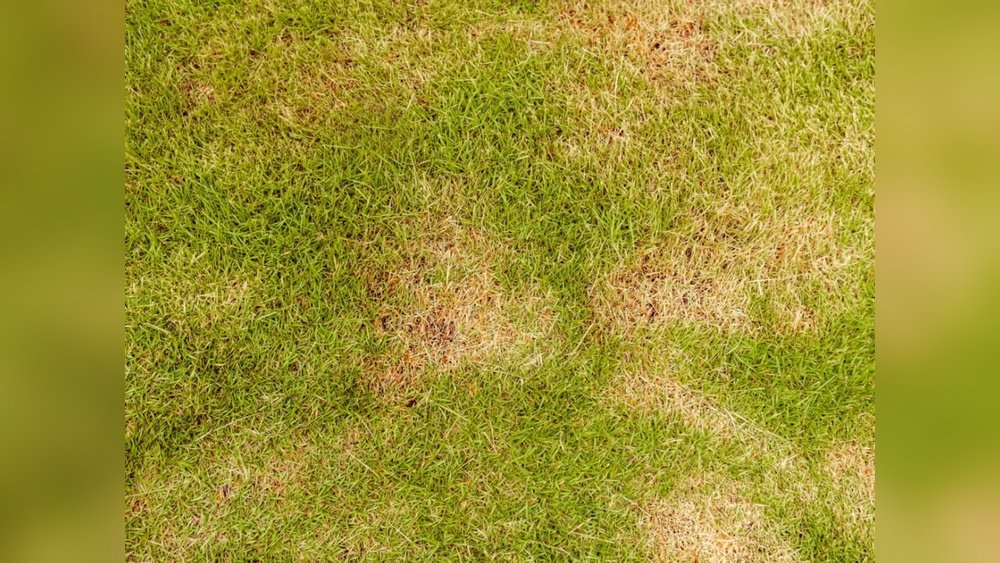
Is your beautiful Zoysia grass suddenly turning brown or patchy? You’ve worked hard to keep your lawn lush and green, so seeing it struggle can be frustrating.
But don’t worry—your Zoysia grass isn’t beyond help. Understanding why it’s dying is the first step to bringing it back to life. You’ll discover the common reasons behind your grass’s decline and simple solutions you can apply right away. Keep reading, and you’ll soon have the healthy, vibrant lawn you’ve been hoping for.
Credit: www.rynolawncare.com
Common Causes Of Zoysia Grass Decline
Zoysia grass can lose its green color and die for many reasons. Knowing these causes helps you save your lawn fast. This section explains common problems that make Zoysia grass weak or die. Learn about pests, watering, soil, nutrients, and weather issues that affect your grass.
Pests And Diseases
Insects like chinch bugs eat Zoysia grass leaves. These pests cause brown patches in the lawn. Fungal diseases also attack the grass roots or leaves. They make the grass wilt or turn yellow. Watch for small bugs and strange spots on the grass.
Watering Issues
Too much water can drown Zoysia roots. This leads to root rot and weak grass. Too little water dries out the grass fast. It turns brown and brittle. Water your lawn deeply but not often to keep it healthy.
Soil Problems
Poor soil drains water badly or lacks air. Hard, compacted soil stops roots from growing. Zoysia grass needs loose soil for strong roots. Test soil to check its texture and drainage. Fix soil problems by aerating or adding sand.
Nutrient Deficiencies
Zoysia grass needs nutrients like nitrogen, potassium, and phosphorus. Without these, the grass grows thin and pale. Yellow or patchy grass shows lack of nutrients. Use a balanced fertilizer to feed your lawn well.
Environmental Stress
Heat, cold, and strong winds stress Zoysia grass. Too much sun can dry the grass quickly. Frost or cold snaps can damage the blades. Protect your lawn by watering during dry weather. Avoid walking on the grass when it is stressed.

Credit: www.jacksonville.com
Identifying Symptoms Quickly
Spotting the signs of dying Zoysia grass early helps save your lawn fast. Knowing what to watch for prevents bigger problems. Check your grass every few days for changes. Quick action means better recovery and less damage.
Discoloration Patterns
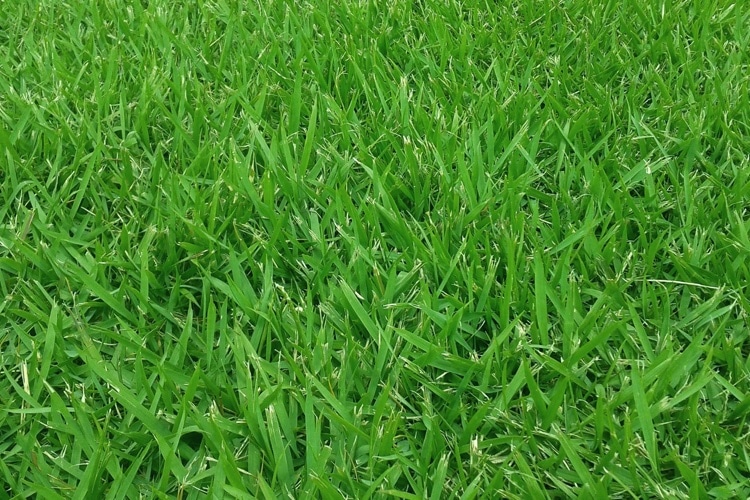
Look for color changes in your grass blades. Yellow or brown patches show stress or disease. Uneven discoloration often points to pests or nutrient issues. Healthy Zoysia grass should be green and vibrant.
Patchy Growth
Notice areas where grass fails to grow evenly. Bare spots or irregular growth often mean root damage. Soil compaction or pests can cause patchy grass. These patches can spread if ignored.
Thinning Grass
Thin grass means fewer blades cover the soil. This shows poor health or lack of nutrients. Thinning often happens before discoloration appears. Thick, full grass is a sign of good health.
Wilting And Dryness
Wilting blades feel limp and look dry. Lack of water or root damage causes wilting. Dry grass loses its bright green color quickly. Consistent moisture keeps Zoysia grass strong and healthy.
Effective Watering Techniques
Proper watering helps Zoysia grass stay healthy and green. It stops the grass from drying out or getting too wet. Using the right watering methods saves water and keeps your lawn strong. Follow these tips to improve your watering habits and revive your Zoysia grass.
Optimal Watering Schedule
Water your Zoysia grass early in the morning. This helps water soak into the soil before heat evaporates it. Aim for two to three times per week. Each time, give about one inch of water. Adjust based on weather; less water during rain, more during hot days.
Avoiding Overwatering
Too much water causes roots to rot and grass to die. Check soil moisture by feeling the ground. If it feels soggy, skip watering. Let the soil dry out between watering sessions. Overwatering invites pests and diseases that harm grass.
Irrigation Tips
Use a sprinkler that covers the lawn evenly. Avoid watering sidewalks or driveways to save water. Water slowly to let the soil absorb moisture deeply. Use drip irrigation or soaker hoses for better control. Regularly check your irrigation system for leaks or blockages.
Soil Care And Fertilization
Soil care and fertilization play a key role in keeping Zoysia grass healthy. Healthy soil supports strong roots and helps grass fight stress. Proper fertilization gives the grass the nutrients it needs to grow thick and green. Understanding soil health and how to feed your lawn helps prevent dying patches.
Soil Testing Methods
Start with a soil test to know what your soil lacks. You can collect soil samples from different lawn areas. Send samples to a local extension office or use a home test kit. Tests show pH levels and nutrient content. This information guides your fertilization plan.
Choosing The Right Fertilizer
Select fertilizer based on soil test results. Zoysia grass needs nitrogen, phosphorus, and potassium. Look for a balanced fertilizer with these nutrients. Slow-release formulas feed grass over time. Avoid too much nitrogen; it can harm the lawn.
Applying Fertilizer Correctly
Apply fertilizer evenly across the lawn. Use a spreader for best results. Water the lawn after applying fertilizer to help nutrients soak in. Avoid fertilizing before heavy rain to prevent runoff. Follow the recommended amount to avoid burning the grass.
Managing Pests And Diseases
Managing pests and diseases is key to keeping Zoysia grass healthy. Pests and diseases can damage your lawn quickly. Early detection helps protect your grass from dying. Learn how to spot problems and treat them effectively.
Common Zoysia Pests
Several pests attack Zoysia grass. Chinch bugs feed on grass blades, causing yellow patches. Sod webworms chew grass leaves and stems. Armyworms can strip large areas of grass fast. Grubs damage roots, making grass weak. Watch for signs like brown spots and thinning grass.
Disease Identification
Zoysia grass faces various diseases. Brown patch disease creates circular dead areas. Dollar spot shows small, silver spots on leaves. Leaf spot causes black or brown marks. Rust disease leaves orange powder on grass blades. Check your lawn regularly for unusual colors or patterns.
Natural And Chemical Treatments
Natural treatments include beneficial insects that eat pests. Neem oil can control many pests and some diseases. Proper lawn care reduces disease risk. Use fungicides and insecticides carefully to avoid damage. Follow product instructions strictly for best results. Treat early to save your Zoysia grass.
Mowing And Lawn Maintenance
Mowing and lawn maintenance play a big role in keeping Zoysia grass healthy. Cutting the grass at the right height helps it grow strong. Proper care prevents stress and damage to the lawn. Small changes in mowing habits can make a big difference. Follow simple tips to bring your dying Zoysia back to life.
Ideal Mowing Height
Zoysia grass grows best at a height between 1 to 2 inches. Cutting it too short can hurt the roots. Taller grass protects soil and holds moisture better. Set your mower blades to keep the grass within this range. Avoid cutting more than one-third of the grass blade at once. This keeps the lawn healthy and green.
Frequency For Healthy Growth
Mow Zoysia grass once a week during the growing season. This helps keep the grass even and strong. In slow growth times, like fall or winter, mow less often. Regular mowing stops weeds from taking over. Watch your lawn and adjust mowing frequency based on growth speed.
Additional Lawn Care Tips
Use a sharp mower blade for clean cuts. Dull blades can tear grass and cause damage. Remove grass clippings or leave them to add nutrients back to soil. Water your lawn deeply but not too often. Aerate the soil to help roots get air and water. These small steps improve the overall health of your Zoysia lawn.
Reviving Strategies For Severe Damage
Severe damage to Zoysia grass needs quick and smart action. Reviving your lawn starts with understanding the best care methods. Proper steps can bring life back to your grass. These strategies can help your lawn recover stronger and greener.
Choosing the right approach depends on the damage level. Some lawns need reseeding, while others may require sodding. Aeration and topdressing also play important roles in recovery.
Reseeding Vs. Sodding
Reseeding involves planting new grass seeds in bare or thin areas. It is cheaper but takes longer to grow. Patience is key, as grass may take weeks to fill in.
Sodding uses pre-grown grass patches. It offers fast results and instant green coverage. Sodding costs more but helps lawns recover quickly.
Choose reseeding for minor damage and sodding for large, bare spots.
Aeration Benefits
Aeration means poking small holes in the soil. It helps air, water, and nutrients reach grass roots. This promotes strong root growth and healthier grass.
Aeration reduces soil compaction, which often causes poor lawn health. Regular aeration can prevent future damage and improve lawn resilience.
Topdressing Techniques
Topdressing is spreading a thin layer of soil or compost over the lawn. It smooths the surface and adds nutrients to the soil.
This method helps grass grow evenly and fills small holes. Topdressing also improves soil quality and moisture retention.
Combine topdressing with aeration for best results in lawn recovery.
Preventing Future Problems
Preventing future problems with your Zoysia grass helps keep your lawn healthy and green. Proper care stops issues before they start. A good plan makes your grass stronger against disease, pests, and weather stress.
Follow simple steps to protect your lawn all year. Consistency brings the best results for Zoysia grass.
Seasonal Care Routines
Adjust care based on the season. Water less in cooler months and more during hot times. Mow at the right height to avoid stressing the grass. Fertilize in spring and fall to supply needed nutrients. Remove leaves and debris to let sunlight reach the grass.
Regular Monitoring
Check your lawn often for signs of trouble. Look for brown patches, thinning, or pests. Catch problems early to treat them quickly. Use simple tools like a soil test kit to check soil health. Keep notes on what works and what does not.
Using Quality Grass Varieties
Choose strong Zoysia varieties suited for your climate. Some types resist drought, pests, and cold better. Buy seeds or sod from trusted sources. Healthy grass starts with good material. Mixing varieties can improve lawn resilience.

Credit: www.reddit.com
Frequently Asked Questions
Why Is My Zoysia Grass Turning Brown?
Zoysia grass turns brown due to drought, overwatering, or fungal infections. Check soil moisture and improve drainage. Avoid excessive watering and apply fungicide if needed. Proper lawn care prevents browning and promotes healthy green grass.
How Often Should I Water Dying Zoysia Grass?
Water Zoysia grass deeply once or twice a week. Ensure soil remains moist but not soggy. Overwatering causes root rot and grass death. Adjust watering based on weather and soil type for best results.
Can Pests Cause My Zoysia Grass To Die?
Yes, pests like armyworms and grubs damage Zoysia grass roots and blades. Inspect your lawn for pests regularly. Use appropriate insecticides or natural predators to control infestations and save your grass.
What Fertilization Helps Revive Dying Zoysia Grass?
Use a balanced fertilizer with nitrogen, phosphorus, and potassium. Apply during active growing seasons in spring and summer. Avoid over-fertilizing to prevent burning. Proper fertilization strengthens roots and promotes lush green growth.
Conclusion
Taking care of dying Zoysia grass is not hard. Check soil, water, and sunlight first. Remove weeds and pests quickly. Use fertilizer to help grass grow strong. Give your lawn time to heal and grow. Watch for changes and adjust care as needed.
Healthy grass means a happy yard. Keep learning and caring for your lawn. You will see green, thick grass again soon. Patience and good care make a big difference.
