
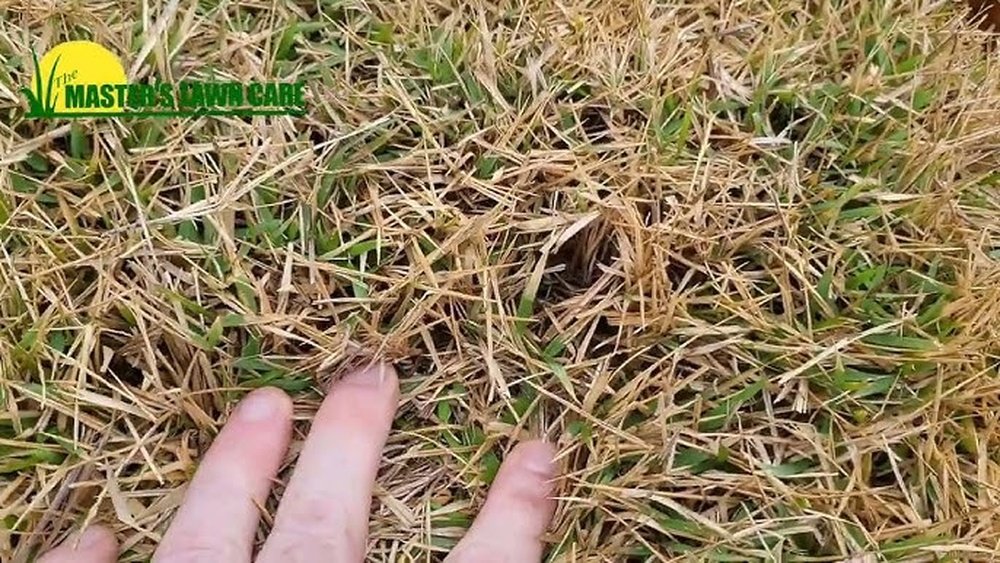
Is your beautiful Zoysia grass suddenly turning brown and leaving you worried? You’ve worked hard to keep your lawn green and healthy, so seeing those brown patches can be frustrating.
But don’t panic—there are simple reasons behind this change, and easy steps you can take to bring your lawn back to life. Keep reading to discover what’s causing your Zoysia grass to brown and how you can fix it fast.
Your lawn will thank you!
Common Causes Of Brown Zoysia Grass
Brown patches on Zoysia grass can be frustrating and confusing. Several factors cause this common problem. Understanding these causes helps you take better care of your lawn. Below are the most frequent reasons why Zoysia grass turns brown.
Seasonal Dormancy
Zoysia grass naturally changes color during cooler months. It goes dormant in fall and winter. During dormancy, the grass stops growing and turns brown. This is normal and not a sign of disease or damage. The grass will green up again when warm weather returns.
Watering Issues
Both too little and too much water harm Zoysia grass. Lack of water causes the grass to dry out and turn brown. Overwatering leads to root rot and poor growth. Proper watering means keeping the soil moist but not soggy. Water deeply and less often for best results.
Soil Compaction
Hard, compacted soil blocks air and water from reaching grass roots. This stress causes brown spots and weak growth. Heavy foot traffic or machinery can compact the soil. Aerating the lawn helps loosen soil and improves root health. Healthy roots mean greener grass.
Pest Damage
Insects like grubs or chinch bugs feed on Zoysia grass roots. This feeding causes brown patches and thinning grass. Look for small insects or damaged areas in the lawn. Treat pests early to prevent more damage. Healthy grass recovers faster from pest attacks.
Nutrient Deficiency
Grass needs nutrients like nitrogen, phosphorus, and potassium to stay green. Lack of these nutrients causes yellowing and browning. Soil tests can show which nutrients are missing. Use a balanced fertilizer to restore grass color and health. Regular feeding keeps Zoysia lush and green.
Quick Watering Solutions
Quick watering solutions help fix brown patches on Zoysia grass fast. Proper watering keeps the grass green and healthy. Watering mistakes often cause the grass to turn brown. Knowing how to water correctly can save your lawn.
Focus on the right amount and timing of water. This section explains how to adjust watering schedules, the difference between deep and frequent watering, and signs of overwatering.
Adjusting Irrigation Schedules
Set watering times based on weather and soil type. Water early in the morning to reduce evaporation. Avoid watering in the heat of the day. Adjust the schedule during rainy or dry periods. Less water is needed in cooler weather.
Deep Vs. Frequent Watering
Deep watering encourages strong roots. Water slowly and deeply once or twice a week. Frequent shallow watering causes weak roots. Shallow roots dry out quickly and make grass brown. Deep watering helps grass survive droughts better.
Signs Of Overwatering
Look for yellowing grass and soft soil. Overwatered grass may have mold or fungus. Standing water or soggy spots show too much water. Overwatering wastes water and harms your lawn. Cut back watering if you see these signs.
Improving Soil Health
Improving soil health is key to fixing brown patches in Zoysia grass. Healthy soil helps roots grow strong and absorb water well. It also supports beneficial microbes that keep grass green and healthy.
Good soil holds moisture and nutrients better. It stops problems like compaction and poor drainage. Focus on soil health to bring your Zoysia grass back to life.
Aeration Techniques
Aeration means making small holes in the soil. These holes let air, water, and nutrients reach grass roots easier. You can use a spike aerator or a core aerator tool. Core aerators remove small plugs of soil, which is better for compacted lawns.
Aerate your lawn during the growing season. This helps roots grow deeper and stronger. Aeration reduces soil compaction, which often causes brown spots. It also improves water absorption and reduces runoff.
Soil Testing Basics
Soil testing shows what your soil needs. It measures pH, nutrient levels, and soil texture. You can get a test kit from garden centers or send samples to a lab.
Testing helps avoid over-fertilizing or adding the wrong nutrients. Balanced soil supports healthy grass growth. Test your soil every few years to keep track of changes.
Amending Soil Nutrients
Adding the right nutrients improves soil and grass health. Common nutrients are nitrogen, phosphorus, and potassium. Use fertilizers based on your soil test results.
Organic matter like compost also helps. It improves soil structure and adds nutrients slowly. Spread compost evenly and water well. Healthy soil feeds your Zoysia grass naturally.

Credit: www.freshsod.com
Pest And Disease Control
Pest and disease problems can cause your Zoysia grass to turn brown quickly. These issues weaken the grass and stop it from growing well. Early control helps keep your lawn healthy and green. Knowing how to spot pests and diseases makes treatment easier.
Identifying Common Pests
Look for small insects like grubs and chinch bugs. They eat grass roots and blades. Check for tiny holes or patches of dead grass. Ants and sod webworms also harm Zoysia grass. Watch for unusual movement on your lawn’s surface.
Natural Pest Remedies
Use neem oil or insecticidal soap to control pests safely. These options do not harm beneficial insects. Sprinkle diatomaceous earth around affected areas to keep bugs away. Encourage natural predators like ladybugs and birds to visit your yard.
Fungus Treatment Options
Fungal infections cause brown or yellow spots on grass. Apply fungicides labeled for Zoysia grass to stop spread. Water your lawn early in the day to reduce moisture. Remove dead grass and debris to improve air flow.
Fertilizing For Greener Grass
Fertilizing is key to making Zoysia grass green again. Proper nutrients help the grass grow strong and healthy. Using the right fertilizer can fix brown spots and improve color. Knowing what to use and when to use it makes a big difference.
Best Fertilizer Types
Choose fertilizers high in nitrogen for greener Zoysia grass. Nitrogen helps leaves grow lush and thick. Look for slow-release fertilizers. They feed the grass over time without burning it. Organic options like compost also work well. They improve soil and add nutrients naturally.
Fertilizing Schedule
Fertilize Zoysia grass during its growing season, usually spring and summer. Apply fertilizer every 6 to 8 weeks. Avoid fertilizing in winter when grass is dormant. Follow package instructions for the right amount. Regular feeding keeps grass green and healthy.
Avoiding Overfertilization
Too much fertilizer can harm Zoysia grass. It may cause yellowing or burn the roots. Use the correct amount as stated on the label. Water the lawn well after fertilizing. This helps nutrients soak into the soil. Less is better than too much.
Mowing Tips For Healthy Zoysia
Mowing plays a big role in keeping your Zoysia grass green and healthy. Proper mowing helps the grass grow thick and strong. It stops the grass from turning brown and patchy. Follow these simple mowing tips to care for your Zoysia lawn well.
Ideal Mowing Height
Keep your Zoysia grass at the right height. Cut it between 1 and 2 inches tall. Cutting too short can hurt the grass roots. Taller grass shades the soil and holds moisture better. This stops the grass from drying out and turning brown.
Sharp Blade Importance
Use a sharp mower blade every time. Dull blades tear the grass, causing stress and damage. Sharp blades make clean cuts that heal quickly. This helps keep your Zoysia lawn green and strong. Check and sharpen your blade often.
Mowing Frequency
Mow your Zoysia grass regularly but don’t cut too much at once. Remove only one-third of the grass height each time. Mow every 7 to 10 days during the growing season. This encourages steady growth and prevents brown spots. Less frequent mowing can cause stress.
Preventing Future Browning
Preventing future browning of your Zoysia grass needs consistent care. Healthy grass resists stress better and stays green longer. Small actions throughout the year protect your lawn from drying out and turning brown.
Seasonal Lawn Care
Adjust your lawn care with the seasons. In spring, start mowing regularly and remove dead grass. Fertilize lightly to support new growth. Summer needs less fertilizer and more watering. In fall, rake leaves and feed your lawn to prepare for winter. Winter rest helps the grass recover and grow strong.
Water Conservation Practices
Water your lawn deeply but less often. This helps roots grow deeper and hold water better. Early morning is the best time to water. Avoid watering during the hot afternoon to reduce evaporation. Use mulch around trees to keep soil moist. Collect rainwater to use during dry spells.
Regular Lawn Monitoring
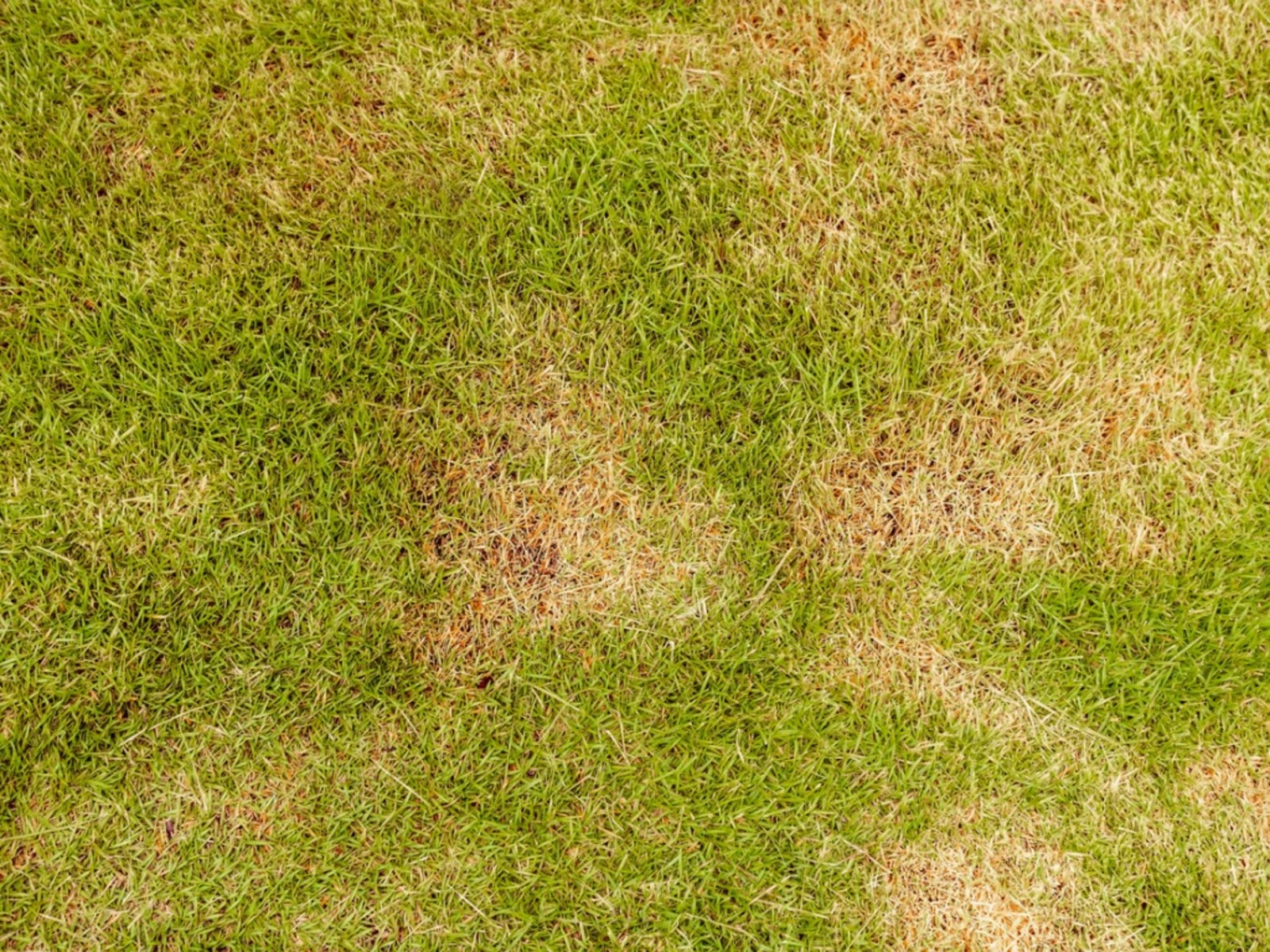
Check your lawn weekly for signs of stress or pests. Look for brown patches, thinning grass, or weeds. Early detection helps fix problems fast. Use a soil tester to check moisture and nutrient levels. Adjust care based on what you find. Keep a lawn journal to track changes and treatments.
Credit: www.gardeningknowhow.com

Credit: trysodpods.com
Frequently Asked Questions
Why Is My Zoysia Grass Turning Brown Suddenly?
Zoysia grass turns brown due to drought, overwatering, or fungal infections. Check soil moisture and water deeply. Avoid excessive watering and ensure good drainage. Treat fungal diseases promptly with recommended fungicides to restore healthy green color.
How Can I Prevent Zoysia Grass From Browning?
Maintain regular watering, especially during dry spells. Mow at the recommended height to reduce stress. Apply balanced fertilizer in growing season. Aerate soil to improve root health. Monitor for pests and diseases regularly to keep your lawn vibrant.
Does Seasonal Change Affect Zoysia Grass Color?
Yes, Zoysia grass naturally goes dormant and browns in cold seasons. It usually recovers in warmer months. Proper care during dormancy helps quick recovery. Avoid heavy foot traffic and excessive watering in winter to prevent damage.
Can Soil Problems Cause Brown Patches In Zoysia Grass?
Poor soil drainage, compaction, or nutrient deficiency can cause browning. Test soil pH and nutrients. Improve drainage by aerating and adding organic matter. Correct nutrient imbalances with appropriate fertilizers for a healthier lawn.
Conclusion
Brown Zoysia grass signals a problem needing quick care. Check watering habits and soil health first. Proper mowing and fertilizing help grass stay green. Watch for pests and diseases that cause damage. Small steps make your lawn healthy again. Stay patient; grass recovers with good care.
Keep learning about your lawn’s needs. A green yard is possible with steady effort.
