

If you want a lush, green lawn year-round, overseeding your Zoysia grass is a smart move. But when exactly should you do it?
And how can you make sure it’s done the right way? Getting these steps right can mean the difference between a patchy lawn and a thick, healthy carpet of grass that your neighbors will envy. You’ll discover the best time to overseed, simple techniques to follow, and tips that will help your Zoysia lawn thrive like never before.
Keep reading to unlock the secrets to a perfect lawn all year long.
Benefits Of Overseeding Zoysia
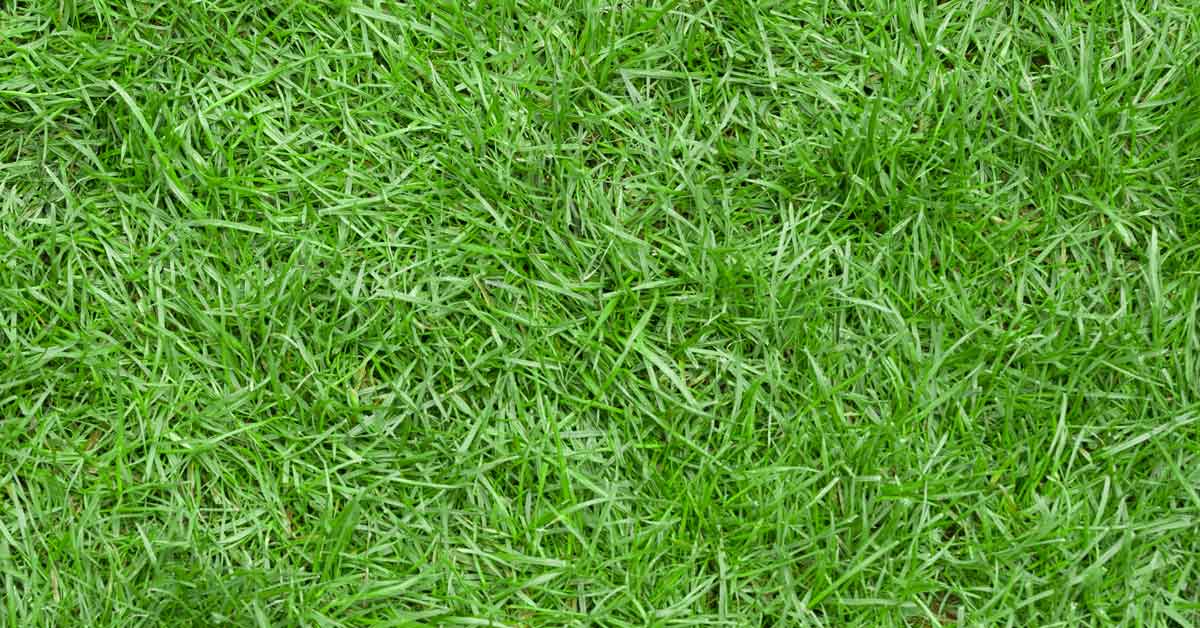
Overseeding zoysia grass offers many advantages for a healthy lawn. It helps fill in bare spots and creates a thicker, greener yard. This process also supports the lawn through changing seasons and fights off weeds naturally. Understanding these benefits can help you care for your zoysia grass better.
Here are the key benefits of overseeding zoysia grass that improve your lawn’s look and health.
Enhancing Lawn Density
Overseeding adds new grass seeds to your lawn. This fills in thin or bare areas quickly. The extra grass blades make the lawn look fuller and richer. A dense lawn also feels soft and lush underfoot. Thick grass blocks sunlight from reaching weed seeds, reducing their growth.
Extending Seasonal Color
Zoysia grass can go dormant in cold weather, turning brown. Overseeding with cool-season grass helps keep the lawn green longer. This mix gives your lawn color through fall and early spring. You enjoy a lively yard even when zoysia slows down. The blend of grasses creates a vibrant, year-round look.
Improving Weed Control
Weeds grow where grass is thin or weak. Overseeding strengthens the lawn by adding more grass plants. Healthy, thick grass crowds out weeds and stops them from spreading. This reduces the need for chemical weed killers. Overseeding supports a natural, strong defense against unwanted plants.

Credit: www.housedigest.com
Best Timing For Overseeding
Knowing the best timing for overseeding Zoysia grass is key. It helps the lawn grow thick and healthy. Overseeding at the right time gives new grass seeds a good chance to take root. This makes your lawn look green and full.
Ideal Seasons
Spring and early fall are the best seasons for overseeding Zoysia grass. These times have mild temperatures and enough moisture. The soil is warm, helping seeds to sprout quickly. Avoid overseeding in summer or winter. Extreme heat or cold can stop seed growth.
Climate Considerations
Your local climate affects the timing for overseeding. In warmer areas, early spring works well. Cooler regions benefit more from early fall overseeding. Watch the weather forecast before you start. Plan for a period with regular rain and moderate temperatures.
Signs Your Lawn Needs Overseeding
Thin or patchy grass shows it is time to overseed. Brown spots and bare areas also indicate this need. If weeds are taking over, overseeding can help. Your lawn will look healthier after new grass grows. Check your lawn each season for these signs.
Preparing Your Lawn
Preparing your lawn is the first step before overseeding zoysia grass. This step helps create the best conditions for new seeds to grow strong. Healthy soil and clear grass improve seed contact with the ground. This leads to better germination and growth. Follow these simple actions to get your lawn ready.
Mowing And Thatching
Start by mowing your lawn short. Cut the grass to about one inch tall. This makes it easier for seeds to reach the soil. Remove any clippings after mowing. Next, check for thatch. Thatch is a layer of dead grass and roots. It can block water and seeds from reaching the soil. Use a dethatching rake or machine to remove it. A clean lawn surface helps seeds settle and grow well.
Soil Testing And Amendment
Test your soil to check its pH and nutrient levels. You can buy a simple soil test kit. Good soil supports healthy seed growth. If the soil is too acidic or too alkaline, fix it by adding lime or sulfur. Add fertilizer based on test results. Use a balanced fertilizer with nitrogen, phosphorus, and potassium. Spread these evenly to help seeds get enough food.
Irrigation Preparation
Prepare your irrigation system before overseeding. Water is key for seed germination. Check sprinklers or hoses to ensure even coverage. Adjust spray patterns to avoid dry or flooded spots. Plan to water lightly but often after overseeding. Keep the soil moist until the new grass grows strong. Proper watering helps seeds sprout and roots develop quickly.
Choosing The Right Seed
Choosing the right seed is crucial for successful overseeding of Zoysia grass. The seed type affects how well the new grass grows and blends with the existing lawn. Picking the best seed helps fill bare spots and improves lawn color and texture. It also ensures the grass stays healthy and strong through changing seasons.
Types Of Grass For Overseeding
Choose grass types that work well with Zoysia. Ryegrass is a popular choice because it grows quickly and stays green in cooler months. Fescues can also be used but may not blend perfectly with Zoysia’s texture. Avoid seeds that grow too differently or take too long to germinate. Select grass types that match your climate and soil conditions.
Seed Quality And Quantity
High-quality seed germinates faster and grows stronger grass. Look for fresh seed with a high germination rate and low weed content. Check the seed label for purity and certification. Use the right amount of seed to avoid thin or patchy growth. Follow recommended seeding rates for best results. Too little seed leads to bare spots, too much causes crowding.
Where To Buy
Buy seeds from trusted garden centers or seed suppliers. Local stores often carry seeds suited for your area’s climate. Online shops offer a wide selection but read reviews before buying. Avoid cheap, low-quality seeds to save money. Quality seed is an investment in your lawn’s health and appearance.
Step-by-step Overseeding Process
Overseeding Zoysia grass helps fill in bare spots and improves lawn density. The process needs care and patience for the best results. Follow simple steps to ensure new seeds grow strong and healthy.
Seed Application Techniques
Spread seeds evenly across your lawn. Use a broadcast spreader for large areas. For small patches, scatter seeds by hand. Avoid clumping seeds in one spot. Uniform distribution helps better grass growth.
Raking And Soil Contact
Lightly rake the lawn after seeding. This mixes seeds with soil for better contact. Good soil contact improves germination rates. Avoid deep raking that can bury seeds too deep. A gentle rake is enough to secure seeds.
Watering Schedule
Water the lawn immediately after overseeding. Keep the soil moist but not soaked. Water lightly two to three times a day. Reduce watering frequency as seeds begin to sprout. After grass grows, water deeply but less often.
Credit: www.pennington.com
Post-overseeding Care
After overseeding zoysia grass, proper care is essential for strong growth. The new seeds need gentle attention to take root well. This care helps the grass fill in and look healthy quickly. Follow these steps carefully to support your lawn after overseeding.
Maintaining Moisture
Keep the soil moist but not soaked. Water lightly two to three times a day. This helps seeds stay wet and start growing. Avoid deep watering at this stage; it can wash seeds away. Once seedlings appear, reduce watering to once daily.
Fertilizing Tips
Wait two to three weeks before fertilizing new grass. Use a balanced fertilizer with nitrogen, phosphorus, and potassium. Apply a light dose to avoid burning young seedlings. Fertilizer helps roots grow strong and grass green.
Mowing Guidelines
Do not mow until grass reaches two inches tall. Set mower blades high to avoid stress. Mowing too soon or too short can harm new grass. Gradually lower the mower height with each cut to reach regular lawn height.
Common Challenges And Fixes
Overseeding zoysia grass can bring a lush, green lawn. Yet, it is not always easy. Many face common challenges during the process. These problems can slow growth or harm the grass. Knowing how to fix these issues helps create a healthy lawn. Here are some key challenges and ways to handle them.
Dealing With Patchy Growth
Patchy growth happens when some areas do not grow well. This can occur due to poor seed contact with soil. Uneven watering also causes patches. To fix this, rake the soil before overseeding. This helps seeds reach the soil better. Water the lawn gently and often. Avoid strong water streams that wash seeds away. Fertilize the lawn with a balanced fertilizer to boost growth. Check sunlight and trim nearby plants if shade is too dense.
Pest And Disease Management
Pests and diseases can damage new grass quickly. Common pests include grubs and chinch bugs. They eat grass roots and blades. Diseases like brown patch and dollar spot also appear. Use insecticides carefully to control pests. Choose products safe for new grass. Improve air circulation by mowing regularly. Water early in the day to reduce disease risk. Remove dead grass to stop disease spread. Healthy grass is less likely to get sick.
Adjusting For Weather Variations
Weather affects overseeding success greatly. Too much rain can drown seeds. Too little rain stops seed germination. Temperature also matters. Cool weather slows growth. Hot weather can dry out seeds. Adjust watering to match weather changes. Water lightly if rain is expected. Increase watering during dry spells. Plan overseeding for early fall or spring. These seasons offer mild temperatures and good rainfall. Watching the weather helps protect new grass.

Credit: lawnsynergy.com
Expert Tips For Success
Overseeding Zoysia grass takes care and the right approach. Simple steps help grow a thick, green lawn. Follow these expert tips to get the best results.
Tools And Equipment Recommendations
Use a quality seed spreader for even seed distribution. A rake helps to loosen soil and cover seeds lightly. A lawn roller improves seed-to-soil contact. Watering tools like sprinklers keep the soil moist. Choose tools that fit your lawn size and budget. Proper equipment makes overseeding easier and more effective.
Timing Adjustments For Different Regions
Zoysia grass grows best in warm weather. Overseed in late spring or early summer in northern areas. In southern regions, late summer or early fall works well. Avoid overseeding during extreme heat or cold. Adjust timing based on local weather patterns. Correct timing boosts seed germination and lawn recovery.
Long-term Lawn Health Strategies
Keep soil healthy with regular aeration and fertilization. Water deeply but less often to encourage strong roots. Mow at the right height for Zoysia grass. Remove weeds quickly to reduce competition. Monitor your lawn’s health throughout the year. Consistent care leads to a lush and durable lawn.
Frequently Asked Questions
When Is The Best Time To Overseed Zoysia Grass?
The best time to overseed Zoysia grass is in early spring or early fall. These seasons offer optimal soil temperatures for seed germination. Overseeding during these times helps ensure healthy growth and a dense lawn before extreme weather conditions arrive.
How Do I Prepare Soil For Overseeding Zoysia Grass?
Prepare soil by mowing the existing lawn short and removing debris. Loosen the soil surface with a rake or aerator to improve seed-to-soil contact. Proper soil preparation promotes better seed germination and root development for a thicker Zoysia lawn.
What Type Of Seed Is Best For Overseeding Zoysia Grass?
Use Zoysia grass seeds that match your existing lawn variety for uniform growth. Common types include Meyer, Emerald, and Zenith. Choosing the right seed improves compatibility, resilience, and overall lawn appearance after overseeding.
How Often Should I Water After Overseeding Zoysia Grass?
Water newly overseeded Zoysia grass lightly twice daily for two weeks. Keep the soil consistently moist but not waterlogged. Proper watering supports seed germination and establishes strong roots for a healthy lawn.
Conclusion
Overseeding zoysia grass keeps your lawn green and healthy. Choose the right time—early fall works best. Prepare the soil by mowing and raking leaves. Spread seeds evenly for full coverage. Water regularly to help seeds grow strong. Avoid heavy foot traffic on new grass.
With care, your lawn will look lush and fresh. Simple steps lead to great results. Enjoy a vibrant yard all year long.
