
Are you wondering how Bermuda grass sprouts look and how to spot them early in your lawn? Knowing what these tiny green shoots look like can save you time and effort in caring for your grass.
When you recognize Bermuda grass sprouts, you can nurture your lawn better and enjoy a lush, green yard. Keep reading to discover the clear signs of Bermuda grass sprouts and learn how to identify them easily. This knowledge will help you take control of your lawn’s growth like a pro.

Credit: www.reddit.com
Bermuda Grass Basics
Bermuda grass is a popular warm-season grass known for its durability and fast growth. It thrives in hot climates and recovers quickly from damage. This grass type is common in lawns, sports fields, and pastures. Understanding its basics helps identify its sprouts and care needs.
Growth Habit
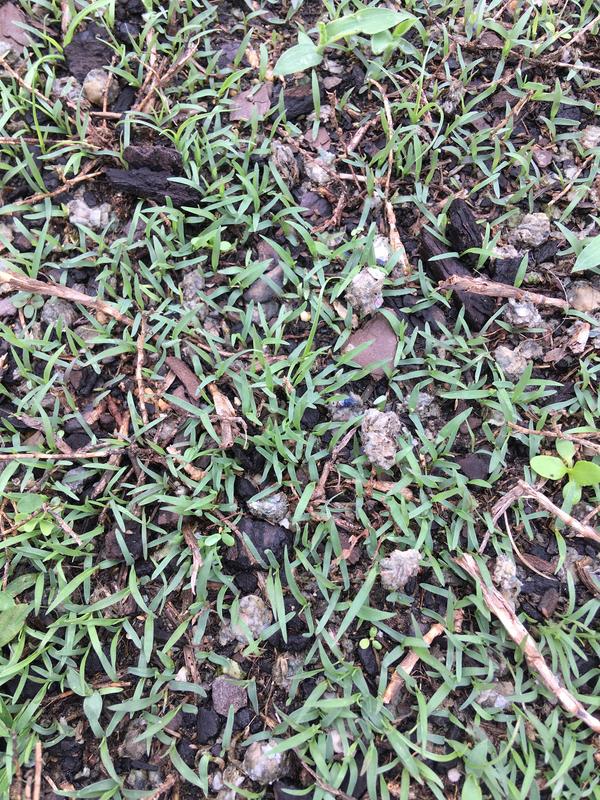
Bermuda grass spreads quickly through above-ground runners called stolons. It also grows underground stems called rhizomes. These help the grass cover large areas fast. The leaves are narrow, bright green, and have a rough texture. Sprouts look like thin, pointed shoots emerging from the soil. They grow upright at first, then spread out as the grass matures.
Common Uses
This grass suits lawns, parks, and golf courses due to its toughness. It tolerates heavy foot traffic and drought well. Farmers use it to feed livestock because it grows thick and nutritious. Its quick growth helps control soil erosion on slopes and roadsides. Bermuda grass is a low-maintenance choice for many outdoor spaces.
Credit: www.thelawnforum.com
Early Sprout Appearance
Early sprout appearance of Bermuda grass is easy to spot. The young shoots have unique features that help identify them quickly. Observing these details helps gardeners track growth and health in early stages.
Color Characteristics
Bermuda grass sprouts show a bright green color at first. The shade is lighter than mature grass blades. This fresh green signals active growth and good health. Over time, the color deepens and becomes richer. Early sprouts may also have a slight yellow tint if they lack nutrients.
Leaf Shape And Size
The leaves of Bermuda grass sprouts are thin and narrow. They have a pointed tip and smooth edges. At first, the leaves are very small, about one to two inches long. As the grass grows, the leaves widen and lengthen. The young leaves also feel soft and tender to touch.
Growth Stages Of Sprouts
Bermuda grass sprouts go through clear growth stages. Each stage shows distinct changes in appearance. Recognizing these stages helps in proper lawn care and maintenance.
The growth starts with tiny signs and progresses to strong, visible sprouts. Understanding these phases aids in identifying healthy grass and spotting problems early.
Initial Germination
The sprout begins as a small, pale shoot from the seed. It looks like a thin white or light green thread. This stage lasts a few days after planting. The sprout is fragile and needs moisture to grow.
Seedling Development
After germination, the sprout grows leaves. These first leaves are narrow and bright green. The sprout starts to stand upright and becomes stronger. Roots also develop below, anchoring the plant firmly.
Mature Sprout Traits
At maturity, sprouts show thicker stems and darker green leaves. The leaves are long, flat, and slightly rough. The grass looks dense and healthy. This stage means the grass is ready to spread and cover soil well.
Distinguishing Bermuda Grass From Similar Species
Distinguishing Bermuda grass from similar species helps maintain a healthy lawn. Many grasses look alike, but small differences set Bermuda grass apart. Knowing these traits helps you identify Bermuda grass sprouts correctly.
Key Visual Differences
Bermuda grass sprouts have fine, narrow blades. The blades are bright green and rough to touch. They grow in dense, low mats close to the ground. The grass spreads through above-ground runners called stolons and underground stems called rhizomes. The leaf tips of Bermuda grass are pointed and slightly folded.
Compared to other grasses, Bermuda grass has a coarse texture. Its color stays bright green through summer. The grass blades are shorter, usually under 6 inches tall when sprouting. This compact growth helps identify Bermuda grass early on.
Common Look-alikes
Crabgrass often gets mistaken for Bermuda grass. Crabgrass has wider, softer leaves and grows taller. It does not spread through rhizomes like Bermuda grass. Zoysia grass also looks similar but has thicker blades and a darker green color. Its growth is slower and less dense.
St. Augustine grass can confuse some, but its leaves are flat and broader. It grows in clumps, not mats. Kentucky bluegrass has fine blades but grows upright, not spreading like Bermuda grass. Knowing these differences helps avoid confusion when identifying sprouts.
Environmental Factors Influencing Sprout Appearance
Bermuda grass sprouts show different looks based on the environment. Small changes in soil, water, and sunlight affect their color, size, and growth speed. Understanding these factors helps in growing healthy grass and spotting problems early.
Soil Conditions
Soil quality plays a big role in sprout appearance. Nutrient-rich soil makes sprouts greener and stronger. Poor soil leads to pale or weak sprouts. The soil texture also matters. Sandy soil drains fast but holds fewer nutrients. Clay soil keeps water but can suffocate roots. Ideal soil is loose and moist, giving sprouts room to grow.
Water And Sunlight Effects
Bermuda grass needs the right water amount. Too little water makes sprouts dry and brownish. Too much water causes yellowing and weak growth. Sunlight impacts sprout color and shape. Full sun makes sprouts thick and dark green. Shade causes thin, pale sprouts. Balanced water and sunlight create healthy, vibrant Bermuda grass sprouts.
Credit: www.sare.org
Tips For Accurate Identification
Identifying Bermuda grass sprouts correctly is important for proper lawn care. Mistaking them for weeds can lead to wrong treatments. Clear identification helps you manage your grass better and keep your lawn healthy.
Paying attention to small details makes a big difference. The right tools and timing improve your chances of spotting Bermuda grass sprouts accurately.
Tools And Techniques
Use a magnifying glass to see fine details of the sprouts. Look closely at leaf edges and stem shape. A small hand trowel helps gently dig up sprouts for a better look.
Take photos to compare with trusted guides later. Mark spots on your lawn to check sprouts over several days. Note leaf color and texture. These clues separate Bermuda grass from other plants.
Timing For Best Results
Check for sprouts early in the growing season. This is when Bermuda grass starts to emerge. Morning is best because dew highlights leaf features. Avoid checking after rain or heavy watering. Wet leaves can hide important details.
Repeat checks weekly to track growth changes. Sprouts become easier to identify as they grow taller. Early detection helps control unwanted plants and encourages healthy Bermuda grass growth.
Frequently Asked Questions
What Do Bermuda Grass Sprouts Look Like Initially?
Bermuda grass sprouts begin as thin, bright green shoots. They have a fine texture and grow in dense clusters. Early sprouts are delicate but spread quickly across the soil surface. Their vibrant color distinguishes them from weeds and other grass types.
How Fast Do Bermuda Grass Sprouts Grow?
Bermuda grass sprouts can grow rapidly, often within 7 to 14 days after planting. Warm temperatures and adequate moisture accelerate growth. This quick development helps establish a thick, healthy lawn faster than many other grass species.
Can I Identify Bermuda Grass Sprouts By Their Color?
Yes, Bermuda grass sprouts are typically bright to medium green. Their fresh, vivid color helps identify them early in growth. This shade contrasts with duller or yellowish grass, aiding in easy recognition.
Do Bermuda Grass Sprouts Have A Unique Texture?
Bermuda grass sprouts have a fine, soft texture. The blades are narrow and smooth, giving the lawn a lush appearance. This texture also contributes to its popularity in sports fields and home lawns.
Conclusion
Bermuda grass sprouts are thin and green with tiny leaves. They grow quickly in warm weather and need sunlight and water. Knowing how they look helps you care for your lawn better. Watch for small shoots that spread fast. Healthy sprouts mean your grass will fill in nicely.
Keep the soil moist but not too wet. Regular care will give your lawn a fresh, green look soon. Patience and attention make all the difference. Enjoy a lush, green yard with strong Bermuda grass sprouts.
