
Have you ever wondered what happens to your Bermuda grass when winter arrives? If you’ve noticed your lawn changing and aren’t sure if it’s healthy or just resting, you’re not alone.
Understanding what Bermuda grass looks like in winter can help you care for your lawn better and avoid unnecessary worry. You’ll discover exactly how your grass changes with the cold and what signs to watch for to keep your lawn looking its best year-round.
Keep reading—you’ll find simple tips and insights that make winter lawn care easier than you think.

Credit: www.youtube.com
Bermuda Grass Basics
Bermuda grass is a popular warm-season grass. It thrives in hot, sunny areas. This grass is known for its tough, dense growth. It spreads quickly and covers lawns evenly. Many people choose Bermuda for sports fields and yards. Understanding its look helps in lawn care and maintenance.
This grass changes with the seasons. Its appearance in winter is very different from summer. Knowing these changes helps you keep your lawn healthy year-round.
Typical Appearance In Summer
In summer, Bermuda grass is bright green. It grows thick and lush. The blades are fine and soft to touch. It forms a dense carpet that resists wear. The grass grows fast in warm weather. It needs regular mowing to stay neat. Summer is when Bermuda looks its best.
Growth Patterns
Bermuda grass spreads through runners called stolons and rhizomes. These runners help fill bare spots quickly. The grass grows outward, not just upward. It stays low and spreads wide. This growth pattern helps it survive drought. Bermuda grass recovers fast from damage. It also resists heavy foot traffic well.

Credit: gardening.stackexchange.com
Winter Changes In Color
Bermuda grass looks very different in winter compared to warmer months. The green color fades as the grass prepares for colder temperatures. Understanding these color changes helps you know what to expect and how to care for your lawn.
Transition To Dormancy
As temperatures drop, Bermuda grass stops growing. The grass enters dormancy, a rest period during winter. During this time, the grass turns brown or tan. This change is normal and shows the grass is alive but inactive. Dormant grass does not need much water or fertilizer.
Color Variations
The exact color of Bermuda grass in winter can vary. Some lawns turn light brown, while others show a darker tan shade. Weather and soil conditions affect the color intensity. Frost or snow may make the grass look even paler. These variations do not mean the grass is dead.
Texture And Density Shifts
During winter, Bermuda grass changes its texture and density noticeably. The grass enters a dormant phase, which affects how it feels and looks. These changes can make your lawn appear different from the lush summer months. Understanding these shifts helps in proper lawn care and setting the right expectations.
Grass Blade Condition
Bermuda grass blades become thinner and less vibrant in winter. They often turn brown or tan due to dormancy. The blades feel dry and brittle to the touch. This change in blade condition reduces the soft, plush feel of the lawn. The once thick and green blades lose moisture and life.
Thinning And Bare Spots
The grass density drops as growth slows down. Bermuda grass thins out, creating patches with less coverage. These bare spots expose soil and make the lawn look uneven. Thinning occurs because the grass stops spreading and growing new shoots. Winter stress and cold temperatures cause some grass to die back.
Factors Influencing Winter Look
Bermuda grass changes its look during winter because of several key factors. These factors affect its color, texture, and overall health. Understanding them helps you predict how your lawn will appear in colder months.
Some factors make Bermuda grass turn brown and go dormant. Others might keep it greener longer. Weather and soil conditions play big roles.
Temperature Effects
Cold temperatures cause Bermuda grass to go dormant. The grass stops growing and loses its green color. Frost and freezing temperatures make the blades turn brown or tan.
Mild winters with fewer cold days allow the grass to stay greener. Sudden drops in temperature can stress the grass and speed dormancy. The longer the cold lasts, the more the grass’s color fades.
Moisture And Soil Impact
Soil moisture is vital for Bermuda grass health in winter. Dry soil makes the grass more brittle and brown. Wet soil helps the grass survive cold periods better.
Well-drained soil prevents water from pooling and damaging roots. Poor drainage can cause root rot and dull grass color. Soil type also affects how the grass handles cold and moisture.
Maintenance Tips For Winter
Winter can be tough on Bermuda grass. It needs special care to stay healthy. Proper maintenance in cold months helps the grass survive and bounce back in spring. Follow simple steps to keep your lawn in good shape all winter.
Mowing Adjustments
Lower your mower blade before winter starts. Cut the grass shorter than usual. This helps reduce disease and prevents thick thatch build-up. Avoid cutting too short to stop stress on the grass roots. Mow less often as grass grows slower in cold weather.
Fertilizing Strategies
Use a fertilizer with less nitrogen in late fall. It slows grass growth and strengthens roots. Apply fertilizer before the first frost for best results. Avoid fertilizing during the coldest months. This helps Bermuda grass stay healthy without forcing growth.
Common Misconceptions
Many people misunderstand how Bermuda grass behaves in winter. They often think the grass dies completely. This idea can cause unnecessary worry. The truth is different. Bermuda grass goes through a natural change but does not die. Understanding these facts helps keep your lawn care on track.
Is Bermuda Grass Dead In Winter?
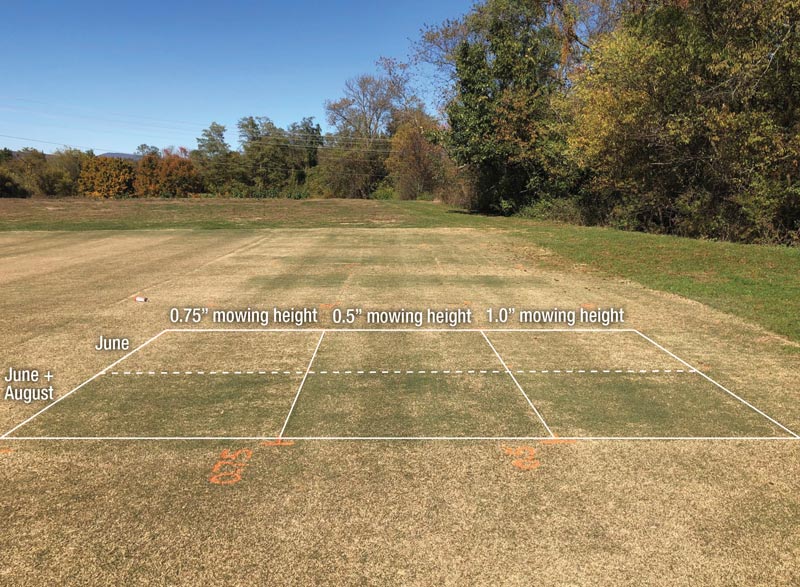
Bermuda grass turns brown and looks dry in winter. This change is normal. The grass goes dormant to survive cold weather. Dormant means it is resting, not dead. The roots stay alive under the soil. When warm weather returns, the grass will grow again. Seeing brown grass does not mean you lost your lawn.
Winter Recovery Timeline
After winter, Bermuda grass starts to recover slowly. The timeline depends on temperature and sunlight. Usually, growth starts in early spring. New green shoots appear in 2 to 3 weeks. Full recovery can take 6 to 8 weeks. Water and sunlight help speed up the process. Patience is key to a healthy lawn after winter.
Credit: gcmonline.com
Frequently Asked Questions
What Does Bermuda Grass Look Like In Winter?
Bermuda grass turns brown or dormant during winter. It loses its green color and appears dry. This is normal as the grass conserves energy in cold weather.
Why Does Bermuda Grass Turn Brown In Winter?
Bermuda grass goes dormant due to low temperatures. It stops growing and conserves nutrients. Brown color indicates the grass is resting, not dead.
How Can I Protect Bermuda Grass In Winter?
To protect Bermuda grass, avoid heavy traffic and mowing. Water moderately and apply winter fertilizer. This helps maintain health and prepares grass for spring growth.
When Does Bermuda Grass Green Up After Winter?
Bermuda grass usually greens up in spring. As temperatures rise above 60°F, new growth starts. Proper lawn care accelerates recovery and vibrant green color.
Conclusion
Bermuda grass turns brown and looks dry in winter. It slows down growth and rests until spring. This change is normal and helps the grass survive cold weather. Knowing this helps you care for your lawn better. Expect green to return as temperatures rise again.
Patience is key with Bermuda grass in winter. Keep watering lightly and avoid heavy mowing. Your lawn will bounce back healthy and green soon.
