
Are you curious about what Bermuda grass looks like when it first sprouts? Knowing how to spot those tiny green shoots can help you care for your lawn the right way from the very start.
Whether you’re planting Bermuda grass for the first time or trying to revive a patchy yard, recognizing its early growth is key to success. Keep reading, and you’ll discover the simple signs that show your Bermuda grass is coming to life—and how to give it the best chance to thrive.
Credit: www.thelawnforum.com
Early Growth Stages
Bermuda grass starts its life with clear, visible changes. The early growth stages show how this grass develops from tiny seeds. Watching these stages helps gardeners know what to expect and how to care for the lawn.
At first, the grass looks very different than the full, green lawn you see later. The early growth is delicate and slow. Each step is important for a healthy, strong Bermuda grass lawn.
Seed Germination Process
Seed germination is the first step in Bermuda grass growth. The seed absorbs water and swells. Then, the seed coat breaks open. A small root grows downward to find water and nutrients.
Next, a tiny shoot pushes up through the soil. This shoot will become the grass blade. The soil must be warm and moist for good germination. Without these conditions, seeds may not sprout well.
Initial Shoot Appearance
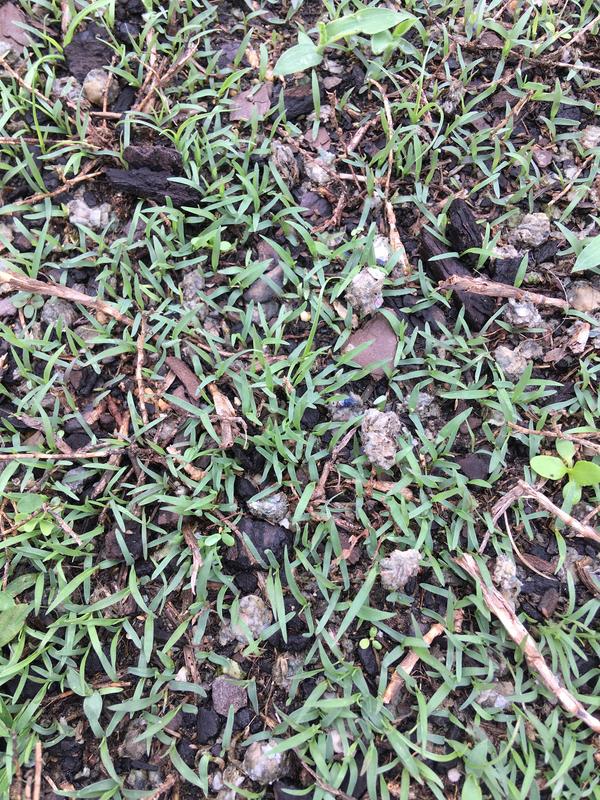
The first shoots are thin and light green. They look like small grass blades but are fragile. These shoots grow slowly at first. You may see only a few inches after a week.
As shoots grow, they become thicker and darker green. New shoots start to form near the original ones. This forms a small patch of grass. Careful watering and sunlight help these shoots develop well.

Credit: www.reddit.com
Leaf Characteristics
Bermuda grass has unique leaf features that help identify it early. The leaves show clear traits in color, texture, shape, and size. These traits appear soon after the grass sprouts. Knowing these details helps gardeners and lawn care enthusiasts spot Bermuda grass quickly and easily.
Color And Texture
The leaves are bright green at sprouting. This fresh color signals healthy growth. The texture feels soft but slightly coarse to touch. Young leaves look smooth and have a shiny surface. This shine fades as the grass matures and becomes rougher.
Blade Shape And Size
Bermuda grass blades are narrow and long. They grow pointed tips and straight edges. Each blade measures about 1/8 to 1/4 inch wide. Length varies but is usually short at sprouting. The blades stand upright and form a dense carpet of green. This shape helps the grass spread quickly over the soil.
Root Development
Bermuda grass starts its growth underground before you see green shoots above. The roots play a key role in supporting the young grass. Strong roots help the grass get water and nutrients. They also keep the grass stable in the soil. Healthy root growth means the grass will grow thick and green soon.
Watching the roots develop gives clues about the grass’s health. Early root growth is fast and spreads wide. This helps the grass cover more ground. The roots will grow deeper as the grass matures. Deep roots protect the grass from drought and stress.
Root Structure
Bermuda grass roots are thin and fibrous. They form a dense network under the soil. This network helps the grass absorb water quickly. The roots grow both down and sideways. This structure allows the grass to hold soil tightly. It also helps prevent erosion on slopes or lawns.
New sprouts have light-colored roots. These roots darken as they age and strengthen. The root tips are the most active parts. They keep growing and spreading to find water and nutrients. Good root structure supports fast grass growth above ground.
Signs Of Healthy Roots
Healthy Bermuda grass roots look white or light tan. They feel firm, not slimy or dry. Strong roots grow long and spread out evenly. They do not have dark spots or bad smells. These signs show the grass is healthy below the surface.
Roots that break easily or look brown may signal problems. Poor root health means the grass struggles to grow. Watch for roots that stay close to the surface. This might mean the soil is too hard or dry. Healthy roots grow deep and wide, supporting lush grass above.
Common Sprouting Patterns
Bermuda grass shows clear patterns as it begins to sprout. Understanding these patterns helps in identifying healthy growth. The grass starts from tiny shoots that quickly turn green and spread. The sprouting follows specific stages that anyone can observe in their lawn or garden.
The early sprouting looks like small green threads pushing through the soil. These threads soon form dense mats. This growth style makes Bermuda grass popular for lawns and sports fields. It fills empty spaces fast and looks lush and green.
Growth Rate
Bermuda grass sprouts fast under warm conditions. It can grow up to 1 to 2 inches in a week. This rapid growth is why it covers bare soil quickly. The sprouts develop roots fast to support thick, healthy grass. Frequent watering helps speed up this growth phase.
Typical Spread Formation
The grass spreads through stolons and rhizomes. Stolons are above-ground runners that root at nodes. Rhizomes are underground stems that also grow new shoots. This combination allows the grass to expand in all directions. The spread forms a tight, carpet-like cover over time.
Environmental Factors Impacting Sprouts
The way Bermuda grass sprouts depends a lot on the environment. Small changes in soil, water, and sunlight affect how well the grass grows. Healthy sprouts need the right conditions to come up strong and green. Understanding these factors helps in growing thick, beautiful Bermuda grass.
Soil Conditions
Bermuda grass likes well-drained soil. It grows best in sandy or loamy soil. Heavy clay soil holds too much water and can hurt sprouts. The soil should have enough nutrients for the young grass to grow. A pH level between 5.8 and 7.0 is ideal. Proper soil helps the roots develop quickly and the sprouts stay healthy.
Water And Sunlight Needs
Bermuda grass sprouts need plenty of sunlight. At least 6 to 8 hours of direct sun each day is best. Too little sun makes the grass weak and thin. Water is also very important, especially for new sprouts. Keep the soil moist but not soggy. Overwatering can cause root problems. Proper water and sunlight help the grass grow fast and strong.
Identifying Bermuda Grass Vs. Similar Grasses
Identifying Bermuda grass from other similar grasses can be tricky. Many grasses share close features, especially when young. Knowing key traits helps spot Bermuda grass early and correctly. This knowledge aids in lawn care and weed control.
Key Differences In Appearance
Bermuda grass sprouts with thin, bright green blades. The blades are narrow, usually less than 1/8 inch wide. They have a pointed tip and a rough edge. Other grasses, like Zoysia or St. Augustine, have wider and softer blades. Bermuda grass often forms dense patches quickly. It spreads through above-ground runners called stolons and underground rhizomes. This growth pattern creates a tight, carpet-like look.
Texture And Growth Habit Comparisons
Bermuda grass feels coarse and slightly rough to touch. It grows low and spreads fast over open soil. In contrast, Zoysia grass feels softer and grows slower. St. Augustine grass is thicker and has a spongy feel. Bermuda grass tolerates heat and drought better than many similar grasses. It also recovers faster from damage due to its aggressive growth.
Troubleshooting Sprouting Issues
Troubleshooting sprouting issues with Bermuda grass helps you get a healthy lawn. Early problems can stop grass from growing well. Knowing common problems and solutions saves time and effort. Act fast to fix sprouting troubles for strong, green grass.
Common Problems
Seeds fail to sprout due to poor soil quality. Soil too hard or compact blocks root growth. Too much shade lowers sunlight needed for sprouting. Watering mistakes also harm young grass. Too little water dries seeds. Too much water drowns them. Insects and pests eat or damage grass shoots. Diseases like fungus attack young plants quickly.
Solutions To Improve Growth
Loosen soil before planting to allow roots to spread. Use a rake or tiller to break soil. Choose a sunny spot for your Bermuda grass. Water seeds lightly but regularly. Keep soil moist, not soaked. Remove pests by hand or use safe treatments. Apply a balanced fertilizer to feed young grass. Avoid heavy foot traffic on sprouting areas. Watch plants daily to catch problems early.

Credit: www.reddit.com
Frequently Asked Questions
What Does Bermuda Grass Look Like When It Sprouts?
Bermuda grass sprouts as thin, bright green shoots. The blades are narrow and pointed, often emerging in dense clusters. Early sprouts may appear slightly fuzzy. This fresh growth signals healthy root development and the start of the grass’s rapid spreading phase.
How Soon After Planting Does Bermuda Grass Sprout?
Bermuda grass typically sprouts within 7 to 14 days after planting. Warm soil temperatures between 65°F and 75°F accelerate germination. Proper watering and sunlight are essential during this period to promote quick and healthy sprouting.
How Can You Identify Healthy Bermuda Grass Sprouts?
Healthy Bermuda grass sprouts are vibrant green with upright, narrow blades. They grow densely and evenly without yellowing or wilting. Healthy sprouts feel soft yet firm and show quick growth under adequate sunlight and moisture.
What Factors Affect Bermuda Grass Sprout Appearance?
Soil temperature, moisture, and sunlight influence Bermuda grass sprout appearance. Warmer temperatures and consistent watering produce brighter green, fuller sprouts. Poor soil or drought can cause pale, sparse, or weak sprouts, slowing lawn establishment.
Conclusion
Bermuda grass sprouts with thin, green shoots that spread quickly. The new growth looks fresh and bright. You will see small blades emerging close to the ground. These sprouts grow in dense patches over time. They help the lawn become thick and healthy.
Watching the early sprouts helps you know the grass is growing well. Keep watering and caring for it to stay strong. Healthy Bermuda grass starts with these simple green sprouts. The process is natural and easy to follow. You can enjoy a lush lawn by understanding how it begins.
