
Are you curious about how Bermuda grass looks when it first starts growing in your yard? Knowing what to expect can help you care for your lawn better and spot any issues early.
You’ll discover the early signs of Bermuda grass growth, from its color and texture to the way it spreads. By understanding these details, you’ll feel more confident about nurturing a healthy, green lawn that stands out. Keep reading to learn exactly what your Bermuda grass should look like as it begins to grow and how you can support its best start.
Credit: www.thelawnforum.com
Bermuda Grass Basics
Bermuda grass is a popular choice for lawns and sports fields. It grows fast and spreads easily. This grass thrives in warm climates and sunny areas. Understanding its basic features helps you spot it early. The leaf shape and color show important signs of its growth. Knowing these traits helps in lawn care and maintenance.
Early growth stages reveal unique details. These details tell you if the grass is healthy. It also helps to decide when to water or mow. Recognizing Bermuda grass basics saves time and effort.
Leaf Shape And Texture
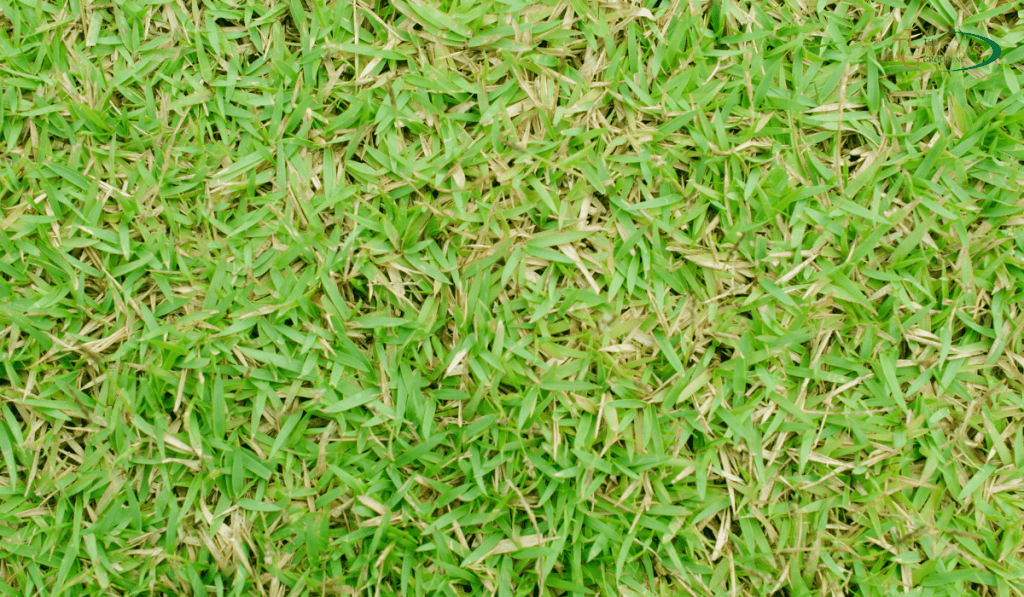
Bermuda grass leaves are narrow and pointed. They usually grow between 1 to 3 inches long. The leaves feel rough when you touch them. This texture comes from tiny hairs on the surface. The grass blades grow in a dense, thick mat. This growth helps the grass cover soil quickly. The leaf edges may appear slightly serrated or saw-toothed. This sharp look helps identify Bermuda grass easily.
Color Characteristics
Bermuda grass has a bright green color in spring and summer. The color can vary from light to dark green. Young grass blades may show a lighter shade at first. As the grass matures, the green deepens. During dry or cold weather, the grass may turn brown. This color change is normal and temporary. Healthy Bermuda grass always returns to green after rest. The vibrant color makes lawns look fresh and lively.
Credit: theturfgrassgroup.com
Early Growth Stages
Bermuda grass begins its growth quietly but clearly. The early stages reveal important signs of healthy development. Observing these stages helps you know if your lawn will thrive.
At first, the grass pushes through the soil with small, tender shoots. These early sprouts show the grass’s strength and readiness to spread. Watching them grow gives a good idea of the lawn’s future.
First Sprouts Appearance
The first sprouts of Bermuda grass are thin and light green. They look like tiny blades of grass poking through the dirt. These sprouts are delicate and soft at this stage.
They often grow in small clusters, not yet covering the ground fully. The color is usually a pale green, not the deep green of mature grass. These early blades are narrow and pointed.
Growth Rate And Pattern
Bermuda grass grows quickly after the first sprouts appear. It spreads both upward and outward fast. The grass forms a thick mat as runners extend along the soil.
The growth pattern is dense and even, filling gaps between sprouts. New shoots appear frequently, making the lawn look fuller each day. This fast growth helps the grass outcompete weeds early on.
Identifying Young Bermuda Grass
Identifying young Bermuda grass is key for gardeners and lawn care enthusiasts. Early recognition helps in managing growth and ensuring a healthy lawn. This grass starts small but has unique features that set it apart from other grasses.
Young Bermuda grass often appears in patches. It spreads quickly once established. Knowing how to spot its early growth helps avoid confusion with weeds or other grass types.
Distinctive Features
Young Bermuda grass has thin, green blades. The blades are usually about 1 to 2 inches long. They have a rough texture and pointed tips. This grass grows close to the ground and forms dense mats.
The color is bright green in sunlight. It looks fresh and vibrant. The grass spreads by runners called stolons and underground stems called rhizomes. These runners help it cover bare spots fast.
Common Mistakes In Identification
Many confuse young Bermuda grass with crabgrass or other weeds. Crabgrass blades are wider and softer. They also grow taller faster than Bermuda grass.
Another mistake is mixing it with fescue or ryegrass. Those grasses have longer, wider blades and grow upright. Bermuda grass stays low and spreads sideways.
Check blade texture and growth pattern carefully. Confusing Bermuda grass with weeds can lead to wrong lawn care choices. Early and correct identification saves time and effort.

Credit: www.reddit.com
Environmental Factors Influencing Growth
Bermuda grass starts growing under certain environmental conditions. These conditions affect how fast and healthy it grows. Understanding these factors helps you care for your lawn better. Two main elements influence Bermuda grass growth: soil and temperature, and watering and sunlight.
Soil And Temperature Effects
Bermuda grass grows best in well-drained soil. Sandy or loamy soils work well. Clay soils can slow growth. Soil pH should be between 5.8 and 7.0 for best results. Warm temperatures boost growth. Bermuda grass thrives when daytime temperatures are above 75°F (24°C). Cooler temperatures slow down growth and make the grass look thin. Frost can damage new shoots and delay growth.
Watering And Sunlight Needs
Bermuda grass needs regular watering to stay green. It prefers about 1 to 1.25 inches of water per week. Water deeply but less often to encourage strong roots. This grass loves full sunlight. It needs at least 6 to 8 hours of direct sunlight daily. Shade can make Bermuda grass thin and weak. Proper sunlight helps the grass grow thick and healthy quickly.
Tips For Encouraging Healthy Growth
Encouraging healthy growth in Bermuda grass starts with simple care steps. These tips help your lawn become thick and green fast. Good habits protect the grass and boost its natural strength.
Follow these easy methods to keep Bermuda grass growing well. Your lawn will look fresh and last through many seasons.
Proper Mowing Practices
Keep Bermuda grass cut at the right height. Set your mower to 1 to 2 inches tall. Cutting too short can hurt the grass roots. Cutting too long allows weeds to grow. Mow often enough to remove only one-third of the grass blade. Use a sharp mower blade to avoid tearing the grass. Grass that is cut cleanly recovers faster and looks healthier.
Fertilization Guidelines
Feed Bermuda grass with balanced fertilizer for strong growth. Use a fertilizer high in nitrogen for green color. Apply fertilizer every 6 to 8 weeks during the growing season. Avoid over-fertilizing to prevent burning the grass. Water the lawn after fertilizing to help nutrients soak into the soil. Healthy soil supports deep roots and thick grass coverage.
Frequently Asked Questions
What Does Bermuda Grass Look Like When Sprouting?
Bermuda grass sprouts as thin, bright green blades. The young shoots are soft, dense, and grow quickly in warm weather. You’ll notice a carpet-like texture forming as it spreads.
How Quickly Does Bermuda Grass Start Growing?
Bermuda grass begins growing within 7 to 14 days after planting. It thrives in warm temperatures above 70°F and spreads rapidly with proper watering and sunlight.
What Color Is Young Bermuda Grass?
Young Bermuda grass blades have a vibrant light to medium green color. This fresh green indicates healthy growth and good soil conditions during the early stages.
How Tall Is Bermuda Grass When It First Grows?
New Bermuda grass shoots typically grow 1 to 3 inches tall initially. It gradually thickens and reaches full height of 6 to 12 inches if left uncut.
Conclusion
Bermuda grass starts as thin, light green shoots. These shoots grow quickly under warm sun and good soil. You will see the grass spread out, filling empty spots. The blades become thicker and darker green over time. Watch for this change to know your lawn is healthy.
Regular care helps Bermuda grass grow strong and lush. Remember, patience is key during its early growth. Soon, your lawn will look full and green. Growing Bermuda grass is simple with the right steps. Keep an eye on its progress every week.
