

Have you ever wondered what Bermuda grass roots actually look like beneath the surface? Understanding the roots can help you take better care of your lawn and keep it healthy all year round.
When you know what to expect, you can spot problems early and give your grass exactly what it needs. You’ll discover the unique features of Bermuda grass roots and learn how they impact your lawn’s growth. Keep reading to unlock the secrets hidden underground and become a pro at lawn care.

Credit: edensteading.com
Bermuda Grass Basics
Bermuda grass is a popular warm-season grass known for its strong growth and resilience. It thrives in hot climates and recovers quickly from damage. Understanding Bermuda grass basics helps in recognizing its roots and how to care for it.
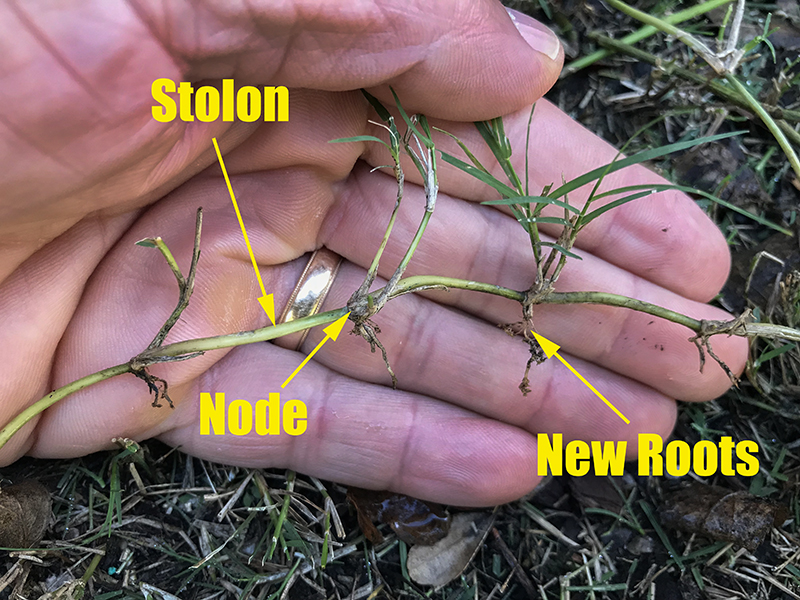
This grass spreads through both seeds and underground stems called stolons and rhizomes. These parts help it cover ground fast and form a dense lawn. Its roots grow deep and wide, making it drought-resistant and stable in different soils.
Key Features
Bermuda grass has fine, soft leaves that grow in a bright green color. Its roots are thick and fibrous, spreading deep into the soil. The grass forms a thick mat with many stems and runners. It grows best in full sun and needs little water once established.
Common Uses
This grass is often used for lawns, sports fields, and golf courses. Its tough nature makes it perfect for high-traffic areas. It also works well for erosion control on slopes. Many homeowners choose Bermuda grass for its low maintenance and durability.
Root Structure Characteristics
Bermuda grass roots have unique traits that help the grass grow strong and healthy. Understanding these traits helps gardeners care for their lawns better. The root structure supports the grass and absorbs water and nutrients efficiently.
Appearance And Texture
Bermuda grass roots are thin and fibrous. They look like tiny threads spreading from the grass blades. The color is usually light brown or white. The texture feels soft but firm when touched. These roots grow densely, forming a thick network underground.
Root Depth And Spread
The roots of Bermuda grass go deep into the soil. They can reach depths of up to 12 inches. This depth helps the grass survive dry periods by accessing water below the surface. The roots also spread wide, covering a large area. This wide spread helps the grass stay stable and resist erosion.
Growth Patterns
Bermuda grass roots show unique growth patterns that support its hardy nature. These roots spread widely and deeply, helping the grass survive tough conditions. Understanding how the roots grow can help maintain a healthy lawn.
Seasonal Changes
Bermuda grass roots grow faster in warm months. Spring and summer bring rapid root expansion. The roots reach deeper to access water and nutrients. During cooler months, root growth slows down. The grass conserves energy by reducing root activity. This seasonal cycle affects the lawn’s overall health.
Impact Of Soil Type
The soil type greatly affects Bermuda grass root growth. Sandy soils allow roots to grow deep quickly. Clay soils can limit root depth and spread. Dense soil may reduce oxygen, slowing root development. Well-drained soil supports strong root systems. Adjusting soil conditions helps promote healthy root growth.
Identifying Healthy Roots
Bermuda grass roots play a key role in keeping your lawn green and strong. Healthy roots help the grass absorb water and nutrients from the soil. Knowing what healthy roots look like helps you care for your lawn better. You can spot early signs of problems by checking the roots regularly.
Healthy roots show clear signs that the grass is well-nourished. They have a good color and texture. They are firm but not hard. These features help the grass stay resilient in dry or hot weather. Let’s explore the important signs of healthy Bermuda grass roots.
Color And Firmness
Healthy Bermuda grass roots are usually white or light tan. This color shows the roots are fresh and alive. Dark brown or black roots may mean damage or disease. Healthy roots feel firm when touched. They bend slightly without breaking. Soft or mushy roots often indicate root rot or poor health.
Signs Of Damage
Damaged roots look discolored or dry. They may break easily when pulled. Roots with holes or missing parts suggest insect problems. Brown, shriveled roots often mean drought stress. Damage slows down nutrient and water absorption. Early detection helps prevent lawn decline.
Root Care Tips
Healthy Bermuda grass roots form the base of a strong lawn. Good root care helps grass absorb water and nutrients well. It also improves grass resilience during dry or hot times. Follow simple tips to keep Bermuda grass roots deep and healthy.
Watering Techniques
Water deeply but less often. This encourages roots to grow downward. Shallow watering makes roots stay near the surface, causing weak grass. Early morning is the best time to water. It reduces water loss and prevents disease. Use a sprinkler that covers the area evenly. Avoid watering in the heat of the day.
Fertilizing For Root Health
Choose fertilizer with balanced nutrients like nitrogen, phosphorus, and potassium. Phosphorus supports root growth. Apply fertilizer in spring and early fall for best results. Follow package instructions carefully to avoid over-fertilizing. Too much fertilizer can harm roots. Use organic options to improve soil quality and root strength.
Credit: www.bermudalawnguide.com
Troubleshooting Root Problems
Troubleshooting root problems is key to healthy Bermuda grass. The roots keep the grass strong and green. Problems in roots show in the grass above the soil.
Checking the roots helps find issues early. This saves the lawn from serious damage. Common problems include diseases and pests that harm roots.
Common Diseases
Root rot is a common disease in Bermuda grass. It makes roots soft and dark. The grass looks yellow and thin. Poor drainage and too much water cause root rot.
Another disease is take-all root rot. It causes roots to shrink and die. Grass patches turn brown and die quickly. Fungus in soil spreads this disease fast.
Pest Issues
Grubs are a big pest for Bermuda grass roots. They eat roots and make the grass weak. Dead patches appear in the lawn. Grubs live under the soil and hide well.
Chinch bugs also harm Bermuda grass roots. They suck juices from grass stems and roots. Grass becomes dry and brittle. Pest control is needed to stop them.
Credit: gregalder.com
Frequently Asked Questions
What Do Bermuda Grass Roots Look Like?
Bermuda grass roots are dense, fibrous, and light tan to brown. They spread horizontally and penetrate deeply, helping the grass survive droughts. The roots grow rapidly, forming a thick mat beneath the soil surface, which stabilizes the turf and improves soil health.
How Deep Do Bermuda Grass Roots Grow?
Bermuda grass roots typically grow 6 to 12 inches deep. Under ideal conditions, they can reach depths of up to 18 inches. Deep roots allow the grass to access water and nutrients efficiently, making it drought-resistant and resilient in various soil types.
Why Are Bermuda Grass Roots Important?
Bermuda grass roots provide stability and nutrient absorption. They help prevent soil erosion and improve water retention. Healthy roots ensure lush, green turf by supporting growth and resilience against pests, drought, and heavy foot traffic, making Bermuda grass ideal for lawns and sports fields.
Can Bermuda Grass Roots Survive Drought?
Yes, Bermuda grass roots are drought-tolerant. Their deep, fibrous root system stores moisture and accesses water from deeper soil layers. This adaptation allows Bermuda grass to remain green and healthy during dry periods, reducing the need for frequent irrigation.
Conclusion
Bermuda grass roots grow deep and spread wide. They help the grass stay strong and healthy. Knowing what the roots look like helps you care for your lawn better. Healthy roots mean a green, thick lawn that lasts longer. Check roots often to spot problems early.
Simple care keeps Bermuda grass growing well all year. Strong roots support the grass through dry and hot days. A good root system makes your lawn look its best.
