
Are you wondering what Bermuda grass sprouts look like and how to spot them early? Knowing exactly what to expect can save you time and help you care for your lawn the right way.
Whether you’re starting a new patch or trying to revive an old one, recognizing those first tiny green shoots is key to success. Keep reading, and you’ll learn how to identify Bermuda grass sprouts easily—and what steps to take next to keep your lawn healthy and green.
Bermuda Grass Basics
Bermuda grass is a popular warm-season grass known for its toughness. It grows well in hot climates and recovers quickly from damage. This grass type spreads fast, creating a thick, green carpet. It is often used on lawns, sports fields, and golf courses due to its durability. Understanding Bermuda grass basics helps identify its sprouts and care needs.
Growth Cycle
Bermuda grass grows actively in warm weather, typically from late spring to early fall. It starts as tiny green sprouts that look like thin blades. These sprouts quickly develop roots and spread through runners called stolons and rhizomes. The grass goes dormant in cold seasons, turning brown but revives when temperatures rise. This cycle repeats yearly, making it easy to maintain.
Common Uses
Bermuda grass is used for lawns because it tolerates heat and heavy foot traffic. Sports fields benefit from its fast recovery and dense cover. Golf courses use it on fairways and tees for a smooth playing surface. It also works well for erosion control on slopes and embankments. Its ability to grow in many soils adds to its popularity.

Credit: www.reddit.com
Early Sprout Appearance
Early sprout appearance shows the first signs of Bermuda grass growth. These sprouts reveal important clues about the health and vitality of your lawn. Observing color, texture, blade shape, and size helps you identify Bermuda grass quickly. This knowledge aids in proper lawn care and maintenance.
Color And Texture
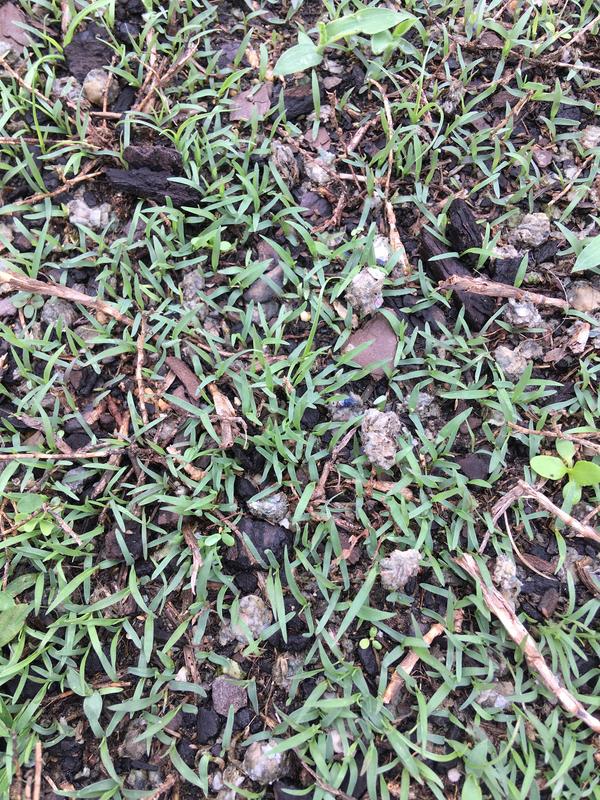
New Bermuda grass sprouts have a bright green color. The green is fresh, not dull or yellow. Sprouts feel soft and tender to touch. They look delicate but grow quickly. Early texture is smooth, without rough edges or spots.
Blade Shape And Size
Sprout blades are thin and narrow at first. They stand upright and grow fast. Each blade is pointed at the tip. Size usually ranges from half an inch to one inch. Blades appear in small clusters from the soil.
Sprout Growth Stages
Bermuda grass sprouts go through clear growth stages. Each stage shows different changes in the plant’s look. Knowing these stages helps you care for your lawn better. It also helps in spotting problems early.
The sprout growth stages start with seed germination. Then, the young plant grows leaves. Finally, the grass gets stronger and spreads out.
Germination Phase
In the germination phase, the seed absorbs water and swells. A tiny root breaks through the seed coat first. Then, a small shoot starts to push upward. The sprout looks like a thin white thread. This phase takes about 5 to 10 days under warm conditions.
Seedling Development
Seedlings develop after germination. Small green leaves start to grow from the shoot. The grass blade is thin and soft. At this stage, the sprout is fragile and needs water. The roots grow deeper to find nutrients. The sprout changes from white to green in color.
Establishment Period
During the establishment period, the grass thickens and spreads. The leaves become wider and darker green. Stolons and rhizomes form to help the grass spread. The root system becomes strong and deep. The lawn starts to look fuller and healthy. This period lasts several weeks after the seedling stage.
Credit: www.sare.org
Distinguishing Bermuda Grass Sprouts
Bermuda grass sprouts have unique features that help tell them apart from other grass types. Knowing these details helps gardeners, landscapers, and lawn care enthusiasts identify Bermuda grass early. This knowledge is useful for lawn maintenance and weed control.
Differences From Other Grasses
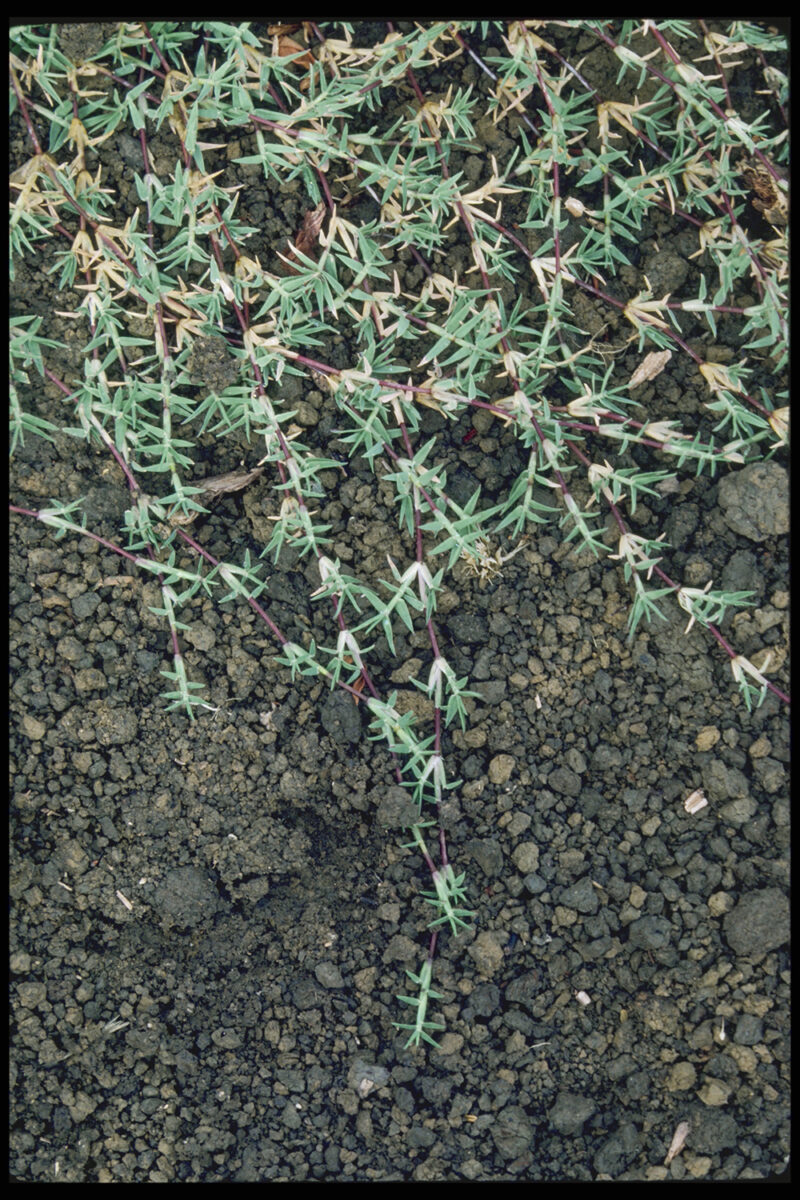
Bermuda grass sprouts are thin and have a light green color. They grow fast, often forming a dense mat on the soil. The leaves are narrow and pointed, unlike the wider leaves of some grasses. Bermuda grass sprouts often have a slight fuzziness on the leaf edges. This fuzziness is not common in many other grass types. The sprouts also spread by runners, making them look like they cover ground quickly.
Key Identification Markers
The sprouts have a distinct V-shape when viewed from above. Their leaves are smooth but have tiny hairs along the margins. The stems are slender and can root at the nodes. New sprouts are bright green compared to older, darker blades. The grass has a coarse texture that feels rough to touch. These markers make Bermuda grass easy to spot among other seedlings.
Environmental Factors Affecting Sprouts
Bermuda grass sprouts can look different depending on the environment. Several factors affect how well these sprouts grow and appear. Understanding these factors helps to recognize healthy sprouts and take care of them properly.
Soil Conditions
Soil quality plays a big role in Bermuda grass sprout growth. The soil must be loose and well-drained. Hard or compacted soil stops roots from spreading. Nutrients in the soil help sprouts get strong. Poor soil makes sprouts thin and weak. Good soil encourages thick, green sprouts.
Water And Sunlight
Bermuda grass sprouts need enough water to grow well. Too little water causes sprouts to dry out and die. Too much water leads to root rot and mold. Sprouts also need sunlight for energy. Without enough sun, sprouts grow pale and thin. Bright sunlight helps sprouts turn green and strong.
Temperature Influence
Temperature affects how fast Bermuda grass sprouts grow. Warm temperatures between 75°F and 95°F are best. Cold weather slows sprout growth and can stop it. Frost can kill young sprouts quickly. Hot weather may dry sprouts if water is low. Keeping the temperature right helps sprouts grow fast and healthy.
Common Issues In Early Growth
Starting Bermuda grass sprouts can bring challenges. Early growth is a delicate stage. Problems may stop sprouts from growing healthy and strong. Identifying common issues early helps keep your grass green and thick.
Pest And Disease Signs
Small insects like mites or grubs can harm young sprouts. Look for tiny holes or chewed edges on leaves. Yellow or brown spots may show fungal infections. Wilting or slimy patches suggest disease. Early pest or disease action saves your lawn.
Nutrient Deficiencies
Yellowing leaves often mean a lack of nitrogen. Thin, weak sprouts signal poor soil nutrients. Stunted growth occurs when essential minerals are missing. Adding balanced fertilizer promotes healthy, strong Bermuda grass. Regular soil checks prevent nutrient problems.
Tips For Healthy Sprout Development
Healthy Bermuda grass sprouts need the right care to grow strong. Proper care helps the young grass develop thick, green blades. This section shares simple tips to help your Bermuda grass sprouts thrive.
Follow these easy steps for better sprout growth and a healthy lawn.
Proper Watering Techniques
Water Bermuda grass sprouts gently but deeply. Keep the soil moist but not soggy. Early morning is the best time to water. This reduces water loss from evaporation. Avoid overwatering to prevent root rot. Use a fine spray to protect delicate sprouts.
Soil Preparation
Prepare the soil before planting Bermuda grass seeds. Loosen the soil to improve air and water flow. Remove rocks, weeds, and debris for a clean bed. Add organic matter like compost to boost soil nutrients. Level the surface for even sprout growth.
Fertilization Advice
Use a balanced fertilizer to support young sprouts. Apply fertilizer after the grass shows its first leaves. Follow product instructions to avoid overfeeding. Nitrogen-rich fertilizers promote green, healthy blades. Water the lawn after fertilizing to help nutrients soak in.
Credit: www.thelawnforum.com
Frequently Asked Questions
What Do Bermuda Grass Sprouts Look Like Initially?
Bermuda grass sprouts start as thin, light green shoots. They appear dense and fuzzy, covering the soil quickly. Their leaves are narrow and pointed, often with a slightly rough texture. Early sprouts grow close to the ground, forming a carpet-like appearance.
How Fast Do Bermuda Grass Sprouts Grow?
Bermuda grass sprouts grow rapidly, often visible within 7 to 14 days after planting. Under warm conditions, they can spread aggressively. This fast growth helps establish a thick lawn quickly. Regular watering and sunlight support their speedy development.
Can Bermuda Grass Sprouts Be Mistaken For Weeds?
Yes, Bermuda grass sprouts can resemble some common lawn weeds initially. Their thin, blade-like leaves are similar to crabgrass or foxtail seedlings. Careful observation is needed to distinguish them, especially by their growth pattern and texture. Proper identification helps prevent unnecessary weed control.
What Color Are Healthy Bermuda Grass Sprouts?
Healthy Bermuda grass sprouts are bright to medium green. They indicate good soil and proper watering. Yellow or brown sprouts may signal stress or poor soil conditions. Maintaining consistent care ensures vibrant and healthy sprouts.
Conclusion
Bermuda grass sprouts show thin, green blades with a soft look. They grow close to the ground and spread quickly. Watching their shape helps you know the grass is healthy. Small roots start to appear as sprouts grow stronger. This early stage is key for a thick lawn later.
Keep the soil moist and give sunlight for best growth. Knowing what sprouts look like makes lawn care easier. Start with this knowledge and watch your grass thrive. Simple steps lead to a lush, green yard.
