
Are you curious about what tall Bermuda grass looks like and how it can change the look of your lawn? Whether you’re planning to plant it or just want to identify it, knowing its features can help you make the best choices for your yard.
Tall Bermuda grass has a unique appearance that stands out, and once you recognize it, you’ll understand why so many people love it. Keep reading to discover the key traits of this grass and how it can benefit your outdoor space.
Credit: www.dkseeds.com
Characteristics Of Tall Bermuda Grass
Tall Bermuda grass has unique features that make it easy to identify. It is a strong, fast-growing grass type. Many people use it for lawns, sports fields, and pastures. Understanding its characteristics helps in proper care and maintenance.
This section explains key traits of tall Bermuda grass. These traits include leaf texture, color, growth pattern, and typical height. Each detail tells more about this popular grass.
Leaf Texture And Color
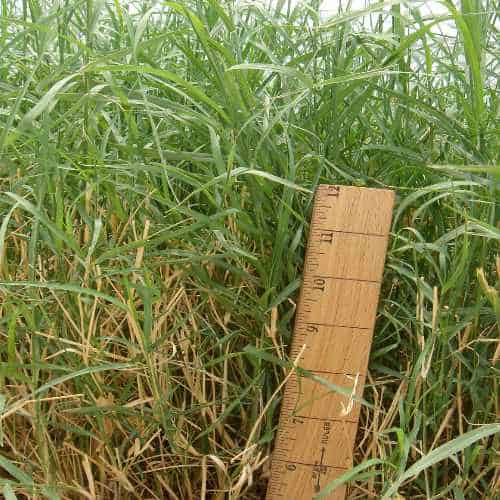
Tall Bermuda grass has coarse and rough leaves. The blades feel a bit stiff to touch. Its color is usually deep green. Sometimes, it shows a slight blue-green shade. The color changes with seasons and sunlight.
Growth Pattern
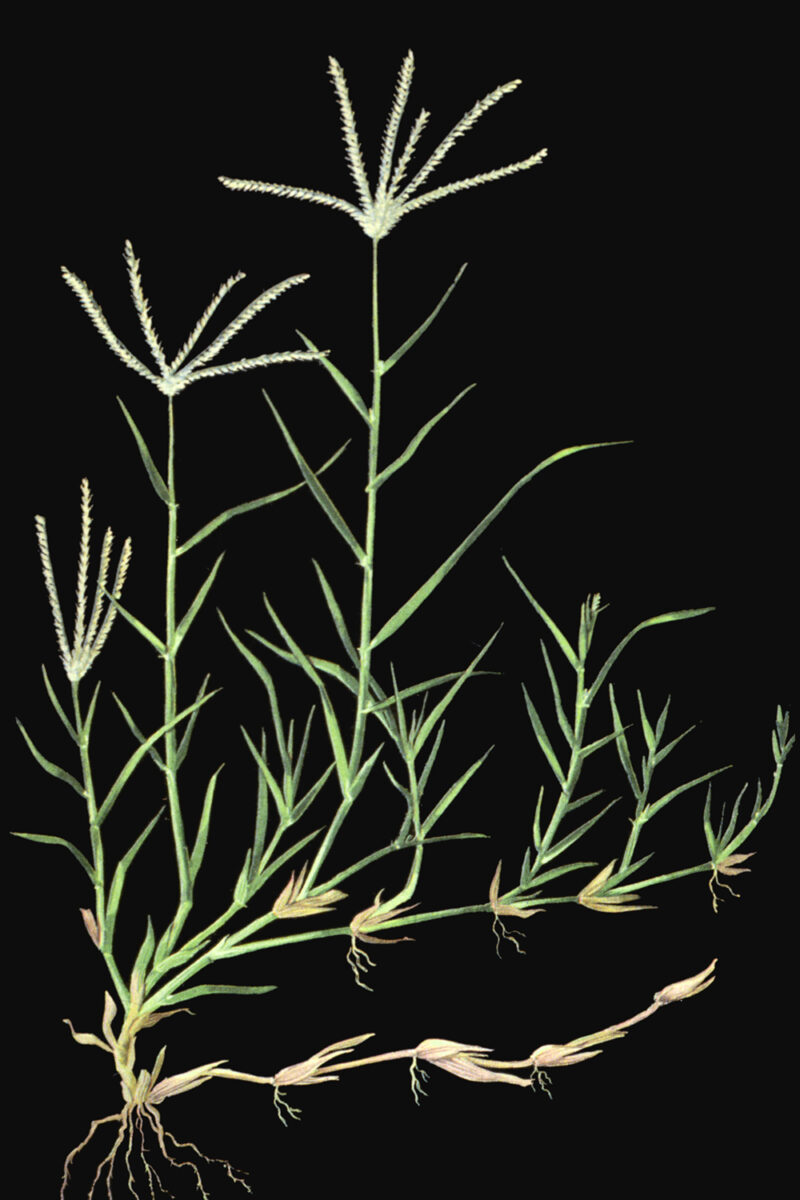
This grass spreads quickly by runners and underground stems. It grows in dense, thick mats. The runners help it cover large areas fast. It recovers well from damage or wear. This makes it good for heavy use areas.
Typical Height Range
Tall Bermuda grass grows taller than common Bermuda types. It reaches about 12 to 18 inches in height. This height depends on soil, water, and care. Regular mowing controls its height for lawns.
Identifying Tall Bermuda Grass In Different Seasons
Tall Bermuda grass changes its look through the year. You can tell it apart by watching these changes. Each season shows a different side of this grass. Knowing these changes helps you identify it easily anywhere.
Spring And Summer Appearance
In spring, tall Bermuda grass grows fast and thick. The blades are bright green and stand tall. The grass feels soft but strong underfoot. During summer, it stays green and lush. It spreads wide with long runners. The texture is coarse but still dense. It loves warm weather and lots of sun. You will see it filling yards and fields quickly.
Fall And Winter Changes
In fall, the green color starts to fade. The grass turns light brown or tan. Growth slows down as temperatures drop. It looks thinner and less dense. In winter, the grass may go dormant. It becomes pale and dry-looking. The blades are shorter and weak. This is normal and part of its cycle. Tall Bermuda grass rests until spring returns.
Common Areas Where Tall Bermuda Grass Thrives
Tall Bermuda grass grows well in many places. It adapts to different environments easily. This grass is popular for its durability and fast growth. It often covers large areas that need strong, green grass. Understanding where this grass thrives helps in recognizing it better.
Lawns And Sports Fields
Tall Bermuda grass is common in lawns. Homeowners like it for its thick, green look. It creates a soft, dense carpet that feels nice to walk on. Sports fields use it too. The grass can handle heavy foot traffic. It recovers quickly from damage. This makes it ideal for places where people run and play.
Roadsides And Open Spaces
This grass grows well along roadsides. It controls soil erosion and keeps areas green. Tall Bermuda grass spreads fast on open land. It survives in tough conditions like heat and drought. Many parks and large open spaces use it to cover the ground. Its strong roots help hold the soil firmly.
Credit: www.sare.org
Differences Between Tall Bermuda Grass And Other Varieties
Tall Bermuda grass stands out from other Bermuda varieties in many ways. Its height and texture make it unique. Knowing these differences helps in choosing the right grass for your lawn or field.
Understanding these details also helps in proper care and maintenance. Each type has its own look and growth habits.
Comparison With Common Bermuda Grass
Tall Bermuda grass grows taller than common Bermuda grass. Its blades are wider and coarser. Common Bermuda grass usually stays low and dense.
Tall Bermuda grass spreads quickly but is less dense. Common Bermuda forms a thick carpet that is soft to walk on. Tall Bermuda is better for areas needing height and durability.
Distinguishing From Other Similar Grasses
Tall Bermuda grass can be confused with Zoysia or St. Augustine grass. Tall Bermuda has finer blades than St. Augustine. Zoysia blades are usually thicker and stiffer.
The color of tall Bermuda grass is bright green. It looks more vibrant than many other similar grasses. Its growth pattern is also more aggressive and fast.
Tips For Maintaining Tall Bermuda Grass
Maintaining tall Bermuda grass requires care and attention. Proper steps help keep the grass healthy and green. Follow these simple tips for best results.
Watering And Fertilizing
Tall Bermuda grass needs regular watering, especially in dry times. Water deeply but less often to encourage strong roots. Early morning is the best time for watering.
Fertilize the grass to provide key nutrients. Use a balanced fertilizer with nitrogen for lush growth. Apply fertilizer every 6 to 8 weeks during the growing season.
Mowing Practices
Mowing helps maintain the grass height and health. Cut Bermuda grass at about 1 to 2 inches tall for tall varieties. Avoid cutting more than one-third of the grass blade at once.
Keep mower blades sharp to prevent tearing. Mow regularly to stop weeds and promote thick growth. Leave grass clippings on the lawn to return nutrients to the soil.
Credit: www.thelawnforum.com
Visual Identification Tips
Identifying tall Bermuda grass by sight is simple with a few clear tips. This grass has unique features that stand out in lawns and fields. Knowing these details helps you spot tall Bermuda grass quickly. Pay attention to the blades and stems. Also, check the grass health signs to tell if it thrives or needs care.
Close-up Views Of Blades And Stems
Tall Bermuda grass blades are narrow and pointed. Each blade feels rough and has tiny hairs. The color is usually bright green but can vary slightly.
The stems grow upright and can reach several inches tall. They are round and thin, often forming dense patches. This grass spreads by runners called stolons, visible close to the ground.
Signs Of Healthy Vs. Unhealthy Grass
Healthy tall Bermuda grass looks vibrant green and thick. It grows evenly with no bare spots. The blades stand firm and do not wilt.
Unhealthy grass turns yellow or brown in patches. The blades may appear thin and dry. You might see bare soil where grass once grew dense.
Frequently Asked Questions
What Are The Key Features Of Tall Bermuda Grass?
Tall Bermuda grass has long, slender blades that grow upright. It appears dense, bright green, and spreads quickly through stolons and rhizomes. This grass type thrives in warm climates and is drought-tolerant, making it ideal for lawns and sports fields.
How Can You Identify Tall Bermuda Grass Visually?
Look for fine-textured, narrow leaves with a dark green color. Tall Bermuda grass forms a thick, carpet-like surface and grows up to 12 inches tall. Its stems are slender and often have a rough texture when mature.
Is Tall Bermuda Grass Good For Lawns?
Yes, tall Bermuda grass is excellent for lawns. It grows fast, resists drought, and recovers quickly from damage. It also tolerates heavy foot traffic, making it a popular choice for residential and commercial lawns.
How Does Tall Bermuda Grass Differ From Regular Bermuda Grass?
Tall Bermuda grass grows taller and has wider blades than regular Bermuda grass. It spreads more aggressively and is better suited for erosion control and pastures. Regular Bermuda tends to be shorter and finer-textured.
Conclusion
Tall Bermuda grass stands out with its long, thin blades and dense growth. It grows quickly and stays green most of the year. This grass is perfect for lawns, sports fields, and gardens. Its texture feels coarse but soft underfoot.
Knowing how it looks helps you spot it easily. Keep it trimmed to keep it healthy and neat. Tall Bermuda grass adds beauty and strength to outdoor spaces. It’s a natural choice for many grass lovers.
