
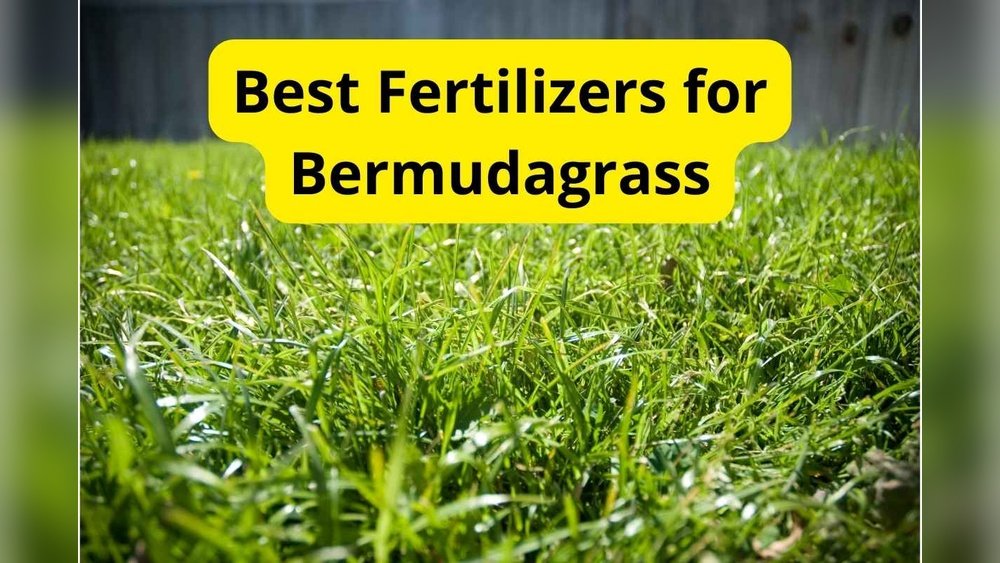
Are you struggling to keep your Bermuda grass lush and green? Choosing the right fertilizer can make all the difference in how healthy and vibrant your lawn looks.
But with so many options out there, it’s easy to feel overwhelmed. You’ll discover exactly what fertilizer works best for Bermuda grass and how to use it to get the thick, thriving lawn you’ve always wanted. Keep reading, because your grass deserves the best care—and you deserve a lawn that turns heads.

Credit: theturfgrassgroup.com
Bermuda Grass Basics
Bermuda grass is a popular choice for lawns, sports fields, and golf courses. It is tough and grows quickly. Knowing the basics helps you care for it well. Understanding its needs leads to a healthy, green lawn.
This section explains Bermuda grass traits and how it grows. It also covers its climate preferences. This knowledge guides you in choosing the right fertilizer and care.
Characteristics Of Bermuda Grass
Bermuda grass has fine, soft blades. It spreads fast through runners and underground stems. This makes it dense and thick. It tolerates foot traffic and recovers quickly from damage. It stays green in warm weather but goes dormant in cold.
Growth Patterns And Climate Needs
Bermuda grass grows best in warm temperatures. It thrives in full sun and well-drained soil. It grows rapidly during summer months. It needs less water once established but prefers regular watering. Cold and shade slow its growth or cause dormancy.
Nutrient Requirements
Bermuda grass needs specific nutrients to stay green and strong. These nutrients help the grass grow well and resist pests and diseases. Knowing what nutrients Bermuda grass needs helps you choose the right fertilizer. Healthy soil also plays a big part in feeding the grass properly.
Essential Nutrients For Healthy Growth
Bermuda grass mainly needs nitrogen, phosphorus, and potassium. Nitrogen helps the grass grow fast and stay green. Phosphorus supports strong roots and healthy shoots. Potassium improves the grass’s ability to handle heat and drought. Small amounts of calcium, magnesium, and iron also help the grass stay healthy. A balanced fertilizer with these nutrients will keep your Bermuda grass lush.
Soil Ph And Its Impact
Soil pH affects how well Bermuda grass absorbs nutrients. The ideal pH range is between 5.8 and 7.0. If the soil is too acidic or too alkaline, the grass cannot take up nutrients properly. Testing soil pH helps you decide if you need to adjust it. Lime can raise pH, and sulfur can lower pH. Keeping the pH in the right range ensures your fertilizer works effectively.
Choosing The Right Fertilizer
Choosing the right fertilizer for Bermuda grass is key to a healthy lawn. The right mix of nutrients helps grass grow thick and green. It also strengthens roots and fights diseases. Understanding fertilizer types and nutrient ratios guides your choice.
Types Of Fertilizers Suitable For Bermuda Grass
Bermuda grass does well with both organic and synthetic fertilizers. Organic options improve soil health over time. Synthetic fertilizers provide nutrients quickly for fast growth. Slow-release fertilizers feed the grass evenly. This reduces the risk of burning the lawn. Liquid fertilizers work well for quick nutrient absorption. Choose a type based on your lawn’s needs and your care routine.
Nitrogen, Phosphorus, And Potassium Ratios
Nitrogen is vital for green, leafy growth. Bermuda grass needs a high nitrogen level. Phosphorus supports root development and energy transfer. Potassium helps with drought tolerance and disease resistance. A common ratio for Bermuda grass is 3:1:2 or 4:1:2. Check soil tests to adjust these numbers. Too much phosphorus can cause pollution. Balanced fertilizer keeps your lawn healthy and the environment safe.

Credit: theturfgrassgroup.com
Application Timing
Timing matters a lot when applying fertilizer to Bermuda grass. Fertilizing at the right time helps the grass absorb nutrients well. It also keeps the lawn healthy and green throughout the year. Knowing when to apply fertilizer can save you money and effort.
Best Seasons For Fertilizing
Spring and summer are the best seasons to fertilize Bermuda grass. The grass grows fast during warm months. Fertilizing in early spring helps grass recover from winter dormancy. Late spring or early summer fertilizing supports strong growth. Avoid fertilizing in fall or winter because the grass slows down then.
Frequency And Amount Guidelines
Fertilize Bermuda grass every 6 to 8 weeks during the growing season. Use a balanced fertilizer with nitrogen, phosphorus, and potassium. Apply about 1 pound of nitrogen per 1,000 square feet each time. Too much fertilizer can harm the grass. Spread fertilizer evenly to avoid patchy growth. Water the lawn lightly after fertilizing for best results.
Organic Vs Synthetic Options
Choosing the right fertilizer for Bermuda grass can be tricky. Organic and synthetic fertilizers both help your lawn grow. Each type has unique features. Understanding these will help you pick the best option.
Benefits Of Organic Fertilizers
Organic fertilizers come from natural materials like compost or manure. They improve soil health by adding nutrients slowly. This helps Bermuda grass grow strong roots.
These fertilizers release nutrients over time. This steady supply reduces the chance of burning your grass. Organic options also support beneficial soil microbes. These microbes break down nutrients for better absorption.
They are safe for children and pets. Organic fertilizers cause less pollution and keep the environment clean.
Advantages Of Synthetic Fertilizers
Synthetic fertilizers contain concentrated nutrients made in labs. They work fast and show quick results on Bermuda grass.
You can control the exact amount of nitrogen, phosphorus, and potassium. This precision helps fix specific nutrient deficiencies in your lawn.
Synthetic options are easy to apply and often cost less. They help revive tired lawns quickly and keep Bermuda grass green.
Common Mistakes To Avoid
Choosing the right fertilizer for Bermuda grass is important. Avoiding common mistakes helps keep your lawn healthy and green. Many people make errors that hurt their grass without knowing it. These mistakes can waste money and time. Focus on correct fertilizing habits for best results.
Overfertilizing Risks
Applying too much fertilizer causes many problems. Excess nutrients burn Bermuda grass leaves. The grass may turn yellow or brown. Overfertilizing also encourages weed growth. Weeds compete with Bermuda grass for water and nutrients. Too much fertilizer can pollute nearby water sources. It harms the environment and wildlife. Use the recommended fertilizer amount to prevent damage.
Incorrect Application Techniques
Spreading fertilizer unevenly creates patchy grass growth. Some areas get too much fertilizer, others too little. This leads to weak spots in your lawn. Applying fertilizer on a hot day can stress the grass. The fertilizer may burn the leaves. Avoid fertilizing before heavy rain. Rain can wash away fertilizer, wasting it. Use a spreader for even distribution. Follow product instructions carefully for best results.
Maintaining A Lush Lawn
Maintaining a lush Bermuda grass lawn requires more than just applying fertilizer. Proper care after fertilizing helps the grass absorb nutrients well. Good watering and mowing routines keep the lawn healthy and green. These steps support strong roots and vibrant growth for a beautiful yard.
Watering Tips After Fertilizing
Water the lawn deeply after fertilizing to help nutrients reach the roots. Light watering is not enough. Aim for about one inch of water per week. Spread this amount over two or three watering sessions. Avoid overwatering, which can wash away fertilizer and harm the grass.
Mowing Practices For Bermuda Grass
Cut Bermuda grass often to keep it healthy. Mow when the grass reaches about 2 to 3 inches tall. Set the mower blade to leave about 1 to 1.5 inches. Avoid cutting too short, which stresses the grass. Keep mower blades sharp for clean cuts and less damage.

Credit: www.youtube.com
Troubleshooting Lawn Issues
Maintaining a healthy Bermuda grass lawn requires attention to common problems. Issues like nutrient shortages, weeds, and pests can harm the grass’s growth and appearance. Identifying these problems early helps keep the lawn green and strong. This section guides you through spotting and fixing these issues effectively.
Nutrient Deficiency Signs
Bermuda grass needs key nutrients to grow well. Yellowing leaves often show a lack of nitrogen. Thin, weak grass may signal low phosphorus levels. Pale or browning leaf tips can mean potassium is missing. Testing soil helps find which nutrients the lawn lacks. Apply the right fertilizer based on this test. Balanced feeding supports thick, green Bermuda grass.
Dealing With Weeds And Pests
Weeds compete with Bermuda grass for water and nutrients. Common weeds include crabgrass and clover. Pull small weeds by hand to protect the lawn. Use selective herbicides carefully to avoid harming grass. Pests like grubs and chinch bugs damage roots and blades. Signs include brown patches and thinning grass. Treat pests with insecticides made for lawns. Healthy grass resists weeds and pests better.
Frequently Asked Questions
What Is The Best Fertilizer For Bermuda Grass?
The best fertilizer for Bermuda grass is high in nitrogen. A 16-4-8 or 21-7-14 NPK ratio works well. Nitrogen promotes lush, green growth and strong turf. Apply during active growing seasons for optimal results.
How Often Should I Fertilize Bermuda Grass?
Fertilize Bermuda grass every 6 to 8 weeks during the growing season. This ensures steady nutrient supply. Avoid fertilizing in dormant periods to prevent waste and damage.
Can I Use Organic Fertilizer On Bermuda Grass?
Yes, organic fertilizers like compost or manure improve soil health. They release nutrients slowly, supporting Bermuda grass growth. Organic options reduce chemical buildup and are environmentally friendly.
When Is The Best Time To Fertilize Bermuda Grass?
The best time to fertilize Bermuda grass is late spring through summer. This matches its peak growing period. Fertilizing early spring or late summer encourages strong root and blade development.
Conclusion
Choosing the right fertilizer helps Bermuda grass grow strong and green. Use a fertilizer with more nitrogen for best results. Apply it during the growing season for healthy grass. Water the lawn after fertilizing to help nutrients soak in. Avoid over-fertilizing to keep the grass healthy and safe.
With the right care, your Bermuda grass will thrive all year. Simple steps lead to a beautiful, lush lawn. Keep your lawn happy and green by feeding it well.
