

Are you struggling to get your Bermuda grass to grow thick and green? You’re not alone.
Many homeowners want a lush lawn but don’t know the simple steps that make all the difference. Imagine stepping outside to a vibrant, soft carpet of Bermuda grass that feels great under your feet and impresses your neighbors. You’ll discover the key factors that help Bermuda grass thrive.
By the time you finish reading, you’ll have easy, actionable tips to transform your lawn into the healthy, beautiful space you deserve. Keep reading to unlock the secrets to Bermuda grass success!
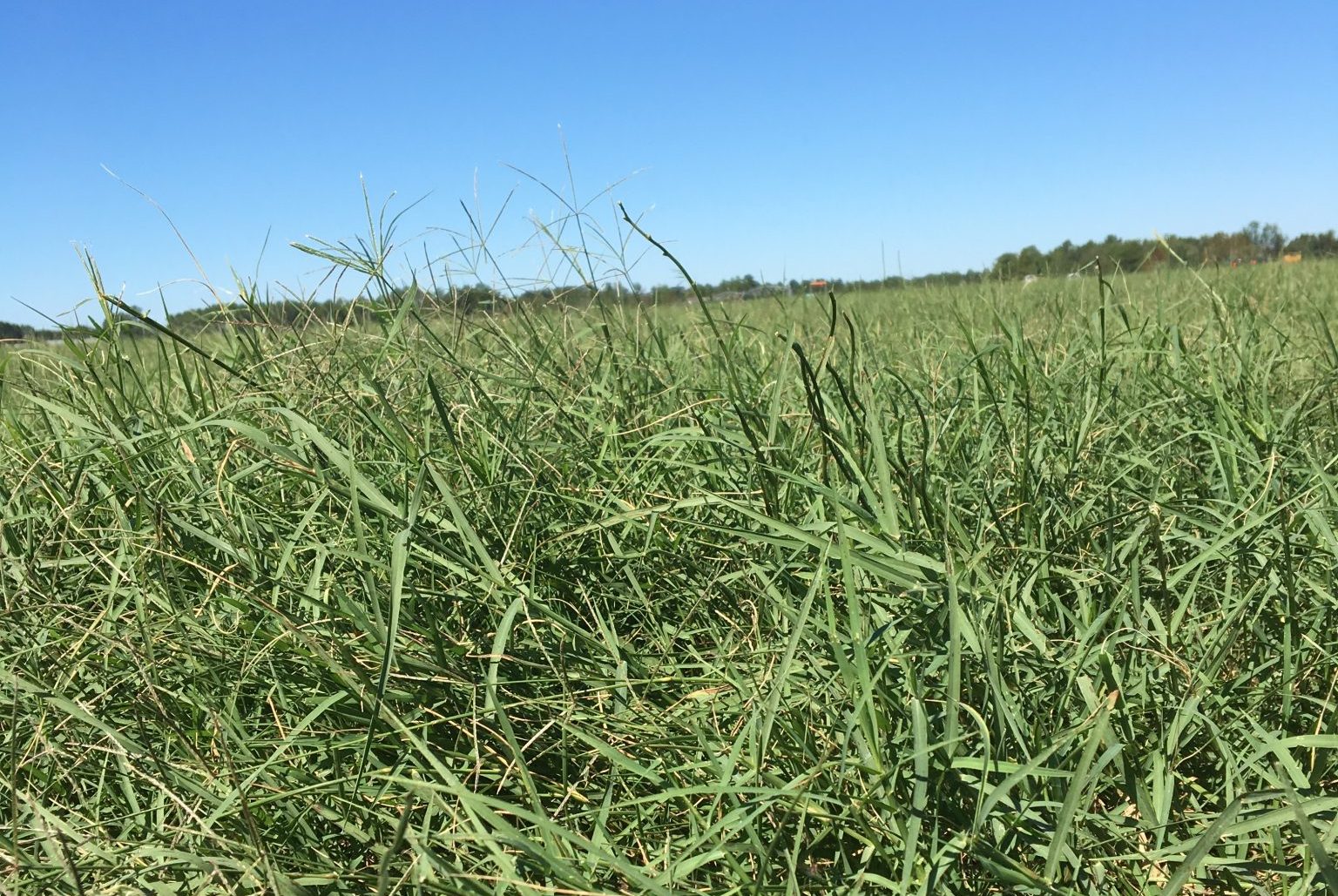
Credit: www.aces.edu
Choosing The Right Bermuda Grass
Choosing the right Bermuda grass is key to a healthy lawn. Different types of Bermuda grass suit different needs and climates. Picking the right variety helps the grass grow strong and resist pests.
Understanding the common types and the climate they thrive in makes selection easier. This ensures your lawn stays green and lush through the seasons.
Common Bermuda Varieties
Bermuda grass comes in many varieties. Some popular ones are Common Bermuda, Hybrid Bermuda, and Tifway Bermuda. Common Bermuda grows fast and is good for lawns and sports fields. Hybrid Bermuda is tougher and handles heavy traffic well. Tifway Bermuda has a fine texture and looks great in yards. Each type has unique strengths for different uses.
Selecting Based On Climate
Bermuda grass prefers warm climates. It grows best in areas with full sun and hot summers. Some varieties handle drought better than others. Coastal areas may need salt-tolerant types. Cooler regions might struggle with Bermuda grass. Choose a variety suited for your local weather. This helps the grass stay green and healthy all year.
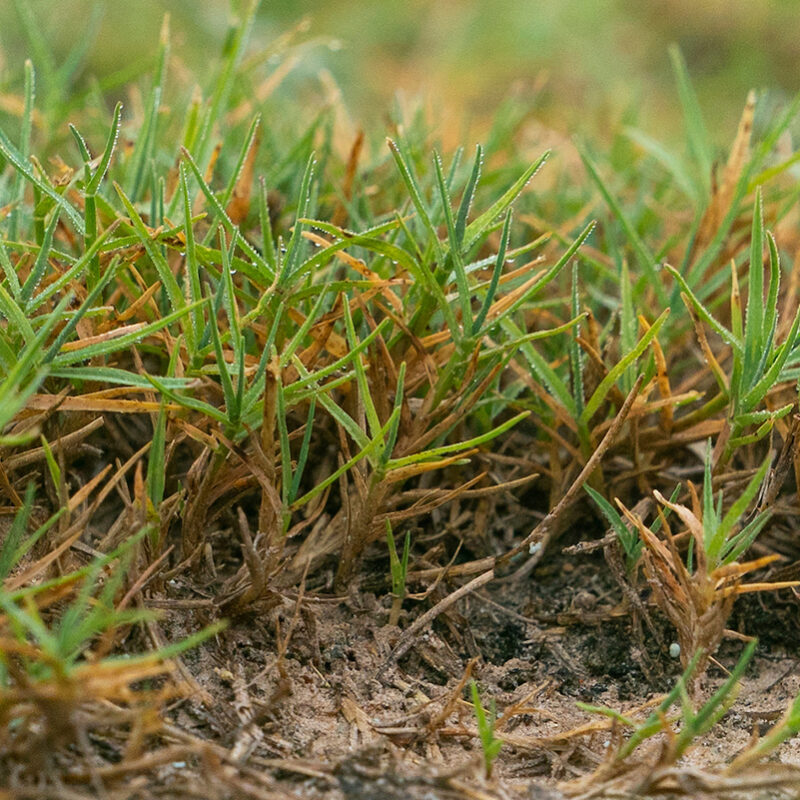
Credit: agrilifeextension.tamu.edu
Soil Preparation
Preparing the soil is key to growing healthy Bermuda grass. Good soil helps grass roots grow strong. It keeps water and nutrients ready for the grass. Proper soil preparation creates the best start for Bermuda grass to thrive.
Testing Soil Ph
Check the soil pH before planting Bermuda grass. Ideal pH is between 5.8 and 7.0. Use a simple soil test kit or send a sample to a lab. Correct pH helps grass absorb nutrients well. If pH is too low or high, nutrients become unavailable to the grass.
Improving Soil Drainage
Good drainage prevents water from standing on the soil. Waterlogged soil can kill Bermuda grass roots. Add sand or organic matter to heavy clay soils. This helps water flow better. Raise the soil level in flat areas to avoid puddles.
Adding Nutrients
Bermuda grass needs nutrients to grow thick and green. Add fertilizer rich in nitrogen, phosphorus, and potassium. Spread evenly on the soil before planting. Use compost or organic matter to improve soil quality. Healthy soil means strong grass growth and fewer weeds.
Planting Techniques
Planting Bermuda grass requires careful techniques. Proper planting helps the grass grow strong and healthy. Choosing the right method affects how quickly the lawn fills in. Soil preparation, seed choice, and timing play key roles.
Understanding the best ways to plant Bermuda grass makes a big difference. It helps you create a lush, green lawn that lasts.
Sowing Seeds Vs. Sod
Sowing seeds is affordable and covers large areas easily. Seeds need good soil contact and moisture to sprout well. Patience is important; it takes weeks to see growth.
Sod offers instant green coverage. It reduces soil erosion and weed growth. Sod requires more money but saves time. It establishes faster and shows results quickly.
Choose seeds for budget-friendly projects. Pick sod for quick lawn makeover or repair.
Optimal Planting Time
The best time to plant Bermuda grass is in warm weather. Late spring to early summer works well. Soil temperature should be above 65°F (18°C). Warm soil helps seeds germinate faster.
Avoid planting in cold or wet seasons. Cold soil slows growth and weakens the grass. Planting at the right time ensures strong roots and healthy blades.
:max_bytes(150000):strip_icc()/GettyImages-1257704064-bc64303b209d440da1660384b6cb60a8.jpg)
Credit: www.thespruce.com
Watering Practices
Proper watering is key for healthy Bermuda grass. It keeps the grass strong and green. Water helps roots grow deep. This makes the lawn more drought-resistant. Knowing how much and when to water saves water and protects your grass.
Frequency And Amount
Bermuda grass needs about 1 to 1.25 inches of water each week. Water deeply but less often. This encourages roots to grow downward. Shallow watering makes roots stay near the surface. Watering two or three times a week works well. Adjust based on weather and soil type. Sandy soil may need more frequent watering.
Best Time To Water
Early morning is the best time to water Bermuda grass. Water between 4 a.m. and 10 a.m. This allows grass to dry before night. Wet grass at night can cause disease. Avoid watering in the heat of the day. Water can evaporate quickly then, wasting water.
Fertilizing Bermuda Grass
Fertilizing Bermuda grass supports strong growth and a healthy lawn. It supplies the nutrients grass needs to stay green and thick. Proper fertilizing helps the grass resist weeds, pests, and drought. Knowing the right nutrients and schedule can improve the lawn’s look and health.
Essential Nutrients
Bermuda grass needs nitrogen, phosphorus, and potassium to grow well. Nitrogen helps the grass stay green and grow fast. Phosphorus supports root growth and helps the grass absorb water. Potassium strengthens the grass and helps it fight disease. Some fertilizers also contain small amounts of iron and other minerals. These help keep the grass color bright and healthy. Use a balanced fertilizer with these key nutrients for best results.
Fertilizer Schedule
Start fertilizing Bermuda grass in early spring when it begins to grow. Apply fertilizer every 6 to 8 weeks during the growing season. Stop feeding the grass in late fall to prepare for winter dormancy. Use a slow-release fertilizer to provide steady nutrients over time. Avoid over-fertilizing, which can harm the grass and the environment. Follow the package instructions for the right amount and timing.
Mowing Tips
Mowing Bermuda grass correctly helps it grow thick and healthy. Proper mowing encourages strong roots and stops weeds from taking over. Follow these tips to keep your lawn looking great all season.
Ideal Cutting Height
Keep Bermuda grass at a height between 1 and 2 inches. Cutting too short stresses the grass. It can cause brown patches and slow growth. Cutting too high lets weeds grow easily. The right height keeps the grass green and strong.
Mowing Frequency
Mow Bermuda grass often during the growing season. Usually, mow every 5 to 7 days. This helps the grass stay even and healthy. Avoid cutting more than one-third of the grass blade at once. Regular mowing helps the grass grow thick and stops pests.
Controlling Weeds And Pests
Controlling weeds and pests is key to healthy Bermuda grass. Weeds steal nutrients and water from the grass. Pests damage the grass blades and roots. Keeping them under control helps Bermuda grass grow thick and green.
Common Weeds In Bermuda Lawns
Crabgrass is a fast-growing weed that spreads quickly. It takes space and resources from Bermuda grass. Dandelions have deep roots that are hard to remove. Clover can also invade, making the lawn patchy. Identifying these weeds early makes control easier.
Natural Pest Control Methods
Using natural pest control keeps the lawn safe and healthy. Neem oil works well against many lawn pests. Beneficial insects like ladybugs eat harmful bugs. Hand-picking pests can reduce their numbers quickly. Healthy soil and grass also resist pests better.
Seasonal Care
Seasonal care plays a big role in helping Bermuda grass grow strong and green. Each season needs different care steps. Following these steps keeps your lawn healthy all year.
Spring Lawn Care
Spring is the time to wake up your Bermuda grass. Start by removing dead leaves and debris. This helps the grass breathe and absorb sunlight better. Aerate the soil to improve water flow and root growth. Apply a balanced fertilizer to give your grass energy. Water the lawn regularly, but avoid overwatering. This encourages deep roots and thick growth.
Summer Maintenance
Summer heat can stress Bermuda grass. Mow the lawn often but keep the grass a bit longer. Taller grass holds moisture and stays cooler. Water your lawn early in the morning to reduce evaporation. Look out for weeds and pests, treating them quickly to stop damage. Use a fertilizer with less nitrogen to avoid burning your grass.
Preparing For Winter
As temperatures drop, prepare your Bermuda grass for winter rest. Gradually reduce watering to prevent root rot. Mow the grass shorter to reduce disease risk. Stop fertilizing about six weeks before the first frost. Remove leaves and debris to prevent mold growth. These steps help your lawn survive winter and grow strong in spring.
Frequently Asked Questions
What Soil Type Is Best For Bermuda Grass Growth?
Bermuda grass thrives in well-drained, sandy loam soil. It prefers slightly acidic to neutral pH levels, around 6. 0 to 7. 0. Good soil drainage prevents root rot and promotes healthy growth, making soil quality essential for a lush Bermuda lawn.
How Often Should Bermuda Grass Be Watered?
Water Bermuda grass deeply but infrequently. Aim for about 1 inch of water per week, including rainfall. Deep watering encourages strong roots and drought resistance. Avoid frequent shallow watering, as it weakens the grass and promotes shallow roots.
What Is The Ideal Mowing Height For Bermuda Grass?
Maintain Bermuda grass at 1 to 2 inches in height. Regular mowing at this height encourages thick, healthy turf and reduces weed growth. Avoid cutting more than one-third of the grass blade to prevent stress and promote recovery.
When Is The Best Time To Fertilize Bermuda Grass?
Fertilize Bermuda grass during its active growing season, typically late spring to early fall. Use a balanced fertilizer rich in nitrogen for optimal growth. Avoid fertilizing during dormancy to prevent nutrient waste and potential damage.
Conclusion
Healthy Bermuda grass needs sunlight, water, and good soil. Regular mowing helps it grow thick and green. Avoid overwatering to prevent root problems. Use fertilizer at the right time for best results. Keep weeds and pests away to protect the grass.
With simple care steps, Bermuda grass will thrive in your yard. Enjoy a lush, green lawn all season long. Remember, patience and consistency bring the best growth.
