
Are you wondering what Bermuda grass looks like and how to recognize it in your yard or garden? Knowing the appearance of Bermuda grass can help you decide if it’s the right choice for your lawn or if you need to take special care of it.
This grass has unique features that make it stand out, and once you see it, you’ll understand why it’s so popular in warm climates. Keep reading to discover the key traits of Bermuda grass and how it can transform your outdoor space.
Bermuda Grass Appearance
Bermuda grass has a distinct look that makes it popular for lawns and sports fields. Its appearance helps it stand out among other grasses. Recognizing its features is easy once you know what to watch for. The texture, color, and growth style all contribute to its charm.
Leaf Shape And Size
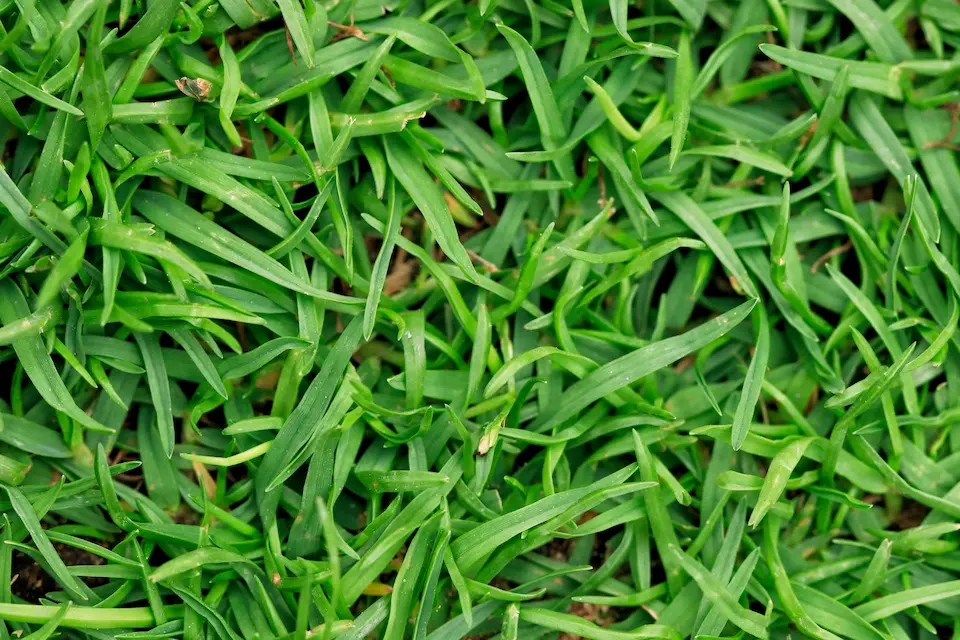
Bermuda grass leaves are narrow and pointed. They grow in a flat, blade-like shape. The leaves usually measure 2 to 6 inches long. Their edges feel rough to the touch. This leaf shape helps the grass resist wear and tear.
Color Variations
The color of Bermuda grass ranges from light green to dark green. Some varieties show a slight yellow tint. The color can change with the seasons or weather. Green shades indicate healthy and well-watered grass. Duller hues may mean the grass needs care.
Growth Pattern
Bermuda grass spreads quickly using runners called stolons and rhizomes. It grows low to the ground, forming a dense mat. This pattern helps it cover bare spots fast. The grass grows best in warm climates and full sun. Its thick growth helps prevent weeds from taking over.
Texture And Density
Bermuda grass is known for its unique texture and dense growth. These features make it popular for lawns, sports fields, and golf courses. Understanding its blade texture and turf density helps in identifying and caring for this grass.
Blade Texture
Bermuda grass blades are thin and coarse. They feel rough to the touch but are not sharp. The blades grow flat and have a slight curve. Their color ranges from bright green to dark green. This texture helps Bermuda grass survive hot and dry conditions.
Turf Density
Bermuda grass forms a thick, dense turf. Its runners and stolons spread quickly across the ground. This growth creates a tight, carpet-like surface. Dense turf helps block weeds and reduces soil erosion. It also makes the grass durable under heavy use.
Bermuda Grass Growth Habits
Bermuda grass grows fast and spreads widely. Its growth habits make it popular for lawns, sports fields, and golf courses. This grass thrives in warm weather and recovers quickly from damage. Understanding how Bermuda grass grows helps in proper lawn care and maintenance.
Spreading Mechanism
Bermuda grass spreads through both above-ground and below-ground parts. It sends out runners called stolons that grow along the soil surface. These stolons create new shoots and roots, expanding the grass coverage.
Below the soil, Bermuda grass produces rhizomes. Rhizomes are underground stems that grow horizontally. They help the grass fill empty spaces and recover after damage. Together, stolons and rhizomes make Bermuda grass very good at covering large areas fast.
Root System
Bermuda grass has a deep and dense root system. Its roots grow straight down and spread wide. This helps the grass absorb water and nutrients efficiently.
The strong roots make Bermuda grass drought-tolerant and tough. They also help the grass stay firmly anchored in the soil. A healthy root system supports lush, green growth during hot seasons.
Credit: fortsmithlandscaping.com
Common Bermuda Grass Varieties
Bermuda grass has several common varieties. Each variety has unique features. These types suit different lawns and climates. Knowing these types helps choose the best one for your yard.
Common Bermuda
Common Bermuda grass grows quickly. It has fine, green blades. The grass spreads fast through runners. It handles heat and drought well. It works great for sports fields and lawns. This variety needs regular mowing to stay neat.
Hybrid Bermuda
Hybrid Bermuda is a mix of different Bermuda types. It has thicker blades and a denser look. This grass is tougher and recovers fast from damage. It stays green longer in dry weather. Many golf courses and parks use hybrid Bermuda. It needs more care but looks very good.
Sahara Bermuda
Sahara Bermuda is a newer variety. It has dark green, fine-textured blades. This grass grows slower than common types. It resists pests and diseases well. Sahara Bermuda handles heat and drought better than many others. It fits well in warm areas with little water.
Seasonal Changes In Appearance
Bermuda grass shows clear changes in its look across the seasons. The color, texture, and growth pattern shift as temperatures and daylight vary. Knowing these changes helps in lawn care and sets the right expectations for its appearance all year.
Spring And Summer
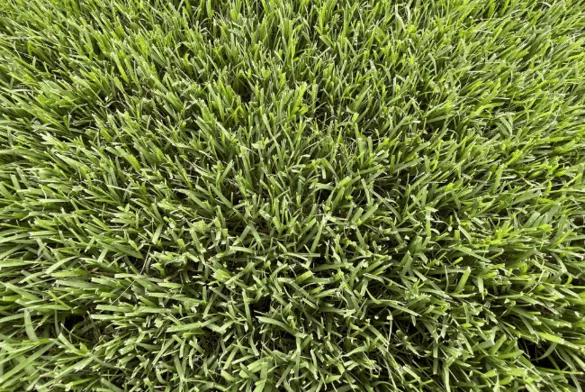
In spring, Bermuda grass wakes up from dormancy. It turns bright green and starts growing fast. The blades are fine and dense, creating a thick carpet. Summer keeps the grass lush and vibrant. The heat suits Bermuda grass well. It stays green and spreads quickly in warm weather.
Fall And Winter
As fall arrives, the grass begins to slow down. Its green shade fades to duller tones. Growth lessens as temperatures drop. By winter, Bermuda grass often turns brown or tan. It enters dormancy to survive cold. The lawn looks dry but is still alive under the surface.
Credit: www.jonathangreen.com
Differences From Similar Grasses
Bermuda grass shares some traits with other warm-season grasses. Knowing the differences helps you pick the right lawn type. The texture, color, and growth pattern vary among grasses. Each grass has unique care needs and looks.
Zoysia Grass
Zoysia grass blades are thicker and wider than Bermuda grass. Its color is usually darker green. Zoysia grows slower and forms a dense, carpet-like lawn. It handles shade better than Bermuda grass. Zoysia also feels softer underfoot. It tolerates cold weather more than Bermuda.
St. Augustine Grass
St. Augustine grass has broad, flat blades. It looks coarser than Bermuda grass. This grass is blue-green in color. It thrives in shady areas, unlike Bermuda. St. Augustine spreads with above-ground runners. It needs more water and shade than Bermuda grass.
Tips For Identifying Bermuda Grass
Identifying Bermuda grass is easier with a few simple tips. Knowing what to look for helps you spot it fast. This guide breaks down key features to recognize Bermuda grass in your yard or garden.
Visual Inspection
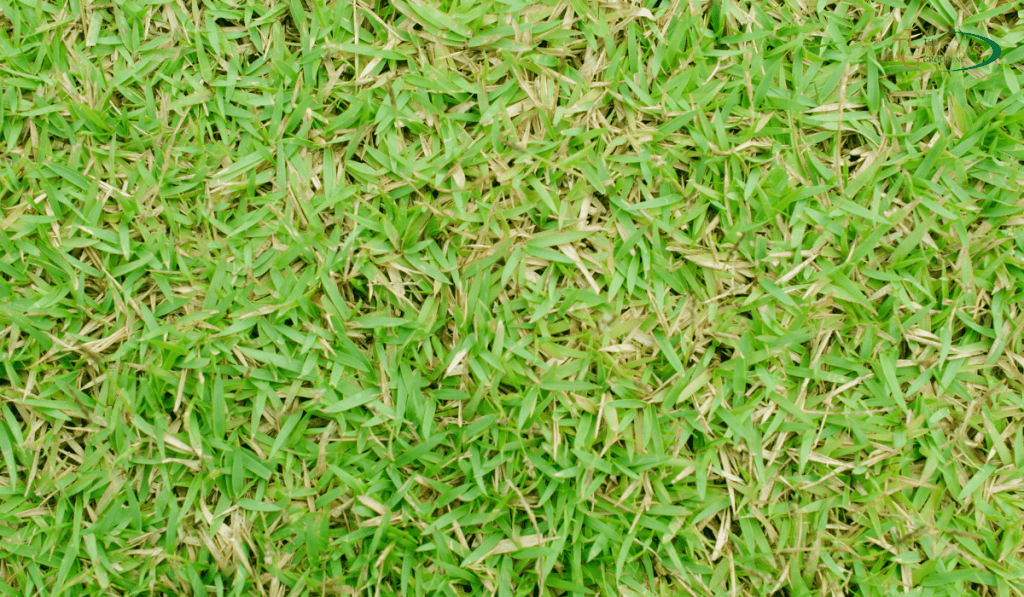
Bermuda grass blades are thin and pointed. They grow in a dense, carpet-like pattern. The color is usually bright green. In warm seasons, the grass looks healthy and vibrant. Stems often spread horizontally along the ground. Look for small, hairy leaf sheaths near the base.
Touch And Feel
The grass feels rough and coarse under your fingers. It is not soft like some other grass types. Bermuda grass blades are stiff and a little sharp. The turf is thick and tough to pull up. This texture helps it resist heavy foot traffic.
Growth Environment
Bermuda grass thrives in warm, sunny places. It grows best in areas with well-drained soil. You will find it in lawns, sports fields, and parks. It spreads quickly through runners and underground stems. This grass tolerates drought and heat better than most.
Credit: theturfgrassgroup.com
Frequently Asked Questions
What Does Bermuda Grass Look Like?
Bermuda grass has fine to medium-textured blades. Its color ranges from light to dark green. The grass grows densely and spreads quickly via stolons and rhizomes, creating a thick, carpet-like lawn.
How Can I Identify Bermuda Grass Blades?
Bermuda grass blades are narrow, pointed, and usually 2-6 mm wide. They have a rough texture and grow in a V-shaped pattern. The blades often have a gray-green hue, making them distinct from other turf grasses.
What Are The Common Features Of Bermuda Grass?
Bermuda grass is low-growing, tough, and drought-resistant. It forms a dense mat and has hairy leaf sheaths. The grass thrives in warm climates and tolerates heavy foot traffic well, making it popular for lawns and sports fields.
How Tall Does Bermuda Grass Typically Grow?
Bermuda grass usually grows between 2 to 6 inches tall. It requires regular mowing to maintain this height. Without mowing, it can grow taller and become less dense, affecting its appearance and health.
Conclusion
Bermuda grass has a fine texture and bright green color. It grows quickly and spreads wide with thin runners. This grass stays green in warm weather but may brown in cold. It suits lawns, sports fields, and sunny areas well.
Knowing what Bermuda grass looks like helps you care for it better. Choose this grass if you want a tough, low-maintenance lawn. It keeps your yard looking fresh and neat all summer long. Simple, strong, and easy to grow—Bermuda grass fits many outdoor spaces perfectly.
