
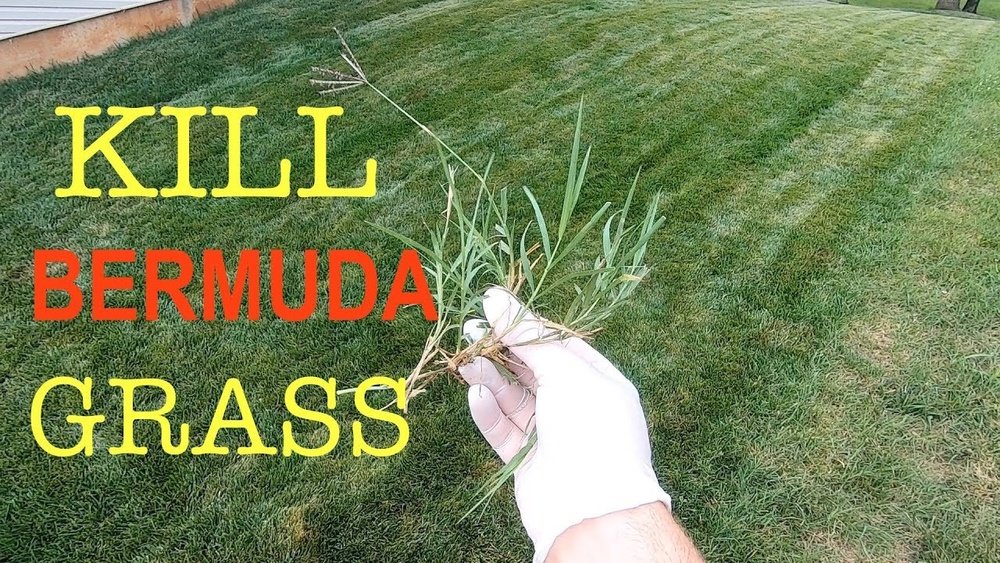
Are you tired of battling stubborn Bermuda grass that keeps taking over your lawn or garden? You’re not alone.
Bermuda grass is known for being tough and hard to get rid of. But what if you could finally learn what kills Bermuda grass permanently? Imagine reclaiming your outdoor space without endless weeding or temporary fixes. You’ll discover simple, effective ways to stop Bermuda grass for good—so you can enjoy the yard you’ve always wanted.
Keep reading, because the solution might be easier than you think.
Credit: gregalder.com
Why Bermuda Grass Is Hard To Kill
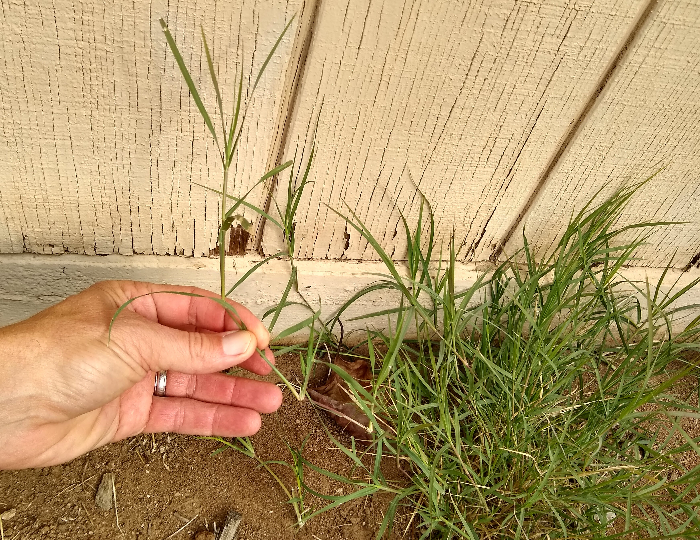
Bermuda grass is tough and grows fast. Many people find it hard to remove it from lawns and gardens. Its strong nature helps it survive many treatments that kill other grasses. Understanding why Bermuda grass is hard to kill helps in managing it better.
Growth Patterns
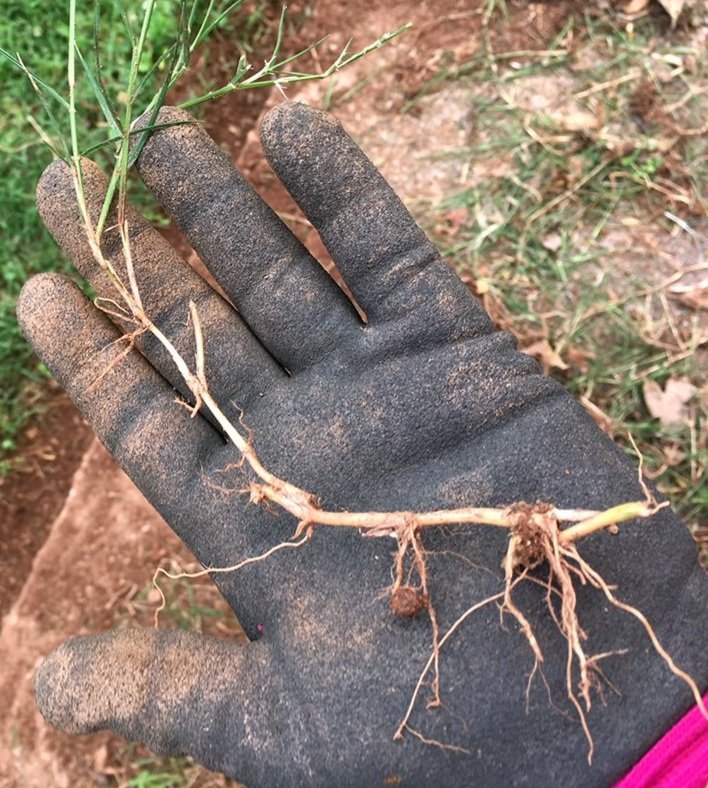
Bermuda grass spreads quickly through runners called stolons and underground stems called rhizomes. These parts grow deep and wide under the soil. Even if you cut or pull the grass, new shoots can grow from these runners. This fast and wide growth makes it hard to remove completely.
Resilience Factors
Bermuda grass can survive drought and heat well. It stores food in its roots and rhizomes to use in tough times. This storage helps it bounce back after being cut or treated with herbicides. Its ability to survive harsh conditions makes killing it a real challenge.
Common Survival Mechanisms
The grass repairs itself quickly after damage. It grows new shoots from underground parts fast. Bermuda grass also resists many common herbicides, so treatments may not kill it fully. Its strong roots hold soil tightly, helping it stay alive in rough environments.
Chemical Methods To Eradicate Bermuda Grass
Chemical methods offer an effective way to kill Bermuda grass permanently. These methods use herbicides designed to target and eliminate unwanted grass. Understanding the types of herbicides and how to use them correctly is key to success.
Selective Herbicides
Selective herbicides kill Bermuda grass without harming other plants. They target specific types of grass and weeds. These herbicides are ideal for lawns with other grass types. They work by blocking processes essential to Bermuda grass growth. Use selective herbicides to control Bermuda grass in mixed grass areas.
Non-selective Herbicides
Non-selective herbicides kill all plants they touch. They remove Bermuda grass completely but also harm nearby plants. These herbicides are best for clearing areas before planting new grass or plants. Apply carefully to avoid damaging plants you want to keep. Non-selective herbicides contain chemicals like glyphosate.
Application Tips And Timing
Apply herbicides during warm, dry weather for best results. Early morning or late afternoon application reduces evaporation. Follow label instructions closely for safe and effective use. Avoid mowing Bermuda grass before applying herbicides. Water the area lightly after treatment to help absorption. Repeat treatments may be needed for complete control.
Natural And Organic Solutions
Natural and organic solutions offer safe ways to kill Bermuda grass permanently. These methods avoid harsh chemicals, keeping your garden healthy. They work by targeting the grass without harming the soil or other plants.
Vinegar And Salt Treatments
Vinegar and salt can kill Bermuda grass effectively. Vinegar’s acidity burns the grass leaves. Salt stops the grass from growing back by drying out the roots. Mix one gallon of vinegar with one cup of salt. Spray the mixture directly on the grass. Avoid spraying on desirable plants, as it can harm them too.
Solarization Technique
Solarization uses the sun’s heat to kill Bermuda grass. Cover the grass with clear plastic during hot months. The trapped heat heats the soil to a level that kills the grass and seeds. Leave the plastic in place for four to six weeks. This method is chemical-free and improves soil health.
Smothering With Mulch Or Plastic
Smothering blocks sunlight, stopping Bermuda grass growth. Spread a thick layer of mulch over the grass. Use cardboard or black plastic to cover the area tightly. Without light, the grass dies over time. This method takes a few months but needs little effort.
Credit: www.organicgrowersschool.org
Mechanical Removal Techniques
Mechanical removal techniques offer a direct way to kill Bermuda grass permanently. These methods focus on physically removing or damaging the grass and its roots. They require effort but can be effective when done correctly. Mechanical methods avoid chemicals and rely on tools and manual work.
Digging And Excavation
Digging is a hands-on way to remove Bermuda grass. Use a shovel or spade to dig around the grass patches. Remove all roots and underground runners carefully. Leaving any root parts can cause regrowth. This method works best for small areas or spots with dense grass.
Frequent Mowing And Cutting
Cutting Bermuda grass often weakens it over time. Set your mower to a low height. Mow the grass regularly to stop it from growing tall. Without enough leaves, the grass cannot make food. This weakens the roots and prevents spreading. Persistence is key for success with mowing.
Tilling And Soil Disruption
Tilling breaks up the soil and cuts through Bermuda grass roots. Use a rototiller or garden fork to turn the soil deeply. This disturbs the grass and exposes roots to drying. Repeat tilling several times to stop regrowth. Tilling also prepares the soil for new plants.
Preventing Bermuda Grass Regrowth
Stopping Bermuda grass from growing back is key to keeping your yard tidy. This grass spreads fast through roots and seeds. Without action, it returns quickly. Preventing regrowth takes care and good habits. You must prepare soil right, keep up with yard work, and try other plants instead.
Soil Amendments
Changing the soil can make it hard for Bermuda grass to grow. Add organic matter like compost to improve soil health. Good soil supports strong plants that compete well. Avoid too much nitrogen; it helps Bermuda grass spread. Test soil often to keep nutrients balanced. Healthy soil limits weed growth naturally.
Regular Maintenance Practices
Keep your yard clean and trimmed to stop Bermuda grass. Pull out small patches early before they spread. Mow grass regularly to reduce seed production. Use mulch around plants to block Bermuda grass seeds. Water plants deeply but less often. This favors deeper roots over surface weeds.
Using Ground Covers And Alternatives
Planting ground covers can block Bermuda grass from growing back. Choose low-growing plants that spread fast and cover bare soil. Clover and creeping thyme are good options. These plants compete for space and nutrients. They reduce sunlight reaching Bermuda grass seeds. Ground covers make the soil less friendly to weeds.

Credit: www.wikihow.com
Common Mistakes To Avoid
Getting rid of Bermuda grass for good is not easy. Many make mistakes that stop the process. Avoiding these common errors helps you kill Bermuda grass permanently. Pay close attention to these points to succeed.
Incomplete Removal
Leaving parts of Bermuda grass behind lets it grow again. Roots and runners spread underground. Dig deeply and remove all pieces. Small bits left in soil will sprout new grass. Be thorough in digging and clearing the area.
Improper Herbicide Use
Using the wrong herbicide or wrong dose wastes time and money. Some chemicals do not kill Bermuda grass fully. Follow label instructions carefully. Use products designed for Bermuda grass control. Apply at the right time for best effect.
Ignoring Re-growth Signs
New shoots mean Bermuda grass is still alive. Watch for green blades after treatment. Act quickly to remove or treat again. Waiting too long allows the grass to spread. Early action stops the problem from getting worse.
Frequently Asked Questions
What Is The Best Herbicide To Kill Bermuda Grass?
Glyphosate-based herbicides are most effective for killing Bermuda grass permanently. Apply them during active growth for better results. Repeat treatments may be necessary to eliminate all roots and rhizomes.
How Long Does It Take To Kill Bermuda Grass?
Killing Bermuda grass can take several weeks to months. Multiple herbicide applications ensure complete root destruction. Patience and persistence are key for permanent removal.
Can I Kill Bermuda Grass Naturally Without Chemicals?
Yes, solarization and smothering with thick mulch can kill Bermuda grass naturally. These methods block sunlight, starving the grass. However, natural methods take longer and require consistent effort.
Does Salt Kill Bermuda Grass Permanently?
Salt can kill Bermuda grass but may damage soil health. Use salt cautiously as it can harm surrounding plants and soil fertility. It’s not a preferred permanent solution.
Conclusion
Killing Bermuda grass permanently takes patience and care. Use the right herbicides and follow instructions carefully. Remove all roots and runners to stop regrowth. Regularly check your lawn and treat new sprouts fast. Consistent effort will help you win the battle.
Soon, you will have a clear, grass-free space. Keep tools clean and avoid spreading seeds. Stay patient; results come with time and persistence.
