
Are you wondering what temperature Bermuda grass needs to grow strong and green? Knowing the right temperature can make a big difference in keeping your lawn healthy and vibrant.
If your grass isn’t thriving, it might be because the temperature isn’t quite right. You’ll discover the ideal temperature range for Bermuda grass and how to care for it no matter the season. Keep reading to learn how to give your lawn the perfect conditions it needs to flourish.

Credit: www.rainpointonline.com
Bermuda Grass Basics
Bermuda grass is a popular warm-season grass known for its tough nature and fast growth. It thrives in hot climates and recovers quickly from damage. This grass is widely used in lawns, sports fields, and golf courses. Understanding its basics helps in proper care and maintenance.
Knowing how Bermuda grass grows and where it is best used ensures a healthy, green lawn. It adapts well to heat and drought but needs full sun to grow strong. Let’s explore its growth traits and common uses.
Growth Characteristics
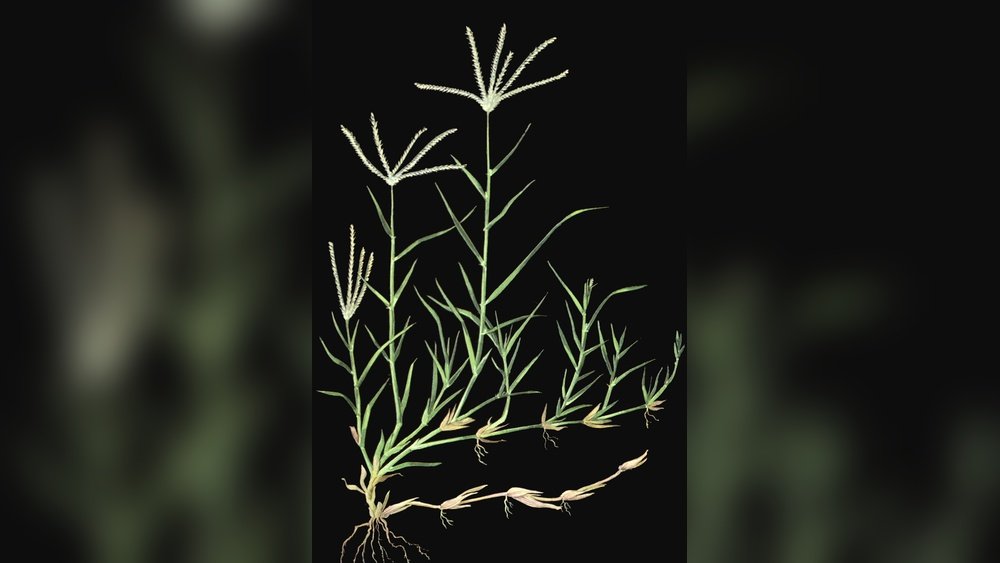
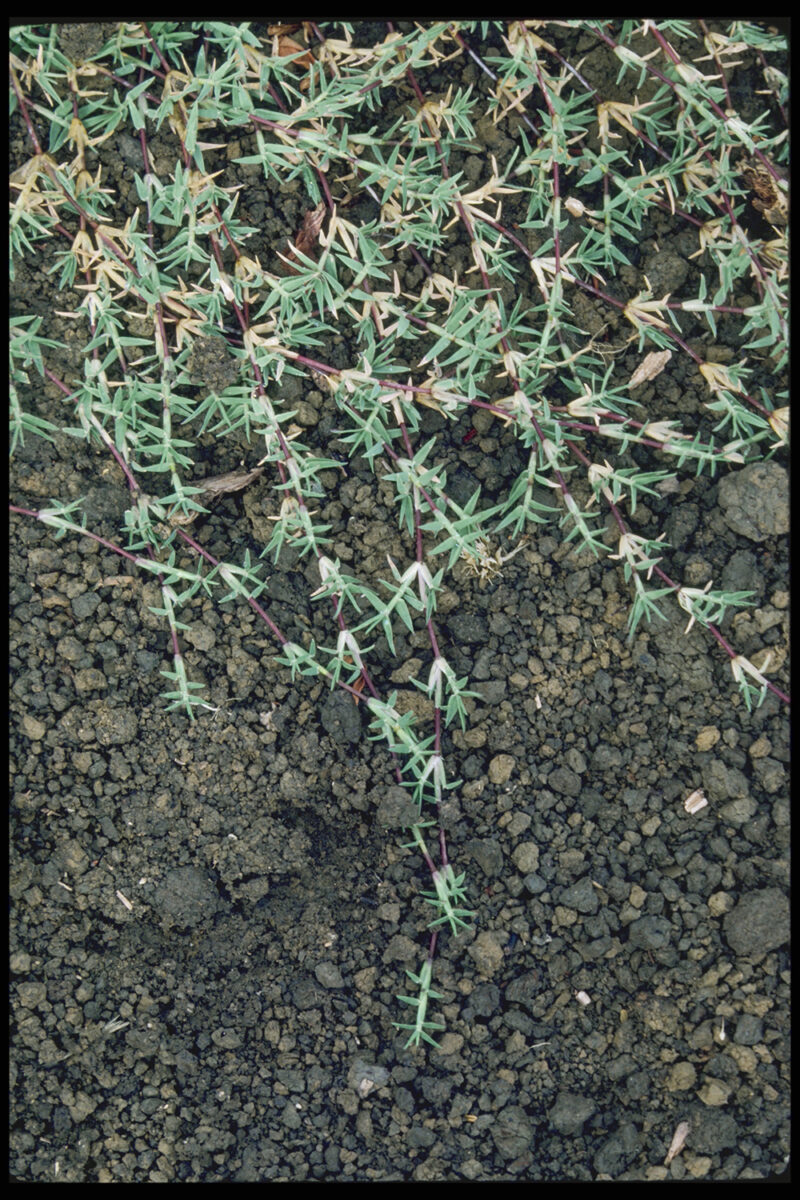
Bermuda grass grows best at temperatures between 75°F and 95°F. It spreads quickly through above-ground runners called stolons and underground stems called rhizomes. This spreading ability helps it fill bare spots fast. The grass has fine blades and forms a dense carpet. It goes dormant and turns brown in cold weather below 50°F.
It needs plenty of sunlight and well-drained soil. Bermuda grass resists drought but grows faster with regular watering. It recovers fast from wear and tear, making it very durable.
Common Uses
Bermuda grass is popular for lawns in warm regions. It creates a lush, green surface that stands up to heavy use. Many sports fields use Bermuda grass because it can handle constant play and recovers quickly.
Golf courses also favor this grass for fairways and tees due to its smooth texture. It is useful for erosion control on slopes and highways because it grows thick and holds soil well. Overall, Bermuda grass is a reliable choice for many outdoor spaces.
Ideal Temperature Range
Bermuda grass thrives best within a certain temperature range. This range supports its growth and keeps it green. Temperatures outside this range can slow its growth or cause damage. Understanding the ideal temperature helps gardeners care for Bermuda grass properly.
Daytime Temperature
Bermuda grass grows well when daytime temperatures stay between 75°F and 95°F. This warm range allows the grass to photosynthesize effectively. It helps the grass produce energy and grow thick and healthy. Temperatures above 95°F may stress the grass and cause browning.
Nighttime Temperature
At night, Bermuda grass prefers temperatures between 60°F and 70°F. Cooler nights in this range help the grass rest and recover. If nighttime temperatures drop below 50°F, growth slows down significantly. Frost or very cold nights can damage the grass blades and roots.
Temperature Effects On Growth
Bermuda grass grows best when the temperature is just right. Temperature affects how fast the grass grows and how healthy it stays. Too cold or too hot temperatures can slow growth or cause damage. Understanding temperature effects helps keep Bermuda grass green and strong.
Optimal Growth Conditions
Bermuda grass thrives in warm weather. The best temperature for growth is between 75°F and 95°F (24°C to 35°C). At this range, the grass grows quickly and stays green. Warm soil helps roots absorb water and nutrients. Sunny days also boost growth. Cool nights around 65°F (18°C) help the grass rest and recover.
Stressed Growth Scenarios
When temperatures drop below 50°F (10°C), Bermuda grass growth slows. It may go dormant and turn brown. Frost can damage the grass blades. Very high temperatures above 100°F (38°C) cause stress too. The grass may dry out and lose color. Lack of water during hot weather makes stress worse. Stress weakens Bermuda grass and invites pests or diseases.
Seasonal Temperature Influence
Bermuda grass grows best under certain temperature conditions. Its growth changes with the seasons. Temperature plays a big role in how active or dormant the grass becomes. Understanding this helps gardeners care for their lawns better. Each season brings different needs for Bermuda grass. Below, we explore how temperature affects its growth throughout the year.
Spring And Summer Growth
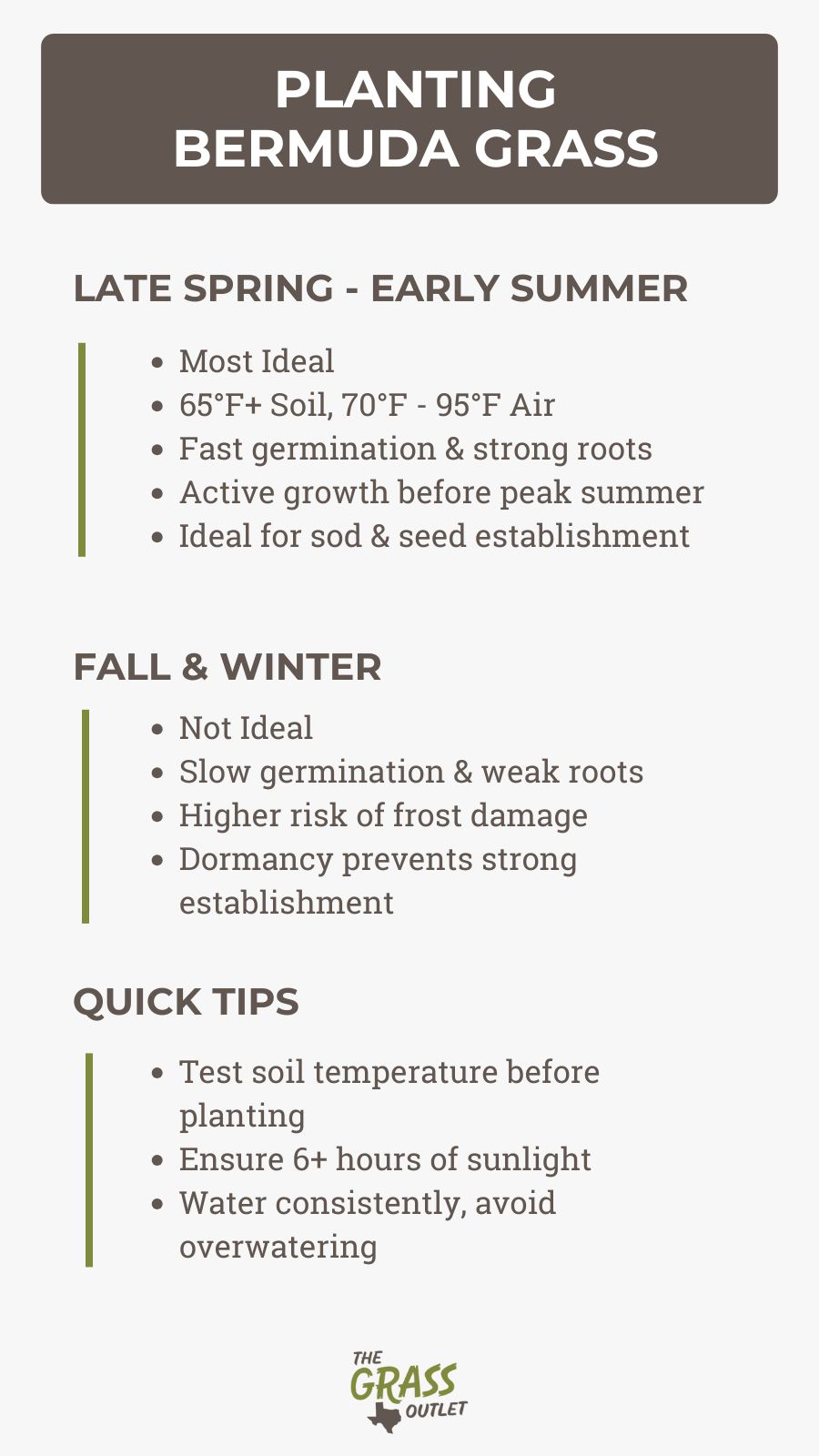
Warm temperatures boost Bermuda grass growth in spring and summer. The grass starts growing when soil warms to about 65°F (18°C). It thrives in temperatures between 75°F and 95°F (24°C to 35°C). During these months, the grass grows quickly and stays green. Sunlight and warmth help the grass spread and fill in bare spots. Regular watering and mowing support healthy growth in this period.
Fall And Winter Dormancy
As temperatures drop, Bermuda grass slows down. When temperatures fall below 60°F (15°C), growth decreases. The grass enters dormancy in fall and winter. It turns brown and stops growing to survive cold weather. Dormancy helps Bermuda grass protect itself from frost damage. Watering needs also reduce during this time. Lawn care focuses on preparation for the next growing season.
Tips For Maintaining Bermuda Grass
Bermuda grass is strong but needs care to stay healthy. Proper maintenance helps it grow thick and green. Focus on temperature, water, and nutrients for best results. Follow these simple tips to keep your Bermuda grass in top shape.
Temperature Management
Bermuda grass grows best between 75°F and 95°F. It slows down below 60°F and stops growing under 50°F. Avoid cutting grass too short during cool weather. Protect it from frost by covering or reducing foot traffic. Warm soil helps roots grow deep and strong.
Watering And Fertilizing
Water Bermuda grass deeply but not too often. Aim for 1 to 1.5 inches of water per week. Early morning watering reduces disease risk. Use a balanced fertilizer with nitrogen for green color. Apply fertilizer every 6 to 8 weeks in growing season. Avoid over-fertilizing to prevent weak grass.
Credit: thegrassoutlet.com
Common Temperature-related Issues
Bermuda grass thrives in warm weather but faces challenges with temperature changes. Extreme heat or cold can harm its growth and appearance. Knowing these temperature-related issues helps in taking proper care.
Heat and cold affect Bermuda grass differently. Understanding these effects ensures a healthy lawn all year.
Heat Stress
High temperatures above 95°F can cause heat stress. The grass turns brown and grows slowly. Heat stress dries out soil quickly, causing damage.
Watering early in the morning helps reduce heat stress. Avoid heavy foot traffic during hot days. Mulching can keep roots cooler and moist.
Cold Damage
Bermuda grass struggles when temperatures drop below 50°F. Frost can kill the grass blades and slow growth. Prolonged cold turns the grass brown and weak.
Protecting the lawn with a light cover during cold nights helps. Avoid mowing when frost is present. Gradual warming restores the grass faster.
Credit: www.sare.org
Frequently Asked Questions
What Temperature Does Bermuda Grass Start Growing?
Bermuda grass starts growing when soil temperatures reach about 65°F (18°C). It thrives in warm climates and grows best between 75°F and 95°F.
What Is The Ideal Temperature For Bermuda Grass Growth?
The ideal temperature for Bermuda grass growth ranges from 75°F to 95°F. These warm conditions promote healthy, fast growth and dense turf development.
Can Bermuda Grass Survive Cold Temperatures?
Bermuda grass is sensitive to cold and enters dormancy below 50°F. It may survive light frost but dies back in freezing temperatures.
How Does Temperature Affect Bermuda Grass Dormancy?
Bermuda grass goes dormant when temperatures drop below 50°F. During dormancy, it stops growing and turns brown until warm weather returns.
Conclusion
Bermuda grass grows best in warm temperatures between 75 and 95 degrees Fahrenheit. It thrives in sunny places and needs heat to stay green and healthy. Cooler weather slows its growth and can make it go dormant. Knowing the right temperature helps you care for your lawn better.
Keep the grass warm and well-watered for the best results. Healthy Bermuda grass makes your yard look great all summer long. Simple care and the right temperature keep it growing strong.
