
If you have Bermuda grass in your yard, you might have noticed it changes with the seasons. But do you know exactly what temperature makes your Bermuda grass go dormant?
Understanding this can help you take better care of your lawn and keep it healthy year-round. You’ll discover the key temperatures that trigger dormancy and learn simple tips to protect your grass when the cold sets in. Keep reading to make sure your Bermuda grass stays strong and ready to bounce back when warmer days return.
Credit: turfmasterslawncare.com
Bermuda Grass Growth Cycle
Bermuda grass follows a clear growth cycle each year. Its activity changes with temperature and seasons. Knowing this cycle helps keep your lawn healthy and green. The grass grows fast in warm months and slows down as it cools. Understanding when Bermuda grass grows and when it rests is key for proper care.
Active Growth Periods
Bermuda grass grows best in warm weather. It starts growing quickly when temperatures reach about 65°F (18°C). The grass stays active through spring and summer. During this time, it needs regular watering and mowing. Growth slows down as temperatures drop below 60°F (16°C). In warm months, Bermuda grass spreads fast and fills in bare spots well.
Dormancy Triggers
Cold temperatures cause Bermuda grass to go dormant. It usually stops growing when temperatures fall below 50°F (10°C). Frost or freezing weather makes the grass turn brown and rest. Dormancy protects the grass from cold damage. During dormancy, Bermuda grass uses less water and nutrients. It wakes up again when the weather warms above 60°F (16°C).

Credit: thebermudabible.com
Temperature Thresholds For Dormancy
Bermuda grass is a warm-season grass that thrives in heat. It grows best during warm months and slows down as temperatures drop. Knowing the temperature thresholds helps you understand when Bermuda grass goes dormant. Dormancy means the grass stops growing and turns brown. This process protects the grass from cold damage. Let’s explore the temperature ranges that trigger dormancy.
Ideal Temperature Range
Bermuda grass grows well between 75°F and 95°F. This range supports strong growth and green color. Temperatures below 60°F start to slow growth. The grass remains green but grows less. When temperatures fall below 50°F, the grass begins to enter dormancy. The cooler weather signals the grass to conserve energy. It stops growing and changes color.
Effects Of Cold Weather
Cold weather below 40°F causes Bermuda grass to become fully dormant. It turns brown and stops growing completely. Frost or freezing temperatures can damage the grass blades. Prolonged cold can harm the roots too. Dormancy helps the grass survive this stress. It uses stored energy to stay alive until warmth returns. Knowing these effects helps with lawn care in cold months.
Seasonal Changes And Dormancy
Bermuda grass changes with the seasons. It grows actively in warm months. As temperatures fall, the grass begins to slow down. This natural process is called dormancy. Dormancy helps the grass survive cold weather. The grass stops growing and turns brown. This saves energy until warmer weather returns.
Understanding how temperature affects Bermuda grass is important. It helps in proper lawn care during different seasons. Let’s explore how fall and winter temperatures impact dormancy and survival.
Fall Temperature Impact
As fall arrives, temperatures drop below 70°F. Bermuda grass growth slows down. When temperatures reach about 50°F, dormancy starts. The grass stops producing new leaves. It changes color from green to brown. Cool nights and shorter days signal this change. The grass prepares to survive the cold months ahead.
Winter Survival
Bermuda grass can survive cold winters by staying dormant. Temperatures below 32°F cause the grass to fully rest. The roots remain alive under the soil. Snow or frost cover protects the grass blades. Once spring returns with warmer weather, growth begins again. Proper care before winter helps the grass survive better.
Signs Of Bermuda Grass Dormancy
Bermuda grass is a warm-season grass that reacts to cold weather by going dormant. Dormancy is a natural process where the grass slows down and protects itself from low temperatures. Recognizing the signs of dormancy helps you care for your lawn properly during colder months.
These signs show your Bermuda grass is entering a resting phase. Knowing them prevents unnecessary watering or fertilizing. It also helps avoid damage to the grass during winter.
Color Changes
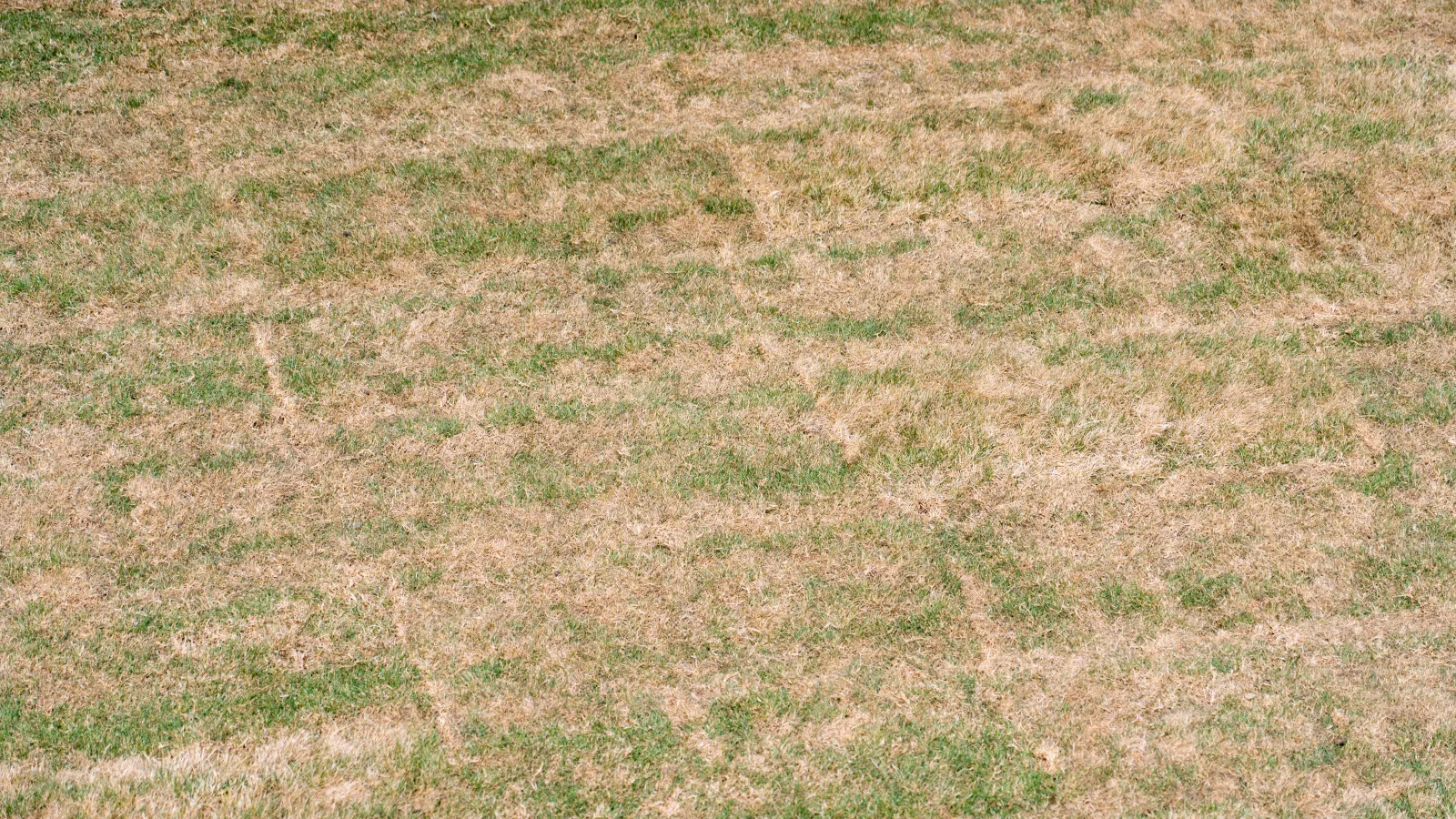
One clear sign of dormancy is a change in color. Bermuda grass turns from green to brown or tan. This color shift happens because the grass stops producing chlorophyll. The grass blades dry out but are not dead. This color change signals the grass is conserving energy.
Growth Slowdown
During dormancy, Bermuda grass grows very slowly or stops growing. You may notice the grass height stays the same for weeks. This slowdown means the grass is using less water and nutrients. It is resting until warmer temperatures return. Avoid mowing often to protect the grass during this period.
Dormancy Management Tips
Managing Bermuda grass during dormancy helps keep it healthy and ready for spring. Dormancy means the grass stops growing and turns brown. Proper care during this time supports quick recovery once warm weather returns. Adjusting watering and fertilization are key steps in dormancy management.
Watering Adjustments
During dormancy, Bermuda grass needs less water. Overwatering can cause root problems and disease. Water only if the soil is very dry. Aim to keep the soil slightly moist, not wet. Reduce watering frequency gradually as temperatures drop. This helps the grass survive winter without stress.
Fertilization Timing
Stop fertilizing before dormancy begins. Fertilizer encourages growth, which the grass cannot support in cold weather. Apply fertilizer in late summer or early fall. Use a formula with low nitrogen to avoid pushing growth. Resume fertilizing only after the grass starts growing again in spring.
Reviving Bermuda Grass After Dormancy
Bermuda grass goes dormant when temperatures drop below 50°F. It turns brown and stops growing. This natural process helps the grass survive cold months. When spring arrives, the grass wakes up and needs care to thrive again. Reviving Bermuda grass after dormancy takes effort and the right steps. Proper care brings back its green color and healthy growth.
Optimal Spring Practices
Start by mowing the grass to remove dead blades. Set the mower blade higher than usual. This protects new shoots from damage. Water the lawn deeply but less often. Deep watering encourages strong root growth. Fertilize with a balanced formula to provide nutrients. Use a fertilizer with nitrogen for green leaves. Aerate the soil to improve air and water flow. Aeration helps roots grow better and reduces soil compaction.
Soil Preparation
Test your soil’s pH to ensure proper acidity. Bermuda grass prefers a pH between 5.8 and 7.0. Add lime if the soil is too acidic. Remove debris and thatch from the lawn surface. Thatch blocks water and nutrients from reaching roots. Loosen the soil by raking or light tilling. This makes it easier for new roots to spread. Proper soil preparation sets the stage for a healthy lawn all season.

Credit: thebermudabible.com
Frequently Asked Questions
What Temperature Causes Bermuda Grass Dormancy?
Bermuda grass typically goes dormant when temperatures drop below 50°F (10°C). Cooler weather signals the grass to stop growing and turn brown.
How Long Does Bermuda Grass Stay Dormant?
Dormancy lasts throughout the cold months, usually from late fall to early spring. It revives once temperatures consistently rise above 50°F.
Can Bermuda Grass Survive Freezing Temperatures?
Yes, Bermuda grass can survive short freezing spells but remains dormant. Prolonged freezing may damage the turf, affecting its recovery in spring.
How To Care For Bermuda Grass During Dormancy?
Reduce watering and mowing frequency during dormancy. Avoid fertilizing, as the grass is inactive and won’t absorb nutrients effectively.
Conclusion
Bermuda grass stops growing when temperatures fall below 50°F. It goes dormant to protect itself from cold weather. Grass turns brown but will green up again in spring. Knowing this helps you care for your lawn better. Water less and avoid mowing during dormancy.
Watch the weather to prepare your grass for cold. Healthy grass returns quickly after dormancy ends. Simple steps keep your Bermuda lawn strong all year. Dormancy is natural and helps the grass survive winter.
