
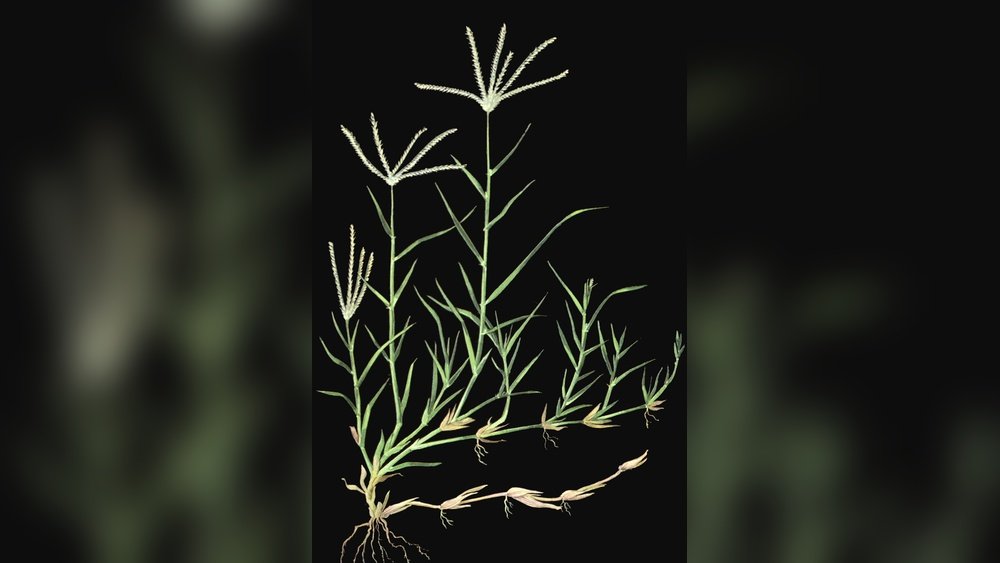
Are you wondering what temperature Bermuda grass needs to grow strong and green? Knowing the right temperature can make a big difference in how healthy your lawn looks.
If you want your Bermuda grass to thrive, you need to understand when it wakes up from dormancy and starts growing fast. You’ll discover the ideal temperature range for Bermuda grass and how to care for it at different times of the year.
Keep reading to learn the secrets that will help you grow a lush, vibrant lawn you can be proud of.
Credit: thegrassoutlet.com
Ideal Temperature Range
Bermuda grass thrives best within a certain temperature range. This range supports strong growth and a healthy green color. Understanding these temperatures helps you care for your lawn properly. The right temperatures boost growth speed and root strength. Too cold or too hot slows growth and weakens the grass.
Below are the ideal temperatures for Bermuda grass during day and night. These details help maintain a lush and durable lawn year-round.
Optimal Daytime Temperatures
Bermuda grass grows fastest in daytime temperatures between 75°F and 95°F. Within this range, the grass absorbs sunlight well. Photosynthesis happens efficiently, making the grass green and thick. Temperatures above 95°F may cause stress and slow growth. Below 75°F, the grass grows slowly or becomes dormant.
Nighttime Temperature Effects
Nighttime temperatures between 60°F and 70°F favor Bermuda grass growth. Cooler nights help the grass rest and recover. Temperatures under 60°F can slow growth and cause dormancy. If nights stay above 70°F for long, the grass may lose moisture quickly. Proper nighttime temperatures keep the grass healthy and strong.

Credit: www.rainpointonline.com
Temperature Impact On Growth Stages
Temperature plays a key role in the growth stages of Bermuda grass. Different temperatures affect how well the grass germinates, grows, and rests. Understanding these temperature needs helps in caring for Bermuda grass effectively. It thrives best within certain temperature ranges at each stage.
Germination Temperatures
Bermuda grass seeds start to germinate when soil temperatures reach about 65°F (18°C). The ideal germination range is between 75°F and 85°F (24°C to 29°C). Below 60°F (16°C), germination slows or may not happen at all. Warm soil speeds up seed sprouting and early root growth.
Active Growth Periods
Once germinated, Bermuda grass grows fastest in air temperatures from 80°F to 95°F (27°C to 35°C). During these warm months, the grass produces new shoots and spreads quickly. Cooler temperatures below 70°F (21°C) reduce growth rates. High heat and sunlight boost photosynthesis and plant health.
Dormancy Triggers
Bermuda grass enters dormancy when temperatures drop below 50°F (10°C). At this point, the grass stops growing and turns brown. Dormancy helps the grass survive cold seasons and conserve energy. It returns to active growth when temperatures rise again in spring.
Seasonal Temperature Variations
Bermuda grass reacts strongly to changes in temperature across seasons. Each season brings different challenges and growth patterns. Understanding these can help maintain a healthy lawn year-round.
Spring Growth Conditions
Spring warms the soil and air slowly. Bermuda grass starts growing when temperatures reach about 60°F. Growth speeds up as days get longer and warmer. Early spring may still have cold nights. This slows growth but does not stop it. Soil moisture in spring helps roots develop well.
Summer Heat Tolerance
Summer heat suits Bermuda grass best. It thrives in temperatures between 80°F and 95°F. High heat helps the grass green up quickly. Drought tolerance improves in hot weather. Grass may go dormant if water is very low. Strong summer sun helps fight many lawn diseases.
Fall Temperature Effects
Fall brings cooler days and shorter sunlight hours. Growth slows as temperatures drop below 70°F. Grass prepares to go dormant when it gets colder. Early frost can damage Bermuda grass leaves. Proper watering in fall helps grass store energy for winter. Fall is the time to repair and fertilize.
Credit: www.sare.org
Temperature Stress And Damage
Bermuda grass is tough, but extreme temperatures can harm it. Too much heat or cold causes stress and damage. Knowing signs of stress helps keep your lawn healthy. Quick action can save the grass from lasting harm.
Heat Stress Symptoms
Bermuda grass shows heat stress by turning brown or yellow. Leaves may curl and look dry. Growth slows down, and the grass feels weak. The soil dries out faster, making stress worse. Watch for these signs during hot days.
Cold Injury Risks
Bermuda grass is sensitive to frost and freezing temperatures. Cold can kill grass blades and roots. The grass may look patchy or thin after frost. Extended cold spells cause the grass to stop growing. Damage can last until warmer weather returns.
Recovery Strategies
Water the grass deeply but avoid overwatering. Mow at the right height to reduce stress. Use mulch to protect roots from cold. Fertilize lightly to help the grass grow back. Avoid heavy foot traffic until the grass recovers fully.
Temperature And Water Needs
Bermuda grass thrives in warm temperatures but needs the right amount of water. Temperature and water needs go hand in hand for healthy growth. Warm weather increases the grass’s water use. Without enough water, Bermuda grass can dry out quickly.
Proper watering helps the grass stay green and strong. It also prevents stress and damage. Understanding how temperature affects water needs helps you care for Bermuda grass better.
Increased Water Demand In Heat
High temperatures make Bermuda grass use more water. The grass loses moisture fast through its leaves. This process is called transpiration. On hot days, water demand can double or triple. Without enough water, the grass turns brown and weak.
Soil also dries out faster in heat. Roots need water to keep the grass alive. Water deeply and often during hot weather. Early morning watering reduces evaporation and helps water reach roots.
Water Conservation Tips
Water Bermuda grass wisely to save water and keep it healthy. Use a drip irrigation system or soaker hose for slow watering. Water early in the morning or late in the evening. This lowers water loss from heat and wind.
Apply mulch around the grass to keep soil moist longer. Avoid watering on windy days to reduce evaporation. Check the soil regularly to know when to water. Healthy Bermuda grass needs less water than stressed grass.
Maximizing Growth With Temperature Control
Temperature plays a big role in how well Bermuda grass grows. Keeping the right temperature helps the grass stay healthy and green. Controlling the temperature lets you get the best growth from your Bermuda grass all year.
Choosing The Right Planting Time
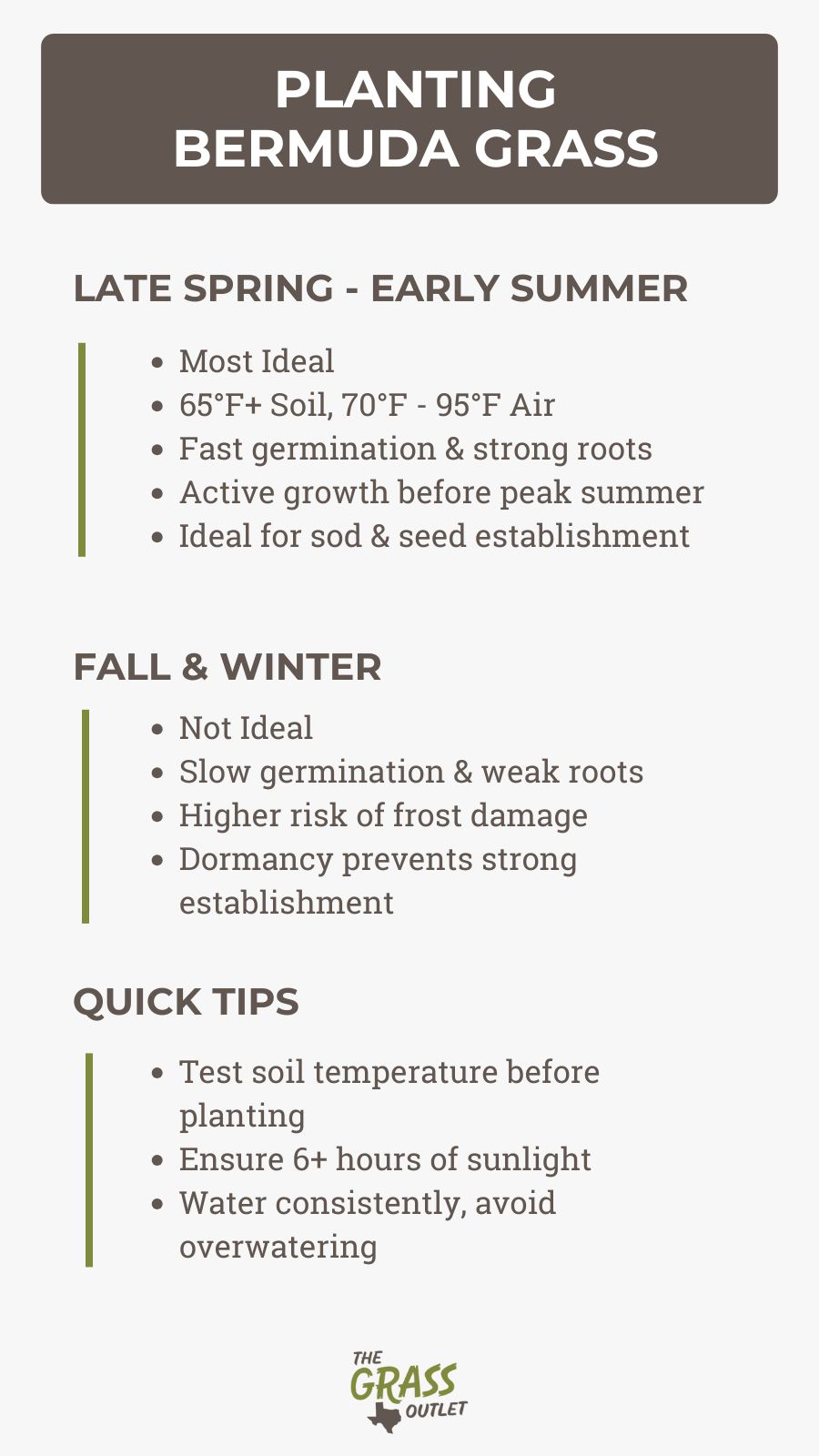
Plant Bermuda grass when soil temperatures reach about 65°F. This warmth helps seeds germinate faster. Planting too early in cold soil slows growth and weakens the grass. Aim for late spring or early summer for best results.
Using Shade And Mulch
Shade can protect Bermuda grass from extreme heat. Use light shade during the hottest parts of the day. Mulch helps keep soil cool and moist. It also stops weeds that compete with your grass. Both shade and mulch improve temperature control.
Soil Temperature Management
Soil temperature affects how Bermuda grass absorbs nutrients. Use dark-colored mulch to warm soil in cool weather. In hot weather, light mulch reflects heat and keeps soil cooler. Monitor soil temperature to adjust care and keep grass growing well.
Frequently Asked Questions
What Is The Ideal Temperature For Bermuda Grass Growth?
Bermuda grass thrives best between 75°F and 95°F. It grows actively in warm conditions with plenty of sunlight and minimal frost.
Can Bermuda Grass Grow In Cooler Temperatures?
Bermuda grass growth slows significantly below 60°F. It becomes dormant in cooler weather and may stop growing until warmer temperatures return.
How Does Temperature Affect Bermuda Grass Health?
Optimal temperatures boost Bermuda grass’s growth and color. Extreme heat or cold can stress the grass, leading to browning or dormancy.
What Temperature Causes Bermuda Grass Dormancy?
Bermuda grass typically enters dormancy below 50°F. This natural response helps the grass survive cold winters until temperatures rise again.
Conclusion
Bermuda grass grows best in warm weather, between 75 and 95 degrees Fahrenheit. It thrives under full sun and well-drained soil. Cold temperatures can slow its growth or cause dormancy. Knowing the right temperature helps keep your lawn green and healthy.
Regular care and watering also support its growth. Keep an eye on the weather to protect your grass. Warm days mean strong, vibrant Bermuda grass. Simple steps lead to a beautiful lawn all season long.
