
Have you ever looked at your lawn and wondered, “What type of Bermuda grass do I have?” Knowing the exact variety of your Bermuda grass is key to keeping your yard healthy and green. Different types need different care, and the right information can save you time and money.
You’ll discover simple ways to identify your Bermuda grass and learn how to take care of it like a pro. Keep reading—you’re about to unlock the secret to a lawn that stands out in your neighborhood.
Bermuda Grass Basics
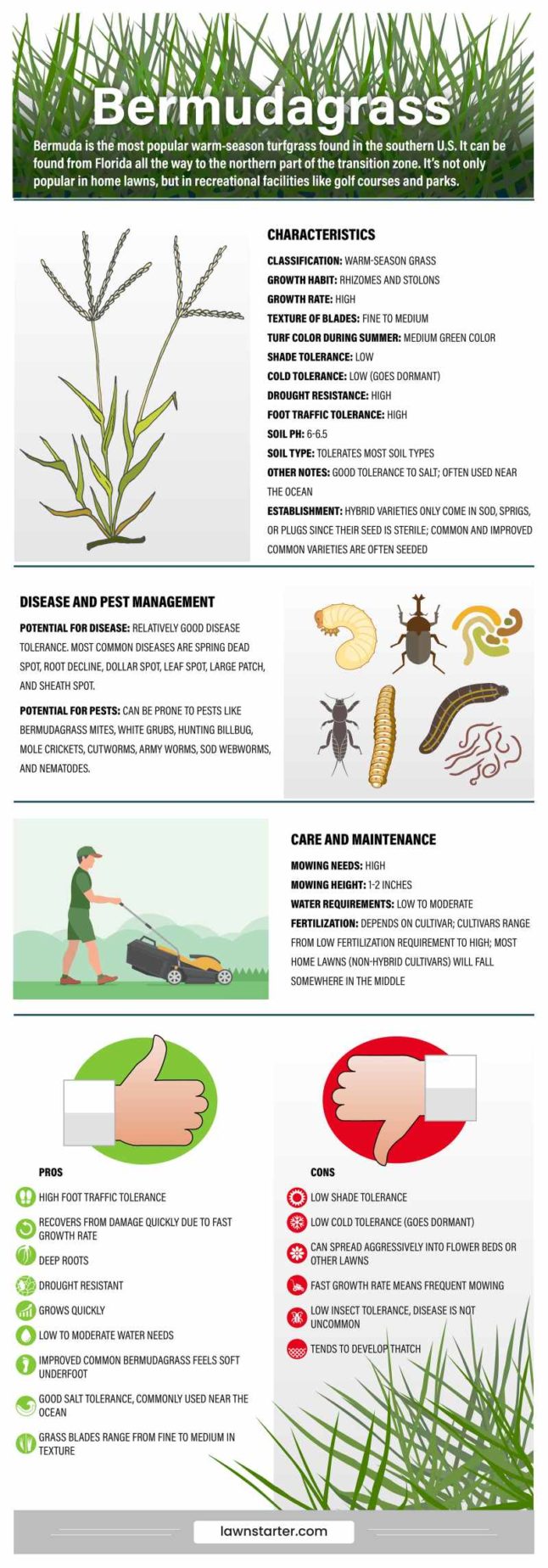
Bermuda grass is a popular choice for lawns and sports fields. It thrives in warm climates and handles heat well. Understanding its basics helps you identify the type you have. This knowledge guides care and maintenance for a healthy lawn.
Bermuda grass grows quickly and spreads easily. It forms a dense, green carpet that resists weeds. The grass recovers fast from damage, making it ideal for active areas. Learning about its varieties and growth patterns is key.
Common Bermuda Varieties
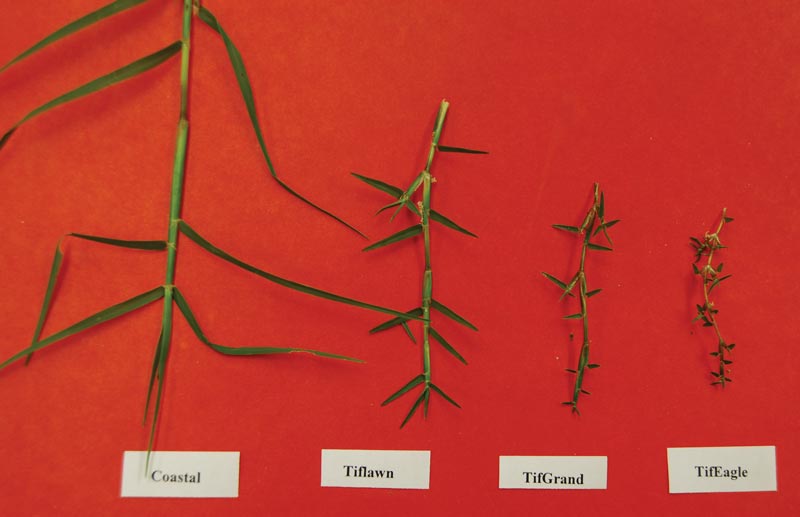
Several Bermuda grass types exist, each with unique traits. Common varieties include Common Bermuda, Hybrid Bermuda, and Tifway. Common Bermuda is coarse and grows fast. Hybrid types offer finer texture and better color. Tifway is popular for sports fields and golf courses. Knowing these helps you match the grass to your lawn needs.
Growth Patterns And Texture
Bermuda grass spreads using stolons and rhizomes. Stolons run above ground, while rhizomes grow underground. This creates a thick, tough lawn that fills bare spots. The texture can range from coarse to fine. Coarse types have wider blades and rough feel. Fine types feel soft and look smoother. Identifying texture helps in choosing the right mower height and care routines.
Credit: www.lawnstarter.com
Visual Traits To Spot
Identifying the type of Bermuda grass in your yard starts with observing its visual traits. These features help you know exactly what you have. They also guide you on how to care for the grass properly.
Leaf Shape And Size
Bermuda grass leaves are usually narrow and pointed. Some types have thin leaves, about 1/8 inch wide. Others have wider leaves, nearly 1/4 inch. The length of leaves can range from 1 to 4 inches. Noticing these differences helps identify the exact variety.
Color Variations
The color of Bermuda grass varies from light green to dark green. Some types have a bluish-green tint. Others show a bright, almost yellow-green shade. Color changes can occur due to sunlight and soil conditions. Watching these color traits helps distinguish the grass type.
Stem Characteristics
The stems of Bermuda grass are slender and grow close to the ground. Some types have hairy stems, while others have smooth ones. The stems spread by runners called stolons and underground stems called rhizomes. These features affect how the grass grows and spreads.
Feel And Texture Clues
Feel and texture clues help identify the type of Bermuda grass you have. Touching the grass reveals important details. These details guide you to the right variety. Pay attention to how the blades feel and how dense the grass grows. This helps separate common types of Bermuda grass.
Soft Vs Coarse Blades
Some Bermuda grass blades feel soft and smooth. These types are gentle underfoot and often used in lawns. Other types have coarse, rough blades. They feel tougher and are less comfortable to walk on barefoot. Soft blades often come from hybrid Bermuda grasses. Coarse blades usually belong to common or common seed Bermuda varieties. Running your hand over the grass gives a quick hint about its type.
Density And Thickness
Dense Bermuda grass grows thick and full. It creates a lush carpet look. Thin Bermuda grass has fewer blades per inch. It looks patchy and less vibrant. Dense grass often means a hybrid variety. Thin grass may be common Bermuda or older types. Press your fingers into the grass. Thick, tightly packed blades mean dense growth. Sparse growth feels light and spread out. These clues help identify your Bermuda grass type fast.
Environmental Adaptations
Bermuda grass adapts well to different environments. Knowing its environmental traits helps identify the type you have. These grasses survive in tough conditions and thrive in warm climates. Understanding how they handle heat, drought, and shade reveals important clues.
Heat And Drought Tolerance
Bermuda grass thrives in hot weather. It can survive long dry spells without much water. Some types handle heat better than others. Common Bermuda grass stays green with less water. Hybrid varieties often resist drought even more. This makes them good for sunny, dry areas. They grow deep roots to find water underground. These roots help the grass stay healthy during heat waves.
Shade Preferences
Bermuda grass prefers full sun. It grows best with six to eight hours of sunlight daily. Some types tolerate light shade but grow slower. Too much shade causes thin, weak grass. Hybrid Bermuda may handle shade better than common types. Still, they need at least some direct sun. In shaded spots, the grass might turn brown or patchy. Knowing shade tolerance helps pick the right grass type.
Common Lawn Issues
Bermuda grass is tough but not immune to problems. Common lawn issues can affect its health and appearance. Knowing the signs helps you act fast. Healthy Bermuda grass stays green and thick. Damaged areas often point to pests or diseases. Spotting problems early saves time and money.
Pest Signs
Pests often cause brown or bare spots on Bermuda grass. Look for small holes or tunnels in the soil. You may see tiny insects like grubs or armyworms. Birds or animals digging up the lawn might mean pests below. Wilting grass blades and slow growth also suggest insect damage. Check the grass closely for chewing or webbing.
Disease Symptoms
Diseases can cause discoloration and patchy grass. Yellow or brown spots appear suddenly on the lawn. You might see mold or fuzzy growth on the grass blades. Thin or dead patches often spread quickly. The grass may feel soft or slimy in affected areas. Moist, warm weather usually helps diseases grow. Watch for changes in color and texture.
Testing And Tools
Testing and tools help you identify the type of Bermuda grass you have. Knowing the exact type helps with care and maintenance. Simple tools and tests can give useful clues. Some methods you can do yourself at home. Other times, expert advice is the best choice.
Diy Identification Methods
Start by examining the grass blades closely. Look at the blade width and texture. Some Bermuda grasses have thin blades; others are wider. Check the color and growth pattern. Use a magnifying glass for a better view. Take photos to compare with online guides. You can also perform a simple rubbing test. Rub a blade between your fingers to feel its roughness. Measure the grass height after a few days of growth. Keep notes of these details for reference.
When To Consult Experts
Consult experts if DIY methods are unclear. Lawn care professionals can identify grass types accurately. They use advanced tools and microscopes. Experts can suggest the best fertilizers and treatments. If your lawn shows disease or pests, get help quickly. Experts save time and avoid costly mistakes. Contact local extension offices or turf specialists. They offer advice tailored to your region. Professional help ensures your Bermuda grass stays healthy.
Care Tips By Type
Caring for Bermuda grass depends on the type you have. Each variety needs specific care to stay healthy and green. Follow the right steps for mowing, watering, and fertilizing to keep your lawn looking great all year.
Mowing Recommendations
Common Bermuda grass grows best at 1 to 2 inches tall. Hybrid types prefer shorter cuts, around 0.5 to 1 inch. Mow often to avoid cutting more than one-third of the grass blade. Use sharp mower blades for a clean cut. This helps prevent stress and disease.
Watering Guidelines
Bermuda grass needs about 1 inch of water per week. Water deeply but less often to encourage strong roots. Early morning is the best time to water. Avoid watering in the heat of the day. Different types may vary slightly in water needs, so watch your lawn closely.
Fertilizing Tips
Feed Bermuda grass with nitrogen-rich fertilizer in spring and summer. Apply every 6 to 8 weeks during the growing season. Use less fertilizer in fall and avoid feeding in winter. Test your soil to find the right fertilizer balance for your type. Proper feeding keeps your grass thick and green.

Credit: thegrassstore.com
Credit: gcmonline.com
Frequently Asked Questions
What Are The Common Types Of Bermuda Grass?
Common Bermuda grass types include Common Bermuda, Hybrid Bermuda, and Tifway. Each has unique growth patterns and maintenance needs. Knowing your type helps in proper lawn care and treatment.
How Can I Identify My Bermuda Grass Type?
Check blade width, color, and growth habit. Common Bermuda has wider blades; hybrids are finer and denser. Observing these traits aids in correct identification.
Is Hybrid Bermuda Grass Better Than Common Bermuda?
Hybrid Bermuda is usually finer, denser, and more drought-resistant. It requires more maintenance but offers superior turf quality compared to Common Bermuda.
Can I Grow Bermuda Grass In Shaded Areas?
Bermuda grass prefers full sun but tolerates light shade. It struggles in heavy shade, leading to thin or patchy growth.
Conclusion
Knowing your Bermuda grass type helps care for your lawn better. Each kind needs different watering and mowing. Pay attention to leaf shape and growth patterns. This makes it easier to choose the right care. A healthy lawn grows thick and green.
Keep checking your grass to spot any changes. Simple care steps keep your Bermuda grass strong. Enjoy a beautiful lawn all year round.
