
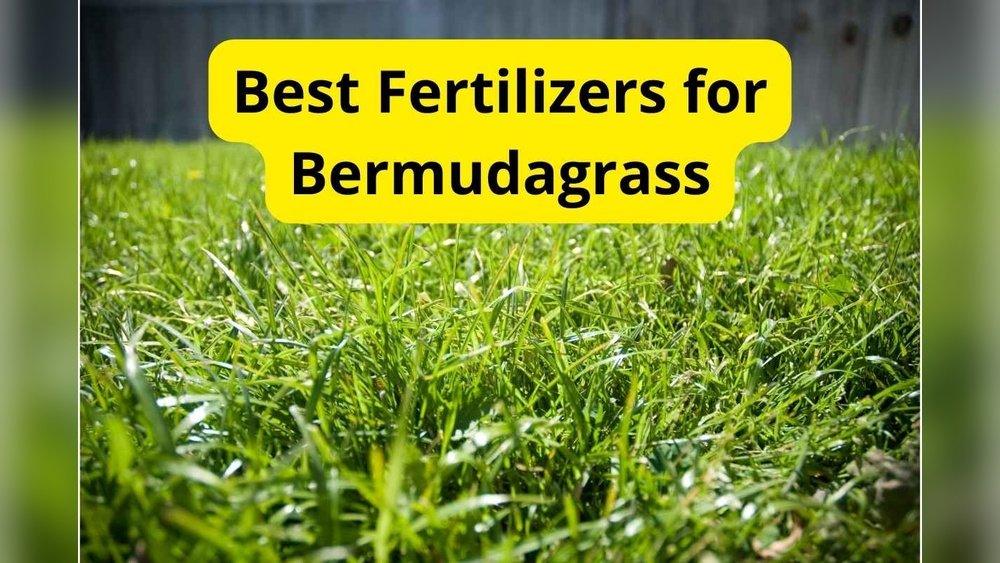
Are you struggling to keep your Bermuda grass lush and green? Choosing the right fertilizer can make all the difference in transforming your lawn into a vibrant, healthy space you’ll be proud of.
But with so many options out there, how do you know which one is truly the best for your Bermuda grass? You’ll discover simple, effective fertilizer choices that will boost your lawn’s growth and resilience. Keep reading to find out exactly what your Bermuda grass needs to thrive year-round.

Credit: theturfgrassgroup.com
Choosing Fertilizer Types
Choosing the right fertilizer type is key for healthy Bermuda grass. Different fertilizers work in different ways. Understanding the options helps you pick the best one for your lawn. Each type affects the grass growth and soil health differently. Knowing their roles makes care easier and more effective.
Organic Vs Synthetic Fertilizers
Organic fertilizers come from natural sources like compost or manure. They release nutrients slowly and improve soil quality over time. Synthetic fertilizers are made from chemicals. They provide nutrients quickly but can harm soil if overused. Organic types feed soil life, while synthetic types focus on fast results. Choose based on how fast you want results and your soil condition.
Slow-release Vs Quick-release
Slow-release fertilizers deliver nutrients over time. They reduce the need for frequent feeding. Quick-release fertilizers give an instant nutrient boost. They work well for lawns needing fast green-up. Slow-release helps avoid nutrient loss and burns. Quick-release suits urgent repair but use carefully. Match your lawn’s needs with the right release type.
Nitrogen, Phosphorus, And Potassium Roles
Nitrogen helps grass grow thick and green. Phosphorus supports strong roots and new growth. Potassium boosts disease resistance and drought tolerance. Bermuda grass needs all three for balance. Too much or too little of any harms growth. Look for fertilizers with a balanced mix for best results.
Soil Preparation Tips
Preparing the soil is key for healthy Bermuda grass. Good soil helps the grass grow strong and green. Before applying any fertilizer, focus on soil preparation. It sets the foundation for great lawn results.
Soil Testing Importance
Test the soil to know its nutrients and pH level. Soil tests show what the grass needs. They help avoid wasting fertilizer. Testing guides you to choose the right fertilizer mix. It saves money and improves grass health.
Adjusting Ph Levels
Bermuda grass grows best in soil with a pH of 5.8 to 7.0. Check the soil pH after testing. Add lime to raise pH if soil is too acidic. Use sulfur to lower pH if soil is too alkaline. Proper pH helps the grass absorb nutrients well.
Improving Soil Texture
Good soil texture drains water but holds moisture. Sandy soil drains too fast, while clay holds too much water. Add organic matter like compost to improve soil texture. It makes the soil loose and rich. This helps Bermuda grass roots grow deeper and stronger.
Best Fertilizer Formulations
Choosing the right fertilizer formulation is key for healthy Bermuda grass. Different blends affect growth and color. Knowing the best options helps you keep your lawn lush and green.
Fertilizers come with various nutrient ratios. Each type supports Bermuda grass in unique ways. Here are the top formulations to consider for your lawn care.
High Nitrogen Options
High nitrogen fertilizers promote fast, thick growth. Nitrogen is essential for green color and leaf development. Use blends with 25-30% nitrogen for best results. These formulations help Bermuda grass recover from stress and wear. Apply during the growing season for vibrant turf.
Balanced Npk Choices
Balanced fertilizers contain nitrogen, phosphorus, and potassium in equal or near-equal amounts. Ratios like 10-10-10 or 15-15-15 support overall lawn health. Phosphorus strengthens roots. Potassium improves disease resistance. Balanced formulas maintain steady growth and durability.
Micronutrient Additives
Micronutrients include iron, manganese, and zinc. These help prevent yellowing and improve color. Adding micronutrients to fertilizer boosts Bermuda grass vitality. Many commercial blends include these trace elements. Use micronutrient-rich fertilizers for healthy, strong turf.
Credit: www.youtube.com
Application Timing And Frequency
Proper timing and frequency are key to fertilizing Bermuda grass effectively. Applying fertilizer at the right time helps the grass absorb nutrients well. It also prevents waste and damage. Regular feeding keeps the lawn green and healthy. Overfertilizing or poor timing can harm the grass and the environment.
Seasonal Fertilizing Schedule
Fertilize Bermuda grass mostly in spring and summer. Start in late spring when the grass begins growing fast. Apply fertilizer every 6 to 8 weeks during the growing season. Stop fertilizing in fall to let the grass prepare for winter. Avoid feeding in winter when the grass is dormant. Follow this schedule to support steady growth and color.
Avoiding Overfertilization
Too much fertilizer can burn Bermuda grass. It may cause brown patches and weak roots. Always follow the fertilizer label instructions. Use a spreader to apply fertilizer evenly. Water the lawn after fertilizing to help nutrients soak in. Skip feeding if the lawn looks healthy and green. Less is often better for your lawn’s health.
Signs Of Nutrient Deficiency
Bermuda grass shows clear signs when it lacks nutrients. Yellow or pale green leaves indicate nitrogen deficiency. Thin or patchy areas may mean potassium is low. Slow growth and weak color can signal nutrient problems. Test your soil if you see these signs. Correct deficiencies quickly for a lush, green lawn.
Environmental Considerations
Choosing the right fertilizer for Bermuda grass involves thinking about the environment. Fertilizers affect soil, water, and local wildlife. Using the wrong type or too much fertilizer can harm nature. It is important to protect the environment while keeping your lawn healthy and green.
Water Runoff Prevention
Fertilizer can wash away during rain or watering. This runoff can pollute nearby water bodies. Use slow-release fertilizers to reduce this problem. Apply fertilizer carefully, avoiding paved surfaces. Water your lawn lightly after fertilizing to help absorption.
Eco-friendly Fertilizer Options
Choose fertilizers made from natural ingredients. Organic fertilizers break down slowly and feed grass gently. They improve soil health without harming the environment. Compost and manure are good choices. Avoid fertilizers with harsh chemicals and heavy metals.
Impact On Lawn Health
Environmentally safe fertilizers support strong, healthy Bermuda grass. They promote deep roots and resistance to pests. Healthy lawns need fewer chemicals and less water. Balanced nutrients prevent grass stress and disease. A green lawn can also help reduce soil erosion.
Common Mistakes To Avoid
Choosing the best fertilizer for Bermuda grass requires care. Many people make simple mistakes that harm their lawn. Avoiding these errors helps your grass grow healthy and green. Below are common mistakes to watch out for when fertilizing Bermuda grass.
Overwatering After Fertilizing
Watering is important, but too much can cause problems. Overwatering after applying fertilizer can wash away nutrients. This leaves the grass without the food it needs. It also increases the risk of fungus and disease. Water the lawn lightly and only as needed.
Ignoring Soil Tests
Soil tests reveal what your lawn really needs. Skipping this step can lead to wrong fertilizer use. Without knowing soil condition, you might add too much or too little fertilizer. Testing helps pick the right nutrients and avoid waste. Get a soil test before you fertilize.
Using Wrong Fertilizer Types
Bermuda grass needs specific nutrients to thrive. Using fertilizer meant for other plants can hurt it. Some fertilizers have too much nitrogen or not enough potassium. Choose a fertilizer labeled for Bermuda grass. This ensures the grass gets balanced nutrition.
Maintaining Healthy Bermuda Grass
Maintaining healthy Bermuda grass requires regular care and attention. This grass thrives in warm climates and needs proper steps to stay green and strong. Simple habits make a big difference in its growth and appearance. Focus on mowing, managing weeds and pests, and keeping the soil healthy.
Mowing Best Practices
Cut Bermuda grass regularly to keep it neat and healthy. Set your mower blade to about 1 to 1.5 inches high. Avoid cutting more than one-third of the grass blade at once. Mow often during the growing season to prevent stress. Use sharp mower blades for clean cuts. Clean cuts help the grass heal faster and avoid disease.
Weed And Pest Management
Weeds and pests compete with Bermuda grass for nutrients. Remove weeds early before they spread seeds. Use safe herbicides designed for Bermuda grass if needed. Check for pests like grubs or mites that harm roots. Treat pest problems quickly to stop damage. Healthy grass resists weeds and pests better.
Aeration And Thatch Control
Aerate the soil to improve air and water flow to roots. Use a lawn aerator once or twice a year. Thatch is a layer of dead grass and roots on the soil surface. Remove excess thatch to allow nutrients to reach the soil. Dethatching helps Bermuda grass breathe and grow thick. Proper soil care supports strong, green grass.

Credit: www.youtube.com
Frequently Asked Questions
What Type Of Fertilizer Is Best For Bermuda Grass?
A nitrogen-rich fertilizer with a balanced N-P-K ratio works best for Bermuda grass. It promotes healthy green growth and strong roots.
When Should I Fertilize Bermuda Grass For Best Results?
Fertilize Bermuda grass in late spring through summer. This timing supports active growth and keeps the lawn lush and green.
How Often Should Bermuda Grass Be Fertilized Annually?
Fertilize Bermuda grass every 6 to 8 weeks during the growing season. This schedule maintains nutrient levels and encourages dense turf.
Can Organic Fertilizers Work Well On Bermuda Grass?
Yes, organic fertilizers improve soil health and provide steady nutrients. They support Bermuda grass growth naturally and sustainably.
Conclusion
Choosing the right fertilizer helps Bermuda grass stay green and healthy. A balanced mix of nitrogen, phosphorus, and potassium works best. Apply fertilizer regularly but avoid overuse to prevent damage. Water your lawn after fertilizing to help nutrients soak in.
Healthy grass grows thick and resists weeds better. Keep an eye on your lawn’s needs throughout the year. Simple care and the right fertilizer make Bermuda grass look great. Your lawn will thank you with lush, strong growth.
