
Are you wondering when the best time to seed Bermuda grass is? Getting the timing right can make all the difference in growing a lush, green lawn that stands out.
If you seed too early or too late, your grass might struggle to take root or grow strong. But don’t worry—this guide will help you understand exactly when and how to plant Bermuda grass so your yard looks its best.
Keep reading to discover the perfect seeding window and tips to make your lawn thrive.
Ideal Climate For Seeding
Choosing the right climate is key to successful Bermuda grass seeding. The grass grows best under specific weather conditions. Knowing these helps you plant at the right time. This ensures strong roots and thick growth.
The ideal climate for seeding includes warm temperatures and proper seasonal timing. The soil and air must be just right. This section explains the temperature needs and seasonal factors to consider.
Temperature Requirements
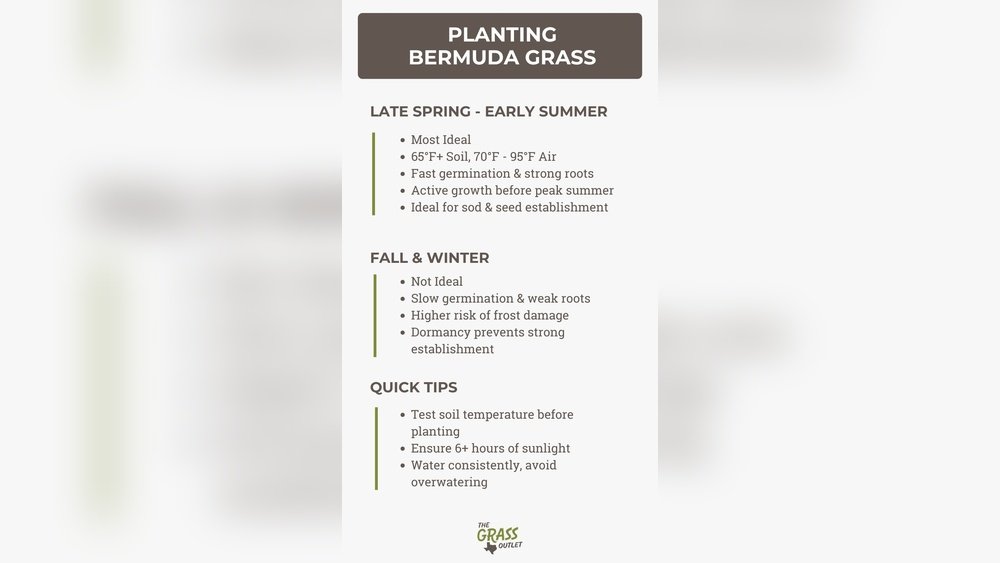
Bermuda grass seeds need warm soil to sprout well. The soil temperature should be at least 65°F (18°C). Warmer soil, around 70°F to 85°F (21°C to 29°C), is even better. Cold soil slows down germination or stops it.
Air temperature also matters. Daytime temperatures between 75°F and 90°F (24°C to 32°C) support fast growth. Night temperatures should stay above 60°F (16°C). Too cold nights can stress young plants.
Seeding during warm weather helps seeds grow strong and healthy. Watch the weather forecast before planting. Avoid planting if a cold snap is expected.
Seasonal Considerations
Late spring and early summer are the best seasons for seeding Bermuda grass. This period offers warm soil and long daylight hours. These conditions encourage quick seed germination and growth.
Avoid seeding in early spring or late fall. Soil is often too cold in these seasons. Also, young grass may not survive frost or cold nights.
In warmer climates, seeding can start as early as late April. In cooler areas, wait until late May or June. Timing depends on local climate and weather patterns.
Preparing The Soil
Preparing the soil is the first step to a healthy Bermuda grass lawn. Good soil helps seeds grow strong roots and green blades. This stage sets the foundation for thick, green grass that lasts through the seasons.
Soil Testing
Start by testing your soil to know its condition. A simple soil test checks pH and nutrient levels. Bermuda grass prefers soil with a pH between 5.8 and 7.0. Testing helps you understand what your soil needs before planting.
Clearing And Leveling
Clear the area of rocks, weeds, and old grass. Remove debris to avoid competition for nutrients. Level the soil to ensure water spreads evenly. Uneven soil causes water pooling and weak spots in grass growth.
Amending Soil
Add organic matter like compost to improve soil texture. Compost helps sandy soils hold water and clay soils drain better. Mix amendments well into the top 4 to 6 inches of soil. This creates a rich bed for Bermuda grass seeds to grow.
Choosing The Right Seed
Choosing the right Bermuda grass seed is key for a healthy lawn. The seed type affects how well the grass grows and handles weather. Quality also matters a lot. Good seeds grow fast and resist disease. Picking the best seed helps your lawn stay green and strong.
Seed Types
Bermuda grass seeds come in many types. Common ones include common Bermuda and hybrid Bermuda. Common Bermuda is cheaper but grows slower. Hybrid Bermuda is faster and stronger. Some hybrids resist heat and drought better. Choose a seed type that fits your climate and lawn use.
Quality Factors
Seed quality depends on purity and germination rate. Purity means how clean the seed is without weeds. Germination rate shows how many seeds will sprout. High-quality seeds have above 85% germination. Look for seeds tested by trusted labs. Fresh seeds also grow better than old ones.
Credit: theturfgrassgroup.com
Seeding Techniques
Seeding Bermuda grass requires the right technique for healthy growth. Choosing the best method helps seeds reach the soil evenly. It also improves seed-to-soil contact for better germination. Below are common seeding techniques to consider for your lawn.
Broadcasting Method
The broadcasting method spreads seeds by hand or with a spreader. It covers large areas quickly and is easy to do. Scatter seeds evenly over the soil surface. Then lightly rake the seeds to mix them into the soil. Water gently to avoid washing seeds away. This method works well for small to medium lawns.
Hydroseeding
Hydroseeding uses a machine to spray a seed, water, and mulch mix. This mixture sticks to the soil and protects seeds from drying out. It helps seeds grow faster by keeping moisture consistent. Hydroseeding is ideal for large areas and slopes. It requires special equipment but gives uniform seed coverage.
Using A Seeder
A seeder machine plants seeds directly into the soil. It creates shallow grooves, drops seeds, and covers them with soil. This method improves seed contact with soil and reduces seed loss. It works well for both small and large lawns. Using a seeder can save time and produce better results.
Watering Schedule
Proper watering is key to growing healthy Bermuda grass from seed. A good watering schedule helps seeds sprout and roots grow strong. Water too little, and seeds dry out. Water too much, and seeds may rot. Understanding the right watering steps improves your lawn’s chance to thrive.
Initial Watering
Right after planting, water the soil gently. The goal is to make the top inch of soil moist. Avoid flooding the area. Watering lightly several times a day helps keep seeds damp. This encourages quick germination. Use a fine spray or mist to protect seeds from washing away.
Maintaining Moisture
Once seeds start to sprout, reduce watering frequency slowly. Keep the soil moist but not soggy. Water deeply once or twice daily in the early weeks. This helps roots grow deeper into the soil. After about three weeks, water less often. Let the top soil dry a little between watering sessions. This strengthens the grass and prevents disease.

Credit: www.youtube.com
Fertilizing Tips
Fertilizing Bermuda grass helps it grow strong and green. Proper feeding gives the grass the nutrients it needs. This section covers simple fertilizing tips for best results.
Good fertilizer use supports seed growth and lawn health. Follow these tips to feed your Bermuda grass the right way.
Timing Fertilizer Application
Apply fertilizer at the right time for best effect. Start fertilizing when the soil warms up in spring. This helps new seeds grow fast and healthy.
Wait until after the grass sprouts before the first feeding. Do not fertilize too early or late. Early feeding can burn young grass. Late feeding may slow growth.
Feed your lawn every 6 to 8 weeks during the growing season. Stop fertilizing as temperatures drop in fall. This prevents damage during winter.
Choosing Fertilizer Type
Pick fertilizer with a balanced mix of nitrogen, phosphorus, and potassium. Nitrogen helps leaves grow green and thick. Phosphorus supports root development. Potassium strengthens overall grass health.
Use a starter fertilizer high in phosphorus when seeding. This encourages strong root growth for new grass. After the grass is established, switch to a balanced fertilizer.
Slow-release fertilizers feed the lawn over time. They reduce the need for frequent applications. Avoid fertilizers with too much nitrogen. Excess nitrogen can cause weak grass and disease.
Common Challenges
Seeding Bermuda grass can bring a lush, green lawn. Yet, several common challenges may arise during the process. Understanding these problems helps you prepare and maintain a healthy lawn.
Weed Control
Weeds compete with Bermuda grass for nutrients and water. They can quickly take over a new lawn if not managed. Applying a pre-emergent herbicide before seeding helps stop weed seeds from sprouting. Pull out visible weeds by hand to reduce competition. Keep the lawn well-watered and mowed to discourage weed growth.
Pest Management
Insects like grubs and chinch bugs often attack Bermuda grass. These pests damage roots and blades, causing brown spots. Regularly inspect the lawn for signs of pests. Use natural or chemical treatments to control infestations early. Healthy grass resists pests better, so proper care is essential.
Dealing With Patchy Growth
Patchy areas appear due to poor soil, pests, or improper seeding. Test soil to check for nutrient deficiencies. Reseed bare spots with Bermuda grass seed. Water these areas gently but often to encourage germination. Avoid heavy foot traffic on new seedlings to help them grow strong.
Maintenance For A Healthy Lawn
Maintaining Bermuda grass after seeding is key to a strong, green lawn. Proper care helps grass roots grow deep and thick. This keeps your lawn healthy through hot, dry months.
Good maintenance means regular mowing and ongoing care. These steps keep Bermuda grass in top shape. Follow simple tips to avoid common lawn problems.
Mowing Practices
Cut Bermuda grass often during the growing season. Keep the mower blades sharp for clean cuts. Set the mower height between 1 and 2 inches. Avoid cutting more than one-third of the grass blade at once.
Grass cut too short becomes weak and prone to weeds. Let clippings fall to the lawn to add natural nutrients. Mowing at the right height helps grass stay thick and green.
Ongoing Care
Water Bermuda grass deeply but infrequently. Aim for about one inch of water per week. Early morning watering reduces evaporation and disease risk. Fertilize with a balanced lawn fertilizer in spring and summer.
Remove weeds promptly to prevent them from spreading. Aerate the soil once a year to improve air and water flow. Regular care supports a dense lawn that resists pests and drought.

Credit: thegrassoutlet.com
Frequently Asked Questions
When Is The Best Time To Seed Bermuda Grass?
The best time to seed Bermuda grass is late spring to early summer. Soil temperatures should be consistently above 65°F. This timing ensures optimal germination and growth before the hot summer months.
How Long Does Bermuda Grass Take To Germinate?
Bermuda grass seeds typically germinate within 7 to 14 days. Warm soil and proper watering speed up germination. Cooler temperatures can delay seed sprouting.
Can I Seed Bermuda Grass In Fall?
Seeding Bermuda grass in fall is not ideal. Cooler temperatures slow growth and germination. Spring or early summer seeding yields better results.
How Often Should I Water Bermuda Grass Seed?
Water Bermuda grass seed lightly 2-3 times daily. Keep soil consistently moist but not soaked. Once seedlings establish, reduce watering frequency gradually.
Conclusion
Seeding Bermuda grass works best in warm weather. Aim for late spring or early summer. The soil should be warm, around 65°F or higher. This helps seeds grow fast and strong. Water the area gently but often at first. Watch for weeds and keep them away.
With patience, your lawn will fill in nicely. Timing and care make all the difference. Start seeding at the right time for a healthy yard. Your grass will thank you!
