

Are you wondering when your Bermuda grass will start to green up after winter? Knowing exactly when Bermuda grass comes out of dormancy is key to keeping your lawn healthy and vibrant.
If you miss the right time to care for it, your grass might stay brown longer or struggle to grow strong. You’ll discover the signs to watch for and the best ways to help your Bermuda grass wake up and thrive.
Keep reading to make sure your lawn gets the perfect start this season!
Dormancy In Bermuda Grass
Bermuda grass is a warm-season grass known for its tough and lush green appearance. It thrives in hot weather but slows down during cold months. This pause in growth is called dormancy. Understanding dormancy helps in proper lawn care and maintenance. It shows how the grass survives tough conditions.
Causes Of Dormancy
Cold temperatures cause Bermuda grass to enter dormancy. When the weather drops below 50°F, growth slows. Less sunlight also triggers dormancy. Shorter days mean less energy for the grass. Water scarcity can make Bermuda grass go dormant too. The grass saves resources to survive drought. These factors tell the grass to rest until conditions improve.
Signs Of Dormancy
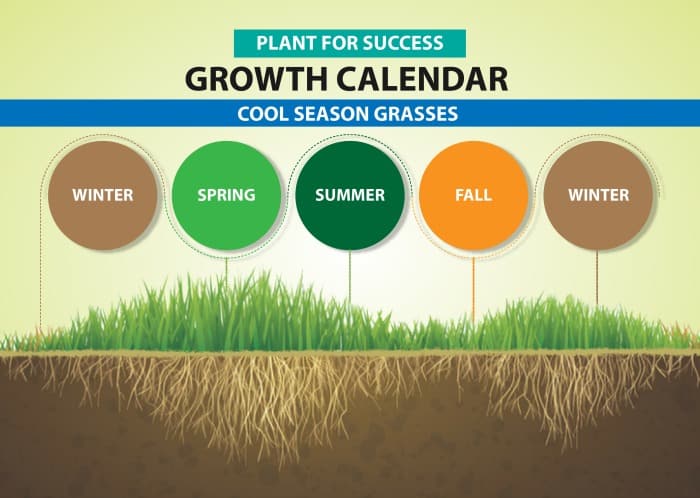
Bermuda grass changes color during dormancy. It turns brown or straw-like. The blades become dry and brittle. Growth stops completely or slows a lot. The lawn looks less full and patchy. Walking on dormant grass feels firm and dry. These signs indicate the grass is in a resting phase.
Credit: plantforsuccess.com
Timing For Growth Resumption
Bermuda grass stays dormant during cold months to protect itself. The grass starts growing again when conditions improve. Knowing the right timing helps you care for your lawn better. Several factors tell the grass when to wake up and grow.
Temperature Triggers
Temperature is the main signal for Bermuda grass growth. It usually begins to grow when soil temperature reaches about 65°F (18°C). Warmer days and nights encourage the grass to come out of dormancy. Sudden cold spells can slow down or stop growth again.
Soil Conditions
Soil plays a big role in growth resumption. Moist, well-drained soil helps Bermuda grass start growing faster. Dry or compacted soil can delay growth even if the temperature is right. Healthy soil supports root development and leaf growth.
Daylight Influence
Daylight length affects Bermuda grass growth timing too. Longer days signal the grass that spring has arrived. More sunlight means more energy for the grass to grow. Short days keep the grass in dormancy longer.
Preparing Lawn For Growth
Preparing your Bermuda grass lawn for growth sets the stage for a healthy, green yard. Early care helps the grass come out of dormancy strong. Simple steps can improve soil, remove debris, and adjust watering. These actions encourage new shoots and thicker grass.
Soil Testing And Amendment
Test your soil to check nutrient levels and pH. Bermuda grass grows best in soil with a pH between 5.8 and 7.0. Add lime or sulfur to fix pH problems. Fertilize based on soil test results to supply needed nutrients. Healthy soil supports strong root growth and vibrant grass.
Raking And Thatching
Remove dead grass and leaves with a rake. This clears the surface and lets air reach the soil. Thatch is a layer of dead material that can block water. Use a dethatcher to remove excess thatch. Clearing thatch improves water and nutrient absorption.
Irrigation Adjustments
Reduce watering in late winter to encourage dormancy break. As temperatures rise, increase watering gradually. Bermuda grass needs about 1 inch of water weekly. Water early in the morning to reduce evaporation. Proper irrigation helps grass recover and grow evenly.
Credit: theturfgrassgroup.com
Promoting Healthy Growth
Promoting healthy growth in Bermuda grass after dormancy helps your lawn look green and lush. Proper care supports strong roots and thick blades. Good habits during this time prepare the grass for warm months ahead.
Fertilization Tips
Use a balanced fertilizer to provide essential nutrients. Apply fertilizer when the grass starts to green up. Avoid over-fertilizing, which can harm the grass. Spread fertilizer evenly across the lawn for best results. Water the lawn lightly after applying fertilizer to help absorption.
Mowing Practices
Set your mower blade to the correct height for Bermuda grass. Keep the grass around 1 to 2 inches tall. Mow regularly to prevent the grass from growing too long. Avoid cutting more than one-third of the blade at once. Clean mower blades help prevent damage and disease.
Weed And Pest Control
Remove weeds early before they spread seeds. Use herbicides that are safe for Bermuda grass. Check for pests like grubs and chinch bugs often. Treat pest problems quickly to avoid damage. Keep the lawn healthy to resist weeds and pests naturally.
Common Growth Challenges
Bermuda grass is tough but faces some common growth challenges. These problems can slow its return from dormancy and affect its health. Knowing these challenges helps you care for your lawn better.
Late Frost Effects
Late frost can hurt Bermuda grass as it starts to grow. Frost damages new shoots and leaves. This damage slows grass growth and recovery. The grass may look brown or patchy after frost. Protecting your lawn during cold nights is important.
Drought Stress
Bermuda grass needs water to grow after dormancy. Drought stress makes it hard for the grass to recover. Dry soil limits root growth and weakens the grass. Water your lawn regularly during dry spells. Keep the soil moist but not soaked.
Soil Compaction Issues
Soil compaction blocks air and water from reaching roots. Compacted soil makes it tough for Bermuda grass to grow strong. The roots stay shallow and weak. Aerate your lawn to reduce compaction. This helps roots grow deep and healthy.
Long-term Bermuda Grass Care
Taking care of Bermuda grass over the long term ensures a healthy, green lawn. Proper care helps the grass come out of dormancy strong. It also keeps your yard lush through many seasons. Consistent attention to maintenance, overseeding, and aeration supports healthy growth. These practices prevent weeds and soil problems. Let’s explore key steps for lasting Bermuda grass health.
Seasonal Maintenance
Seasonal maintenance keeps Bermuda grass ready for growth. In spring, remove dead grass and debris. Mow regularly to the right height. Water deeply but less often to encourage roots. Apply fertilizer in warm months to boost growth. Stop fertilizing before fall to prepare for dormancy. Keep an eye on pests and diseases throughout the year.
Overseeding Strategies
Overseeding fills in bare spots and keeps grass thick. It helps Bermuda grass stay green longer in cooler months. Choose a grass type that blends well with Bermuda. Spread seed evenly over thin areas. Water lightly until new grass sprouts. Avoid heavy foot traffic on newly seeded zones. Overseeding in fall or early spring works best.
Aeration Benefits
Aeration improves soil health and root growth. It creates small holes in the soil, allowing air and water in. This reduces soil compaction and helps nutrients reach roots. Aerate Bermuda grass once or twice a year. Early spring or fall are ideal times. Aeration supports stronger, deeper roots and a healthier lawn.

Credit: thebermudabible.com
Frequently Asked Questions
When Does Bermuda Grass Typically Break Dormancy?
Bermuda grass usually comes out of dormancy in early spring. This happens when soil temperatures reach about 55°F to 60°F consistently. Warmer weather triggers growth, and the grass starts turning green again, signaling the end of dormancy.
How Can I Tell If Bermuda Grass Is Out Of Dormancy?
Look for green shoots emerging from the soil. The grass will gradually change from brown to green. Also, soil temperature above 60°F and consistent warm weather indicate Bermuda grass is out of dormancy.
What Factors Influence Bermuda Grass Dormancy Period?
Temperature, sunlight, and soil moisture mainly affect dormancy. Cold weather and frost cause dormancy. Warmer temperatures and longer daylight hours help Bermuda grass wake up and grow.
Can Bermuda Grass Come Out Of Dormancy Early?
Yes, if soil temperatures warm up sooner, Bermuda grass may break dormancy early. However, late frosts can damage new growth, so watch local weather closely before expecting full green-up.
Conclusion
Bermuda grass wakes up from dormancy in early spring. Warm soil and longer days help it grow fast. Proper care speeds up green and healthy grass. Watch for new shoots as a sign of life. Water and mow at the right times.
This keeps your lawn strong all season. Knowing when Bermuda grass comes out of dormancy helps you plan well. Enjoy a lush, green lawn throughout the warmer months. Simple steps make a big difference in lawn health.
